
Film
Bulworth
A burned-out senator hires a hit man on himself and, freed by impending death, abandons his political artifice to speak truth in hip-hop cadences. Warren Beatty directs and stars in this 1998 satire that swings wildly between dark comedy, social critique, and genuine romance—a film that commits fully to its absurd premise and dares you to keep up.
Should you watch it?
Watch it if you enjoy political satire that gets its laughs from saying the quiet part out loud, with a rowdy, lopsided tone that swings between broad comedy, romance and sharp commentary.
Skip it if you want a tidy political drama, since this is loose, talky and more eager to provoke than to polish its jokes.
What it asks of you: It runs 108 minutes and asks you to ride a shifting, uneven current of rap-inflected monologue, so give it full attention rather than background noise.
Not sure? Find tonight's pick in a minute.
If you liked this
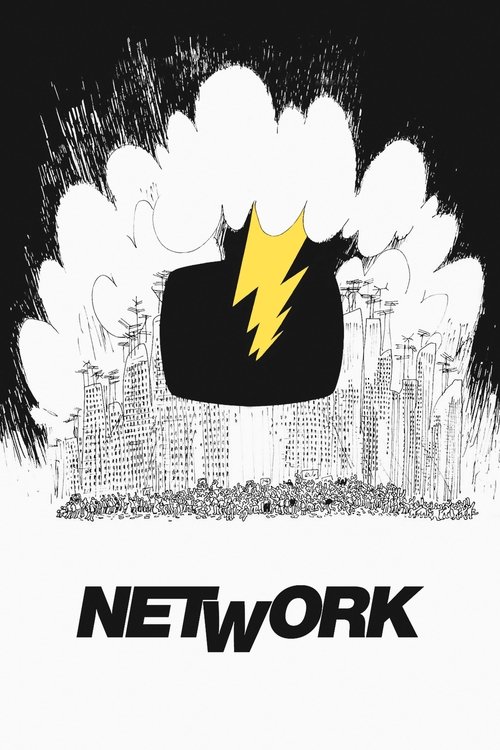
Network1976
A furious satire of media cynicism and manufactured outrage that shares Bulworth's conviction that American institutions are rotten and funny in equal measure. Essential viewing for understanding political cinema.
But Paddy Chayefsky's script is dense with monologue and argument; it's a sermon disguised as a thriller, and some find it heavy-handed.
The Dead Girl2006
Like Bulworth, it uses genre (crime thriller) as a vehicle for examining how America ignores certain lives. Both films have real anger underneath their formal experimentation.
But It's a fractured narrative about a murdered woman that builds dread rather than momentum. Very bleak, very still.

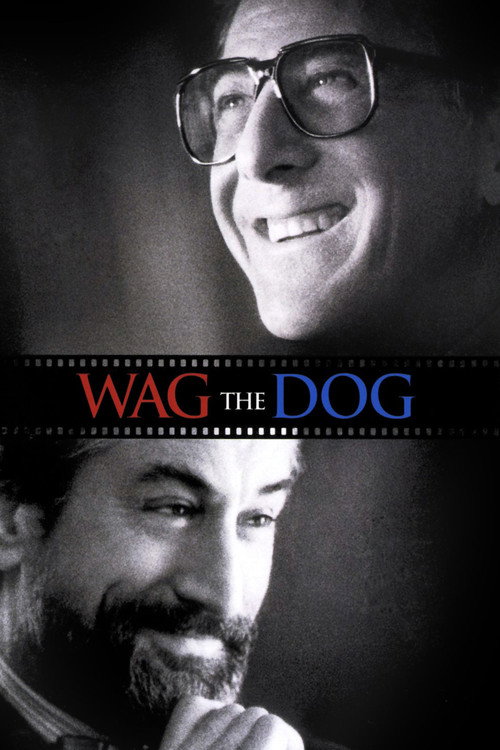
Wag the Dog1997
Made the same year Bulworth was released, it shares the DNA: political satire that treats media spin and voter manipulation as darkly comic. Both films believe the system is corrupt but keep laughing anyway.
But The tonal shifts can feel abrupt, and some of the satire has aged into obviousness—we now know the tricks that seemed shocking then.
Not sure tonight? Get a pick in a minute, starting from Bulworth
The wildcard
Something you would not have found on your own.
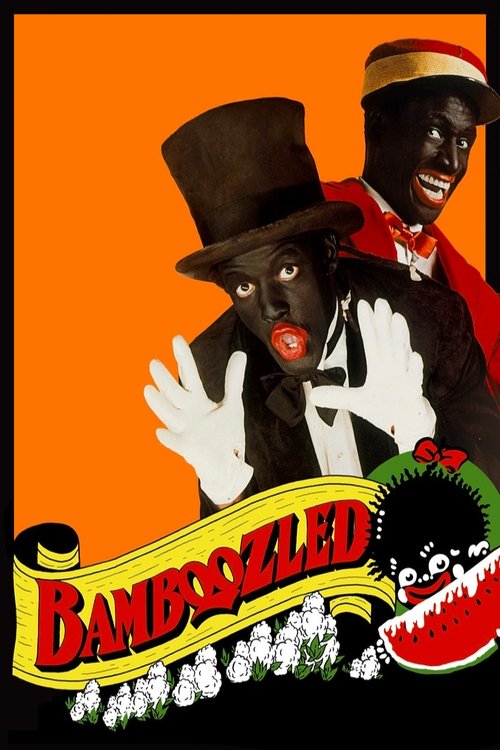
Bamboozled2000
Both films use entertainment and performance to critique American racism and commodification; both involve protagonists using media they don't fully control to expose hypocrisy.
Spike Lee's film about a Black TV executive who creates a minstrel show as a joke, only to watch it become wildly successful, shares Bulworth's obsession with performance, Blackness, and what happens when you weaponize artifice. Both films use shock and discomfort as tools.
But It's a dizzying, often ugly film that can feel didactic and confrontational. Some scenes are designed to offend, and Lee never lets you settle into comfort.
More like this (7)
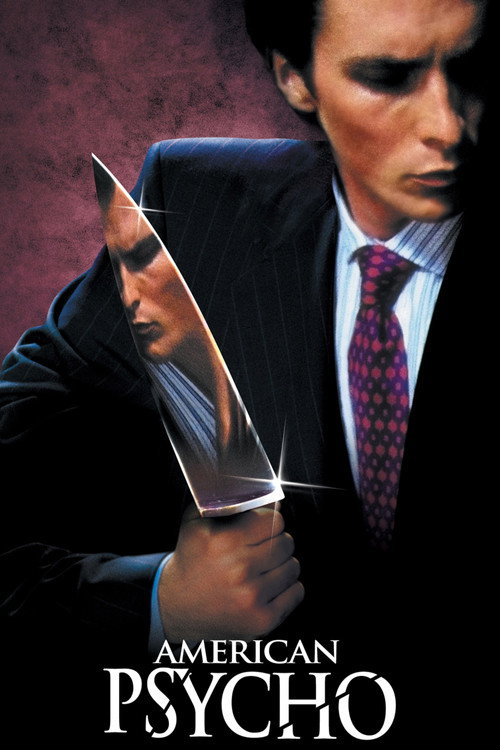
American Psycho2000
Both films use exaggeration and formal trickery to examine American surface versus American rot. Mary Harron's film is icier and more controlled, but it shares Bulworth's willingness to make its protagonist a mirror.
But Extremely violent and obsessed with brand names and surfaces in a way that can feel numbing rather than illuminating.
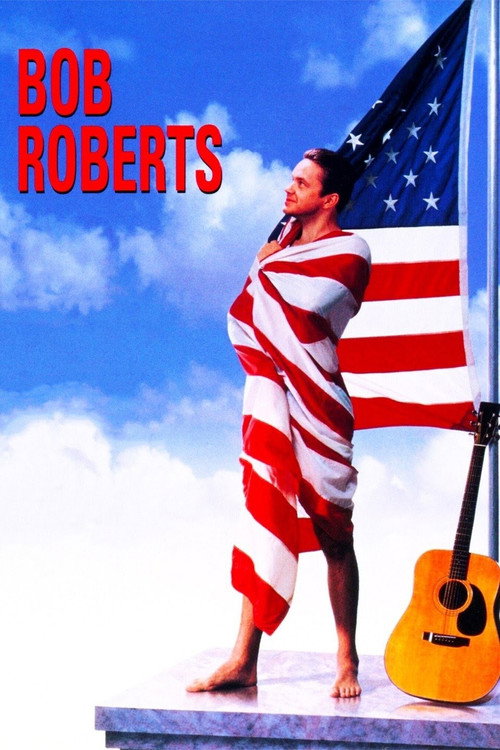
Bob Roberts1992
Tim Robbins writes, directs, and stars as a right-wing folk singer running for Senate—a perfect inverse of Bulworth's left-wing rapper. Both use music and performance to expose political phoniness from the inside.
But The mockumentary format can feel dated, and Robbins' performance is so committed to the con that it's sometimes hard to locate the film's own position.
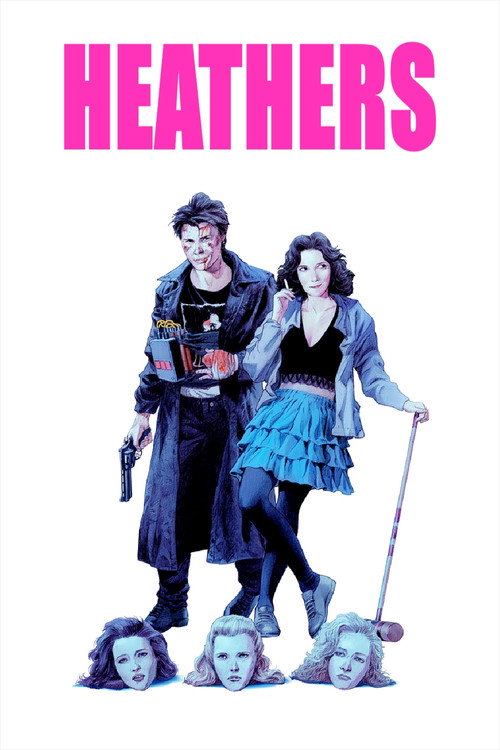
Heathers1989
Another dark comedy about an insider destroying the machinery from within, mixing satire with genuine stakes. The tonal control is sharper, the romance more grounded, but the DNA is there.
But It's a teen movie, which means some will dismiss it immediately. The violence is treated casually in ways that can read as callous.
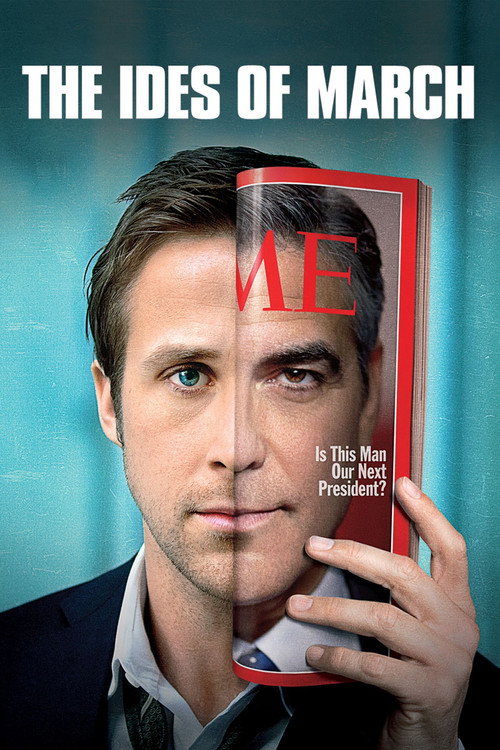
The Ides of March2011
George Clooney's film about a young campaign operative navigating political corruption has Bulworth's interest in how the system chews up idealism, though it's far more cynical and less willing to laugh.
But It's sleek and buttoned-up where Bulworth is shambolic and sweaty. Some find it cold and overly schematic.
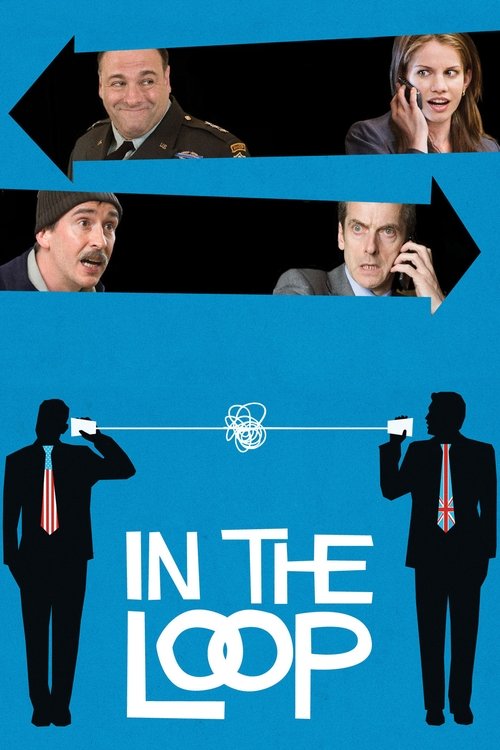
In the Loop2009
Armando Iannucci's scathing political satire about the machinery of war uses profanity and chaos the way Bulworth uses hip-hop—as a tool to cut through official language and expose the absurdity underneath.
But It's relentlessly crude and moves at breakneck speed. If you can't parse British political systems, you'll miss half the references.
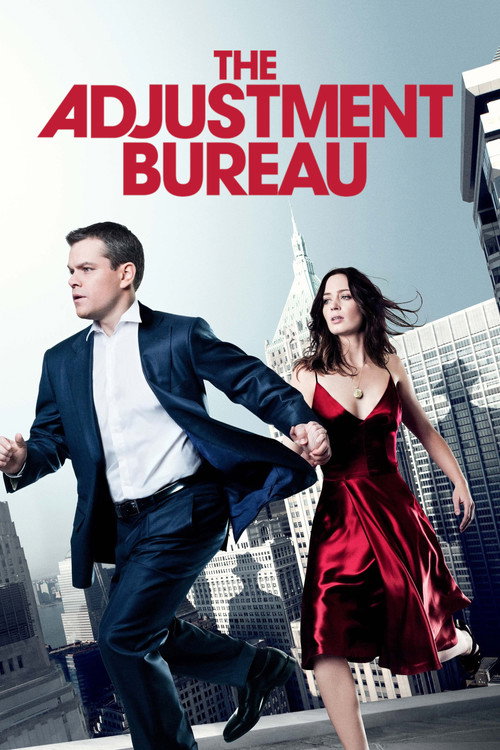
The Adjustment Bureau2011
Matt Damon in a metaphysical thriller about a man fighting an invisible system that wants to control his choices. It shares Bulworth's dream-like logic and its romance subplot, though it's far more earnest and romantic.
But The high-concept sci-fi premise can feel overwrought, and the film's politics are murkier and less engaged with real corruption.
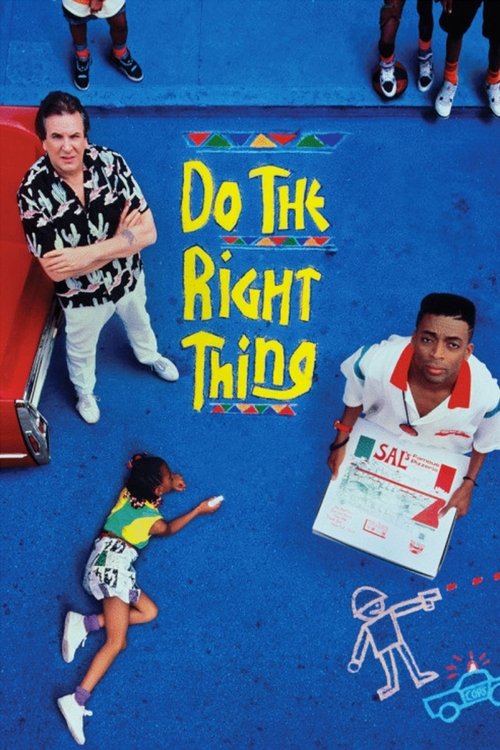
Do the Right Thing1989
Both are films that weaponize their own form to make you feel something, not just think it—they trust mood, music, and performance over exposition.
Spike Lee's masterpiece about a sweltering Brooklyn block on the hottest day of the year, where race, class, and American promise collide. It's funny and furious in a way that mirrors Bulworth's refusal to choose between satire and sincerity.
But The political argument is direct and unapologetic. There's no neutral viewing position; Lee demands you take a side, and some find that didactic.
People
Cast
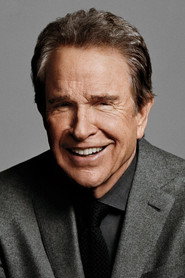 Warren BeattyJay Bulworth
 Halle BerryNina
- Kimberly Deauna AdamsDenisha
- Vinny ArgiroDebate Director
 Sean AstinGary
 Kirk BaltzDebate Producer
 Ernie Lee BanksLeroy
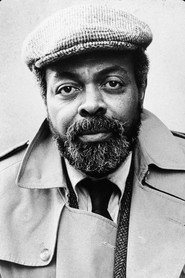 Amiri BarakaRastaman
 Christine BaranskiConstance Bulworth
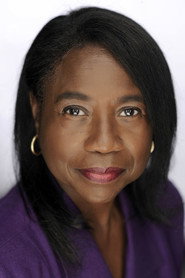 Adilah BarnesMrs. Brown
 Graham BeckelMan with Dark Glasses
- Brandon N. BowlinBouncer #2
Directing
- Warren BeattyDirector
- Frank Capra IIIFirst Assistant Director
- J. Ellen EvansScript Supervisor
- Kerry Lyn McKissickScript Supervisor
Writing
- Jeremy PikserScreenplay
- Warren BeattyScreenplay
- Warren BeattyStory
Production
- Jeanne McCarthyCasting
- Victoria ThomasCasting
- Frank Capra IIICo-Producer
- Victoria ThomasCo-Producer
- Lauren Shuler DonnerExecutive Producer
- Pieter Jan BruggeProducer
- Warren BeattyProducer
- Brigette LesterProduction Coordinator
- Jamie Boscardin MartinProduction Supervisor
Recommended by
A Face in the Crowd, Dave, Primary Colors, The Candidate, Wag the Dog, Bob Roberts, Biker Boyz, All the King's Men, The Detective