
Film
Becky Sharp
Becky Sharp is a 1935 Technicolor milestone: the first feature to use three-strip colour, deployed with gorgeous artifice. It's a period drama of social climbing, romantic scheming, and a morally slippery heroine you can't look away from. Miriam Hopkins is brash and magnetic as Rebecca, clawing her way through Regency society with charm and guile. It's melodrama dressed as spectacle, and the colour itself is part of the show.
Should you watch it?
Watch it if you love a period costume piece where the heroine's scheming is the point, and you want to see early colour film used with real ambition.
Skip it if you need likeable heroes, since nobody here is easy to root for, and stiff 1930s staging with stage-bound talk may feel dated.
What it asks of you: Brisk at 84 minutes, it moves through its social climbing in episodes of dialogue and costume, asking you to enjoy its artifice and sharp-edged manners rather than wait for emotional payoff.
Not sure? Find tonight's pick in a minute.
If you liked this
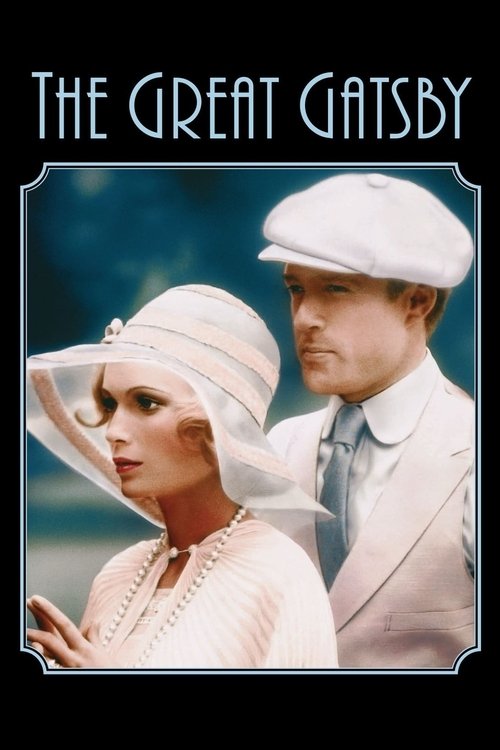
The Great Gatsby1974
Lavish, colour-saturated period drama about ambition and social theatre. Mia Farrow and Robert Redford navigate wealth and desire with the same elegant moral slipperiness as Becky's world, and the production design is intoxicating.
But The 1974 film can feel static and over-composed. Some find it airless, more museum piece than drama.
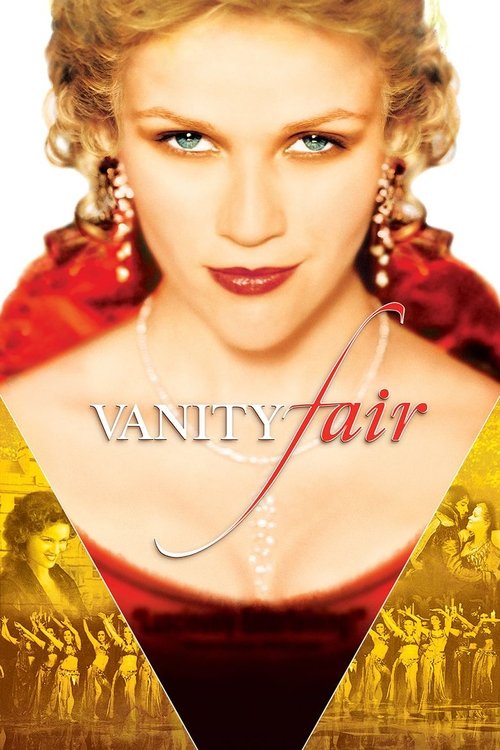
Vanity Fair2004
Direct adaptation of the same Thackeray novel. Reese Witherspoon plays Becky with sharp modern energy, and the film balances satire with genuine stakes. It knows the whole society is a con, and loves that about it.
But Glossy and brisk in a way that loses the book's acidity. The ambition sometimes reads as scrappy rather than driven.
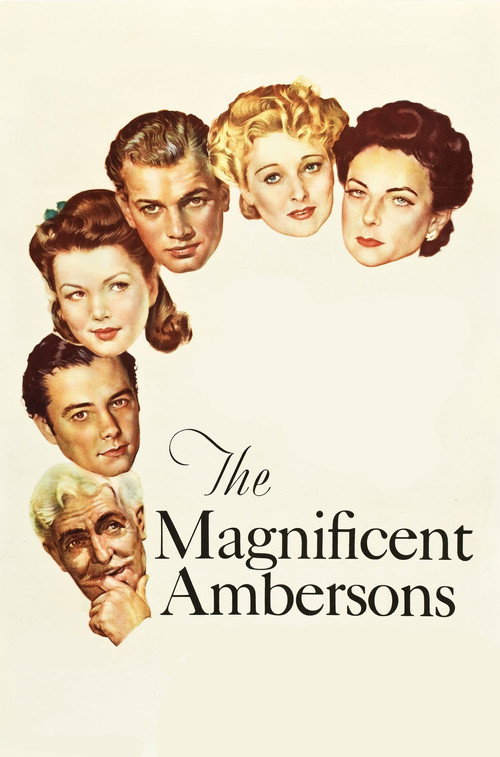
The Magnificent Ambersons1942
Welles on society in flux, old money versus new money, and characters who mistake position for permanence. Black and white but visually inventive, and the moral complexity rivals Becky Sharp's own.
But Famously re-edited and compromised by the studio. Welles enthusiasts spend more time resenting what was cut than enjoying what remains.
Not sure tonight? Get a pick in a minute, starting from Becky Sharp
The wildcard
Something you would not have found on your own.
The Red Shoes1948
Both are films where colour itself is weaponized—not just pretty but narratively alive—and both center women navigating a system rigged against them, solving it with intelligence and moral compromise.
Powell and Pressburger, Technicolor even more audacious than Becky Sharp's, built around a woman's impossible choice: art or love. The film itself is performance and artifice, and the colour is a character. Gorgeous, hypnotic, and morally complicated.
But The ballet sequences are very long and demand patience. Some find it glacial or overly stylized, trapped in its own beauty.

More like this (7)
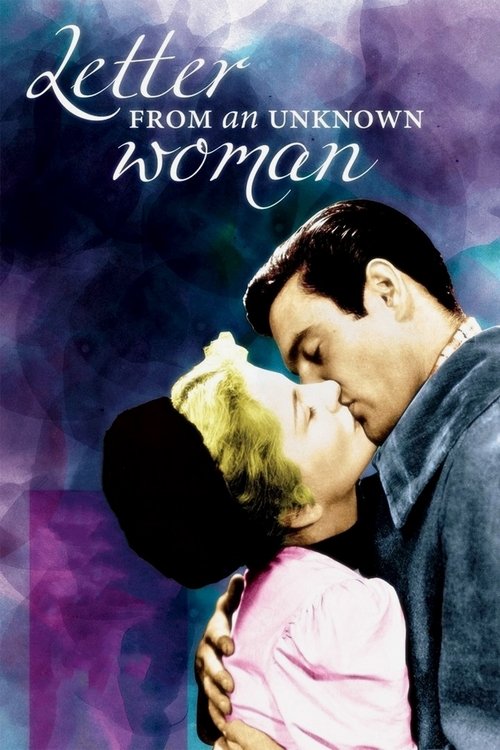
Letter from an Unknown Woman1948
Ophüls about desire, social performance, and a woman constructing herself for male approval. Stefan Brandy is as morally blank as Becky; the film watches with devastating clarity how charm masks emptiness.
But Deeply sad in a way that forgives nothing, least of all romance. Not escapist; it's about why escapism fails.
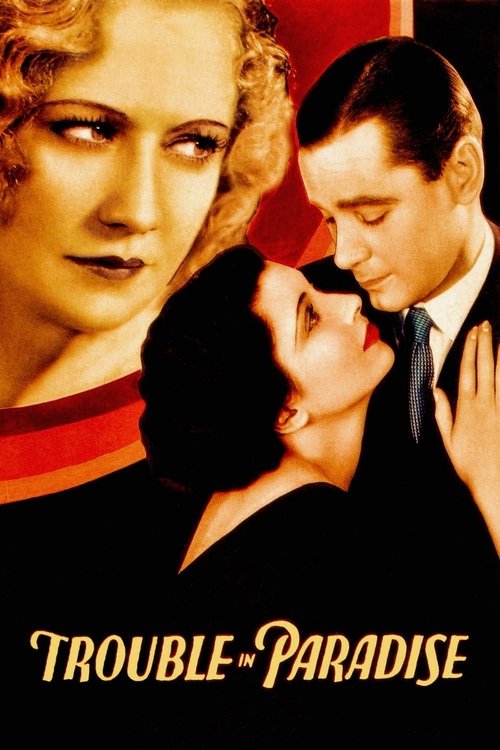
Trouble in Paradise1932
Lubitsch's jewel of a film, three years earlier: a con artist heroine in a world of wealth and desire. Kay Francis is elegant and scheming, and the whole thing moves like clockwork with wit to spare.
But The Lubitsch Touch is so refined it can read as cold. If you want warmth or moral stakes, look elsewhere.
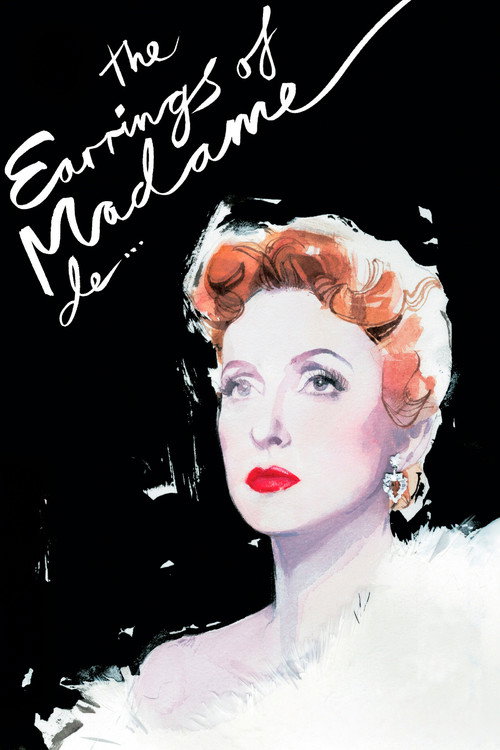
The Earrings of Madame de...1953
Ophüls again, but this time tracking how a small deception spirals through society. Danielle Darrieux is trapped in a beautiful cage of etiquette and consequences. Visually dazzling, morally merciless.
But The circularity can feel claustrophobic. It's formally perfect but heavy with inevitability; nothing truly surprises.
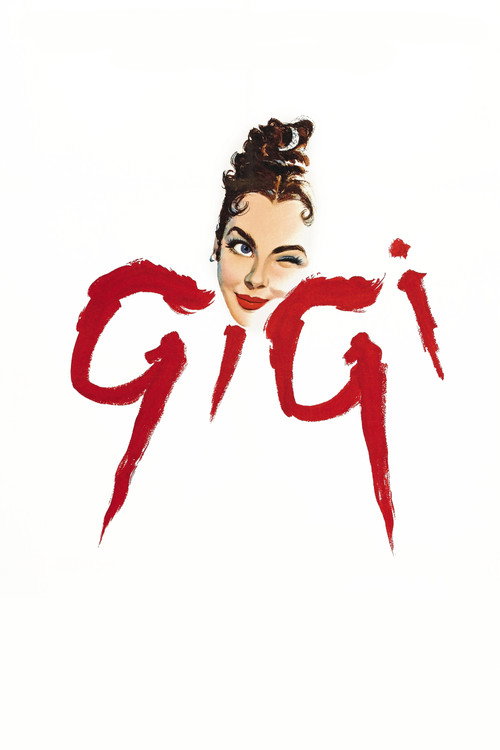
Gigi1958
Vincente Minnelli in Paris, a woman learning to perform herself for society and wealth. It's brighter and more forgiving than Becky Sharp—more musical, more romance than satire—but the machinery is identical.
But The sentimentality will turn some away. It wants you to be happy for a system it's supposed to critique.
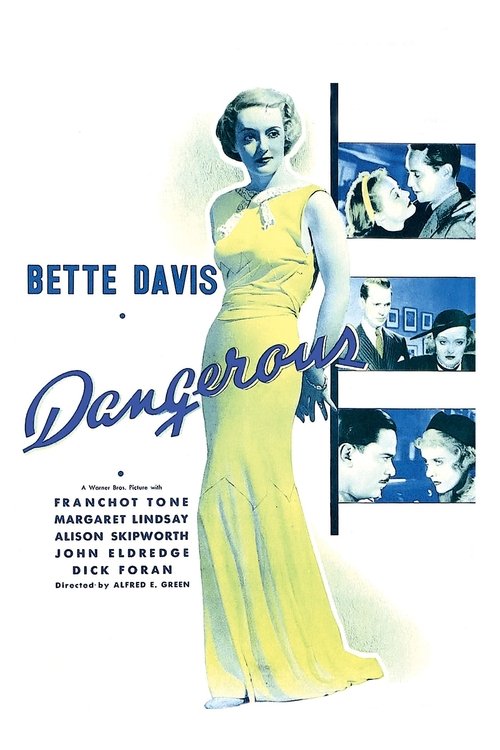
Dangerous1935
Bette Davis in the same year as Becky Sharp, playing an ambitious, ruthless actress who uses people to climb. Davis is fiercer and less charming than Hopkins; same moral emptiness, different register.
But It's melodrama with less visual distinction. Once you see it's really about ambition rather than love, the plot starts to flag.
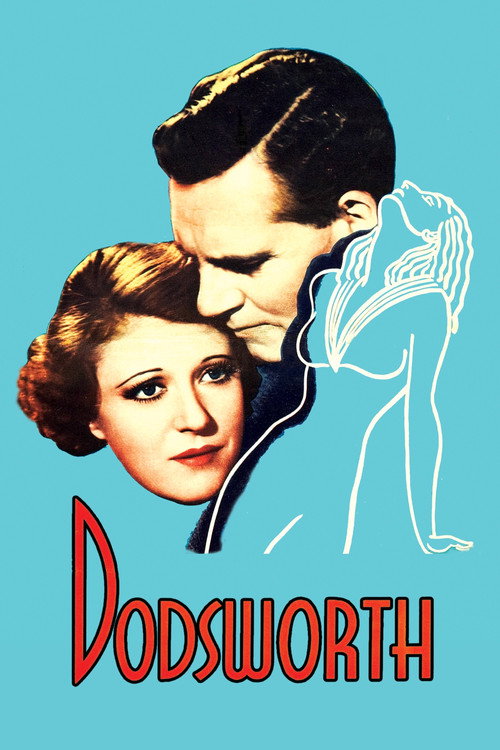
Dodsworth1936
William Wyler's film about social performance and what happens when you leave society behind. Walter Huston and Ruth Chatterton play a marriage undone by travel and honesty. A quieter film about the same world.
But Slower and less showy than Becky Sharp. It's more interested in character decay than spectacle, which loses some viewers.
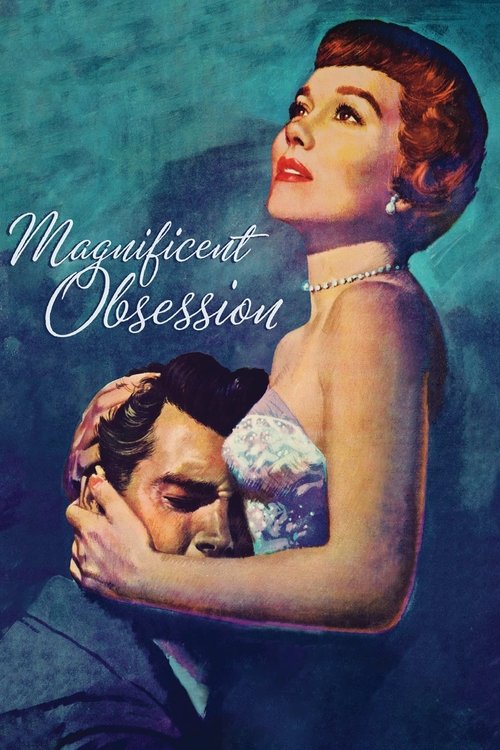
Magnificent Obsession1954
Like Becky Sharp, Sirk uses Technicolor not to represent reality but to stylize it, to make the emotional truth visible. Both films know that society is theatre, and both are ornate enough to admit it.
Douglas Sirk's melodrama, a total rewrite of social morality through visual excess and sincerity. Jane Wyman and Rock Hudson in a world of wealth and secrets, told in colours so saturated they read as irony. Soapy, yes, but formally brilliant and genuinely moving.
But You have to surrender to melodrama completely. The plot is absurd; if you're looking for naturalism, you're in the wrong room.
People
Cast
 Miriam HopkinsBecky Sharp
 Frances DeeAmelia Sedley
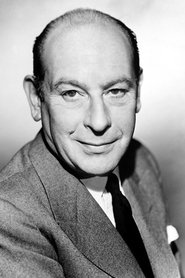 Cedric HardwickeMarquis of Steyne
 Billie BurkeLady Bareacres
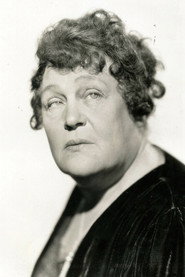 Alison SkipworthMiss Crawley
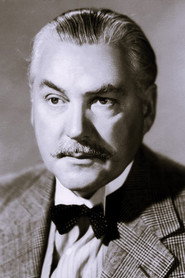 Nigel BruceJoseph Sedley
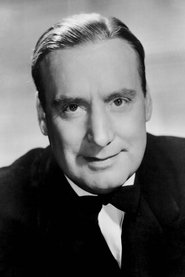 Alan MowbrayRawdon Crawley
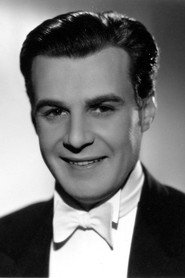 G.P. HuntleyGeorge Osborne
 William StackPitt Crawley
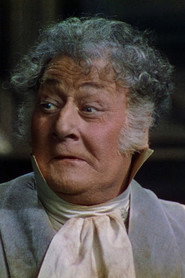 George HassellSir Pitt Crawley
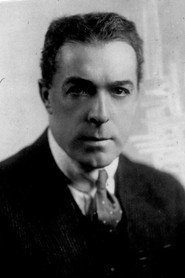 William FavershamDuke of Wellington
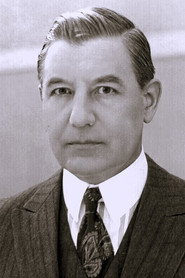 Charles RichmanGen. Tufto
Directing
- W. Argyle NelsonAssistant Director
- Rouben MamoulianDirector
Writing
- William Makepeace ThackerayNovel
- Francis Edward FaragohScreenplay
- Langdon MitchellTheatre Play
Production
- John LondonProduction Assistant