
Film
David Copperfield
Other titles called David Copperfield: the 1974 series (BBC One), the 1986 series (BBC One), the 1999 series (BBC One).
Dickens' sprawling Victorian bildungsroman becomes a handsome 1935 studio picture that balances sentimentality with genuine social observation. It follows a boy's passage from orphaned misery through various kindnesses and betrayals toward uncertain adulthood. Handsomely mounted, perfectly cast, and willing to let quieter moments breathe—a film for anyone drawn to character and period detail over plot velocity.
Should you watch it?
Watch it if you love big, generous Victorian novels where a crowd of vivid eccentrics and a warm, sentimental heart carry you through a long life story.
Skip it if you find stage-bound 1930s studio filming, stagey dialogue, or the slow sentimental swells of classic Dickens hard to sit through across more than two hours.
What it asks of you: Roughly two hours and ten minutes, episodic and unhurried, moving in leisurely chapters from childhood hardship onward, so settle in rather than expecting a brisk pace.
Not sure? Find tonight's pick in a minute.
If you liked this
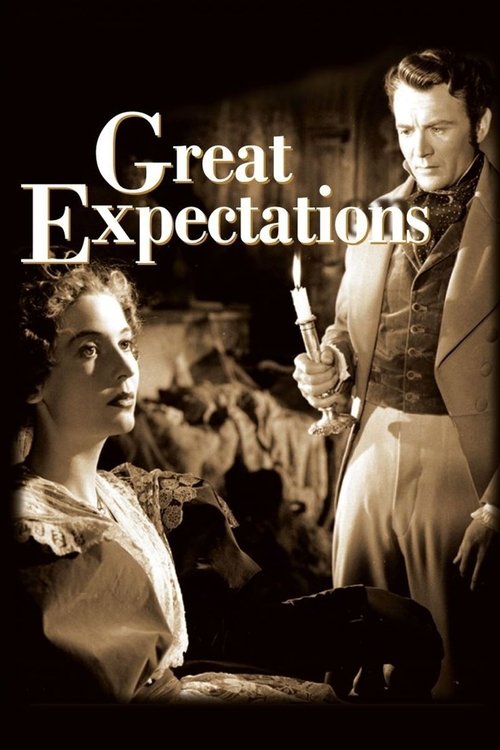
Great Expectations1946
David Lean's adaptation of another Dickens novel: equally rich in visual texture, social detail, and the collision between childhood dreams and adult reality. A masterclass in how cinema can enhance rather than diminish Dickens.
But The pacing assumes patience with digression and atmosphere over propulsive narrative drive.
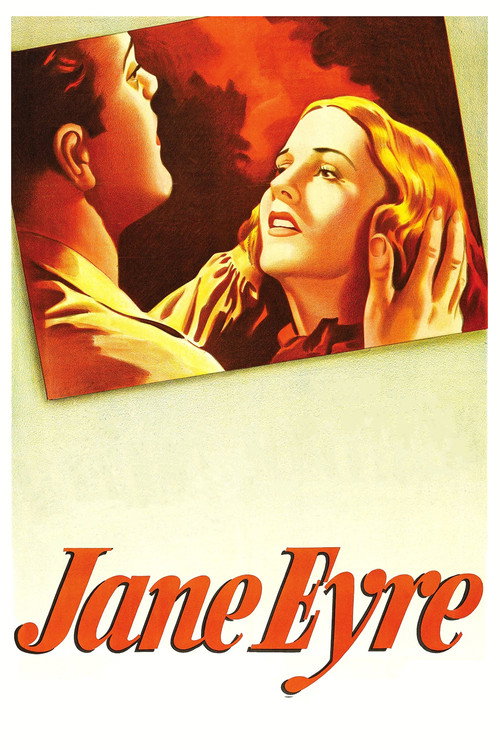
Jane Eyre1943
Orson Welles and Joan Fontaine in a gothic take on orphaned coming-of-age. Like Copperfield, it's about finding home and selfhood in an unkind world, but filtered through romance and psychological darkness instead of sentiment.
But Far moodier and more claustrophobic than the Dickens warmth you'll find here.
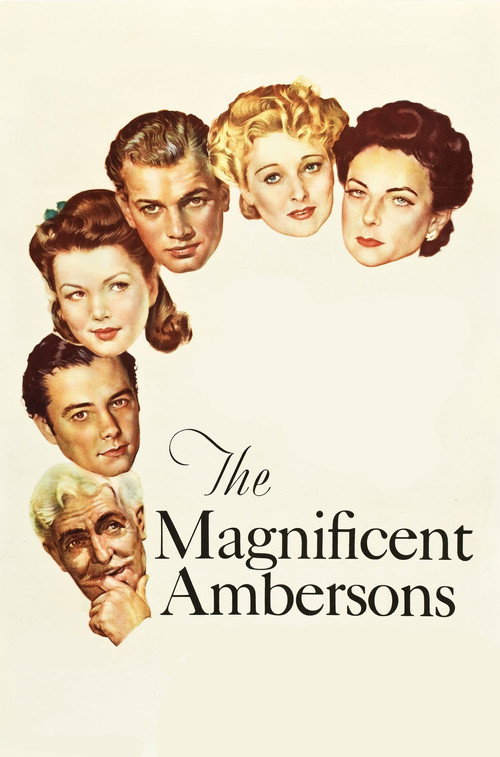
The Magnificent Ambersons1942
Welles again, tracing how a privileged boy becomes an embittered man as his world collapses around him. A companion piece in reverse—prosperity curdling into ruin, rather than hardship leading to grace.
But Deliberately downbeat and formally experimental; the studio's interference is visible in the ending.
Not sure tonight? Get a pick in a minute, starting from David Copperfield
The wildcard
Something you would not have found on your own.
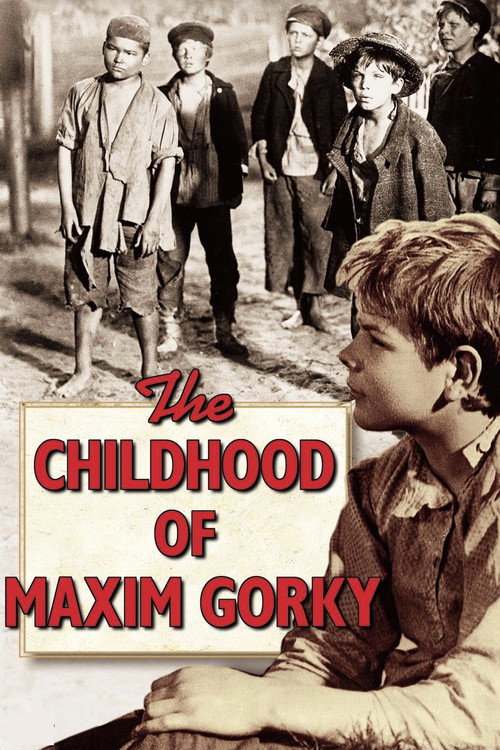
The Childhood of Maxim Gorky1938
Both are bildungsroman about boys discovering their inner lives through suffering and the kindness of others, but one is a Victorian morality tale and one is a documentary of actual childhood poverty.
Mark Donskoy's Soviet adaptation of Gorky's memoir: a boy among poverty, violence, and drunkenness, finding light in small kindnesses and his own imagination. Structurally identical to Copperfield but aesthetically and politically opposite—gritty realism instead of studio polish, a child's-eye view of genuine deprivation.
But Bleak and slow; Gorky's world offers no Aunt Betsey to rescue him, no narrative comfort. Based on biography, not sentiment.
More like this (8)
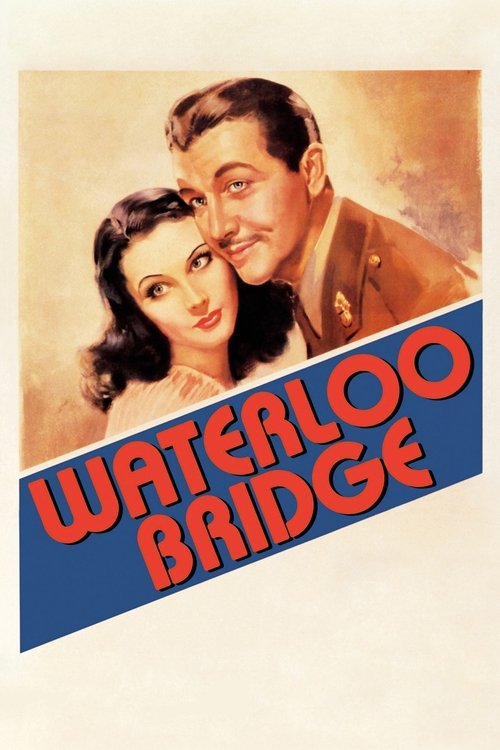
Waterloo Bridge1940
Vivien Leigh and Robert Taylor in a gentler Anglophone drama about how circumstances push good people toward difficult choices. The emotional honesty recalls Copperfield's willingness to show kindness and shame coexisting.
But The melodrama can tip toward soap opera if you're not in the mood for it.
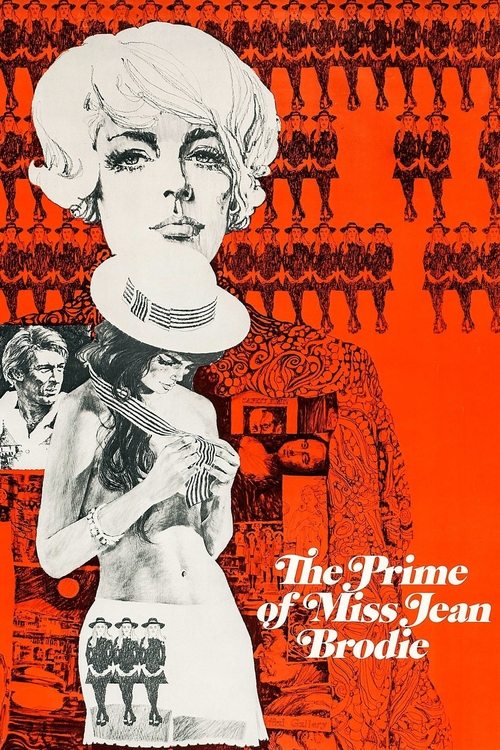
The Prime of Miss Jean Brodie1969
Maggie Smith's charismatic teacher warping her students' lives with her certainties. A darker reflection on formative relationships and how the people we admire can lead us astray—something Copperfield understands completely.
But Smith's performance is so commanding it can overshadow the students she's supposedly teaching.
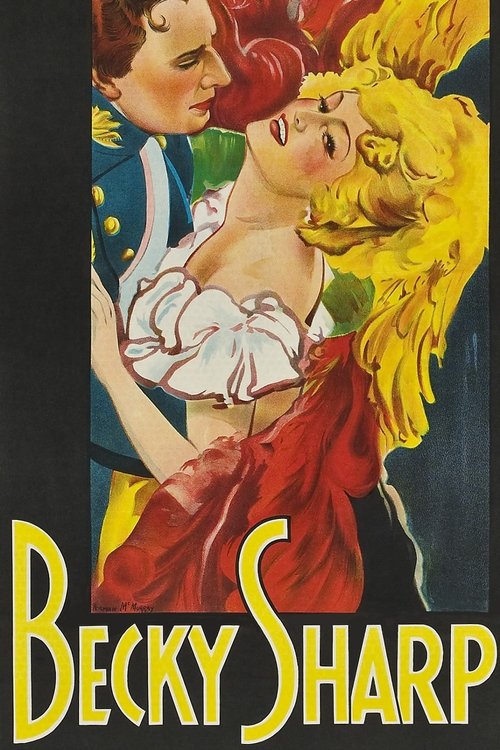
Becky Sharp1935
Made the same year as Copperfield, also from a Victorian novel, also tracking a flawed protagonist through social climbing and moral compromise. Becky Sharp is Copperfield's inverse—ambitious and selfish where David is passive and good.
But Rebus Mamoulian's direction is occasionally heavy-handed, and the colour cinematography can date it in ways this Copperfield avoids.
The Remains of the Day1993
Anthony Hopkins as a butler reflecting on a life of service, duty, and repressed emotion. It has Copperfield's interest in how we rationalize our choices and how hindsight rewrites our stories.
But Deliberately controlled and interior—the opposite of melodrama, and some find it chilly.

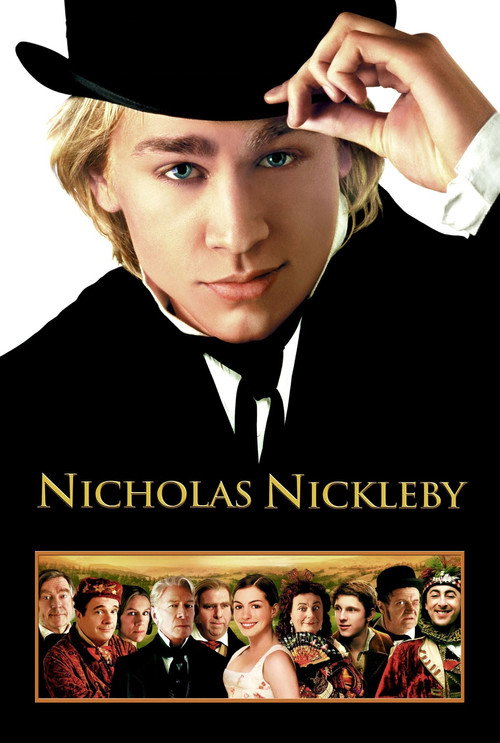
Nicholas Nickleby2002
Douglas McGrath's adaptation of another Dickens orphan tale, with the same picaresque structure and gallery of eccentrics. More whimsical than this Copperfield, but cut from identical cloth.
But The whimsy can tip into pantomime; it lacks this film's capacity for genuine sorrow.
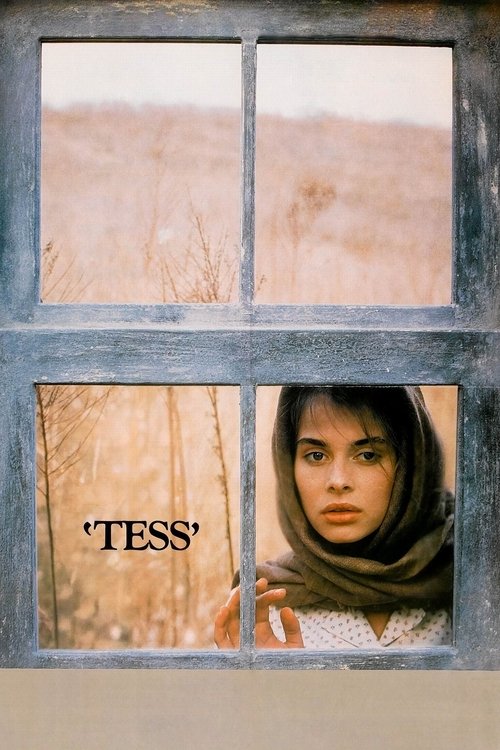
Tess1979
Roman Polanski's adaptation of Hardy's tragedy: a young woman destroyed by circumstances beyond her control and the men around her. Copperfield inverted—innocence and goodness offering no protection against the world's indifference.
But Bleak, rape, and sexually graphic for 1979; no redemption arrives and none is expected.
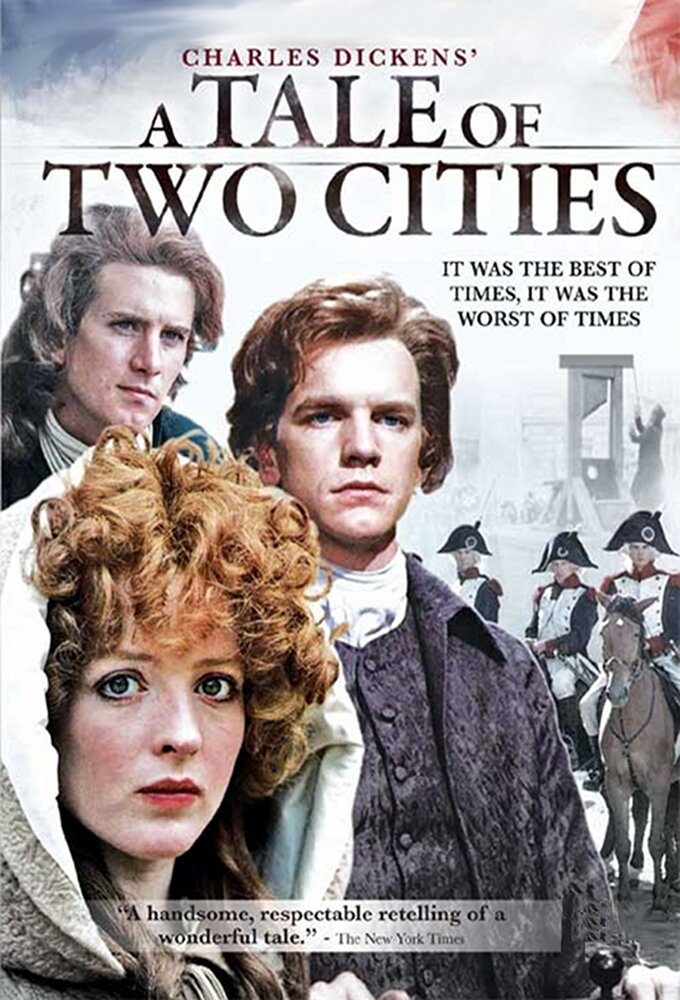
A Tale of Two Cities1989
Same author, same period, same interest in justice and love, but the television format honors digression and character in ways cinema must condense.
The BBC's serialized take on Dickens' other masterpiece, giving time to atmosphere, secondary characters, and the texture of human experience rather than rushing toward plot resolution. If you felt this 1935 Copperfield's leisure and detail, this is where serial television excels.
But Television, made for broadcast on a tight budget, without the production values of Hollywood studio craft. Distributed as episodic narrative, not as a film.
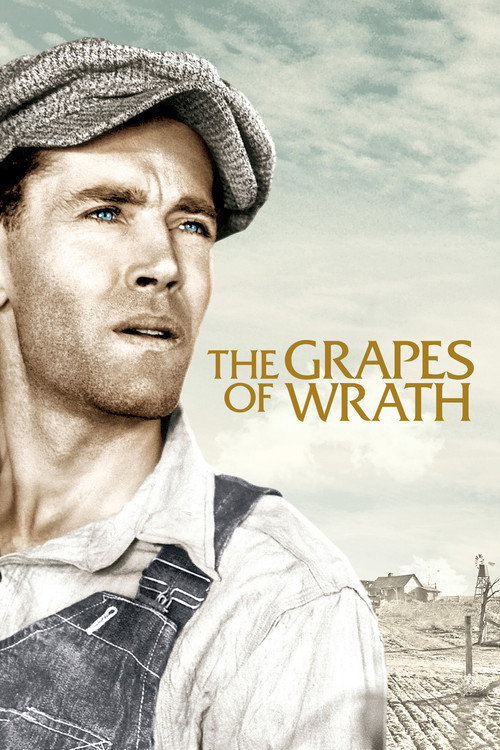
The Grapes of Wrath1940
Both follow characters through deprivation toward an understanding of kinship, but one is Victorian sentimentality and one is American social anger.
John Ford's adaptation of Steinbeck: a family's journey from stability into dispossession, finding community and solidarity instead of individual salvation. Like Copperfield, it's about survival and moral character under pressure, but American, Depression-era, and collective rather than personal.
But The social realism is fiercer and angrier; there's no sentimentality here, and Ford's sympathy is harder-won than Dickens'.
People
Cast
 Freddie BartholomewDavid Copperfield as a Boy
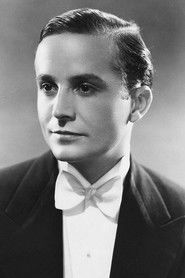 Frank LawtonDavid Copperfield as a Man
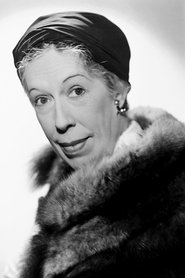 Edna May OliverAunt Betsey Trotwood
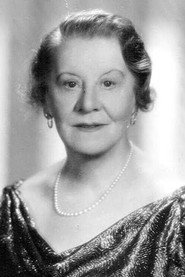 Jessie RalphClara Peggotty
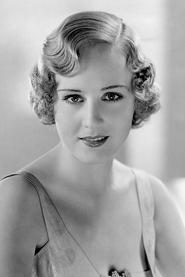 Madge EvansAgnes Wickfield as a Woman
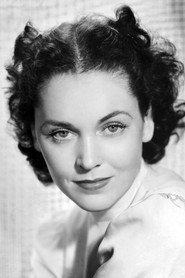 Maureen O'SullivanDora Spenlow
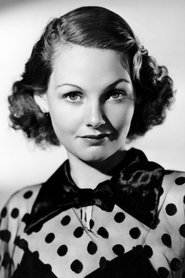 Elizabeth AllanClara Copperfield
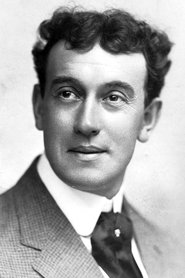 Harry BeresfordDr. Chillip
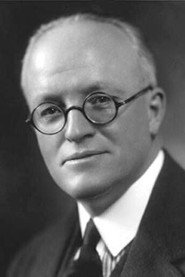 Hugh WalpoleThe Vicar
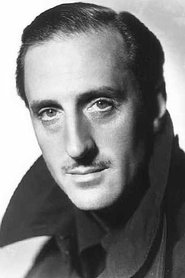 Basil RathboneMr. Edward Murdstone
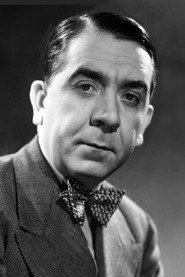 Herbert MundinBarkis
 John BucklerHam Peggotty
Directing
- Joseph M. NewmanAssistant Director
- George CukorDirector
Writing
- Hugh WalpoleAdaptation
- Charles DickensNovel
- Howard EstabrookScreenplay
Production
- David O. SelznickProducer
Recommended by
A Christmas Carol, The Adventures of Huckleberry Finn, The Pickwick Papers