
Film
Tess
- Period drama
- Very dark
Roman Polanski's Tess is a sweeping Victorian tragedy of impossible choices and class cruelty. Nastassja Kinski gives a luminous performance as a peasant girl destroyed not by sin but by circumstance and the men who exploit her. Gorgeously shot, unflinchingly bleak, it's a masterpiece about the machinery that grinds ordinary women to dust.
Should you watch it?
Watch it if you want a slow, painterly tragedy about a young woman boxed in by class and reputation, where landscape and a patient camera carry as much weight as the plot.
Skip it if you need brisk plotting or lighter moods, since this is long, grave and unhurried, and its misfortunes pile up relentlessly.
What it asks of you: It asks for nearly three hours of patience, a willingness to sit with slow scenes of farm work and weather, and a tolerance for sustained melancholy.
Not sure? Find tonight's pick in a minute.
If you liked this
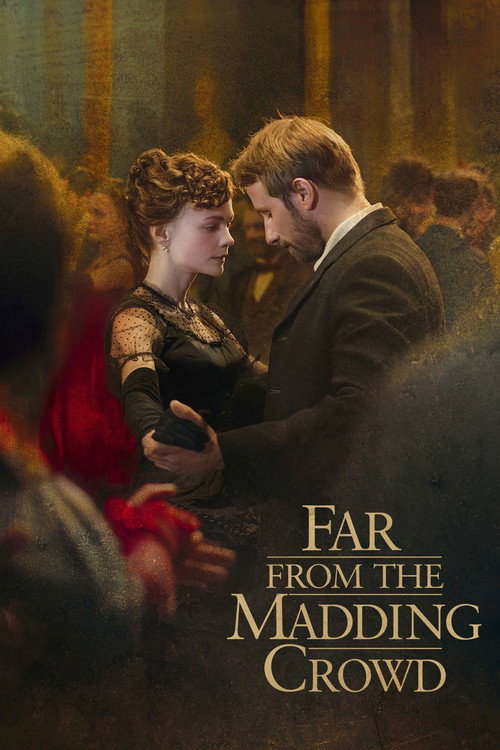
Far from the Madding Crowd2015
Another Hardy adaptation that finds the same beauty in rural hardship and romantic entanglement. Carey Mulligan carries the film with intelligence and warmth, and the landscape cinematography rivals Polanski's.
But The 2015 version feels airbrushed compared to Tess—more costume drama, less existential dread. If you want bleak, this softens the edges.
The Remains of the Day1993
An equally devastating study of how repression and duty destroy lives. Anthony Hopkins gives one of his greatest performances, and the film moves with the same deliberate pace that lets tragedy settle into your bones.
But It's very English and very interior. Some find it glacial rather than moving, and nothing happens in the plot sense.

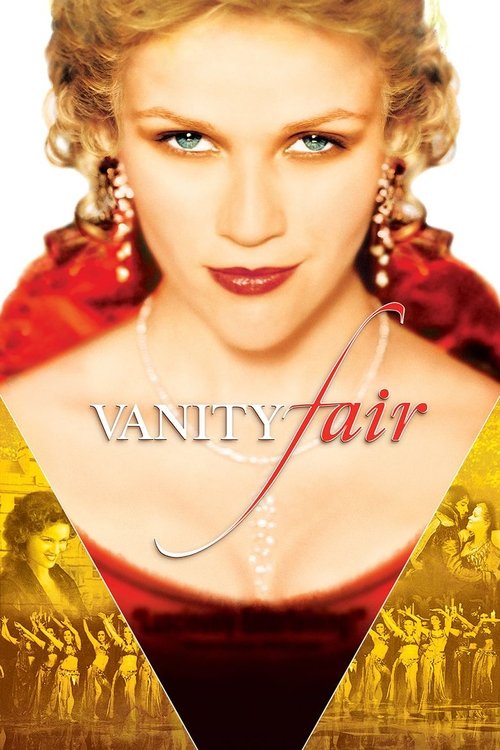
Vanity Fair2004
Mira Nair brings Thackeray's world alive with colour and chaos, following an ambitious young woman navigating sex and survival. Reese Witherspoon gives a career-best performance.
But It's considerably lighter in mood than Tess, more picaresque than tragic. The tone is almost buoyant at times.
Not sure tonight? Get a pick in a minute, starting from Tess
The wildcard
Something you would not have found on your own.
Stalker1979
Both are deliberate, visually ravishing films about the tragedy of wanting something you cannot have, made in 1979 with a faith that cinema can express the inexpressible.
Released the same year as Tess, Andrei Tarkovsky's metaphysical masterpiece is also about a journey into an unknowable realm where desire and fate collide. Both films move with meditative slowness to create overwhelming emotional weight. Shot in sepia, it shares Polanski's visual poetry and his belief that cinema should ache.
But It's 163 minutes of philosophical science fiction with barely any plot. You must surrender to its pace and opacity. Impatient viewers will find it maddening.

More like this (7)
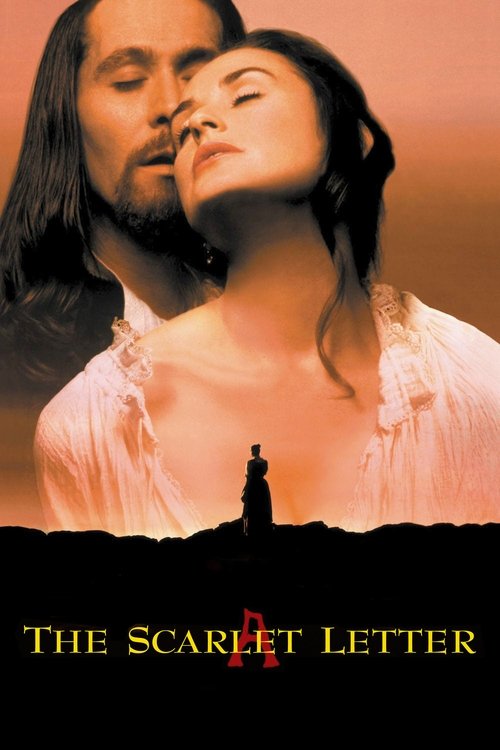
The Scarlet Letter1995
Gary Oldman and Demi Moore in an unexpectedly passionate take on Hawthorne about a woman punished for sexuality in a repressive world. Beautifully shot and emotionally raw.
But The 90s were a strange time. It's been mocked, sometimes fairly, for its melodrama and for softening the book's edges with a Hollywood ending.
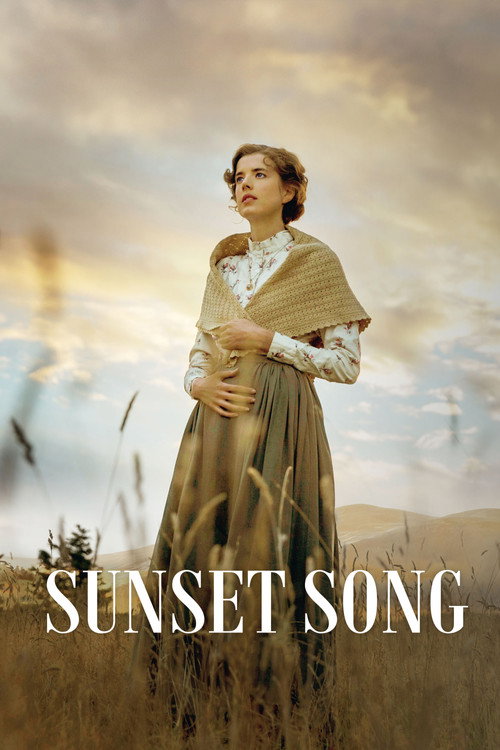
Sunset Song2015
A Scottish rural drama about a young woman enduring hardship and male violence with quiet dignity. Abi Morgan's direction finds lyricism in grief, and Ewan McGregor is heartbreaking as a brutal father.
But It's punishing to watch. The abuse is relentless and not contextualized for comfort. Some will find it exploitative rather than tragic.
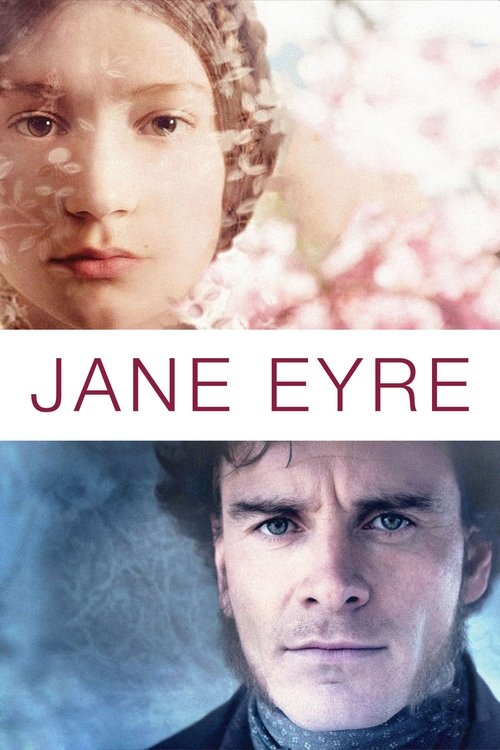
Jane Eyre2011
Cary Joji Fukunaga's version strips away Victorian gentility to find something wilder. Mia Wasikowska and Michael Fassbender ignite with genuine erotic tension, and the gothic atmosphere is palpable.
But It's very dark and very sensual in ways that will unsettle some viewers. The romance plot might feel secondary to the psychological torment.
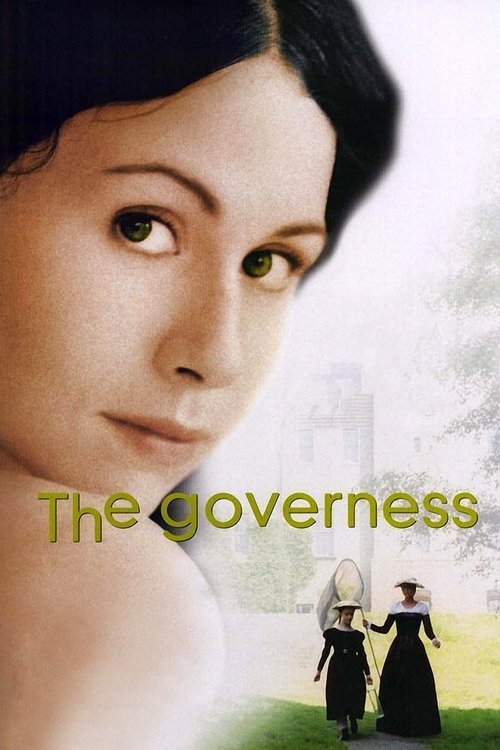
The Governess1998
A provocative film about a Jewish woman posing as a Christian governess in Victorian Scotland. It explores desire, deception, and the claustrophobia of enforced identity with intelligence and genuine heat.
But It's sexually explicit and formally unusual. The narrative is fragmented, and some find the tone unstable between eroticism and tragedy.
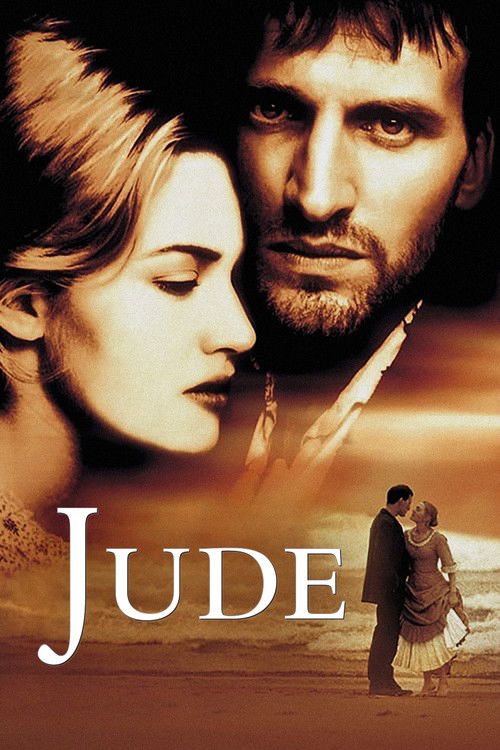
Jude1996
Another Hardy adaptation, bleak and focused on a working-class man whose aspirations and loves destroy him. Christopher Eccleston and Kate Winslet are extraordinary, and it matches Tess's sense of inevitable doom.
But It ends catastrophically. There is no redemption, no hope, and some sequences are genuinely horrifying. It's one of the grimmest films ever made.
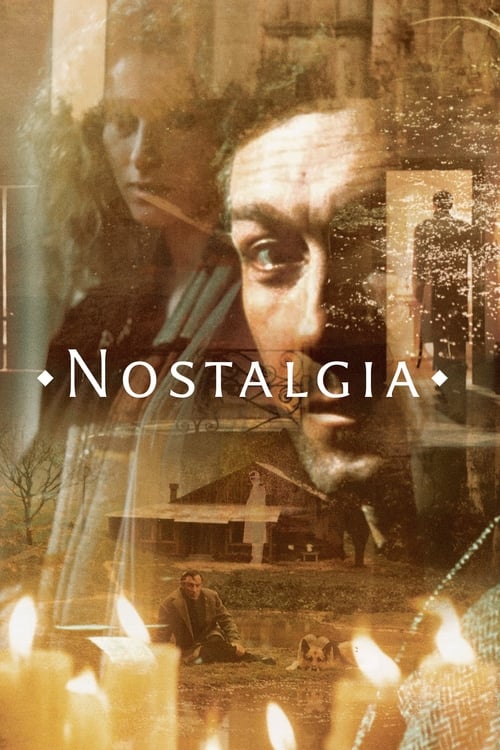
Nostalgia1983
Both films trust that watching someone suffer with dignity in a beautiful setting is enough. Both find tragedy not in plot but in the gap between desire and reality.
Sokurov's haunting study of a Russian poet in Italy wrestling with displacement, memory, and spiritual emptiness. Like Tess, it's a chamber piece about a solitary figure at odds with the world, shot with painterly precision and a devastating understanding of how art and beauty cannot save us.
But It's meditative to the point of stasis. There's minimal plot, long takes of landscape, and an ending that refuses catharsis. Some will find it pretentious or simply boring.
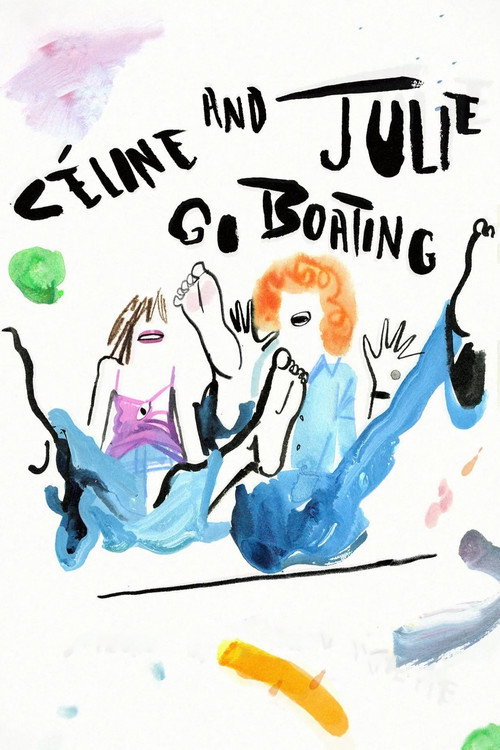
Céline and Julie Go Boating1974
Both are female-centred films about agency and entrapment, but where Polanski shows the machinery grinding, Rivette imagines escape through imagination and sisterhood—a wildly different response to the same historical moment.
Rivette's dreamy, playful metafilm about two women who slip in and out of a ghost story, rewriting it each time. Where Tess is linear tragedy, this is circular magic—but both explore how women navigate worlds designed to trap them, and both use cinema itself as the means of understanding.
But It's experimental and demands active watching. Narrative is fragmented, the tone is whimsical rather than realistic, and at 193 minutes it requires genuine patience and goodwill.
People
Cast
 Nastassja KinskiTess Durbeyfield
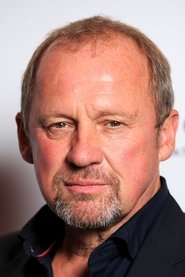 Peter FirthAngel Clare
 Leigh LawsonAlec d'Urberville
 John CollinJohn Durbeyfield
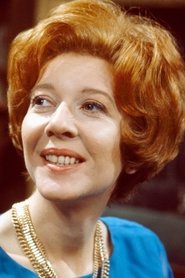 Rosemary MartinMrs. Durbeyfield
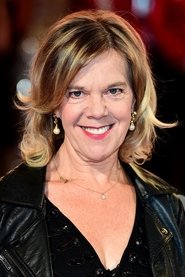 Carolyn PicklesMarian
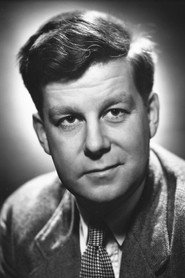 Richard PearsonVicar of Marlott
- David MarkhamReverend Mr. Clare
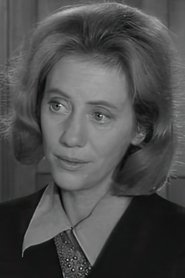 Pascale de BoyssonMrs. Clare
 Suzanna HamiltonIzz Huett
- Caroline EmblingRetty
- Tony ChurchParson Tringham
Directing
- Sylvette BaudrotContinuity
- Roman PolanskiDirector
- Thierry ChabertFirst Assistant Director
- Hugues de LaugardièreSecond Assistant Director
- Romain GoupilSecond Assistant Director
- Hercules BellvilleSecond Unit Director
Writing
- Thomas HardyNovel
- Gérard BrachScreenplay
- John BrownjohnScreenplay
- Roman PolanskiScreenplay
Production
- Jean-Pierre RassamAssociate Producer
- Mary SelwayCasting
- Timothy BurrillCo-Producer
- Pierre GrunsteinExecutive Producer
- Jérôme JeannetLocation Manager
- Philippe DesmoulinsLocation Manager
- Claude BerriProducer
- Colette SuderProduction Accountant
- Jeannie StoneProduction Assistant
- Marguerite ThéouleProduction Assistant
- Paul MaigretProduction Manager
- Josée Bénabent-LoiseauPublicist
- Andrea PotterResearcher
- Alain DepardieuUnit Manager
Recommended by
Whistle Down the Wind, Far from the Madding Crowd, The Portrait of a Lady, Wuthering Heights, Lady Macbeth, Mouchette, Heat and Dust, Far from the Madding Crowd, The Governess, A Woman's Life, Madame Bovary, Jude, Sunset Song, The Return of the Native, I Capture the Castle, A Summer Story, David Copperfield, Cousins, Madame Bovary, The Bengali Night, Moll Flanders, Effi Briest, The Wings of the Dove, The Scarlet Letter, The Woman In White, The Marquise of O, A Lady to Love, South Riding, First Girl I Loved, Ethan Frome, My Brilliant Career, Miss Julie, The Story of Sin, Fanny by Gaslight, Salome