
Film
A Woman's Life
A restrained adaptation of Maupassant's novel about a woman's slow disillusionment across decades of provincial marriage. It moves with the patience of lived time, watching Jeanne's romantic ideals crumble against her husband's cruelty and indifference. Measured, melancholic, for those who find beauty in quiet devastation.
Should you watch it?
Watch it if you like a observant period piece where the drama lives in small humiliations and in the gap between what someone hopes for and what the world allows, rendered with restraint rather than melodrama.
Skip it if you need plot momentum or a sharp, escalating story; this moves at the pace of its era, letting days and disappointments accumulate without much forward propulsion.
What it asks of you: Settle in for under two hours of unhurried scenes, patient with silence and close attention to faces and furniture, with weight that builds gradually rather than arriving in big moments.
Not sure? Find tonight's pick in a minute.
If you liked this
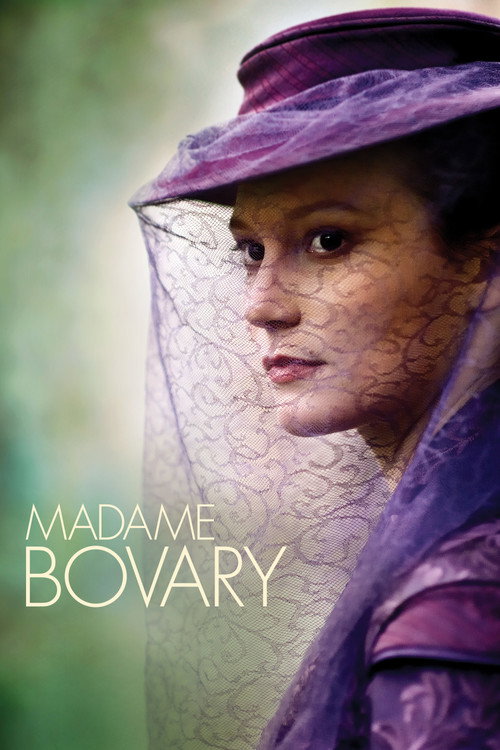
Madame Bovary2015
Another Maupassant heroine crushed by provincial life and marriage. Gemma Arterton brings the same intensity of thwarted longing, and the film matches the novel's withering eye for how women's dreams die in small towns.
But The earlier 1991 version is better loved, and this one can feel overstuffed trying to contain the novel's scope in two hours.
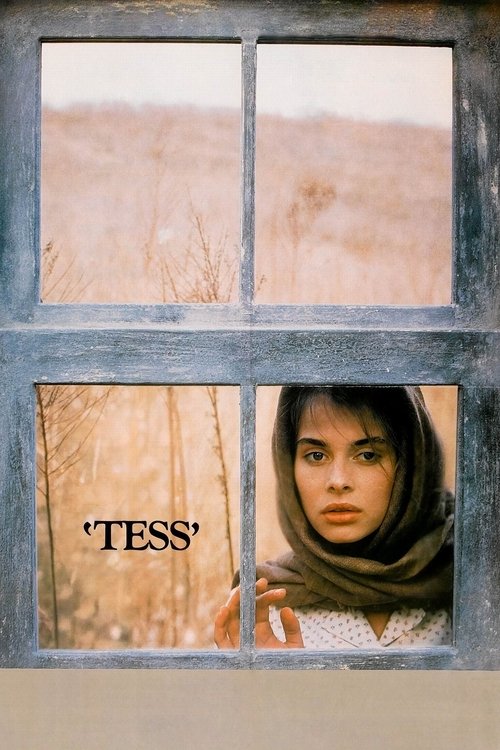
Tess1979
Polanski's masterpiece about a young woman destroyed by circumstances beyond her control. Like Jeanne, Tess is fundamentally decent and caught by forces larger than individual will. Operatically tragic where A Woman's Life is intimate.
But Three and a half hours, and oppressively bleak. You will leave devastated. It's worth that cost, but know what you're signing up for.
The Remains of the Day1993
Same structure: a lifetime of quiet, systematic self-erasure. Anthony Hopkins as a man married to duty instead of a woman, watching his authentic self disappear. The recognition of what you've lost only comes at the end.
But Very English restraint can read as coldness. The emotional climax is a single conversation; if you need bigger catharsis, you'll feel cheated.

Not sure tonight? Get a pick in a minute, starting from A Woman's Life
The wildcard
Something you would not have found on your own.
The Leopard1963
Both chronicle the slow extinction of a human being within institutional structures they cannot escape, finding beauty only in the precision with which that extinction is documented.
Visconti's masterpiece of Italian aristocracy contains the same truth: that people of taste and sensibility are powerless against historical change. The 1860s Sicilian palace is no different than Jeanne's Normandy home—both are prisons disguised as inheritances. Like A Woman's Life, it moves with the pace of actual time.
But Three hours, Italian with subtitles, almost no plot. The pleasure is entirely in decadence and observation. If you need things to happen, you will hate every minute.

More like this (7)
In the Name of the Father1993
Maupassant's fiction of female limitation has a companion piece in wrongful imprisonment. Both are about individuals crushed by systems indifferent to truth or justice. Rawer and angrier than A Woman's Life, but from the same moral place.
But Much louder and more melodramatic. If you loved the quiet of the original, this will feel like shouting.
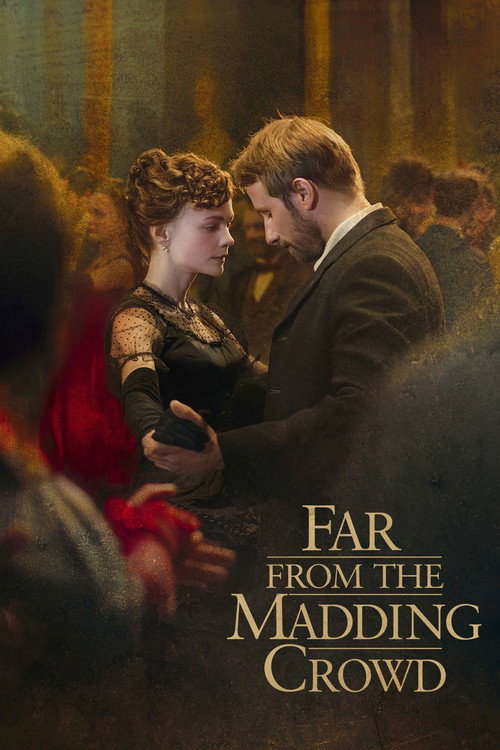
Far from the Madding Crowd2015
Bathsheba Everdene makes different choices than Jeanne and retains more agency, but she's caught in the same 19th-century mechanics of marriage and property. Hardy's novel and this film adaptation share Maupassant's unflinching view of women's options.
But More romantically inclined than A Woman's Life. If you're watching for bleakness, you'll find more optimism here than you want.
A Bigger Splash2015
Another long look at marriage as a space where cruelty and indifference accumulate. Different setting and temperament, but the same unsparing eye for how couples destroy each other across years.
But Contemporary and more sensual; it won't scratch the period-piece itch. Also considerably more volatile and dramatic than Maupassant's measured tragedy.

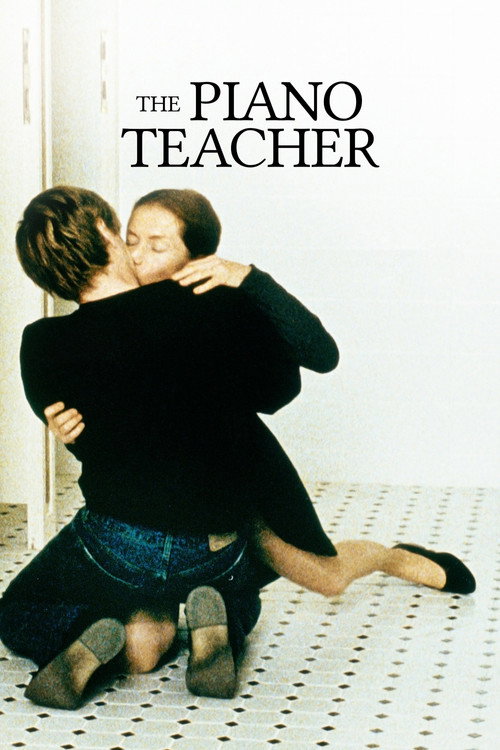
The Piano Teacher2001
Isabelle Huppert as a woman whose interior life and sexuality have been strangled by family and society. Like Jeanne, she's intelligent and aware of her own confinement, which somehow makes it worse. Brutal and precise.
But Graphic sexual content and profound psychological ugliness. This is not about making peace with suffering; it's about suffering consuming everything. Very difficult to watch.
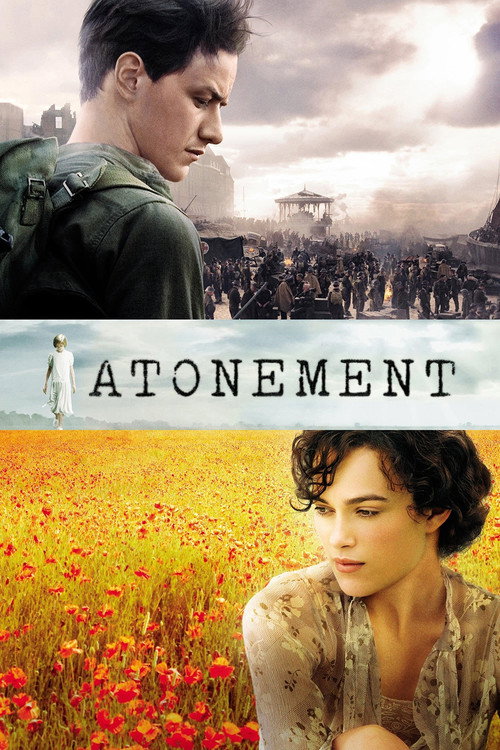
Atonement2007
Similar period setting and thematic reach: how a single misunderstanding unravels multiple lives across decades. The film moves between time periods as Jeanne's life spans years, watching how people become the things that destroy them.
But More plot-driven and romantic than A Woman's Life. If you're looking for a story without redemption or meaning-making, the ending will feel like betrayal.
Possession1981
Both understand marriage as a space where two people slowly become strangers and then enemies, watching each other meticulously as they destroy one another.
Andrzej Żuławski's baroque Polish horror about marriage as a space of escalating psychological terror. It sounds nothing like Maupassant, but it's the same subject at white heat: what happens when two people are trapped together and beginning to understand the trap. Isabelle Adjani is magnificent and unhinged.
But Surreal, sexually explicit, intensely weird, and genuinely hard to follow. This is not restrained; it's the feeling of A Woman's Life exploded into fever dream.

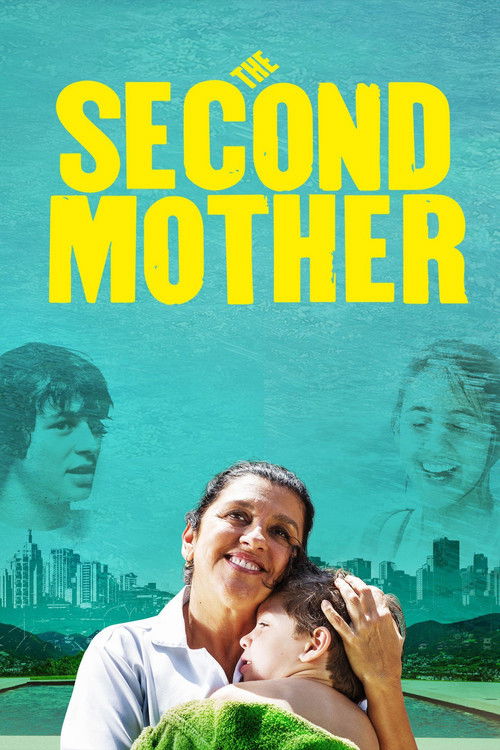
The Second Mother2015
Both are unflinching about how women's lives are constrained and shaped by forces that appear natural and inevitable; both refuse to sentimentalize that constraint or offer easy solutions.
A Brazilian film about a housekeeper's daughter who arrives to disrupt a wealthy family's routines. It's about class, about what women owe to systems that exploit them, about quiet resistance. Like Jeanne, it's precise about how women's confinement is built into the fabric of everyday life—but from the other side of the equation.
But Contemporary setting and social realism instead of period drama. Not a tragedy; instead a study of how people navigate injustice rather than succumb. If you want Jeanne's complete defeat, you won't find it here.
People
Cast
 Judith ChemlaJeanne Le Perthuis des Vauds
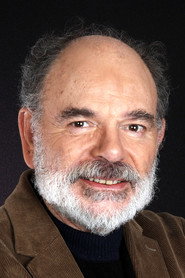 Jean-Pierre DarroussinLe baron Simon-Jacques Le Perthuis des Vauds
 Swann ArlaudJulien de Lamare
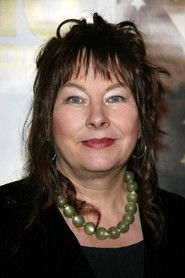 Yolande MoreauLa baronne Adélaïde Le Perthuis des Vauds
 Nina MeurisseRosalie
 Clotilde HesmeGilberte de Fourville
 Alain BeigelGeorges de Fourville
 Olivier PerrierL'abbé Picot
 Finnegan OldfieldPaul de Lamare
- François-Xavier LedouxL'abbé Tolbiac
- Lucette BeudinLa servante Ludivine
- Henri HucheloupPaul (5 ans)
Directing
- Stéphane BrizéDirector
Writing
- Guy de MaupassantNovel
- Florence VignonScreenplay
- Stéphane BrizéScreenplay
Production
- Brigitte MoidonCasting
- Coralie AmédéoCasting
- Gilles SacutoProducer
- Jacques-Henri BronckartProducer
- Jean-Louis LiviProducer
- Miléna PoyloProducer
- Olivier BronckartProducer
Recommended by
The Wife, When a Woman Ascends the Stairs, Philomena, The Last Princess, Jeanne Dielman, 23, quai du Commerce, 1080 Bruxelles, Shirley, Yi Yi, Floating Clouds, Claire's Knee, When the Tenth Month Comes, Thérèse, The Makioka Sisters, The War Is Over, Les Bonnes Femmes, One Sings, the Other Doesn't, The Aviator's Wife, Grace of Monaco, Middle of Nowhere, The Stone Angel, Summertime