
Film
Summertime
Other titles called Summertime: the 1955 film, the 2021 film.
A 1971 Paris romance about a young woman from the countryside discovering love, desire, and feminist awakening in the city. It's sensual and quietly radical, moving between intimate moments and the political ferment of its era. For anyone who loves character-driven stories about transformation and the messy reality of revolution.
If you liked this
Portrait of a Lady on Fire2019
A visually rapturous film about two women falling in love in 18th-century France, with the same attentiveness to desire, art, and the interior life that makes Summertime so compelling.
But It's deliberately paced and painterly—if you want plot momentum, you'll find it frustratingly slow.

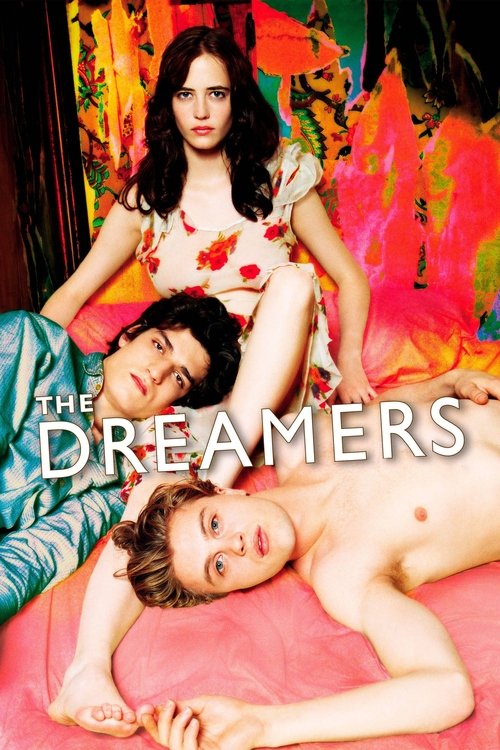
The Dreamers2003
Bertolucci's film captures 1968 Paris with sensual intensity, following a young American drawn into the world of cinema-obsessed siblings. The same intoxicated quality of discovery and forbidden desire.
But Sexually explicit and occasionally gratuitous in ways that can feel dated, and the politics are less nuanced than the eroticism.
Cléo from 5 to 71962
Agnès Varda's film follows a woman through Paris over ninety minutes, building an intimate portrait of agency and desire. It has the same attentiveness to female interiority and the city as a character.
But Structurally experimental and real-time, which means things don't accelerate the way conventional narrative would. Some find it precious.

Not sure tonight? Get a pick in a minute, starting from Summertime
The wildcard
Something you would not have found on your own.
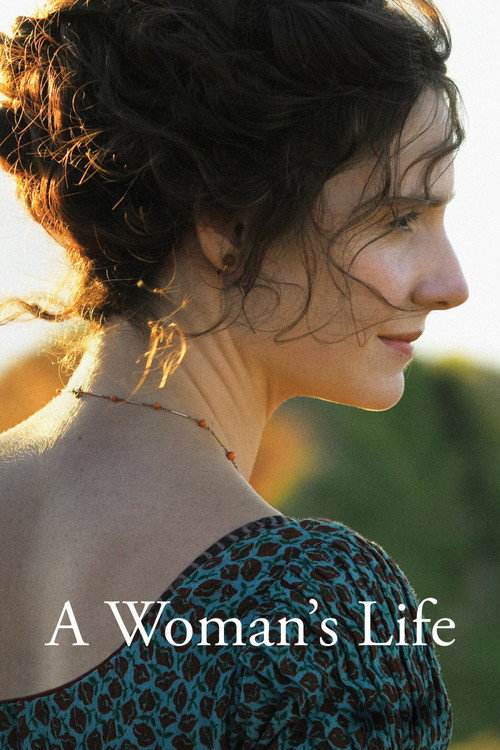
A Woman's Life2016
Both use romance and desire not as ends in themselves but as prisms to examine freedom, agency, and what women are permitted to want. Same moral seriousness.
Based on Guy de Maupassant's novel, this traces a woman's marriage and passion across decades with brutal honesty. It has Summertime's rootedness in female desire and the gap between expectation and reality, but told across a lifetime instead of a summer.
But It's genuinely bleak. There's no redemption arc or narrative catharsis—just the long slow recognition of what a woman's life actually costs.
More like this (6)
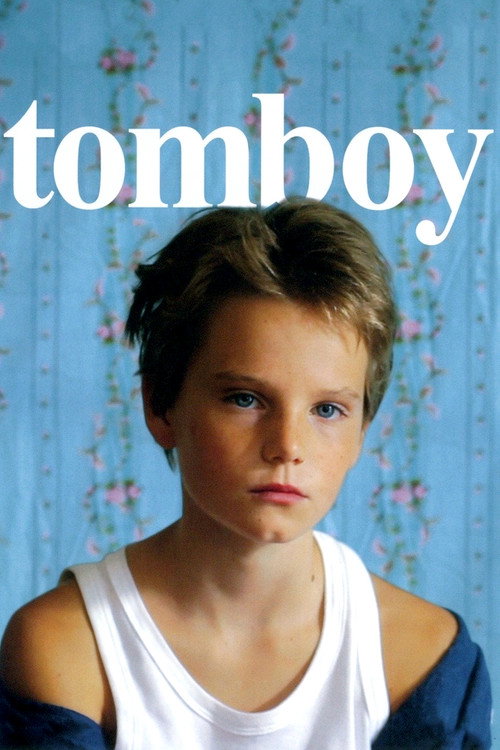
Tomboy2011
Céline Sciamma's film about a child discovering identity in a summer camp has the same delicate precision with desire and self-discovery, and the same refusal to simplify or sentimentalize.
But It's about a child grappling with gender expression, which some may find uncomfortable or confusing depending on what they bring to it.
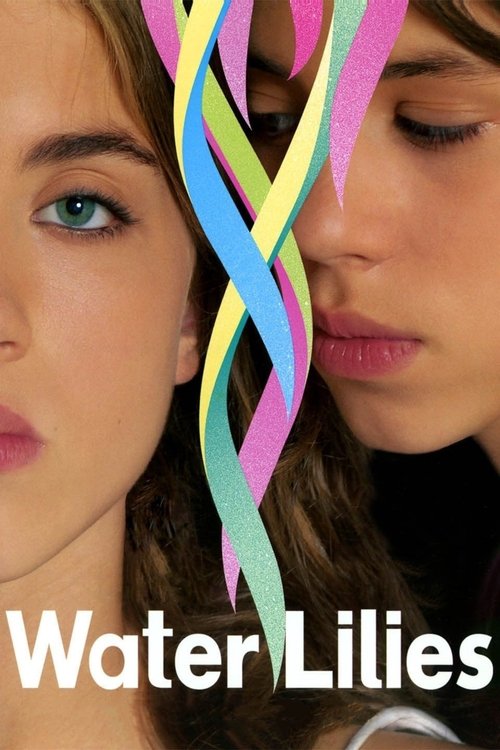
Water Lilies2007
Tonie Marshall's film about adolescent desire and friendship in a synchronized swimming world is tender, funny, and captures that moment when attraction first overwhelms you. French sensuality without pretension.
But The synchronized swimming context might feel gimmicky. It's also pretty slight—some viewers want more thematic weight.
Mona Lisa1986
Neil Jordan's film about a man newly released from prison and the sex worker he befriends has the same moral complexity and refusal to judge its characters. Dark and unsentimental about desire and connection.
But Tonally much grimmer and grittier. If you're watching Summertime for beauty, this will feel like stepping into shadow.

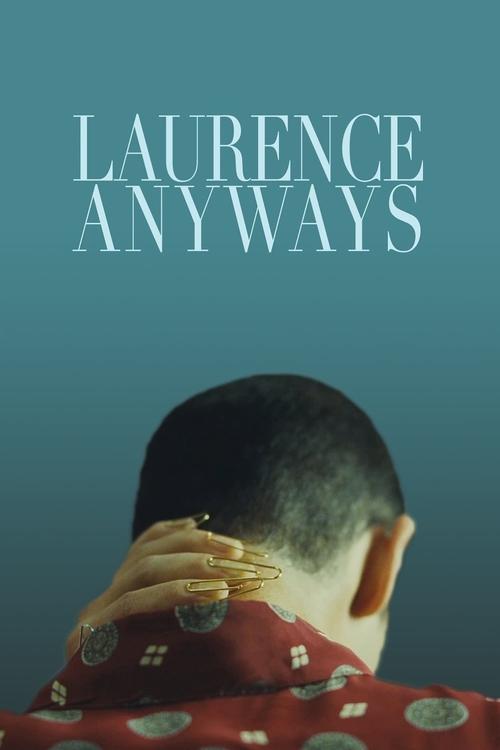
Laurence Anyways2012
Xavier Dolan's film about a trans woman and her partner navigates love, identity, and change across decades. It has Summertime's emotional intelligence and refusal to make a political statement simple.
But Nearly three hours long and wildly baroque in style—Dolan's maximalism is the opposite of restraint, which might feel exhausting.
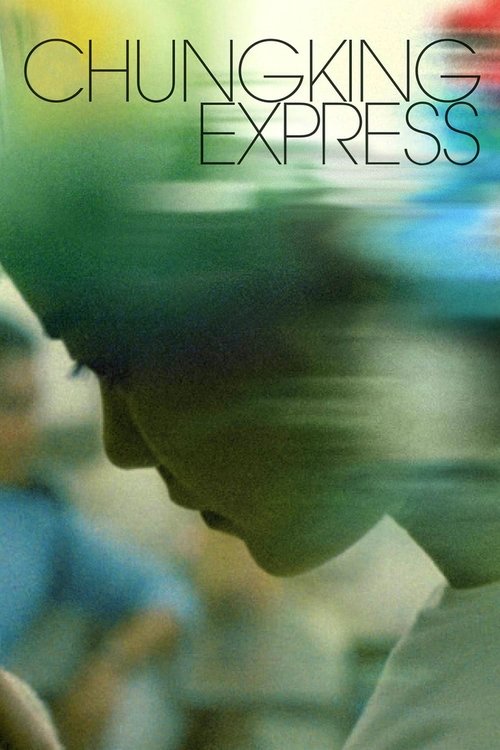
Chungking Express1994
Both films believe that love isn't about possession or permanence but about what it teaches you about yourself and the world. Both are gorgeously precise about the texture of that feeling.
Wong Kar-wai's Hong Kong masterpiece about chance encounters and fleeting connection is formally dazzling and emotionally acute. Two linked love stories told through neon light and mood. A completely different register—dreamy, stylized, almost hallucinatory—but the same attentiveness to desire as a transformative force.
But Deliberately obscure narrative structure. If you need clarity and forward momentum, this aesthetic distance will frustrate you.
Jeanne Dielman, 23, quai du Commerce, 1080 Bruxelles1976
Both films center female interiority and refuse to apologize for it. Both use time and attention as political acts. Summertime is the romance; this is the reckoning with what comes after.
Chantal Akerman's three-hour meditation on a widow's daily routine—cooking, cleaning, receiving clients—is radically unglamorous and hypnotic. It's feminist cinema at its most rigorous, insisting we look at what's usually invisible. Summertime's political awakening taken to its logical extreme.
But Three hours of a woman doing domestic work with minimal dialogue and no conventional plot. It's demanding in a way that tests patience. Many people will find it boring, and that's partly the point.

People
Cast
 Izïa HigelinDelphine
 Cécile de FranceCarole
 Noémie LvovskyMonique
 Laetitia DoschAdeline
 Kévin AzaïsAntoine
 Loulou HanssenFrançoise
 Benjamin BellecourManuel
 Sarah SucoFabienne
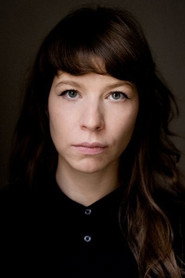 Calypso ValoisCharlotte
 Natalie BederMarie-Laure
 Bruno PodalydèsProfessor Chambard
 Antonia BuresiGeneviève
Directing
- Catherine CorsiniDirector
- Bénédicte DarblayScript Supervisor
Writing
- Catherine CorsiniScreenplay
- Laurette PolmanssScreenplay
Production
- Aurélie GuichardCasting
- Brigitte MoidonCasting
- Elisabeth PerezProducer
- Angeline MassoniProduction Manager