
Film
Summertime
Other titles called Summertime: the 1955 film, the 2015 film.
Summertime is a Los Angeles ensemble film that follows 25 young people across a single hot day, their lives intersecting through skating, tagging, music, and poetry. It's meditative and rhythmic, blending drama with musical sequences that let characters express themselves beyond dialogue. For viewers who want intimacy without plot, and who find beauty in specificity and voice.
Should you watch it?
Watch it if you like ensemble portraits that drift from one stranger to the next, where poetry and street-level banter let a single hot day feel full of small, unguarded moments.
Skip it if you need a plot with a spine, since this is a mosaic of loosely linked vignettes that can feel meandering and uneven across its ninety-five minutes.
What it asks of you: Ninety-five minutes of short, shifting encounters with loose talk and rhythm; it rewards staying loose and paying attention to the margins rather than waiting for a through-line.
Not sure? Find tonight's pick in a minute.
If you liked this
Moonlight2016
Three chapters of a young man's life in Miami, told with poetic precision and long, observant takes. Like Summertime, it privileges mood and internal life over plot mechanics, and finds profound beauty in overlooked people.
But Deliberately paced and visually sparse. If you need constant forward momentum or explicit emotional statements, it will feel slow.

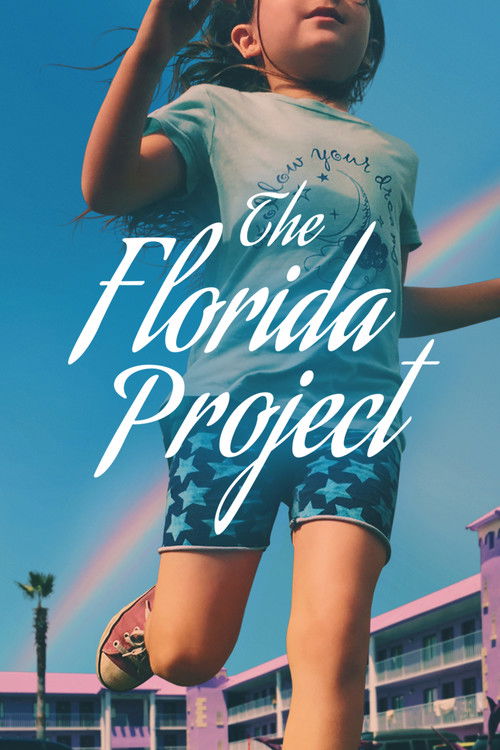
The Florida Project2017
A lyrical look at childhood and precarity in Orlando, where a six-year-old and her mother navigate motels and dignity. Shares Summertime's gift for finding grace in everyday struggle and making minor characters feel fully alive.
But No heroic narrative arc. The ending doesn't resolve anything, and some will find that frustrating rather than moving.
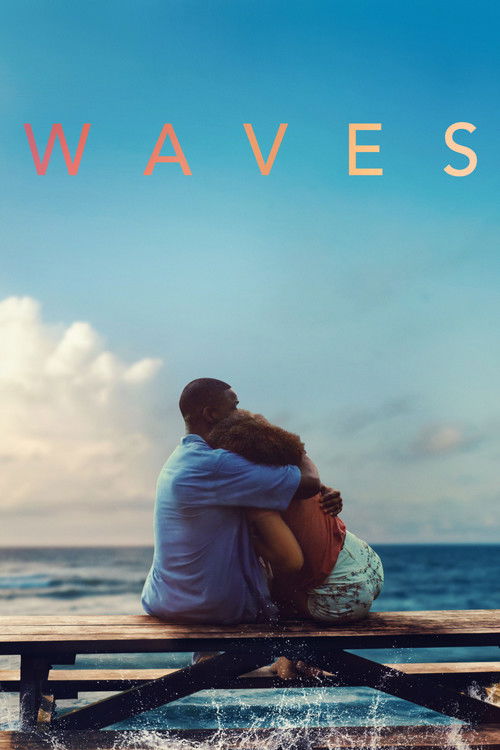
Waves2019
An ensemble portrait of a Black family in South Florida dealing with trauma and recovery. Visually gorgeous, emotionally raw, and like Summertime, it trusts visual storytelling and character accumulation over conventional plotting.
But The first half is nearly unbearable in its intensity. If you're watching for catharsis, the journey to get there is punishing.
Not sure tonight? Get a pick in a minute, starting from Summertime
The wildcard
Something you would not have found on your own.
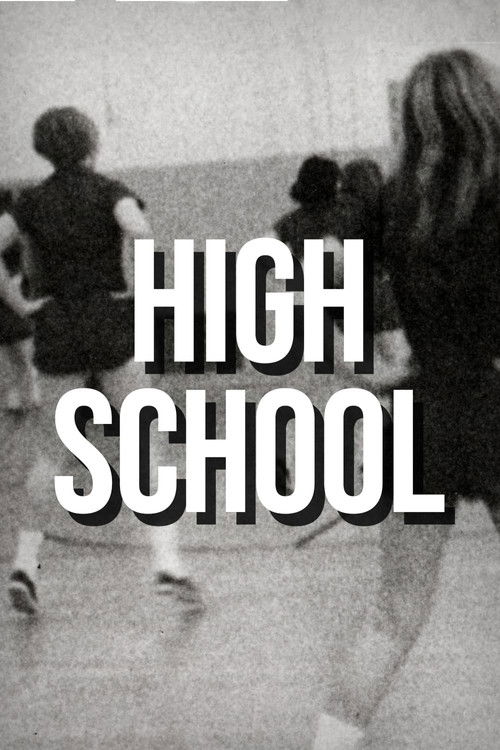
High School1969
Both refuse to judge their subjects or impose meaning. They simply watch, and let accumulation of detail build toward understanding.
Frederick Wiseman's observational documentary about a Philadelphia high school, unfolding across a single academic year. No narration, no music—just the camera watching teachers, administrators, and students navigate authority and institution. A spiritual ancestor to Summertime's ensemble observationism.
But Black and white, fifty-six years old, and the pacing assumes you have nowhere to be. It's a commitment, not a viewing.
More like this (8)
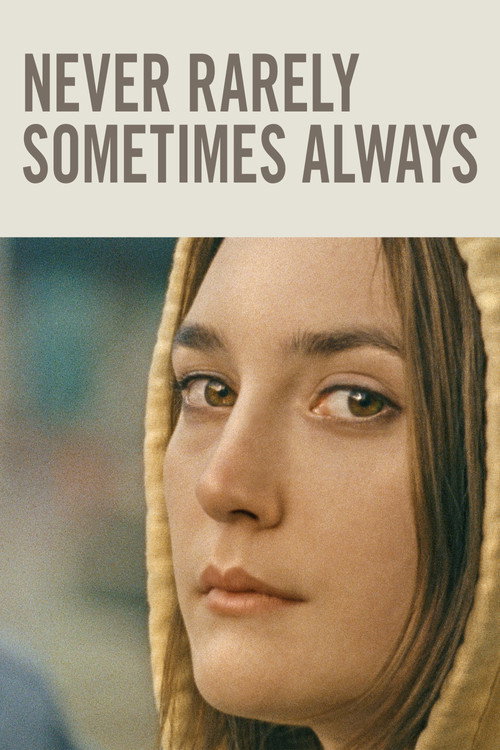
Never Rarely Sometimes Always2020
Two teenage girls navigate New York City across a few days, with dialogue so sparse and naturalistic it almost disappears. The film watches rather than judges, and finds profound humanity in small gestures and silences.
But Glacially paced and deliberately unglamorous. There are scenes of bodily indignity that some viewers will find gratuitous.
Parable of the Sower
An adaptation of Octavia Butler's novel that captures generational trauma and resilience through interconnected Black lives. Blends speculative elements with intimacy, finding poetry in survival and community.
But More plot-driven than Summertime, and some of the near-future world-building feels underbaked. Tonal shifts can feel abrupt.
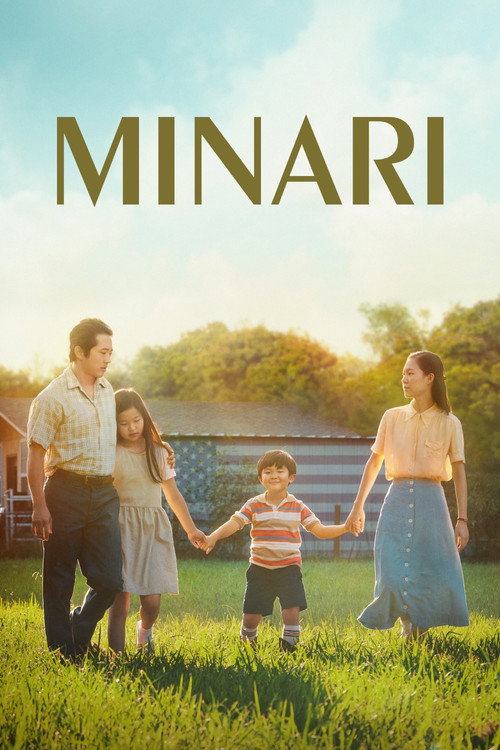
Minari2021
A multigenerational portrait of a Korean-American family building a farm in Arkansas. Small in scale but emotionally vast, it captures the specific texture of immigrant life with warmth and unsentimental honesty.
But Quietly tragic beneath its surface beauty. Not everyone will connect with a narrative more interested in texture than resolution.
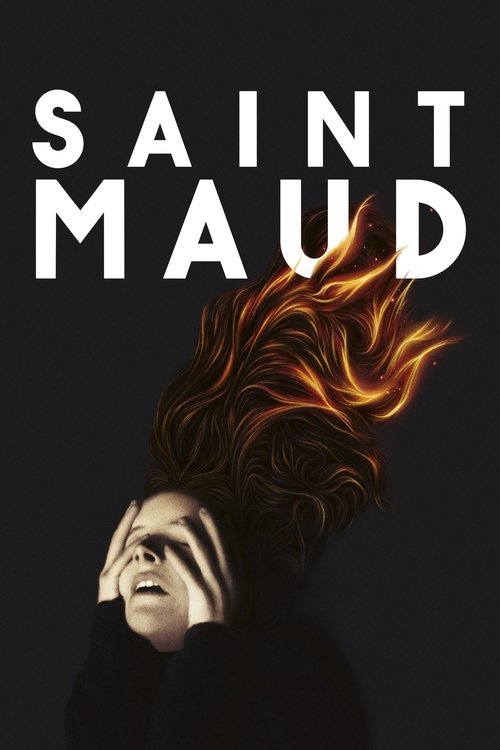
Saint Maud2020
A claustrophobic psychological portrait of a caregiver's unraveling in a seaside English town. Hypnotic and very strange, it shares Summertime's interest in interior lives expressed through unconventional means.
But Cryptic and sometimes incoherent. The final act asks you to piece together what's real and what's delusion, and not everyone appreciates that ambiguity.
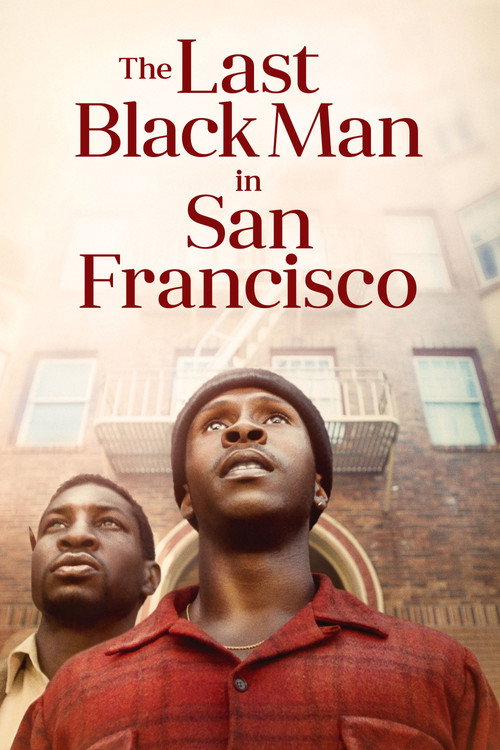
The Last Black Man in San Francisco2019
A meditation on displacement and gentrification told through the friendship of two young men navigating their hometown. Poetic cinematography, a jazzy score, and characters who feel fully imagined beneath the film's beautiful surface.
But Narrative momentum is minimal. It's more about atmosphere and what's unsaid than about watching events unfold.
American Honey2016
A road movie following a group of struggling young people selling magazines across America, led by a magnetizing performance. Sprawling and messy and full of observed life, it captures a particular American precarity.
But Indulgent and occasionally shapeless. It's nearly three hours, and some viewers will feel it meanders without earning its length.

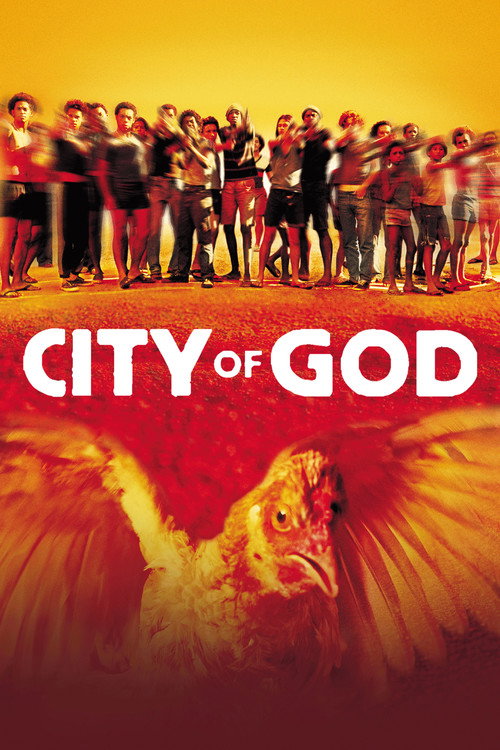
City of God2002
Both are kaleidoscopic portraits of young people in a specific place, where the location itself is almost a character, and where individual stories matter less than the texture of collective life.
A Brazilian film following dozens of interconnected lives in a Rio favela across three decades. Visually explosive and energetic, using music, style, and kinetic editing to bring a community alive—a very different formal approach to similar thematic terrain.
But Stylistically maximalist and sometimes gratuitously violent. The energy can feel exploitative if you're not in sync with its register.
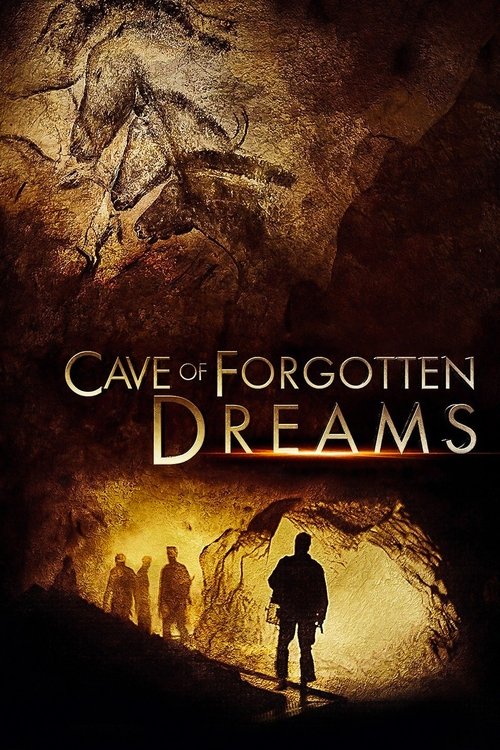
Cave of Forgotten Dreams2010
Like Summertime, it's fundamentally interested in how humans express themselves—what we make, what we say, what needs to be communicated beyond the practical. Both suggest that expression is survival.
Werner Herzog's 3D documentary about the oldest known human paintings, found in a French cave. Part archaeology, part philosophy, part Herzog's own meditations on art and time. Hypnotic and strange, it's about human expression across millennia—poetry made visible.
But It's a ninety-minute essay with almost no conventional narrative. If you need plot or character arcs, this will perplex you.
People
Cast
- Marquesha BabersMarquesha
- Bryce BanksAnewbyss
- Bene't BentonBene't
- Amaya BlankenshipAmaya
- Mila CudaMila
- Gabriela de LunaAlejandra (Paulina's mother)

- Walter Finnie Jr.Walter
 Alyssa KimDiane
- Gordon IpGordon
Directing
- Sean WangAssistant Director
- Carlos López EstradaDirector
- Marc KellyFirst Assistant Director
- Betty AustinScript Supervisor
- Sarah BalboaSecond Assistant Director
Writing
- Dave HarrisScreenplay
Production
- Vero KompalicAssociate Producer
- John WilliamsCasting
- Karmen LeechCasting
- Andrew BlauExecutive Producer
- Kelly Marie TranExecutive Producer
- Neil GarveyExecutive Producer
- Patrick MurrayExecutive Producer
- Kat BarnetteLine Producer
- David HunterLocation Manager
- Alisa TagerProducer
- Carlos López EstradaProducer
- Diane Luby LaneProducer
- Jeffrey SorosProducer
- Kimberly StuckwischProducer
- Simon HorsmanProducer
- Adam Wyatt TateProduction Manager
- Olivia CristProduction Supervisor