
Film
Never Rarely Sometimes Always
A quiet film about two teenage girls from rural Pennsylvania who travel to New York City seeking abortion care. It's tender and unflinching, intimate without being invasive, shaped by long silences and the texture of ordinary moments. For anyone who values cinema that trusts its audience to feel without being told how.
Should you watch it?
Watch it if you want patient, observational realism that trusts silence and small gestures, where the quiet between two friends says more than dialogue ever could.
Skip it if you need a plot that escalates or a score telling you how to feel; this is restrained and bleak, with little warmth or release.
What it asks of you: Running just over an hour and forty minutes, it moves slowly through long takes and held silences, and it rewards sustained attention over quick emotional payoffs.
Not sure? Find tonight's pick in a minute.
If you liked this
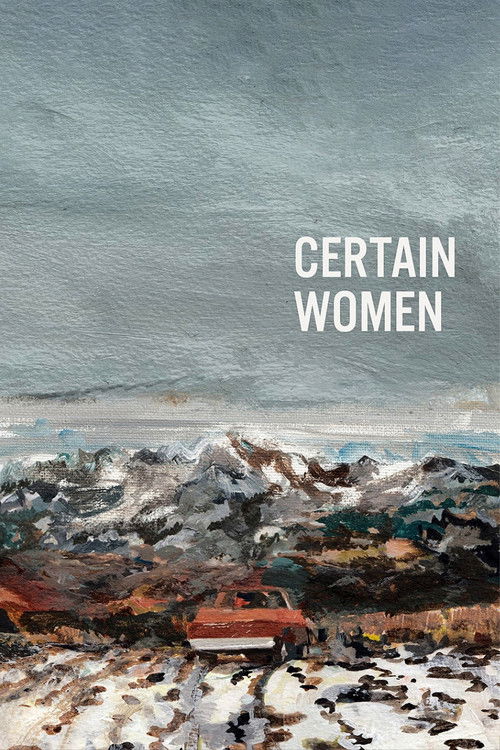
Certain Women2016
Reichardt's meditation on female lives in rural Montana—quiet, patient, observant. Like Never Rarely Sometimes Always, it finds drama in small gestures and the space between words. Beautifully composed and deeply humane.
But Deliberately slow and withholding. If you need clear narrative momentum or explicit emotional climaxes, this will feel glacial and remote.
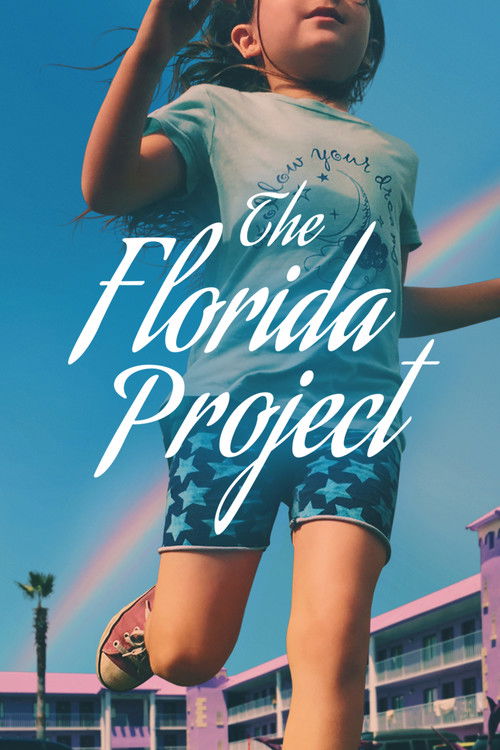
The Florida Project2017
Captures childhood and poverty with such tenderness it breaks your heart without sentimentality. Sean Baker's eye for authentic detail and his refusal to pity his characters mirrors Reichardt's approach to her teenage protagonists.
But The ending is devastating in a quiet way that some find unsatisfying. Doesn't resolve so much as stop, leaving you with the weight of what you've witnessed.
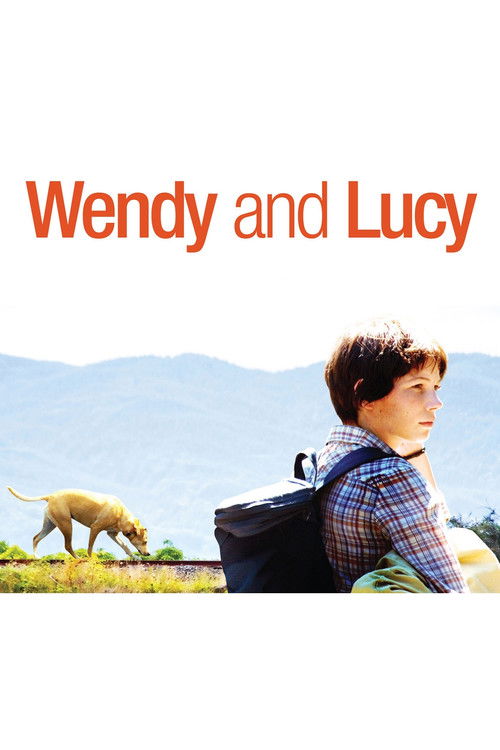
Wendy and Lucy2008
Reichardt again, examining survival and small decisions with extraordinary empathy. Michelle Williams' barely-there performance captures the kind of emotional restraint that Never Rarely Sometimes Always uses so effectively.
But Extremely austere. Long stretches of watching someone navigate bureaucracy and hardship. Some find it depressing rather than moving.
Not sure tonight? Get a pick in a minute, starting from Never Rarely Sometimes Always
The wildcard
Something you would not have found on your own.
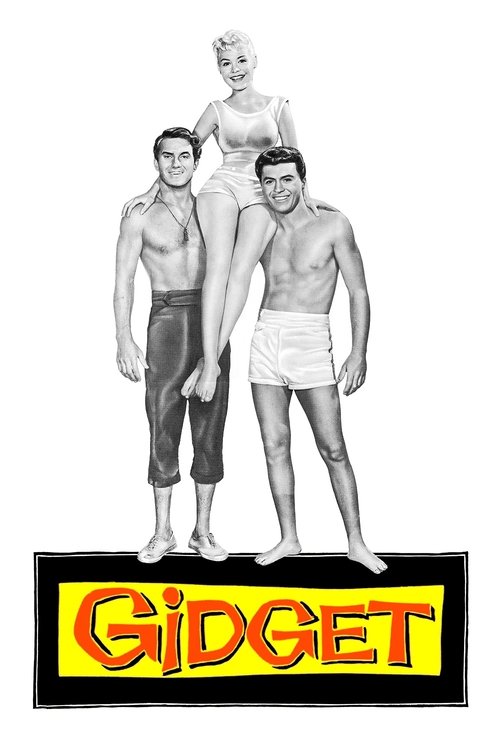
Gidget1959
Both are fundamentally about a girl claiming the right to her own choices despite pressure to be otherwise. Just one got Cheerios and a beach blanket.
A teen girl claiming agency in a male-dominated space—the beach and surfing culture. Like Never Rarely Sometimes Always, it's about a young woman navigating desire, independence, and adult expectations, but wrapped in bubblegum and sunshine. Seeing how differently the same struggle was filmed across eras is revelatory.
But Tonally, it's a world away: bright, romantic, eager to please. If you're watching for Reichardt's ascetic style, this will feel frothy and dated. The gender politics, while surprisingly progressive for 1959, are still 1959.
More like this (6)
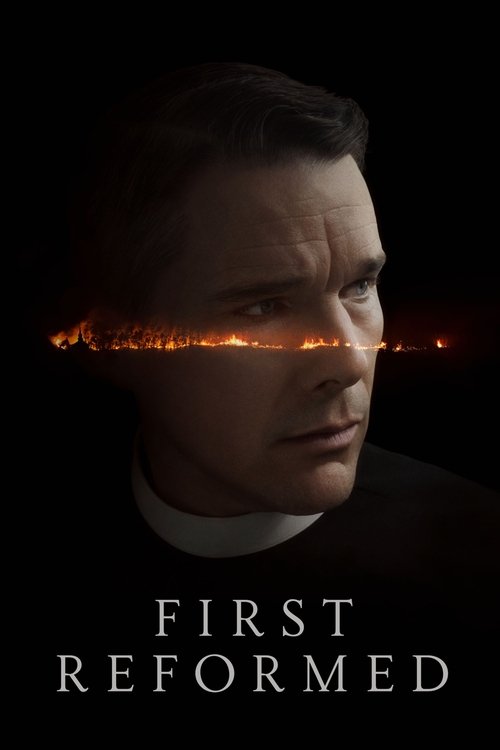
First Reformed2018
Schrader's aching portrait of spiritual crisis and moral paralysis. Like Reichardt's work, it's serious and slow, finding profound questions in mundane moments and uncertain faith.
But Deeply bleak. Ethan Hawke's priest is drowning in despair, and the film doesn't offer easy comfort. Requires patience with sadness.
The Farewell2019
Lulu Wang's film about a family keeping a terminal diagnosis secret shares the specificity and emotional intelligence of Never Rarely Sometimes Always. Warm, funny, and ultimately devastating—it honors contradiction.
But The tonal shifts between comedy and grief might feel uneven. Some viewers want films to pick a lane and stay there.

Moonlight2016
Barry Jenkins' three-act portrait of a Black man's interior life. Like Never Rarely Sometimes Always, it's built from silences, glances, and the things characters don't say. Profoundly moving without manipulation.
But Fractured structure across three time periods. The lack of conventional plot propels some viewers, paralyzes others.

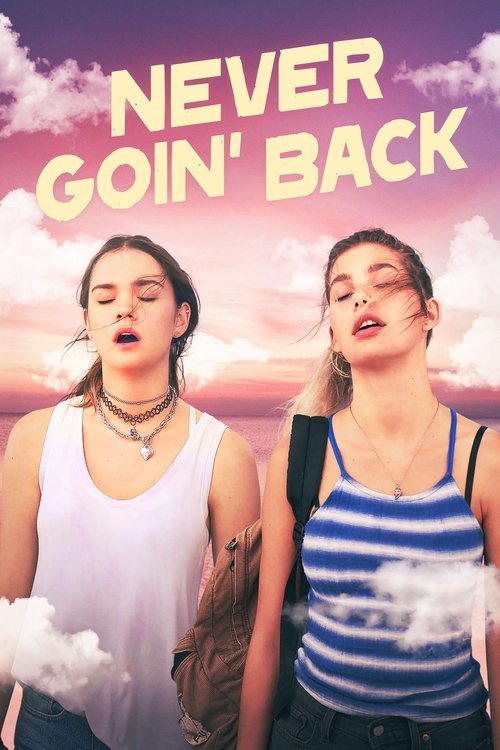
Never Goin' Back2018
Augustine's rough-and-tumble comedy about two young women navigating poverty and friendship. Less restrained than Reichardt, but it shares the same refusal to condescend to its characters or apologize for their lives.
But Loud and chaotic where Never Rarely Sometimes Always is quiet. The scrappy energy won't work for everyone, and it's genuinely crude in places.
La Haine1995
Both films see their young protagonists' journeys—one inward, one increasingly outward—as political. Both refuse to make their characters sympathetic in conventional ways. Both insist we take their stakes seriously.
Mathieu Kassovitz's black-and-white fever dream about three young men in a Paris banlieue. It's raw, observant, and structurally daring—a day compressed into 91 minutes of mounting tension. Like Never Rarely Sometimes Always, it treats young people's struggles as serious moral questions.
But Bleak, propulsive, and aggressively stylish. Reichardt's aesthetic couldn't be more different. Also, the ending lands like a punch and doesn't let you recover.

The Karate Kid1984
Reichardt's film is a work of art about an experience; this is the experience itself. Watching them together—one fictional and carefully composed, one documentary and raw—expands what you understand about how art and reality frame the same event differently.
An unscripted documentary about a teen abortion in Mississippi. Raw, uneasy, and utterly non-judgmental. It sits beside the actual thing Never Rarely Sometimes Always dramatizes, showing what it looks and sounds and feels like without interpretation or camera tricks.
But It's real audio and video of real people in real crisis. That directness is its entire point, and it can feel invasive or exploitative depending on your relationship to the subject. Also genuinely difficult to watch—no film craft to soften it.
People
Cast
 Sidney FlaniganAutumn
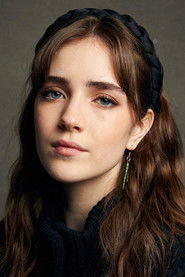 Talia RyderSkylar
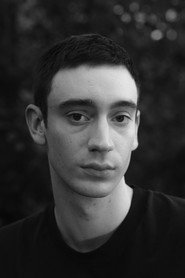 Théodore PellerinJasper
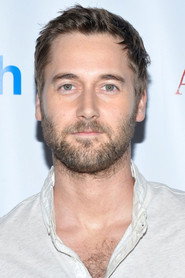 Ryan EggoldTed
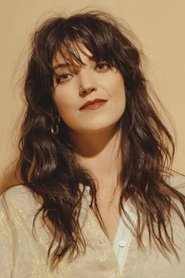 Sharon Van EttenMother
- Eliazar JimenezElvis Impersonator
- David BunetaClean Cut Teenage Boy
 Christian ClementsClean Cut Teenage Boy
- Sam DuggerClean Cut Teenage Boy
- Aurora RichardsLittle Sister
- Rose Elizabeth RichardsLittle Sister
 Brian AltemusRowdy Student
Directing
- Eliza HittmanDirector
- Alejandro RamiaFirst Assistant Director
- Michael KefeyalewScript Supervisor
- Amrita KunduSecond Assistant Director
- Keith MarlinSecond Assistant Director
Writing
- Eliza HittmanWriter
Production
- Caitlin RonanAssistant Location Manager
- Jordan DrakeAssistant Production Coordinator
- Rita WalshAssociate Producer
- Karen E. EtcoffBackground Casting Director
- Geraldine BarónCasting
- Salome OggenfussCasting
- Colin Kane HealeyCasting Associate
- Brad Becker-PartonCo-Producer
- Lara Costa CalzadoCo-Producer
- Max SilvaCo-Producer
- Tatiana BearsCo-Producer
- Alex OrlovskyExecutive Producer
- Barry JenkinsExecutive Producer
- Elika PortnoyExecutive Producer
- Lia BumanExecutive Producer
- Mark CeryakExecutive Producer
- Rose GarnettExecutive Producer
- Tim HeadingtonExecutive Producer
- Paul HamillLocation Manager
- Adele RomanskiProducer
- Sara MurphyProducer
- Samantha CheahProduction Accountant
- Angela RobertsProduction Secretary
- Ece TuranProduction Supervisor
- Lara Costa CalzadoUnit Production Manager
Recommended by
Obvious Child, Women Talking, Yes, God, Yes, Good Luck to You, Leo Grande, Wadjda, Babies, Unorthodox, The Last Black Man in San Francisco, My Brother's Keeper, The Accident, A Mouthful of Air, The Forty-Year-Old Version, Permanent Record, We Are Family, Honeycomb, Close, Cyberbully, The Mess We're In, Godspeed, Summertime, Teen Spirit, The Kindness of Strangers, Dear Evan Hansen, Hearts Beat Loud, The Layover, Songs My Brothers Taught Me, The Surrogate, Mimi, Just Another Girl on the I.R.T., All Together Now, Kajillionaire, The Janes, Phoebe in Wonderland, Rocks, I Used to Go Here, All the Bright Places, Healing, First Love, The Inevitable Defeat of Mister & Pete, Scarborough, The Silent Twins, Heartbeat, I Used to Be Darker, We the Animals, Eddie, Flower, Bridget Jones's Baby, A Respectable Woman, The Godfathers