Television series
Babies
Other titles called Babies: the 2010 film.
- Light-hearted
A Netflix documentary series that follows 15 families across their babies' first year, weaving together intimate parenting moments with cutting-edge neuroscience. It's genuinely moving without being saccharine, and illuminating without feeling like a lecture. Perfect for expectant parents, new parents desperate to understand what's happening, or anyone who finds infant development fascinating.
Should you watch it?
Watch it if you find yourself quietly fascinated by how a person's mind gets built from nothing, and you enjoy watching real families and researchers puzzle over small, ordinary moments until they turn into something profound.
Skip it if you want a story with stakes, a through-line or a narrator pushing you forward, since this is a gentle, episodic look at infancy that moves at the pace of a baby's own attention.
What it asks of you: Two seasons of roughly 51-minute episodes that drift from one milestone to the next, asking for patience with long stretches of watching ordinary family life and tiny developmental steps.
Not sure? Find tonight's pick in a minute.
If you liked this
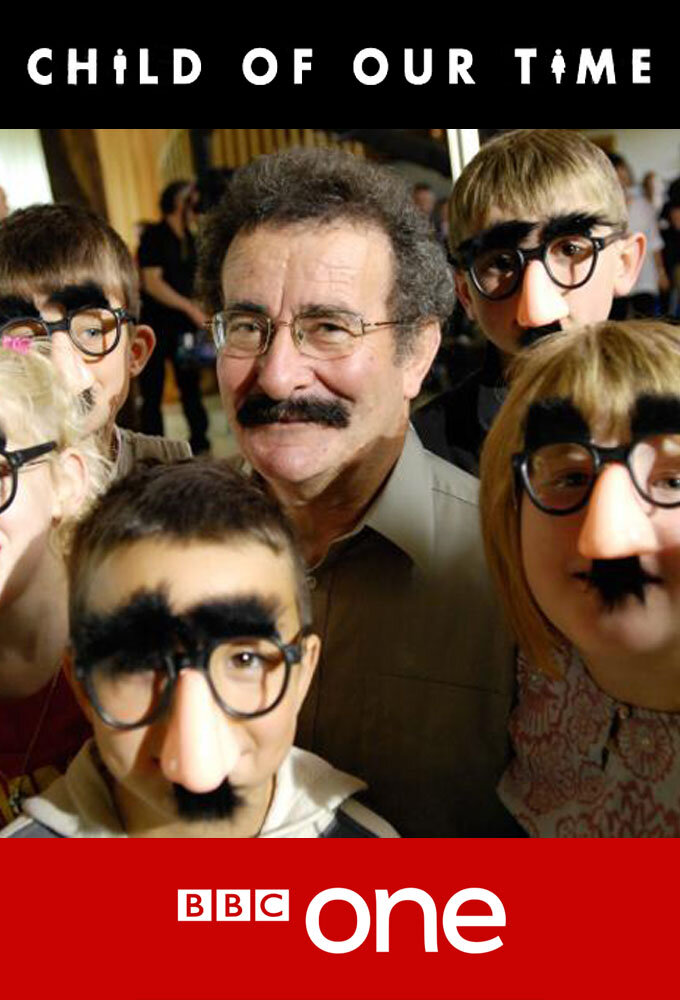
Child of Our Time2000
The original long-form parenting documentary series, following 25 British children from birth onward. It has the same scientific curiosity and intimate family access that makes Babies work, plus fascinating cross-cultural comparison.
But Older production values and a more leisurely BBC pacing. It's less glossy and the runtime commitment is genuinely substantial.
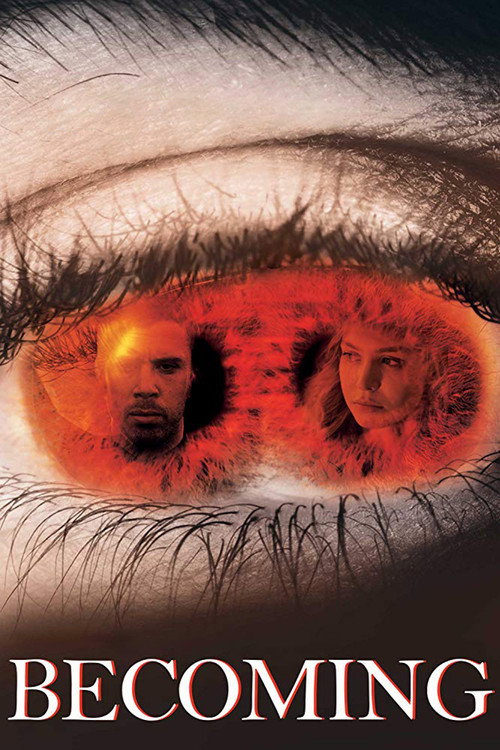
Becoming2020
Michelle Obama's documentary is fundamentally about transformation and growth—the same core idea as Babies, just applied to a whole life. It shares that sense of witnessing something fundamental change over time.
But Completely different subject matter. If you want more about babies specifically, this won't scratch that itch at all.
Life2007
David Attenborough's series on survival strategies across species. It has that same sense of wonder at biological mastery, watching creatures—human and otherwise—navigate impossible challenges with apparent ease.
But You'll be watching animals, not families. And it's more about predator-prey dynamics than parental bonds or infant development.

Not sure tonight? Get a pick in a minute, starting from Babies
The wildcard
Something you would not have found on your own.
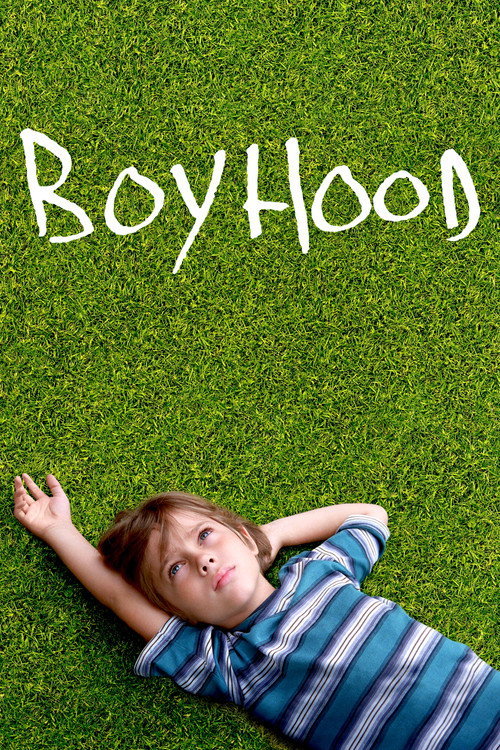
Boyhood2014
Both work by observation rather than intervention. Neither adds music stings or artificial drama. They trust that watching a person become someone new is enough.
Richard Linklater filmed the same boy and his family every year for twelve years. It's the cinematic equivalent of what Babies does in miniature—watching ordinary development happen in real time, without dramatic manipulation, trusting that growth itself is interesting.
But Three hours long and plot-light. It moves at developmental speed, which means it can feel static if you're used to narrative propulsion. Some find it tedious rather than meditative.
More like this (5)
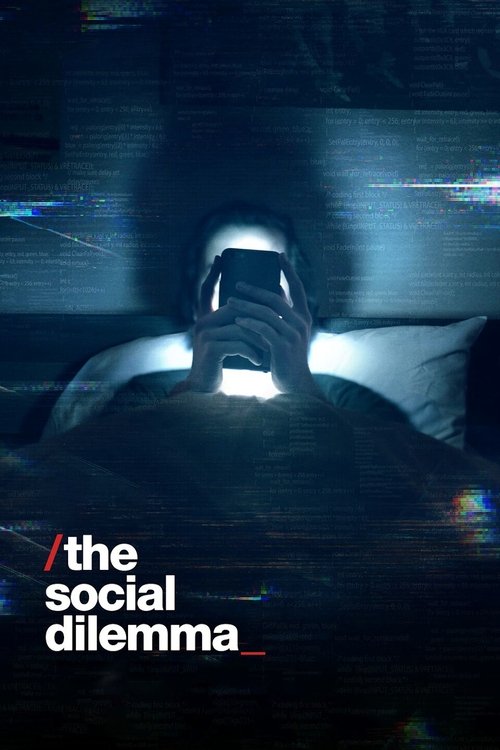
The Social Dilemma2020
Another Netflix documentary exploring how humans develop and learn, but through the lens of technology's impact on childhood. Same era, same platform, different angle on what shapes a young mind.
But Much darker in tone and agenda. It's more polemical than Babies' gentle inquiry, and the subject matter is genuinely upsetting.
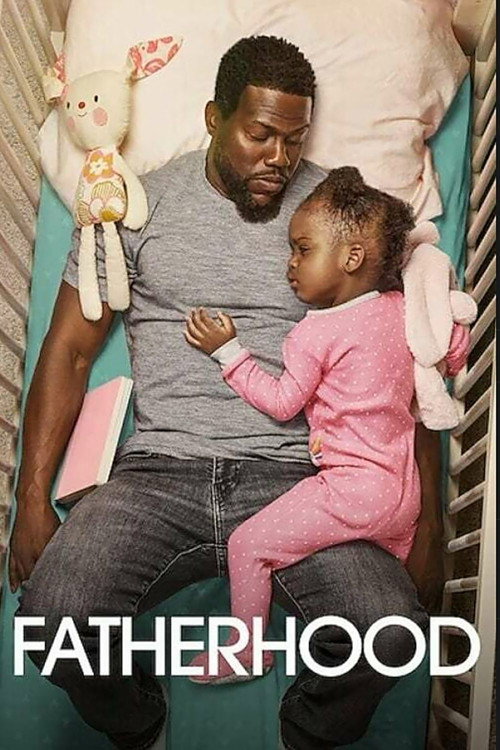
Fatherhood2021
Kevin Hart's film about single parenthood and the first year with his daughter. It's lighter and more narrative-driven than Babies, but genuinely touching about the vulnerability of new parenting.
But Significantly less scientific—more comedy-drama than documentary. If you're watching for the research angle, you'll miss it entirely.
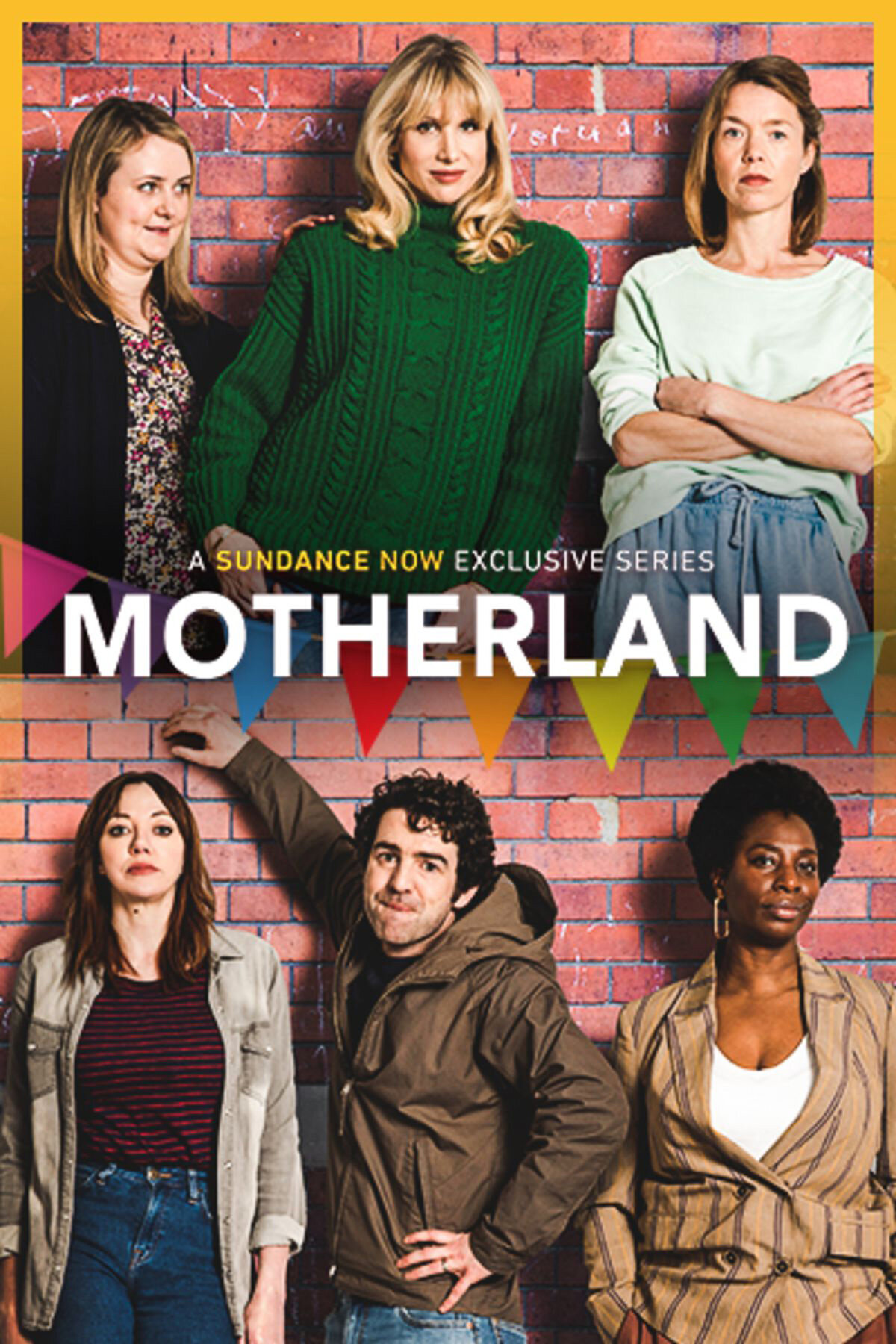
Motherland2016
A British comedy-drama that captures the chaos of early motherhood with real affection. It's not a documentary, but it understands the bewilderment and joy of that first year better than most fiction.
But Comedy means it prioritizes laughs over accuracy. The developmental details are background noise to relationship drama.
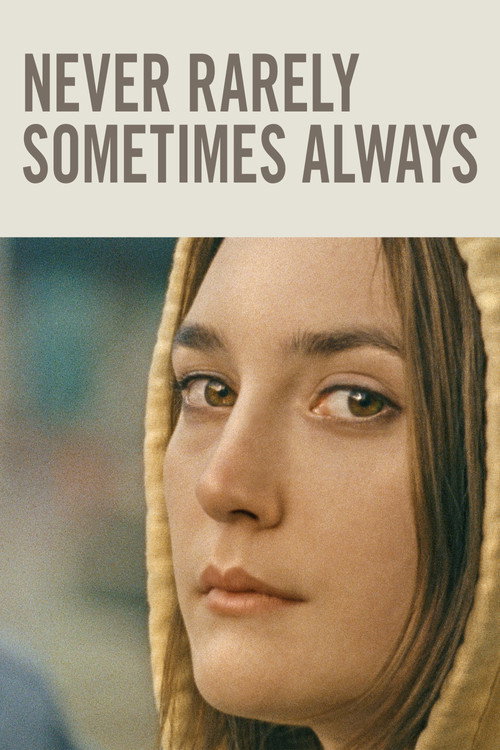
Never Rarely Sometimes Always2020
A quiet, observational film about adolescence and bodily autonomy. It shares Babies' unflinching look at how we develop and what our bodies mean, just several years later in the timeline.
But Very bleak, spare, and slow. Where Babies celebrates milestones, this film sits with discomfort and constraint. Completely different emotional register.
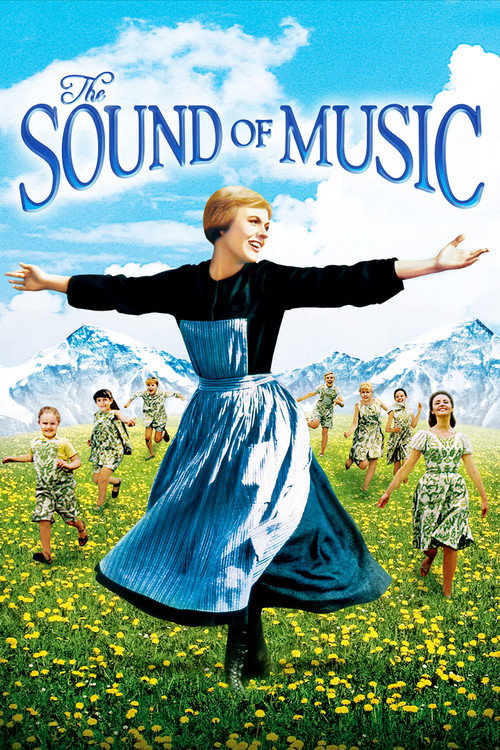
The Sound of Music1965
Both understand that children need attachment, play, and permission to become themselves—that the stakes of early childhood are existential. Where Babies shows the science, this film dramatizes the consequence of getting it wrong or right.
This is about what happens when a structured, cerebral environment meets emotional chaos—a household of children who have been raised to be obedient suddenly encountering play and music. It's a film about how infant and childhood development requires both order and wildness, and what breaks when you have only one.
But A sweeping musical romance, which means it asks you to sit with sentimentality. If you're expecting documentary-level precision about child development, you'll feel manipulated.