
Film
Babies
No narrator, no experts, no subtitles — just four babies, four continents, and a year of firsts. Babies drops in on rural Namibia, Mongolia, Tokyo and San Francisco with an eye for gesture and light rather than argument. It's less cultural comparison than pure, patient watching: goats, snowdrifts, cats, siblings. Gentle, funny, oddly hypnotic — for anyone who finds toddlers doing ordinary things endlessly, unaccountably watchable.
If you liked this
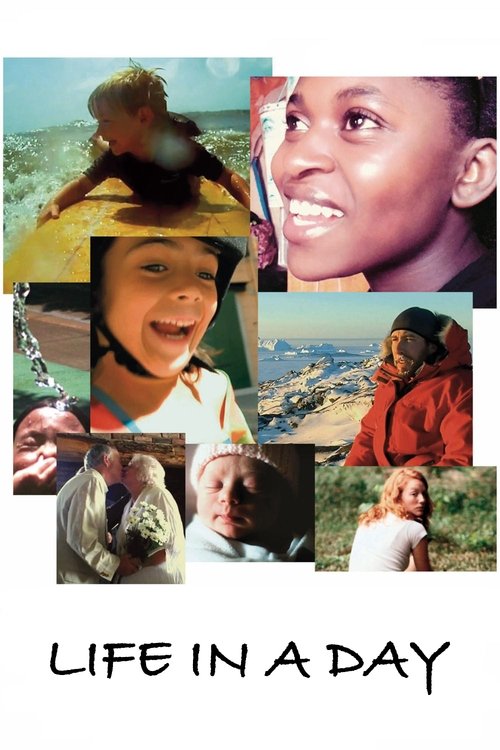
Life in a Day2011
Assembled from thousands of YouTube clips shot on a single day in 2010, this is Babies' spiritual twin — same faith that ordinary lives, watched closely enough, add up to something moving.
But The crowdsourced footage is rougher and more restless — less meditative calm, more scrapbook energy.
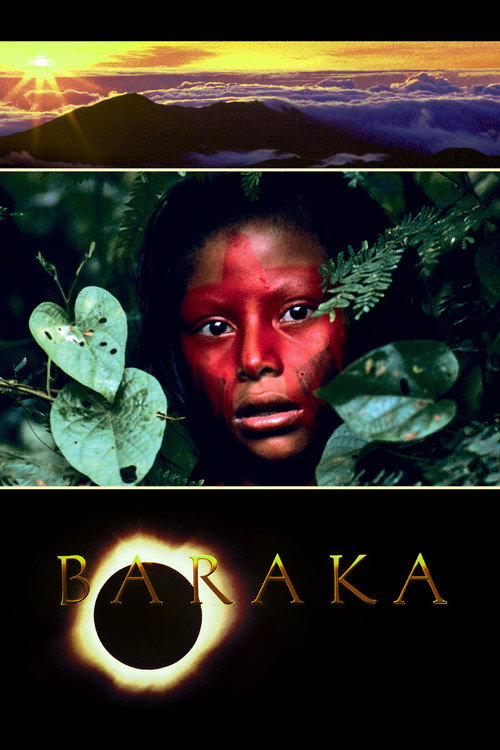
Baraka1992
Wordless, plotless, gorgeous — Baraka strings together images of ritual, landscape and human life across dozens of countries with the same trust that watching is enough. The arthouse ancestor of Babies' whole method.
But No children at its centre, and it trades warmth for awe — cosmic rather than cosy.
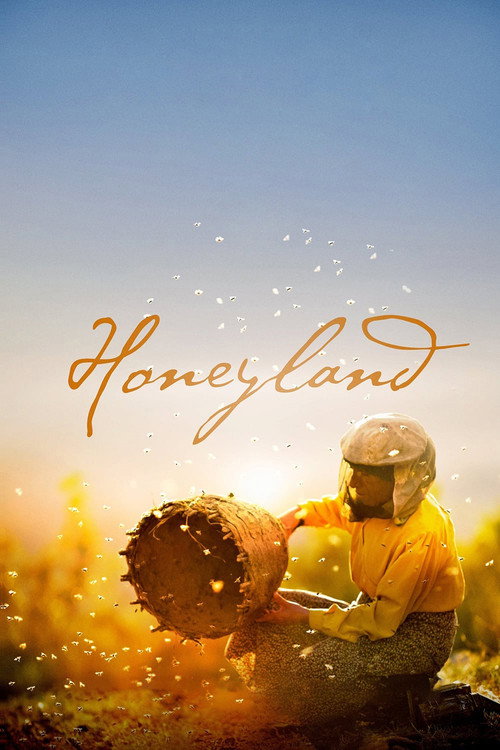
Honeyland2019
A beekeeper in rural North Macedonia, filmed with the same patient, unnarrated intimacy Babies gives its infants. Gorgeous, quietly devastating, proof observational documentary can carry real drama too.
But Adult stakes and adult conflict — the tenderness curdles into something sadder than anything in Babies.
The wildcard
Something you would not have found on your own.
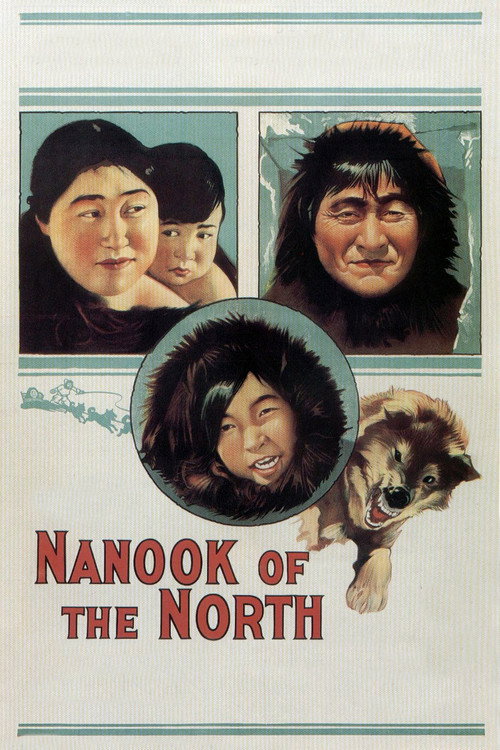
Nanook of the North1922
Babies' cross-cultural, watch-and-don't-explain method starts here. Nanook invented the genre's tools — and its central ethical problem: how much of what looks authentic was actually arranged for the camera. Worth knowing before you fully trust the next observational documentary you watch.
Robert Flaherty's silent film following an Inuit man and his family through an Arctic year is the great-grandparent of every 'watch a life unfold somewhere unfamiliar' documentary, Babies included.
But Silent, scratchy, nearly a century old — and notoriously staged in ways that complicate its claim to truth.
More like this (7)
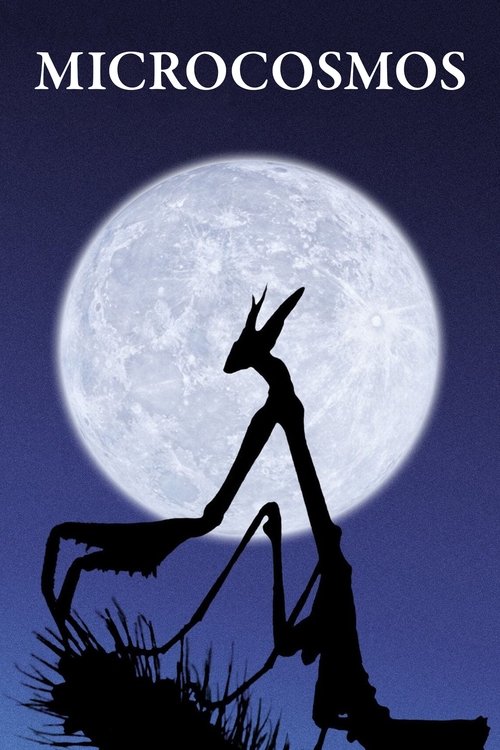
Microcosmos1996
Swap infants for insects: this French documentary gets absurdly close to beetles, snails and ants going about their day, with the same wordless curiosity about small lives.
But Zero human interest — if you were watching Babies for the babies specifically, this offers none.
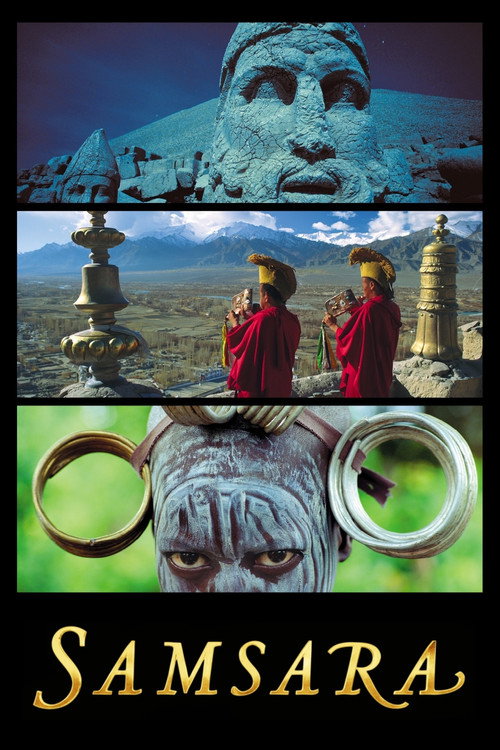
Samsara2011
From the team behind Baraka, another dialogue-free tour of humanity — factories, temples, deserts, faces — built on the same trust in the image over the explanation.
But Heavier and darker in places, with detours into industrial horror that Babies never goes near.
The Beginning of Life2016no page yet
A more explicitly scientific companion: Brazilian filmmakers follow children from birth across several countries, this time with experts weighing in on what early attachment actually builds.
But The narration and interviews Babies pointedly avoids are exactly what this one leans on.
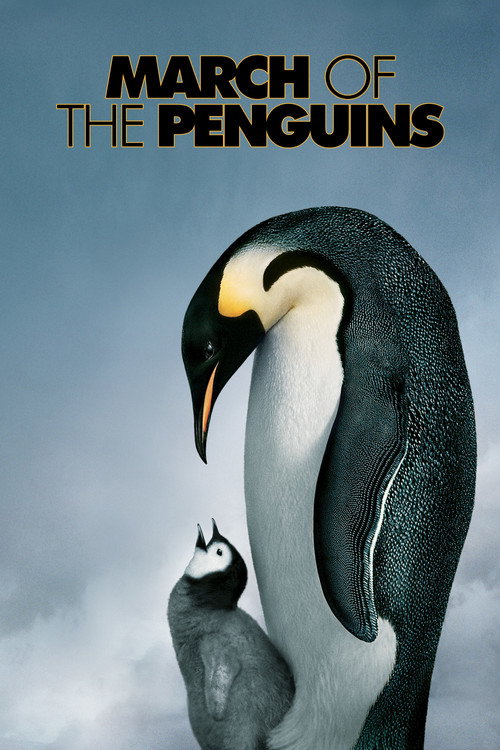
March of the Penguins2005
Different species, same devotion: emperor penguins trekking across Antarctic ice to raise their young. If Babies made you tear up at parental effort, this finishes the job.
But Morgan Freeman's narration supplies all the meaning Babies leaves you to find yourself.
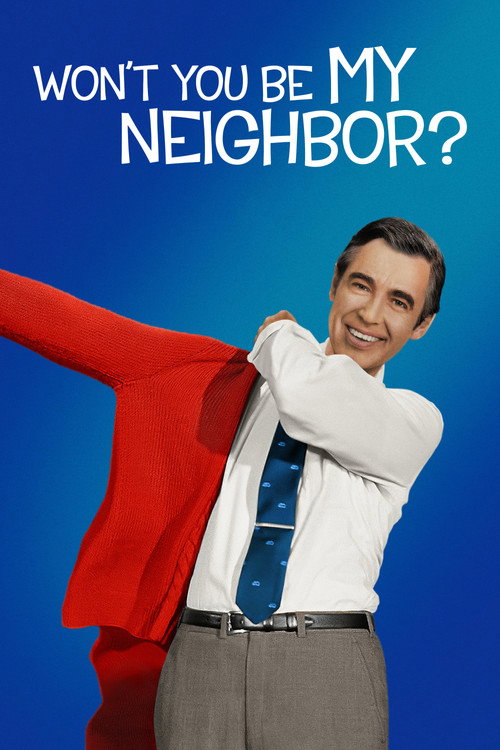
Won't You Be My Neighbor?2018
A documentary about Fred Rogers and his radical belief that children deserve to be taken utterly seriously — the emotional cousin to Babies' quiet respect for its tiny subjects.
But Talking heads, archive footage, a clear argument to make — structurally the opposite of Babies' hands-off approach.
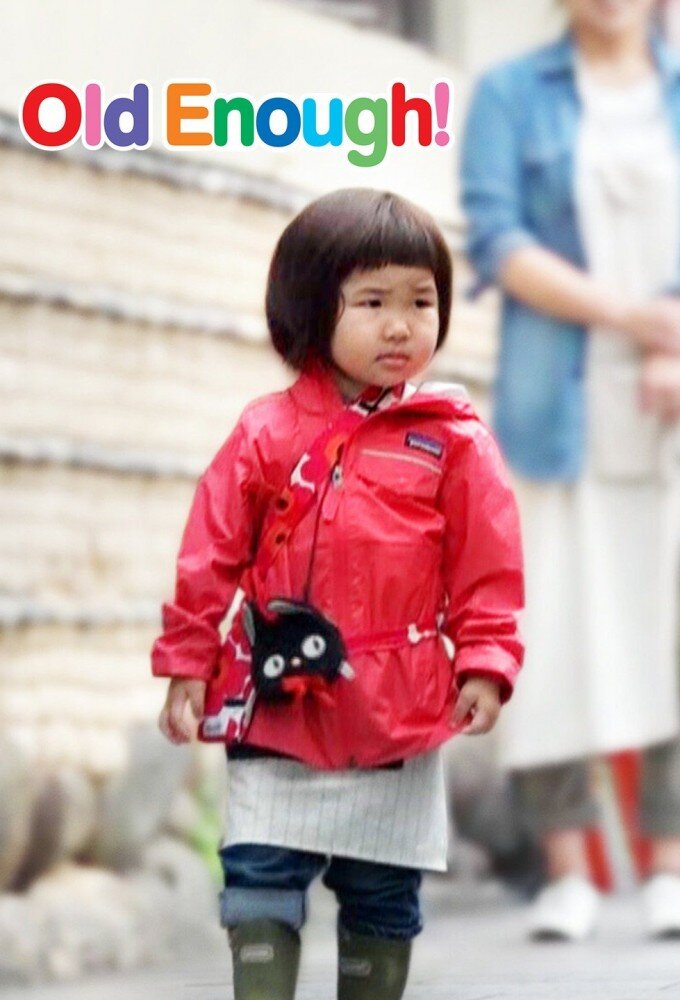
Old Enough!2022
Babies trusts babies to be interesting without incident; Old Enough! manufactures incident on purpose. Same raw material — small children meeting the world for the first time — run through the opposite register: arthouse calm versus reality-TV suspense.
A Japanese reality show sending toddlers out alone to run errands — buy milk, deliver lunch — while a hidden crew discreetly panics nearby. Same fascination with tiny humans navigating a huge world, played for delighted anxiety.
But It's engineered TV entertainment, not patient observation — closer to a game show than a documentary.
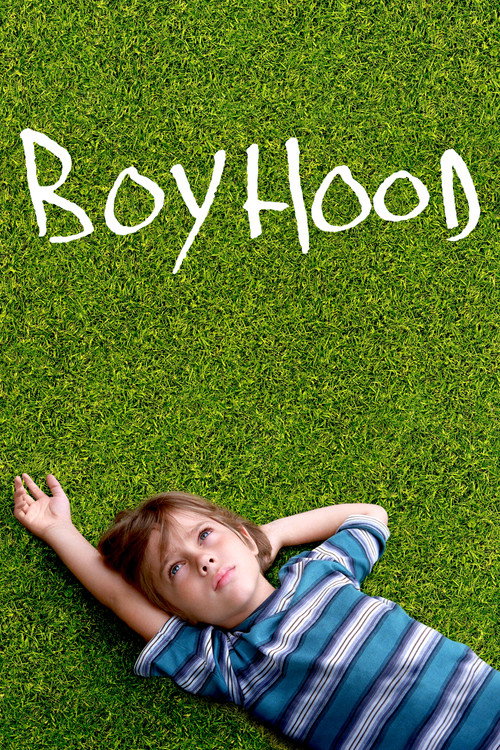
Boyhood2014
Babies gets its power from real, undirected time passing over real infants. Boyhood steals that same trick for fiction — real aging, real growth, invented story — proving the documentary's core magic works even once you add a script.
Richard Linklater filmed the same boy, Ellar Coltrane, for a few days each year across twelve real years, so you watch an actual child age into a young man in real time inside a fiction.
But Nearly three hours, entirely scripted, with ordinary domestic drama instead of pure observation.
People
Cast
Directing
- Thomas BalmèsDirector
Writing
- Alain ChabatScreenplay
- Thomas BalmèsScreenplay
Production
- Alain ChabatProducer
- Amandine BillotProducer
- Christine RouxelProducer