
Film
Samsara
Wordless, hypnotic tour of humanity and the planet, shot in twenty-five countries over five years on 70mm film. There's no dialogue and no narration—just a globe-spanning montage of ritual, industry, disaster and beauty, scored to swelling music. It's less a film than a meditation: best watched big and loud, letting it wash over you rather than explain itself.
If you liked this
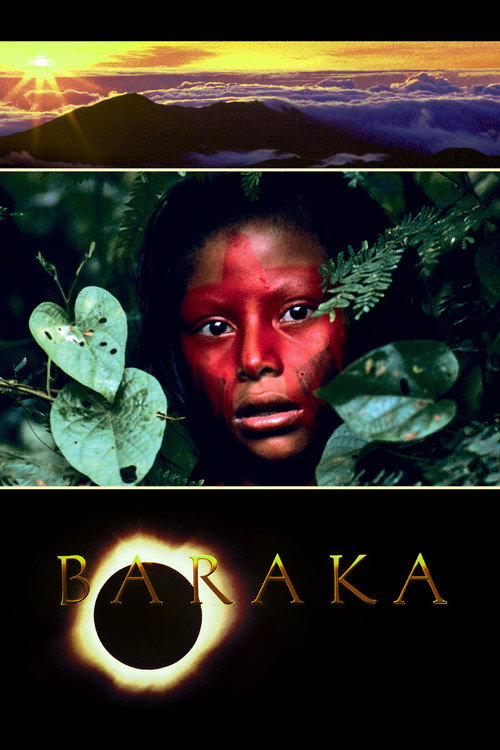
Baraka1992
Fricke's own earlier masterpiece, the direct ancestor to Samsara—same roving eye, same wordless awe, arguably even more transcendent in its stillness.
But If you've just watched Samsara, this will feel like more of exactly the same trip rather than a new one.
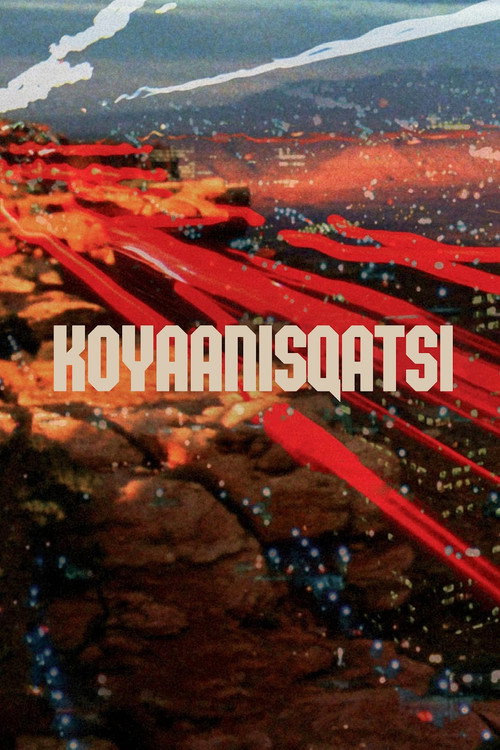
Koyaanisqatsi1983
The film that invented this whole genre—Godfrey Reggio's furious time-lapse portrait of a world out of balance, scored by Philip Glass's churning, hypnotic music.
But Rougher and angrier than Samsara's polished serenity; its 1980s grain and synths can feel dated next to 70mm sheen.
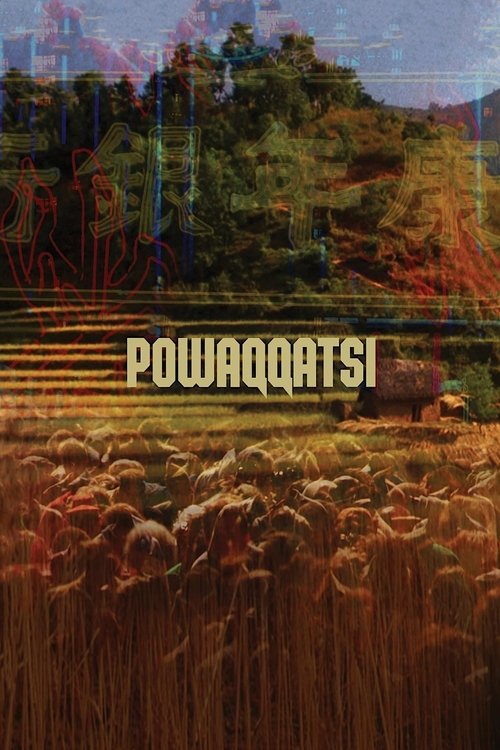
Powaqqatsi1988
Reggio's follow-up turns the camera toward the developing world, trading machinery for human labour, faces and colour—warmer and more intimate than its predecessor.
But Less famous than Koyaanisqatsi and can feel like an addendum rather than a standalone journey.
The wildcard
Something you would not have found on your own.
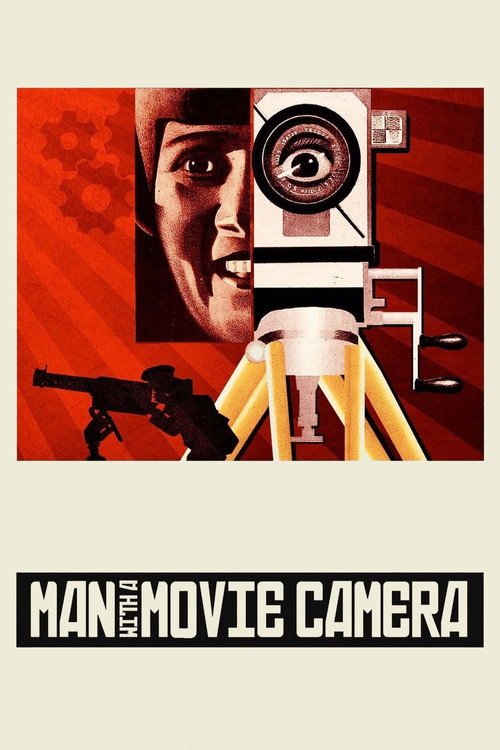
Man with a Movie Camera1929
Same structural idea as Samsara—no dialogue, no plot, just images of humanity assembled into rhythm and meaning—except Vertov got there first, with a hand-cranked camera instead of 70mm.
Dziga Vertov's silent city symphony invented the wordless global-montage idea eighty years early, splicing together a day in Soviet life with dazzling, playful editing.
But Silent, black-and-white, and rooted in 1920s Soviet urgency—nothing like Samsara's glossy, borderless calm.
More like this (8)
Chronos1985no page yet
Fricke's earlier IMAX experiment is Samsara's blueprint in miniature—sacred sites and time-lapse skies, tighter and stranger.
But Shorter, cruder, and hard to find in decent quality; feels like a sketch rather than a finished statement.
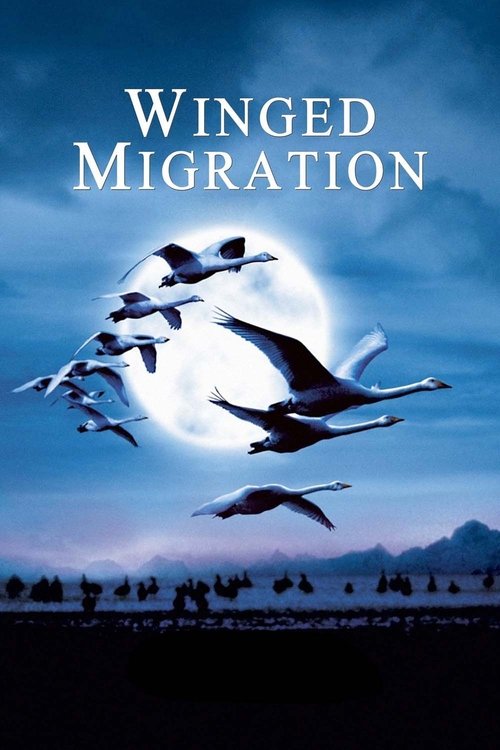
Winged Migration2001
Swaps human civilisation for birds in flight, using astonishing in-air camera rigs that make you feel airborne alongside them—same wordless wonder, different kingdom.
But Sparse narration breaks the pure silence Samsara commits to, and the focus narrows to a single subject.
Sweet Home Alabama2002
Aerial-only footage of the whole planet, from ice caps to slums, carrying a plain conservationist message underneath the spectacle.
But Narrated and explicitly environmentalist, with less interest in ambiguity than Samsara's open-ended imagery.

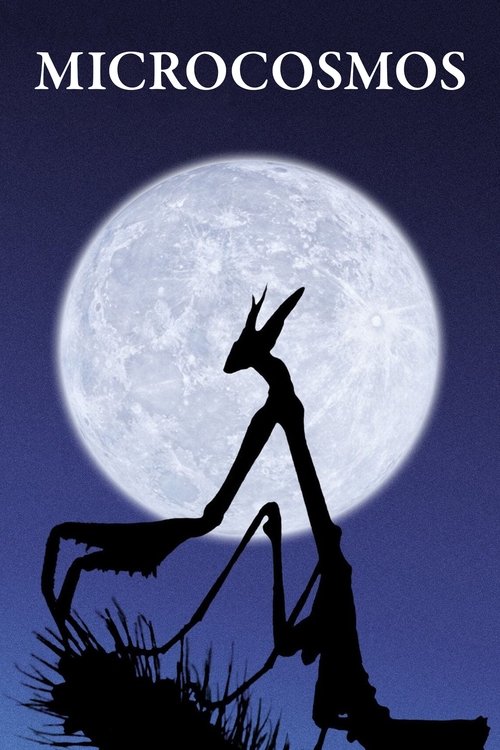
Microcosmos1996
Same trick at a radically smaller scale—macro photography turns garden insects into an alien civilisation, no words needed to make you gasp.
But Zero human content and none of the cultural or spiritual sweep that makes up half of Samsara's tour.
Genesis2004no page yet
A hypnotic, occasionally surreal creation myth told through nature footage and fable, from the team behind Microcosmos.
But Uses spoken narration and storytelling framing some will find pretentious next to Samsara's total silence.
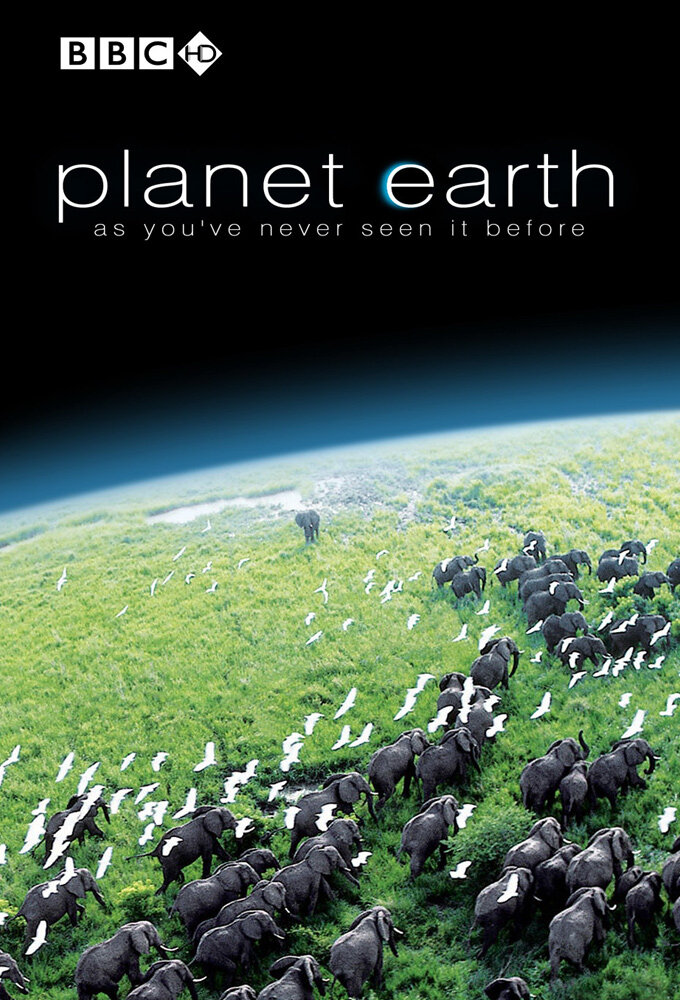
Planet Earth2006
Different intent—wildlife rather than humanity—but the same jaw-dropping, big-canvas cinematography and hunger to show you the world entire.
But Attenborough's narration and episodic nature-doc structure are a world away from Samsara's meditative, unexplained flow.
Powers of Ten1977no page yet
Samsara's real subject is scale—tiny human rituals set against continents and cosmic time—and this Eames short performs the same collapse of scale into a single unbroken gesture, just compressed into minutes instead of hours.
A nine-minute short that zooms from a picnic blanket to the edge of the universe and back down into an atom, in one continuous, vertiginous sweep.
But Barely longer than a coffee break, has narration, and is more scientific demonstration than immersive experience.
Night and Fog1956
Both films trust the camera's steady gaze over words to carry moral weight, and both are ultimately about cycles—Samsara's title literally means the cycle of rebirth, while Resnais asks whether humanity is doomed to repeat its worst one.
Alain Resnais's landmark documentary walks the ruins of Nazi concentration camps with the same slow, tracking camera and hushed pacing Samsara uses for wonder—here turned toward horror.
But This is not spectacle or serenity; it is grief and atrocity, and it will not leave you soothed the way Samsara's imagery does.
People
Cast
- Ni Made Megahadi PratiwiDancer: Valinese Tari Legong Dancers, Indonesia
- Puti Sri Candra DewiDancer: Valinese Tari Legong Dancers, Indonesia
- Putu Dinda PratikaDancer: Valinese Tari Legong Dancers, Indonesia
- Marcos LunaTattoo Daddy: USA
- Hiroshi IshiguroProfessor and Robot Clone: Japan
- Olivier De SagazanMan At Desk: France
- Ladyboys of Cascade BarDancers: Thailand
- KikumaruGeisha: Japan
- Crisanto NeireLead Singer: Cebu Provincial Detenton Center, Philippines
- Robert HenlineUS Army Veteran: USA (as Staff Sergeant Robert Henline)
- Tai LihuaLead Dancer: 1000 Habds Goddess Dance, China
- Collin Alfredo St. DicSelf - Cyclist
Directing
- Ron FrickeDirector
Writing
- Mark MagidsonWriter
- Ron FrickeWriter
Production
- Mark MagidsonProducer
Recommended by
Koyaanisqatsi, Microcosmos, Baraka, Babies, Life in a Day, Powaqqatsi, Man with a Movie Camera, Leviathan, Into Great Silence