
Television series
Tiny World
- Light-hearted
- Dip in and out
Tiny World uses cutting-edge macro cinematography to reveal the secret lives of insects, arachnids, and other miniature creatures. These thirty-minute episodes feel like you're shrinking down to witness survival strategies and social behaviors in stunning detail. It's for anyone who finds the impossible physics of small bodies fascinating, or who wants nature documentary that feels intimate rather than epic.
Should you watch it?
Watch it if you love nature films that shrink your sense of scale, where a bug's daily struggle gets the same reverent close-up a lion would, and a light, wondering narrator is all you need to get hooked.
Skip it if you want a rigorous, science-heavy documentary with long explanations or a sharp edge, since this one leans on wonder and gentle narration rather than deep analysis.
What it asks of you: Twelve short episodes of about half an hour each, unhurried but never sleepy, asking only for your curiosity and a willingness to stare at very small things for a long time.
Not sure? Find tonight's pick in a minute.
If you liked this
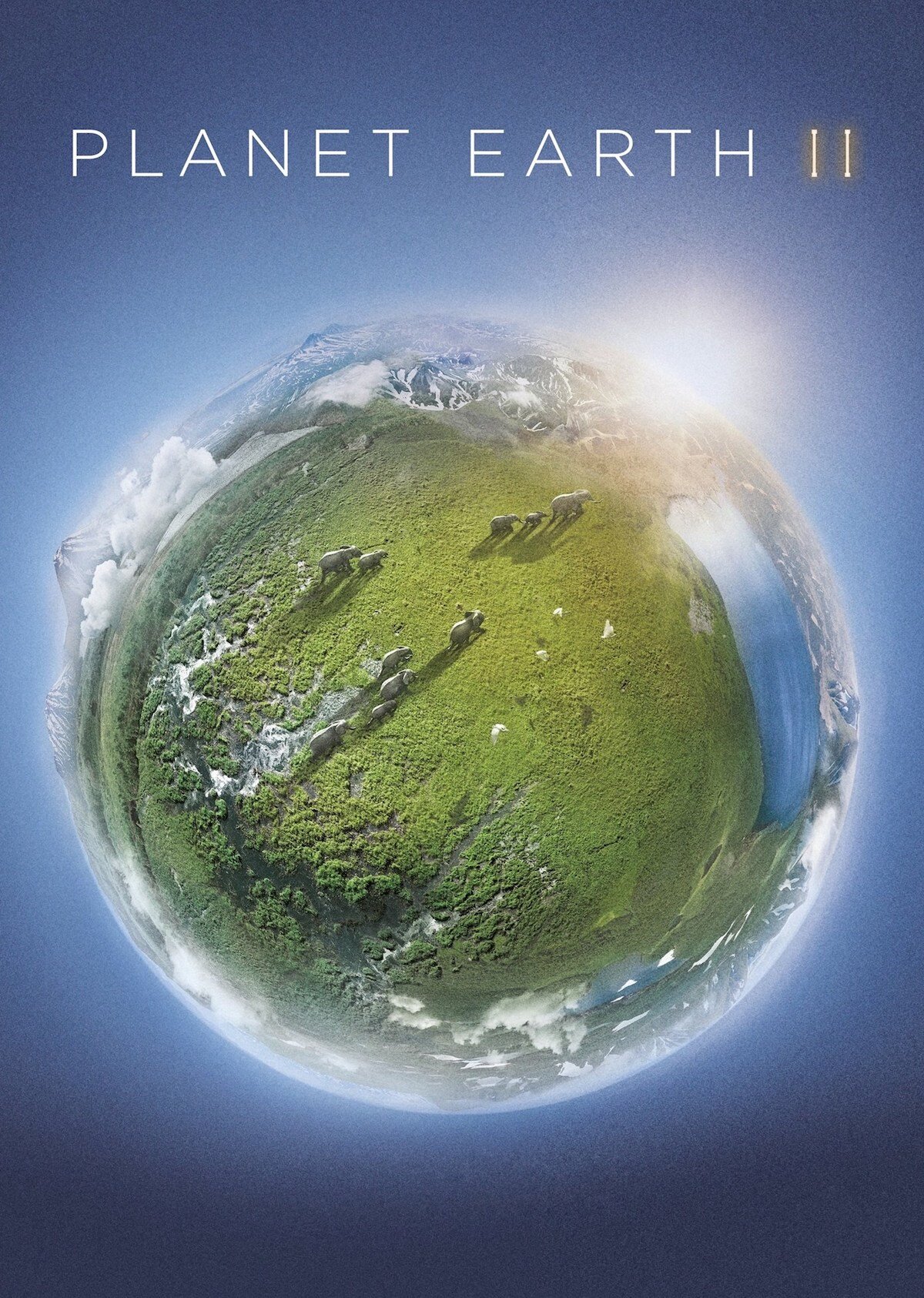
Planet Earth II2016
The gold standard of nature television. Each episode zooms into a different ecosystem with cinematography so revolutionary it redefined what documentary could show. Visceral, moving, and endlessly rewatchable.
But At four years old and widely praised, you may have already seen it. The scale is grand rather than intimate, which means less time with individual creatures.
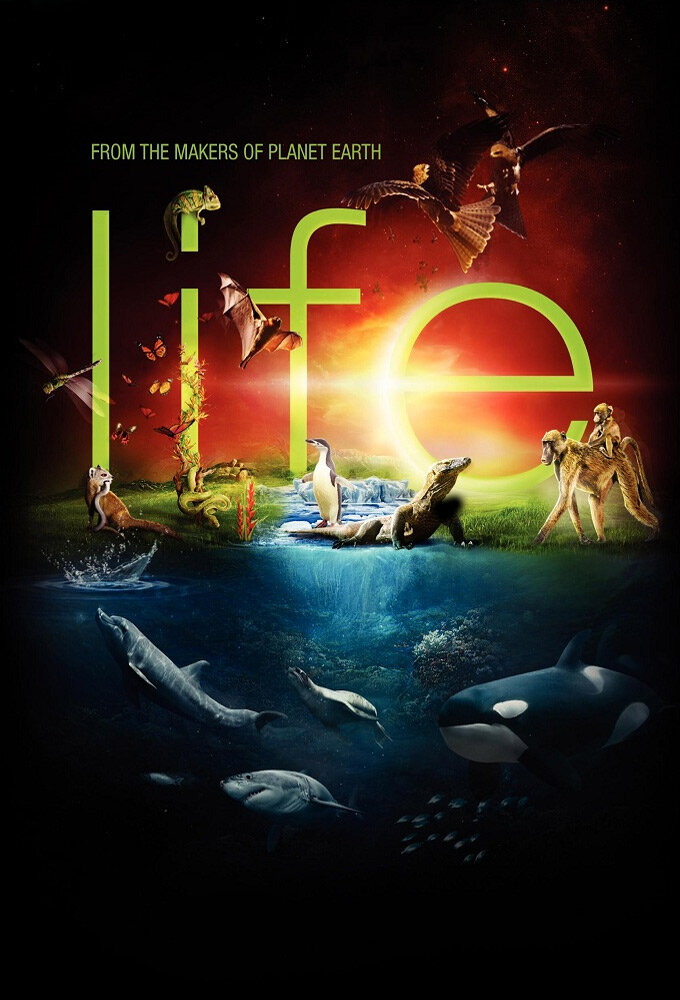
Life2009
BBC's companion to Planet Earth, structured around animal behaviors rather than habitats. You'll watch spiders hunt, octopuses problem-solve, and birds dance. Attenborough's narration is unsurpassable; Paul Rudd is fine but a step down.
But Older production values than Tiny World, though the animal footage remains exceptional. Fifty minutes per episode—twice as long, which is commitment.
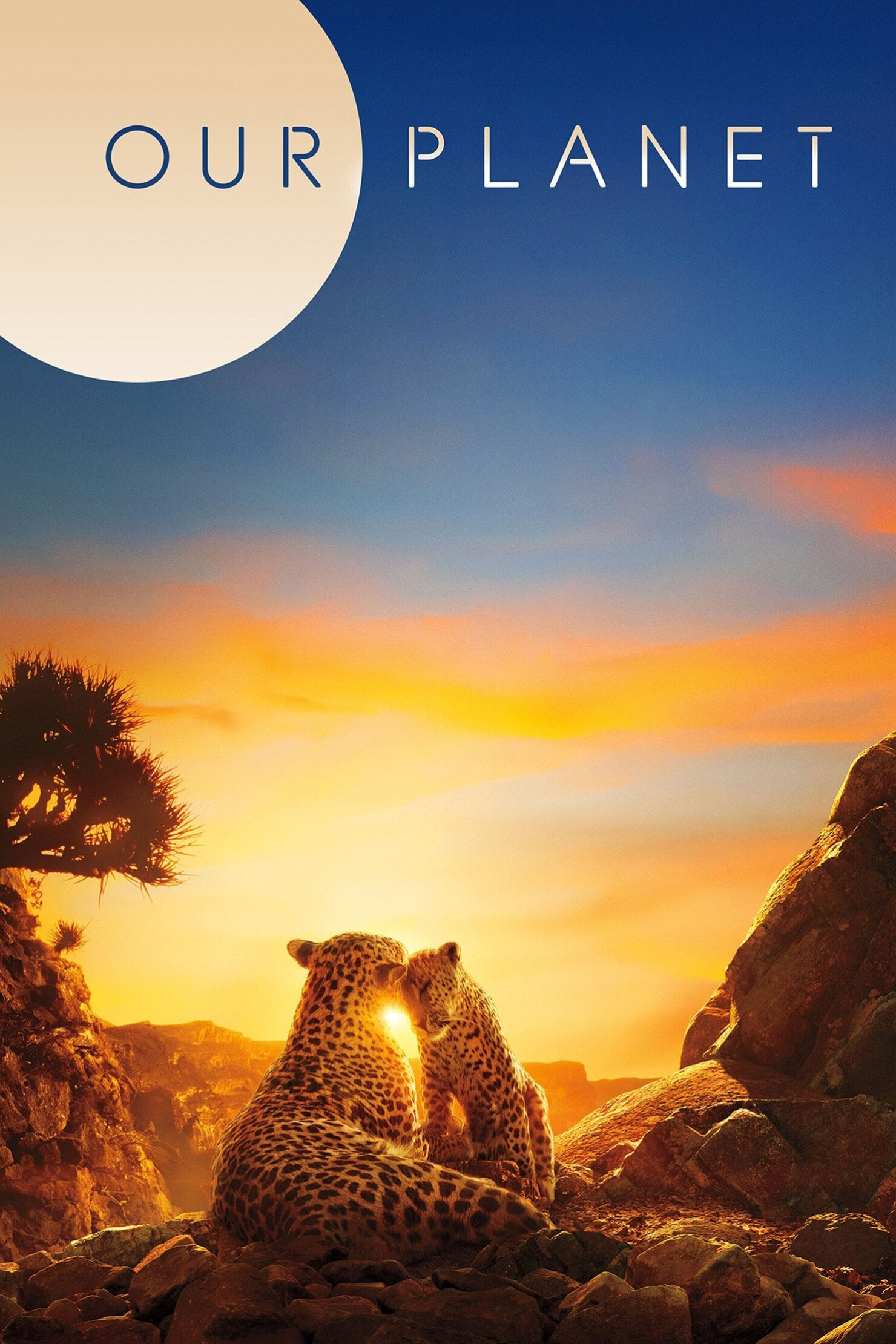
Our Planet2019
Recent, visually sumptuous, and built around climate themes. Each episode focuses on a region and how life adapts there. Feels urgent without being preachy. The cinematography rivals anything on television.
But The environmental anxiety is real and intentional. Not an escape hatch; it's a wake-up call. Some find that draining.
Not sure tonight? Get a pick in a minute, starting from Tiny World
The wildcard
Something you would not have found on your own.
Under the Skin2014
Both use extreme magnification and intimate cinematography to reveal hidden structures in nature. Under the Skin does it to disturb; Tiny World does it to marvel. Same tool, opposite emotional register.
A science-fiction film that uses extreme close-ups and macro-level perspectives to make the familiar world look alien. Shot by cinematographer Daniel Landin with an obsessive eye for texture, anatomy, and scale. Like Tiny World's visual language applied to human strangeness.
But Glacially paced, cryptic, and deliberately unsettling. Scarlett Johansson wanders Glasgow in silence for much of the runtime. If you need plot or dialogue or reassurance, this will infuriate you.

More like this (6)
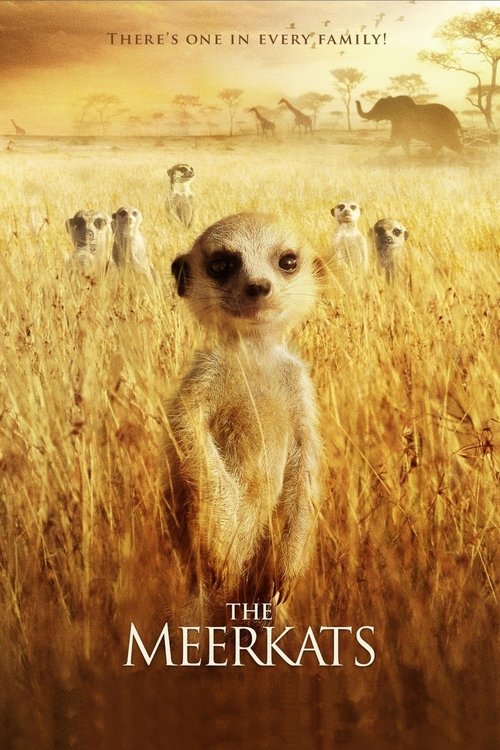
The Meerkats2008
A feature-length documentary following a single meerkat family through a year. You develop genuine attachment to individuals. The intimate focus—twenty minutes with one creature versus a survey of fifty—feels revolutionary after typical nature docs.
But Eighty-nine minutes focused on one species is either your idea of heaven or a very specific hell. The drama is real but understated.
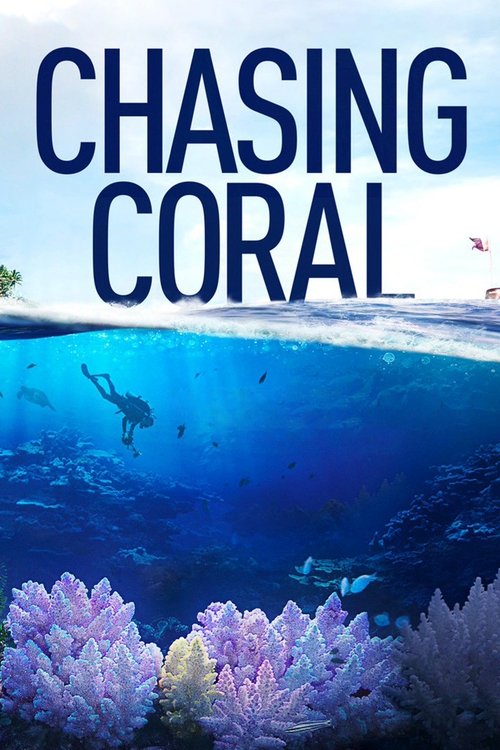
Chasing Coral2017
Underwater cinematography that makes the ocean floor feel like an alien world. The mission-driven narrative—scientists racing to document reef death—gives you characters to root for, not just footage to admire.
But The subject matter is actively depressing. Beautiful cinematography cannot offset watching ecosystems die. Not a comfort watch.
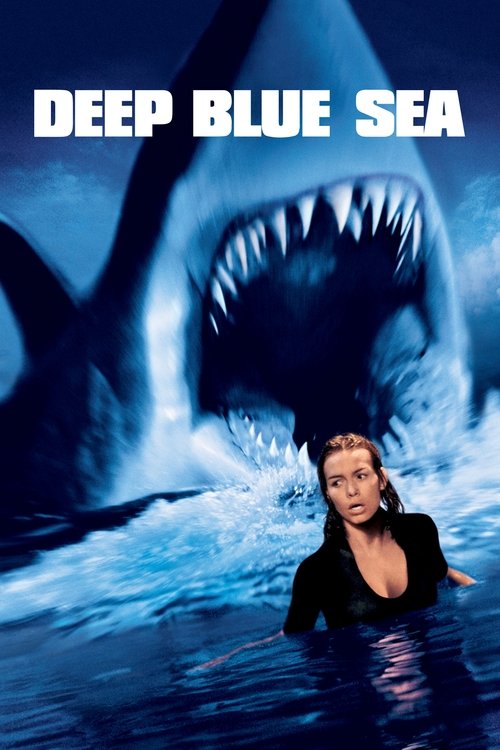
Deep Blue Sea1999
The BBC's ocean documentary, shot before digital cameras existed. The ingenuity required to film these creatures shows on screen. Every frame feels earned. A masterclass in patience and cinematography from an earlier era.
But Older than some viewers. Shot on film stock that reads as low-res compared to 4K. The pacing is glacial by modern standards.
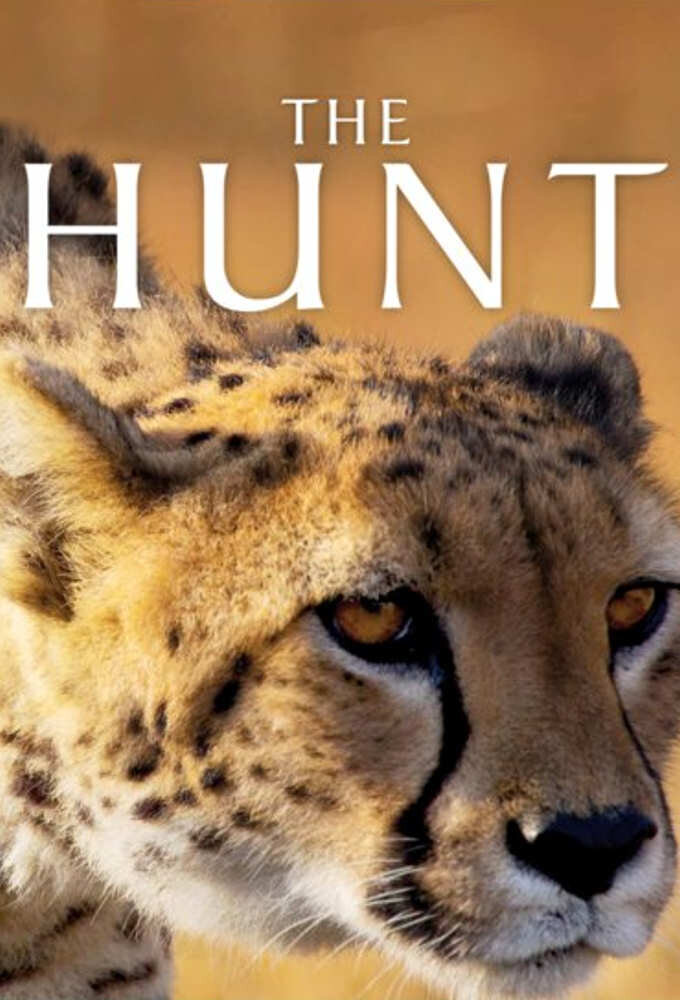
The Hunt2015
BBC series structured around predator-prey relationships. The action sequences are extraordinary; the editing makes even a chase between creatures the size of your hand feel like a thriller. Narrated by David Attenborough, who was born for this work.
But Graphic in ways that might disturb sensitive viewers—predation is not softened. Some episodes feel repetitive if you binge them back-to-back.
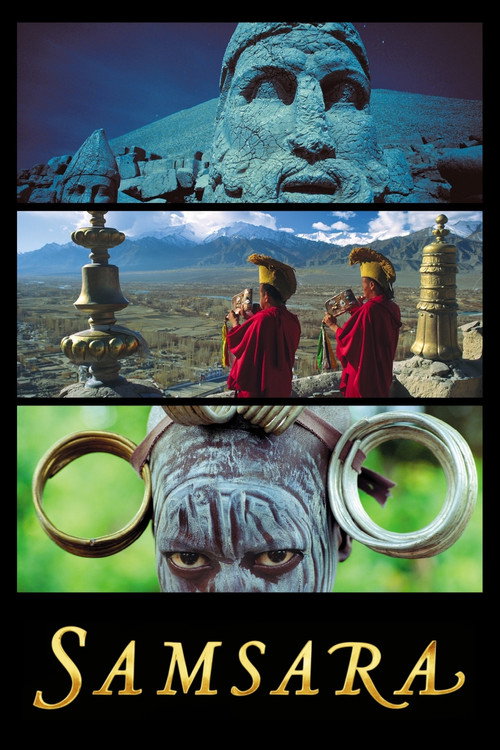
Samsara2011
Tiny World reveals ecosystems through magnification and precise camera work. Samsara does the same but includes human systems and asks you to see them as continuous with nature rather than separate from it. Same obsessive visual approach, vastly different scope.
A nonverbal feature shot on 70mm film across 25 countries. No narration, no plot—just cinematography so precise it forces you to look at human and natural systems as interconnected. The macro sequences rival anything in nature television, but used to ask ethical questions.
But Ninety-six minutes with no spoken word, story, or traditional narrative. It's visual meditation on mortality and cycles, which reads as pretentious or insufferably slow to people seeking conventional documentary.
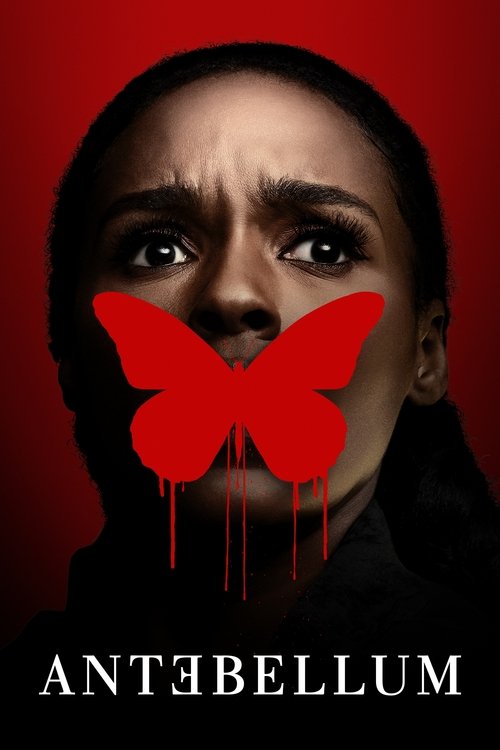
Antebellum2020
Tiny World teaches you that the hidden world at small scales holds logic and beauty. Antebellum teaches that your perspective—what you can see versus what you can't—fundamentally controls your understanding of reality. Both films are about how magnification (literal and metaphorical) reveals truths you missed.
A psychological horror film structured as a puzzle box about perception and scale. Shot with meticulous attention to frame composition and spatial relationships. What appears one way zoomed in looks entirely different when you see the full landscape. Uses scale to dismantle your assumptions.
But A slavery-centered horror film that weaponizes jump scares and claustrophobia. The twist is extraordinary but the path to it involves genuine trauma and discomfort. Not entertainment in a traditional sense, despite the thriller structure.
People
Cast
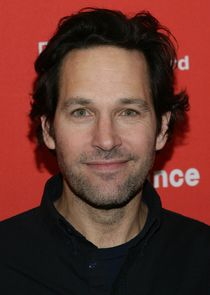 Paul RuddNarrator