
Film
Antebellum
Antebellum is a horror film that weaponizes its twist: a successful Black author wakes into a Civil War plantation nightmare that slowly reveals itself as something far more contemporary and psychologically vicious. It's visually stunning and morally urgent, designed to make you squirm and think, sometimes in the same frame.
Should you watch it?
Watch it if you want a horror film that treats history as the monster, rewarding close attention to its layered structure and a lead performance that carries real moral weight.
Skip it if you need horror to be scary in a straightforward, jump-scare way, since this is more unsettling than frightening and its pace is deliberate and talky in places.
What it asks of you: A patient build across 106 minutes with the unease arriving gradually and the darkness of its subject kept close rather than relieved by lightness.
Not sure? Find tonight's pick in a minute.
If you liked this
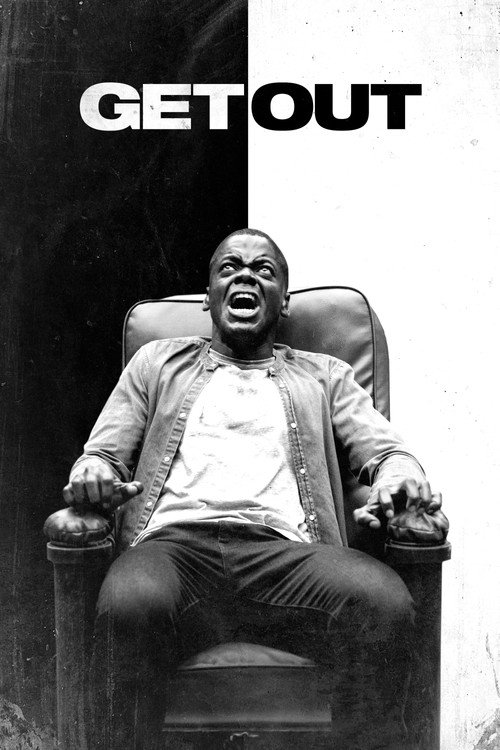
Get Out2017
A masterclass in using genre conventions to explore racial terror. Like Antebellum, it disguises its real horror beneath a familiar surface, building dread through social dynamics rather than jump scares.
But If you've already seen it, the mechanics will feel familiar. The twist, though different, operates in the same register.
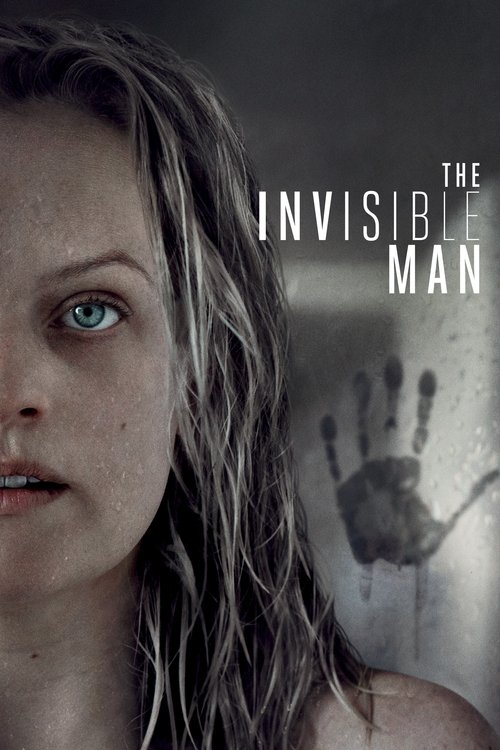
The Invisible Man2020
Elisabeth Moss trapped in a nightmare of violation and gaslighting. Shares Antebellum's interest in how power hides in plain sight and how the protagonist must convince others of a reality no one else can see.
But More grounded thriller than horror. Some find the pacing slow until the final act kicks in.
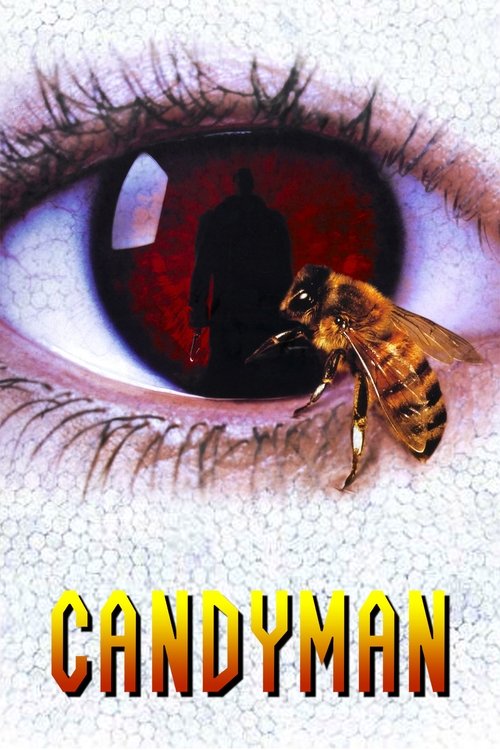
Candyman1992
A horror film built on racial history and injustice, where the monster is inseparable from America's sins. Like Antebellum, it refuses to let you enjoy the scares without confronting why they matter.
But 1992 effects show their age. The film's power is conceptual rather than visceral, which doesn't work for everyone.
Not sure tonight? Get a pick in a minute, starting from Antebellum
The wildcard
Something you would not have found on your own.
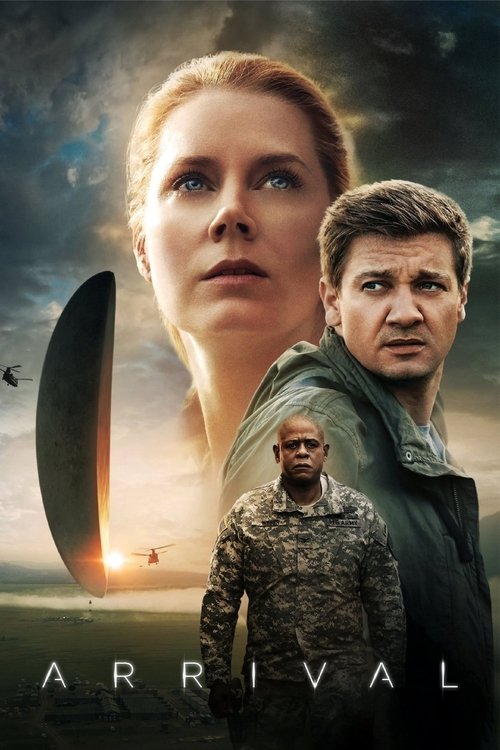
Arrival2016
Both films use a mind-bending structural twist not as a gimmick but as a way to force the audience into the protagonist's fractured perspective. The form mirrors the content.
A science-fiction film about language, time, and the fracture of consciousness. Like Antebellum, it builds toward a reveal that recontextualizes everything before it, asking you to experience disorientation as the film's true subject.
But Cerebral and slow. If you're expecting aliens and action, you'll be frustrated by linguistics and grief.
More like this (8)
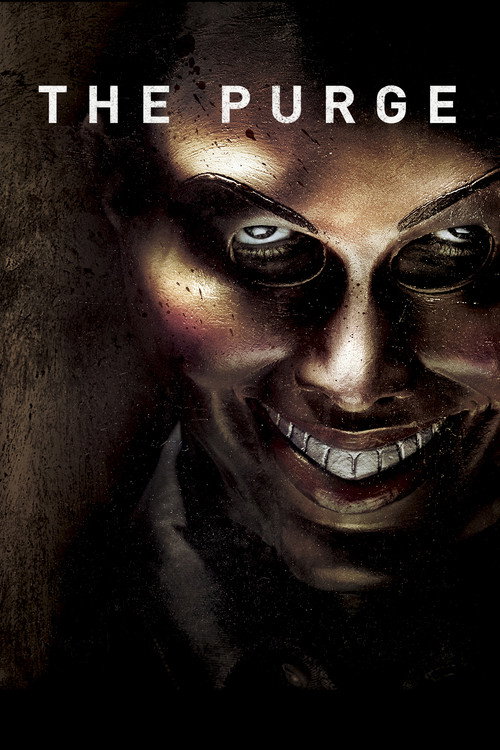
The Purge2013
A high-concept premise that uses its setting to ask uncomfortable questions about violence and class. Shares Antebellum's willingness to sacrifice realism for thematic clarity.
But Feels more like a thriller than horror. The social commentary can overshadow the story, leaving character development thin.
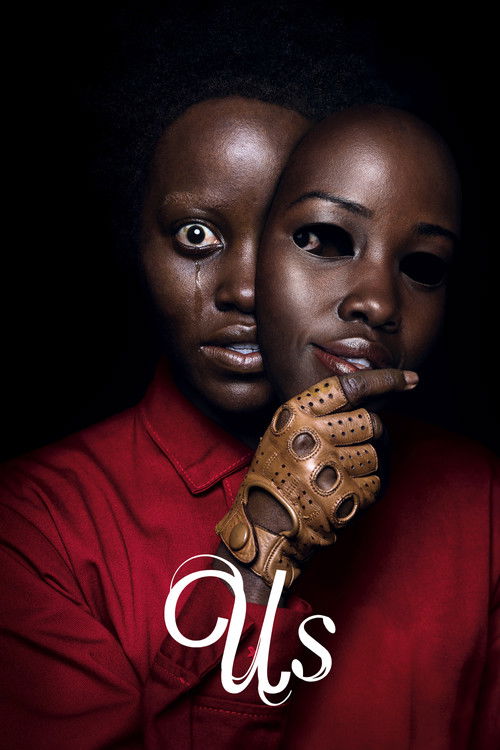
Us2019
Jordan Peele's second feature layers mythology and family trauma. Like Antebellum, it operates on multiple registers—domestic horror, social critique, and something genuinely unsettling.
But The mythology is intentionally vague. Some find it frustrating; others find that the point.
Mulholland Drive2001
Lynch's exploration of identity fracture and a woman's nightmare journey through a false reality. Both films trust you to sit with confusion before the shape becomes clear.
But Three hours, deliberately obscure, and the second half rewires what you thought you were watching. Not for anyone wanting straightforward narrative.

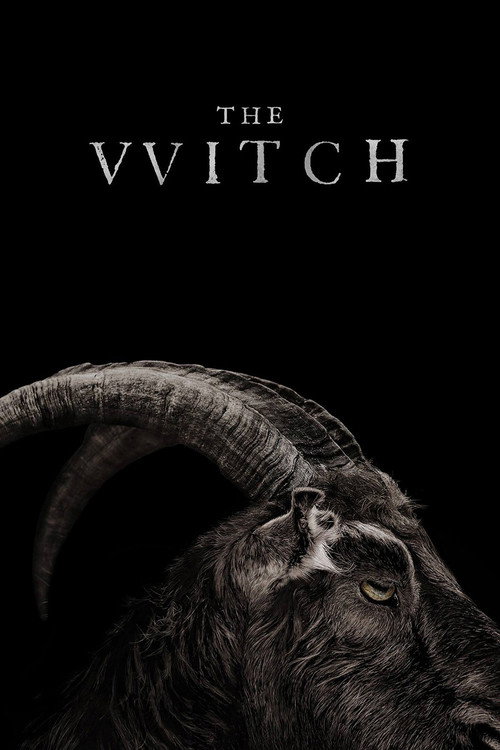
The Witch2016
A slow-burn period horror about family collapse and paranoia. Both Antebellum and this use their settings to create psychological claustrophobia alongside visual dread.
But Almost aggressively slow. If you need plot momentum or scares, this will feel glacial.
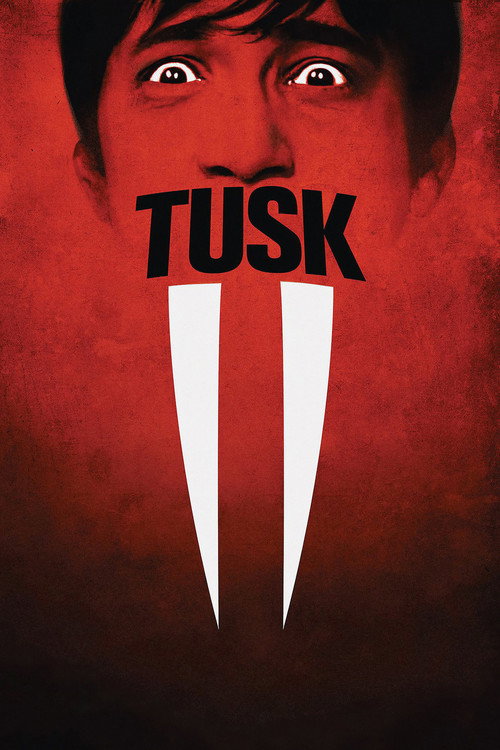
Tusk2014
Body horror as punishment and transformation. Both films use their premises to explore captivity and the dissolution of self, though in very different registers.
But Grotesque and misanthropic. It's difficult viewing that some will find punishing rather than rewarding.
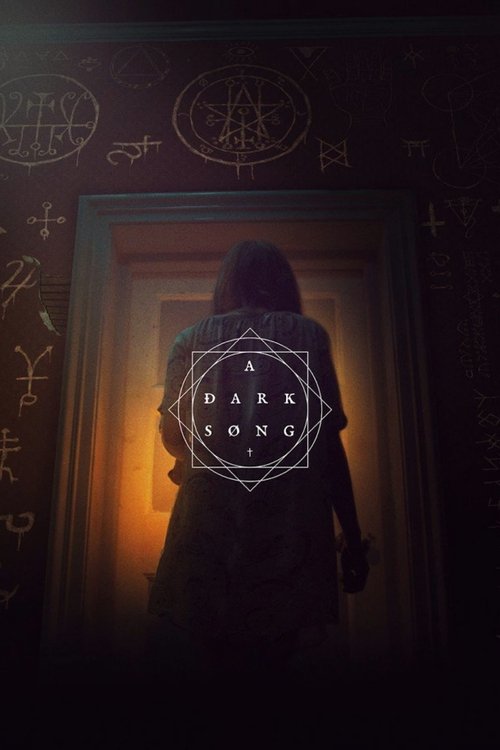
A Dark Song2016
A woman in a house with a stranger, trapped between spiritual longing and psychological breakdown. Shares Antebellum's interest in the blurred line between supernatural and trauma.
But Deeply slow and meditative. The payoff is emotional rather than plot-driven, which will lose patient viewers.
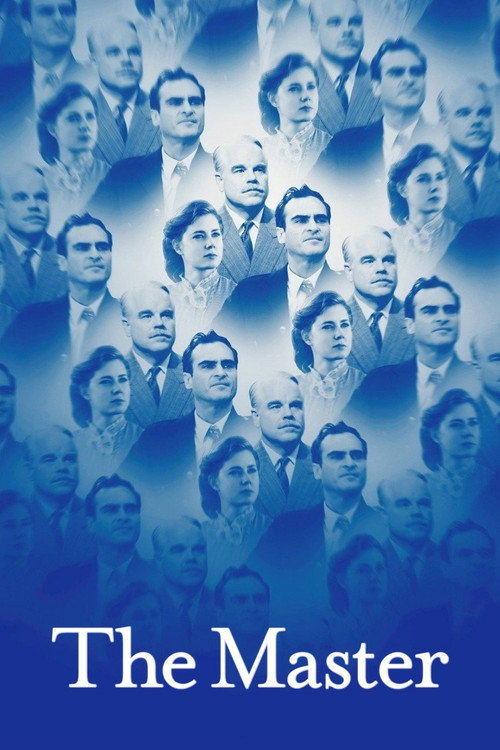
The Master2012
Both are horror films weaponized as social critique, using genre conventions to explore how American institutions fail Black women. Both refuse catharsis.
A brilliant, incisive horror-thriller about power, race, and institutional violence at an elite university. It channels Antebellum's rage into a tighter, more brutal narrative that operates as both satire and genuine terror.
But Extremely bleak and caustic. The misanthropy is intentional and unrelenting—there's little warmth to balance the assault.
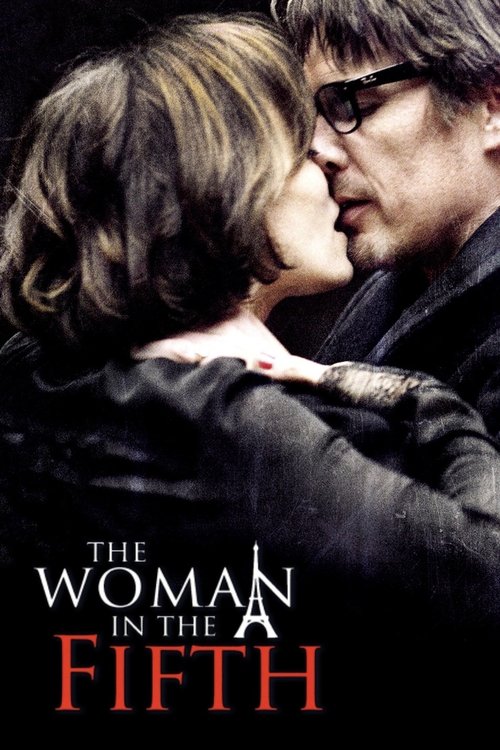
The Woman in the Fifth2011
Both films use their twist not for shock value but to collapse the boundary between supernatural horror and psychological breakdown, asking whether the worst terror is external or internal.
A man descends into a Parisian nightmare of captivity and madness. Like Antebellum, it traps you in unreliable consciousness, making you question what's real and what's psychological projection.
But Obscure and uncomfortable. It's closer to arthouse dread than horror, and the payoff is ambiguity rather than resolution.
People
Cast
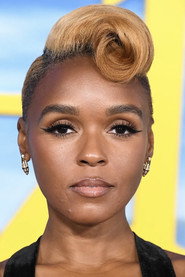 Janelle MonáeVeronica / Eden
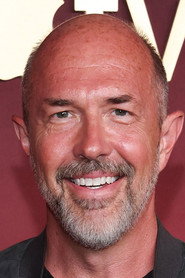 Eric LangeHim / Senator Denton
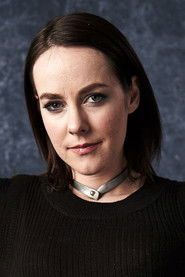 Jena MaloneElizabeth
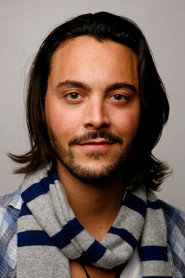 Jack HustonCaptain Jasper
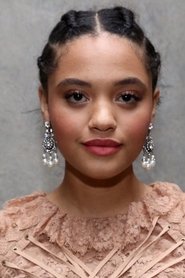 Kiersey ClemonsJulia
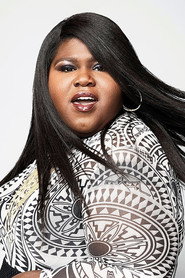 Gabourey SidibeDawn
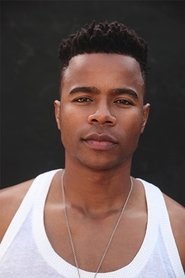
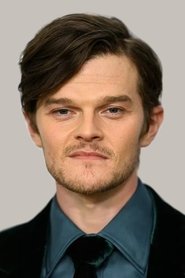 Robert AramayoDaniel
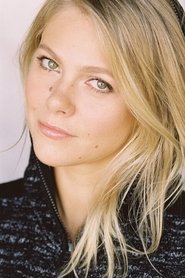 Lily CowlesSarah
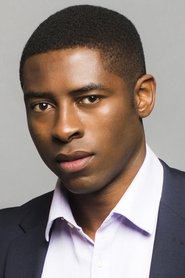 Tongayi ChirisaEli / Professor Tarasai
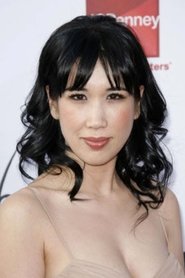 Grace JunotCamille
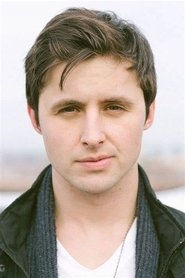 T.C. MathernePurcell
Directing
- Christopher RenzDirector
- Gerard BushDirector
- Gary MarcusFirst Assistant Director
- Carmen SorianoScript Supervisor
- Chelsea DonisonSecond Assistant Director
- Zack Earl EdwardsSecond Second Assistant Director
Writing
- Christopher RenzWriter
- Gerard BushWriter
Production
- Ashley LambertADR Voice Casting
- Ranjani BrowADR Voice Casting
- Tyler HohmannAssistant Location Manager
- Francesca AiassaCasting Assistant
- Theresa HernandezCasting Associate
- Laray MayfieldCasting Director
- Alex G. ScottExecutive Producer
- Edward H. Hamm Jr.Executive Producer
- Brent CaballeroExtras Casting
- Rikki HegwoodExtras Casting Coordinator
- Wise WolfeLocation Manager
- Christopher RenzProducer
- Gerard BushProducer
- Lezlie WillsProducer
- Raymond MansfieldProducer
- Sean McKittrickProducer
- Zev ForemanProducer
- Patrick McBrideProduction Coordinator
- Jeremy WoodwardProduction Designer
- Chelsea KrantProduction Supervisor
- Alex G. ScottUnit Production Manager
Recommended by
Sankofa, The Underground Railroad, Lovecraft Country, Kindred, La Petite Mort 2: Nasty Tapes, Thriller: A Cruel Picture, Candyman, Tiny World, Blood Meridian, Marebito, Breakfast on Pluto, Titus Andronicus, The Ghost Image - On the set of Ghostland, Pumpkinhead, The Banana Splits Movie, Secret Window, Blood/Stream, Afflicted, The Twilight Saga: Eclipse, The Language You Cry In, Brainscan, Hokum, Bad Hair, A Story of Derry, Lone Wolf and Cub: Baby Cart at the River Styx