
Film
Titus Andronicus
- Body horror
- Very dark
Julie Taymor's 1998 *Titus* transforms Shakespeare's bloodiest play into visceral, operatic cinema. It's a film that swings for the fences—grotesque, baroque, often beautiful, sometimes overwhelming. Not for the squeamish, but for those willing to meet Shakespeare's extremism head-on with a director who matches its ferocity.
Should you watch it?
Watch it if you want Shakespeare's most brutal revenge tragedy pushed to its most lurid, stylised extreme, and you can take gore as a deliberate artistic argument rather than just shock.
Skip it if the imagery is relentless and often grotesque, so if you need restraint or breathing room between brutal scenes, this will wear you down.
What it asks of you: Settle in for well over two hours of heightened verse, ornate costume, and images that linger long after you'd like them to have passed.
Not sure? Find tonight's pick in a minute.
If you liked this
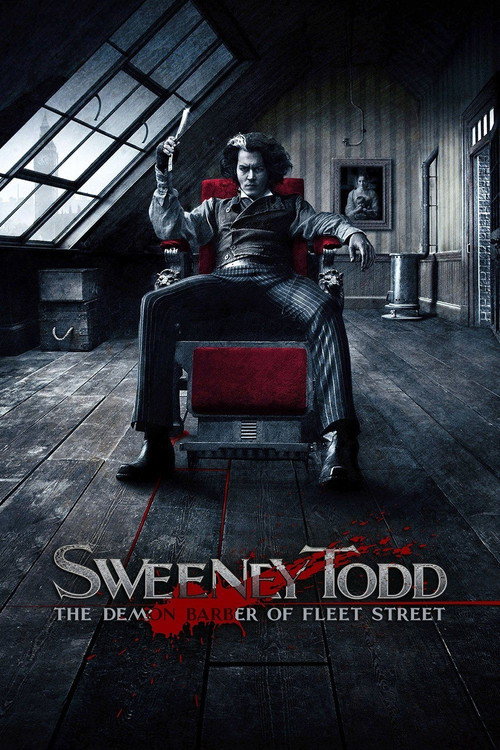
Sweeney Todd: The Demon Barber of Fleet Street2007
Tim Burton's equally theatrical approach to revenge and gore, with Depp giving himself over completely to a monster. Shares Taymor's willingness to make horror operatic and strangely gorgeous.
But Heavier on Gothic atmosphere than plot momentum. The sentimentality around Johnny Depp's character may feel at odds with the brutality.
Antebellum2020
A contemporary horror film about cycles of violence and systemic cruelty that echo across generations. Visually inventive, structurally daring, and genuinely unsettling about power and degradation.
But The twist feels slightly divorced from the thematic weight it's asked to carry. Some may find the approach didactic.

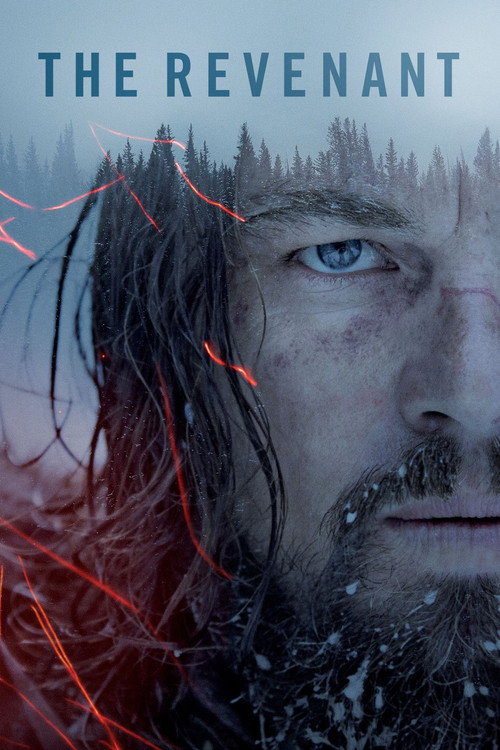
The Revenant2015
A survival epic built on primal vengeance and the wages of brutality. Raw, punishing, and deeply committed to showing violence as corrosive rather than cleansing.
But Three hours of mud and suffering. The pacing is deliberate to the point of numbness for some viewers.
Not sure tonight? Get a pick in a minute, starting from Titus Andronicus
The wildcard
Something you would not have found on your own.
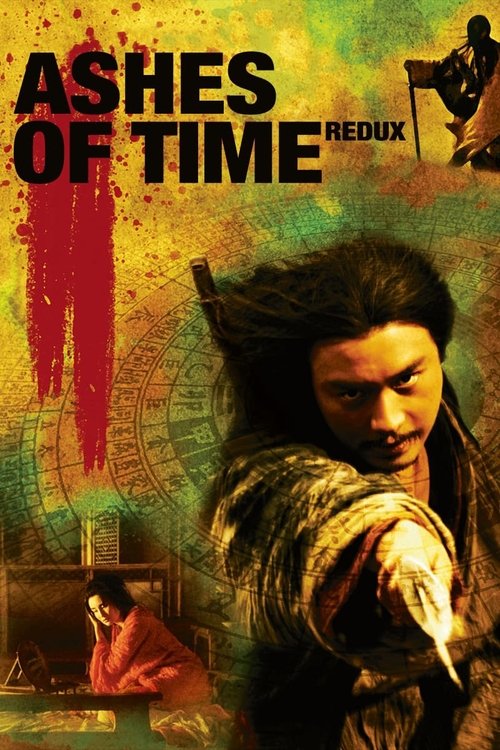
Ashes of Time1994
Both use elaborate visual and tonal excess to explore how violence and revenge hollow the people who commit them. Both are about systems where revenge perpetuates itself.
Wong Kar-wai's martial-arts poem is about violence draining the soul. Fractured, dreamlike, ravishing to look at—it shares Taymor's belief that extreme form matches extreme content. The registration is entirely different but the DNA is there.
But Aggressively abstract. If you need plot clarity and linear storytelling, this will frustrate you. The visuals can overwhelm narrative comprehension.
More like this (8)
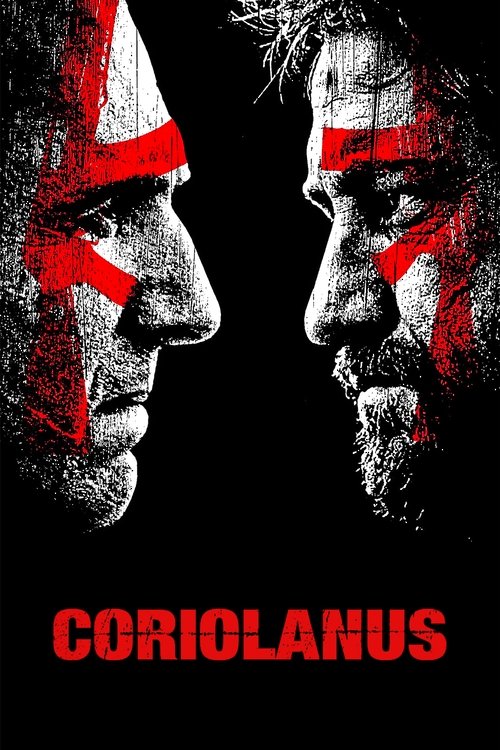
Coriolanus2011
Ralph Fiennes directs and stars in this sharp, modern Shakespeare adaptation. Political rage and family loyalty collide with unflinching intensity and real sophistication.
But Easier to admire than to enjoy. The fascistic aesthetics, intentional though they are, can feel cold rather than engaging.
Medea1969
Pier Paolo Pasolini's adaptation of another revenge tragedy—spare, ritualistic, and hypnotic. Proves that classical violence can be contained and intensified through restraint.
But Deliberately archaic and slow. Maria Callas's performance is powerful but emotionally distant by design.

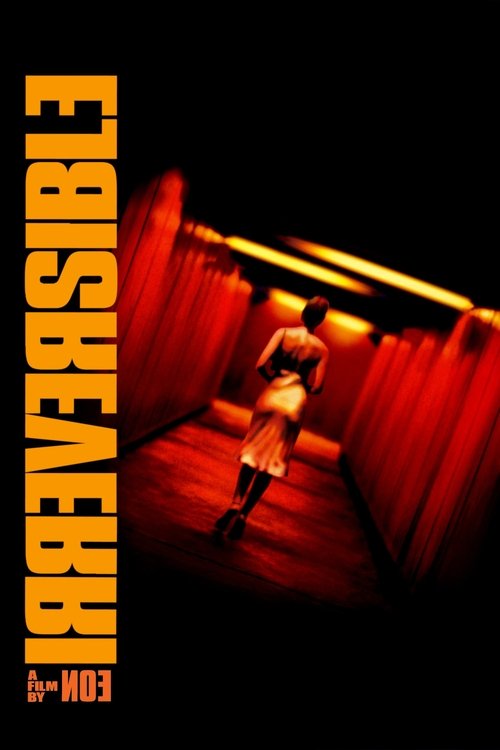
Irreversible2002
A non-linear descent into how violence unmakes the world and relationships. Gaspar Noé's formal ambition matches the horror of what he's showing you.
But Contains brutal scenes of real suffering designed not to titillate but to wound the viewer. Very difficult to watch.
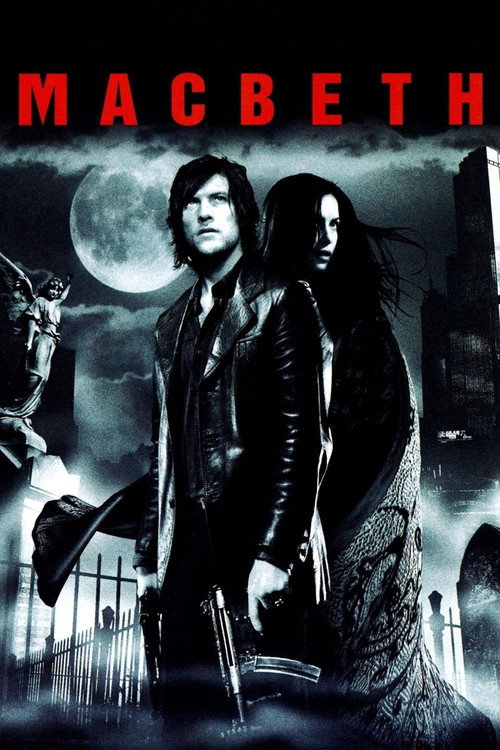
Macbeth2006
Geoffrey Wright's adaptation, brutal and contemporary, understands that Shakespeare's violence is about ambition poisoning the soul. Gritty without losing the poetry.
But Updates the setting aggressively enough that it can feel like a departure from the text rather than an illumination of it.
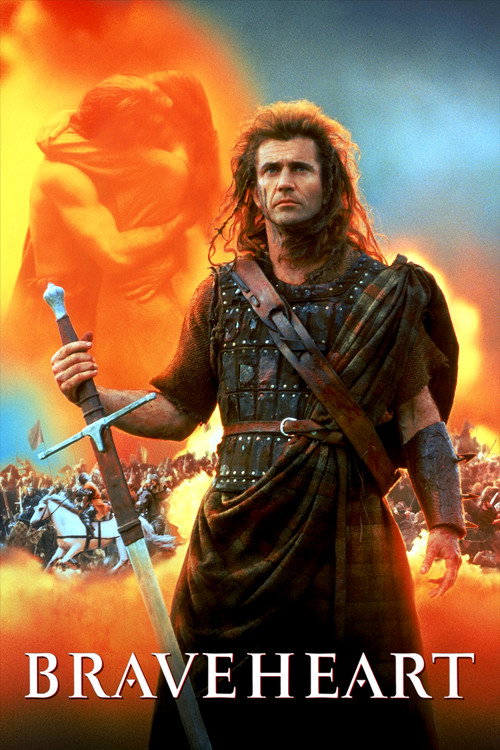
Braveheart1995
Mel Gibson's historical epic wears the same passion for grievance and spectacle, with similar questions about whether violence solves anything. Kinetic and committed.
But The historical revisionism can be grating. The emotional beats sometimes veer into melodrama rather than tragedy.
Venom1981
A chamber thriller where consequences tighten around trapped characters, showing how vengeance warps judgment. Lean, efficient, and genuinely tense.
But Very much a product of its time. The pacing feels slow to modern audiences conditioned by faster editing.

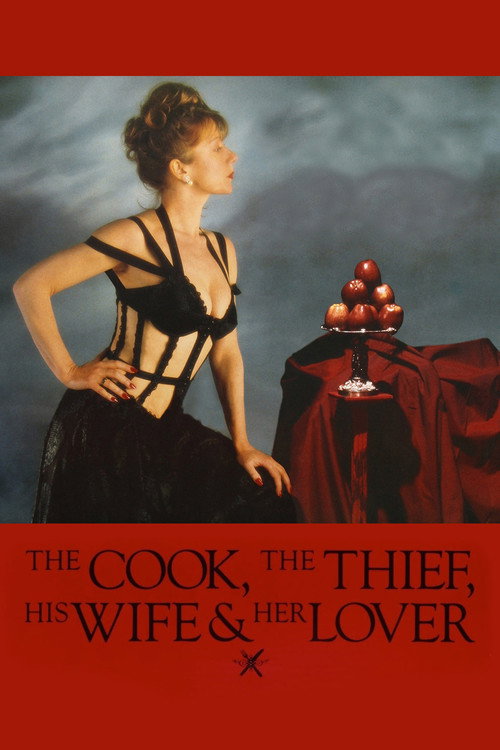
The Cook, the Thief, His Wife & Her Lover1989
Both are uncompromising formal experiments built on Shakespearean themes of degradation and power. Both believe cinema should make you uncomfortable.
Peter Greenaway's baroque nightmare of power, humiliation, and retribution. Every frame is a painting of cruelty. It understands that theatre can be a vehicle for showing inhumanity without sanitising it.
But Sexually explicit, scatological, and deliberately obscene. Not exploratory—aggressively confrontational. Some will see it as provocation rather than art.
Come and See1985
Both refuse to aestheticize suffering or deliver catharsis through revenge. Both believe art has a duty to show the full cost of brutality, not diminish it.
Elem Klimov's Soviet war film about a boy's descent into moral collapse. Handheld, chaotic, genuinely monstrous in what it shows. The most punishing examination of what violence does to the human capacity for empathy ever filmed.
But Genuinely traumatising. Graphic in ways that serve only grief and horror, not spectacle. Watching it feels like an ordeal by design.

People
Cast
- Candy K. SweetTamora
- Lexton RaleighAaron
- Alex ChewLucius
- Tom DennisDemetrius
- Buddy SpaffordCasca
- Robert ReeceTitus Andronicus
- Levi TinkerChiron
Directing
- Christopher DunneDirector
Recommended by
Othello, Measure for Measure, The Tragedy of King Lear, Othello, The Duchess of Malfi