
Film
Medea
Other titles called Medea: the 1989 film.
- Period drama
- Tragic romance
- Very dark
Pier Paolo Pasolini's operatic, painterly adaptation of Euripides' tragedy. Maria Callas commands the screen as a woman displaced and betrayed, transforming ancient myth into a howl of despair and rage. It's formal, ritualistic, sexually charged, and genuinely unsettling—cinema that privileges raw emotion and visual beauty over narrative comfort.
Should you watch it?
Watch it if you are drawn to operatic, stylised myth where ritual, stone landscapes and a single towering performance matter more than naturalism, and you like tragedy told slowly.
Skip it if you want a brisk plot or conventional dialogue, since this is deliberate, heavily ritualised and often quiet, with long stretches where feeling outweighs action.
What it asks of you: Just under two hours at a measured, incantatory pace, with little comic relief, asking you to sit with grief and rage rather than follow a quick narrative.
Not sure? Find tonight's pick in a minute.
If you liked this
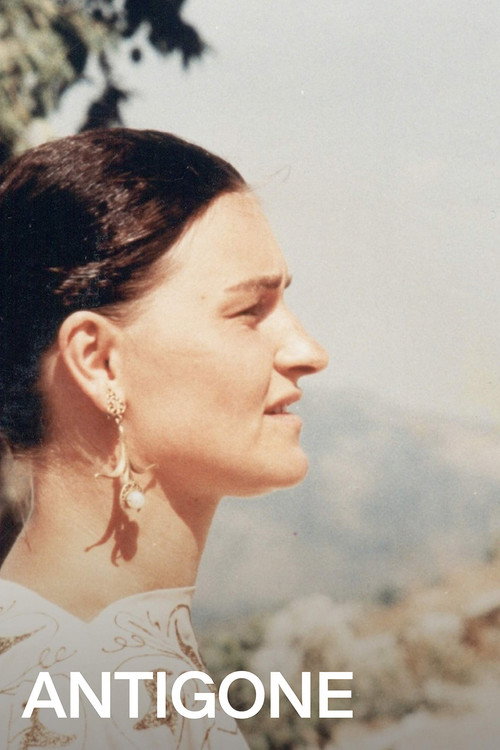
Antigone1992
Another Euripides tragedy filmed with austere intensity by Sophocles' work's fierce political anger. Sophie Okonkwo and Juliet Stevenson command attention as a woman defying authority at the cost of everything. Explores the collision between personal morality and state law with uncompromising clarity.
But Deliberately stagey and dialogue-heavy, with a pace that tests patience. The 1992 BBC production aesthetic feels decidedly theatrical rather than cinematic.
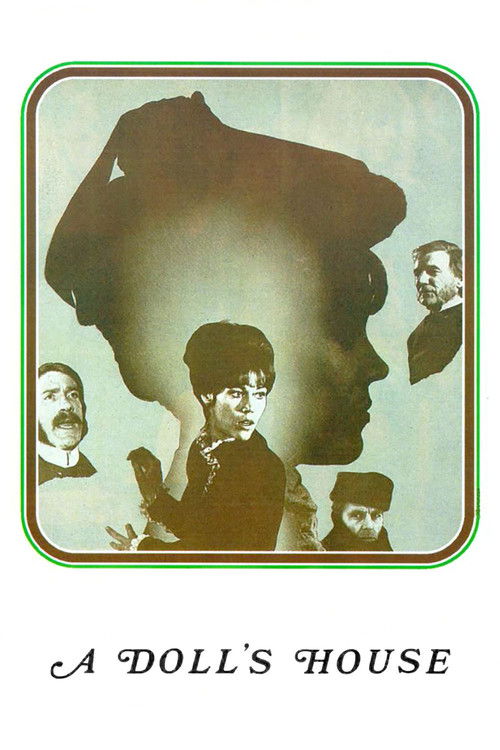
A Doll's House1973
Jane Fonda as Nora in Joseph Losey's adaptation of Ibsen's play about a woman abandoning her marriage for selfhood. It shares Medea's portrait of a woman pushed past the breaking point and refusing the role society demands. Raw, modern, feminist.
But The 1970s gender politics messaging can feel pointed rather than organic. Some viewers find the theatrical staging constraints the film's visual possibilities.
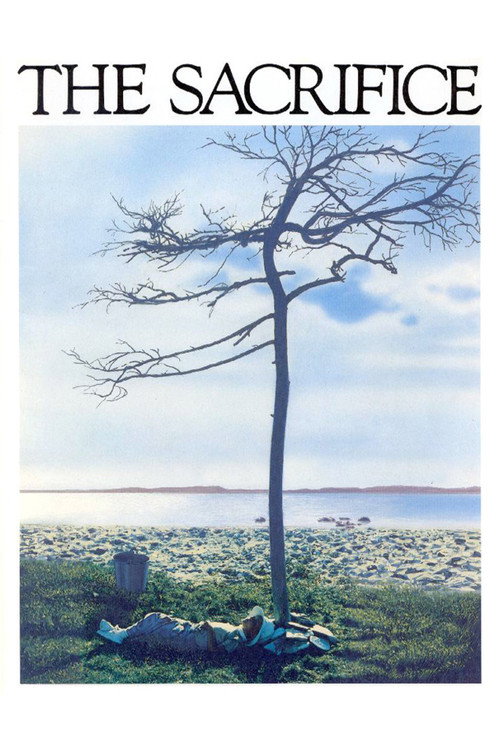
The Sacrifice1986
Tarkovsky's final film about a man's desperate spiritual bargaining, filmed with the same painterly composition and ritualistic solemnity Pasolini brought to Medea. Long, meditative, and concerned with impossible moral choices and the breakdown of family bonds.
But Glacially paced over three hours. Requires patience with abstraction and metaphor; concrete plot is secondary to philosophical mood.
Not sure tonight? Get a pick in a minute, starting from Medea
The wildcard
Something you would not have found on your own.
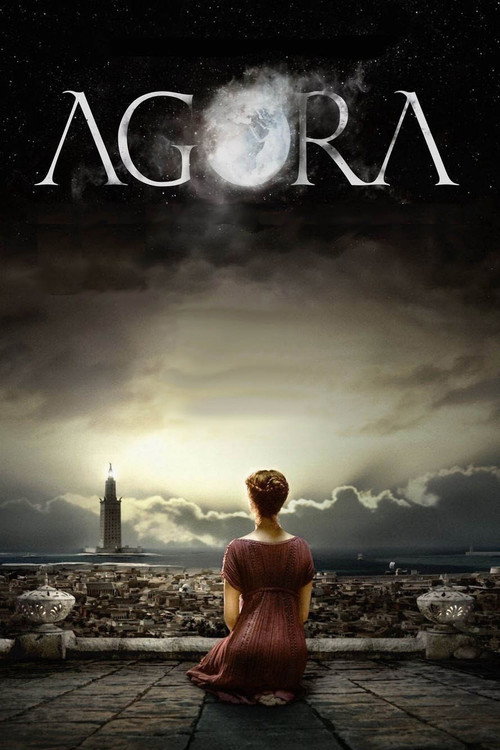
Agora2009
Both center on women whose intelligence and foreignness make them dangerous to the men around them; both use grand cinematic language to render female rage as tragedy rather than melodrama.
Alejandro Amenábar's film about Hypatia of Alexandria, a woman brilliant enough to threaten the patriarchal order. Like Medea, it's about female intellectual power weaponized against systems that won't contain it, rendered in operatic visual style. Epic in scope but focused on internal wreckage.
But Historically loose and sometimes heavy-handed in its modern parallels. The blockbuster scale occasionally overrides intimate character study.
More like this (6)
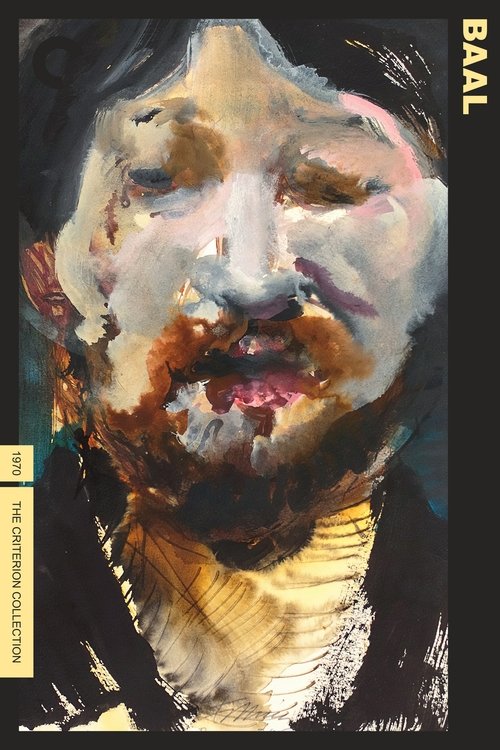
Baal1970
Rainer Werner Fassbinder's adaptation of Bertolt Brecht's play about a self-destructive man who corrupts everyone around him. Similar formal audacity and moral complexity—both protagonists embody chaos that destroys those closest to them. Visually striking.
But Male-centred perspective inverts what makes Medea's rage resonant. Considerably less visually sumptuous; Fassbinder's style is harsher and colder.
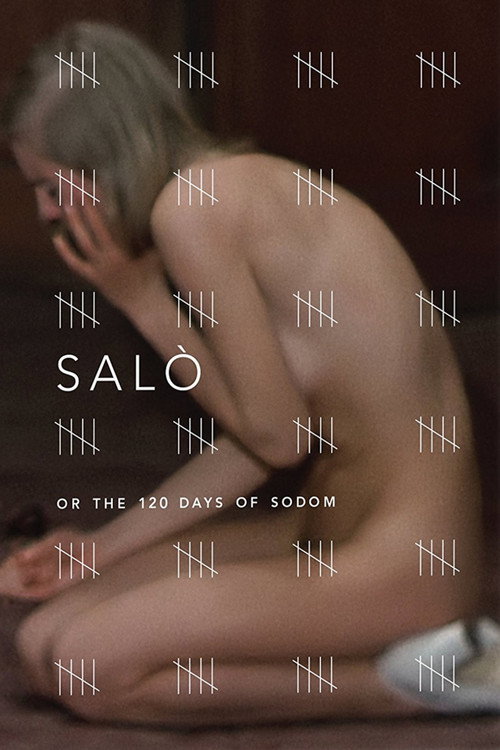
Salò, or the 120 Days of Sodom1976
Pasolini's final film before his death; essential if Medea moved you. Equally baroque, shocking, and concerned with power, cruelty, and the body. Treats transgression as cinema's proper subject and refuses easy moralism.
But Graphically explicit and genuinely disturbing. Many will find it unwatchable rather than thought-provoking; it demands serious preparation and stomach.
The Red Shoes1948
Powell and Pressburger's ballet-obsessed masterpiece shares Medea's operatic intensity and visual sumptuousness. A woman trapped between love and art, duty and desire, rendered in technicolor splendor. Hypnotic and formally revolutionary.
But Extended dance sequences dominate the final act. If you're impatient with ballet, you'll struggle with the film's elaborate centerpiece.

Venom1981
Klaus Kinski as a visionary fascist philosopher in Werner Schroeter's experimental baroque chamber piece. The same register of visual excess and exploration of malign charisma Pasolini favored. Utterly singular and intoxicating.
But Virtually plotless and densely symbolic. The density of cultural reference and formal difficulty means a first viewing leaves many audiences baffled rather than moved.

Under the Skin2014
Jonathan Glazer's hypnotic science-fiction film about otherness, predation, and seduction. Scarlett Johansson as an alien woman luring men to their doom—outsider female sexuality as threat. Formally experimental, emotionally cold, visually ravishing.
But Minimal dialogue and glacial pacing will frustrate anyone seeking narrative clarity. The final third abandons plot almost entirely for pure atmosphere.

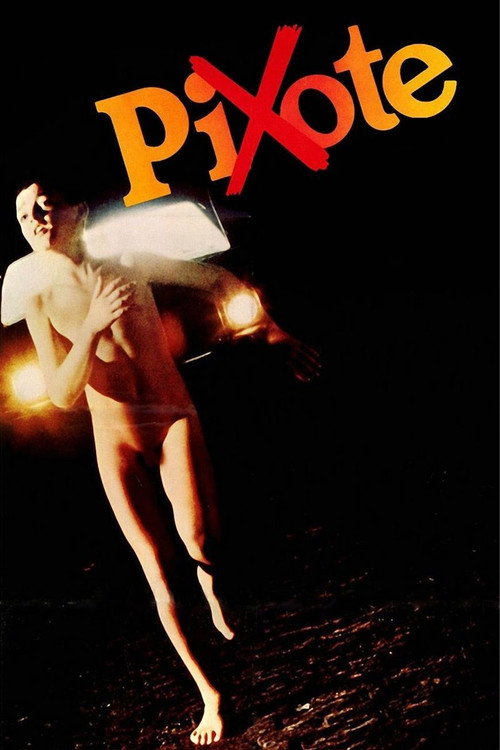
Pixote1980
Pasolini and Babenco shared commitment to making cinema about the disposable people society ignores, using formal beauty to dignify suffering rather than exploit it.
Héctor Babenco's shattering Brazilian film about abandoned children in São Paulo—the same social realism Pasolini channeled through classical myth. Raw, unflinching examination of how systems destroy the vulnerable. Features non-professional actors and improvisation; feels visceral and true.
But Harrowing depiction of child exploitation and brutality. The despair is comprehensive; there is no redemptive frame. Genuinely difficult to sit with.
People
Cast
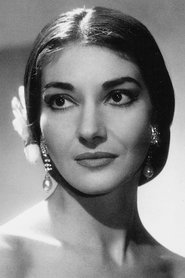 Maria CallasMedea
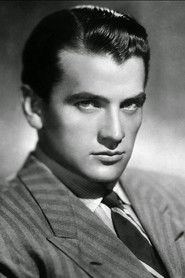 Massimo GirottiCreonte
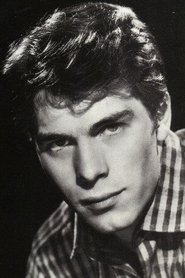 Laurent TerzieffChirone
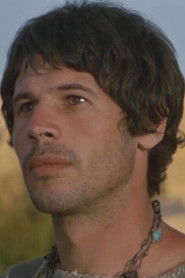 Giuseppe GentileGiasone
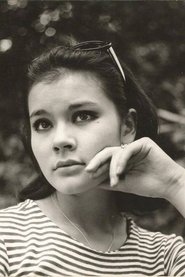 Margareth ClémentiGlauce
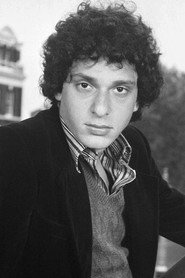 Paul JabaraPelias
- Gerard WeissSecond Centaur
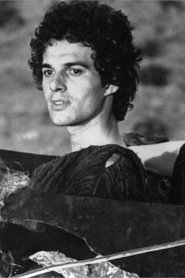 Sergio TramontiApsirto, Medea's Brother
- Luigi BarbiniArgonaut
- Luigi MasironiJason at 5
- Michelangelo MasironiJason at 13
Directing
- Carlo CarunchioAssistant Director
- Sergio CittiAssistant Director
- Pier Paolo PasoliniDirector
- Beatrice BanfiScript Supervisor
Writing
- EuripidesTheatre Play
- Pier Paolo PasoliniWriter
Production
- Aureliano Lalli PersianiAdministration
- Klaus HellwigAssociate Producer
- Pierre KalfonAssociate Producer
- Bino CicognaProducer
- Franco RosselliniProducer
- Georges ChappedelaineProducer
- Marina CicognaProducer
- Fernando FranchiProduction Manager
- Paolo LucianiProduction Secretary
- Pietro NardiProduction Supervisor
- Sergio GalianoProduction Supervisor
- Enrico LucheriniPublicist
- Margherita AutuoriPublicist
- Matteo SpinolaPublicist
Recommended by
Oedipus Rex, Doctor Foster, Kaos, The Trojan Women, Electra, Titus Andronicus, Oedipus the King, Othello, Billy Budd