
Film
Oedipus Rex
- Period drama
- Very dark
Pier Paolo Pasolini's audacious 1967 film transplants Sophocles' ancient tragedy into modern Italy, then back to a mythic desert landscape. It's strange, sensual, and deliberately artificial—operatic rather than naturalistic. The film moves through time and registers like a fever dream, asking what it means to be trapped by fate. For viewers ready to surrender to ambition over comfort.
If you liked this
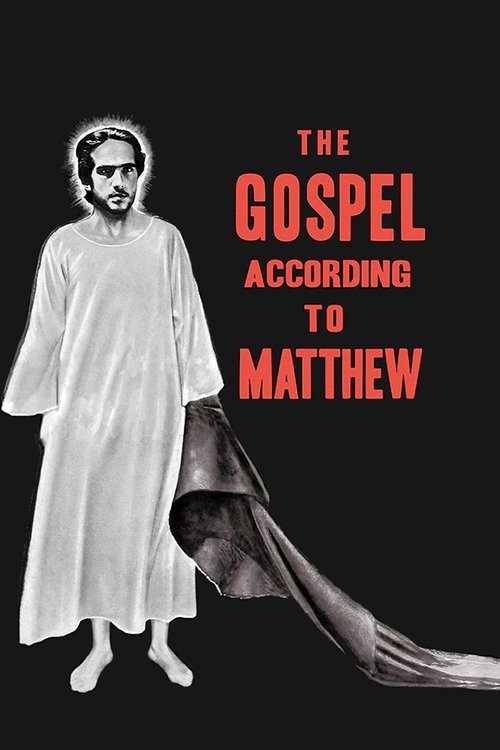
The Gospel According to St. Matthew1965
Pasolini's previous masterpiece shows his gift for sacred material and formal boldness. Stark, moving, shot in black-and-white with non-professional actors. Essential if you want to understand his visual language.
But It's deeply devout without being conventionally Christian, which unsettles some viewers. Also quite slow and demanding.
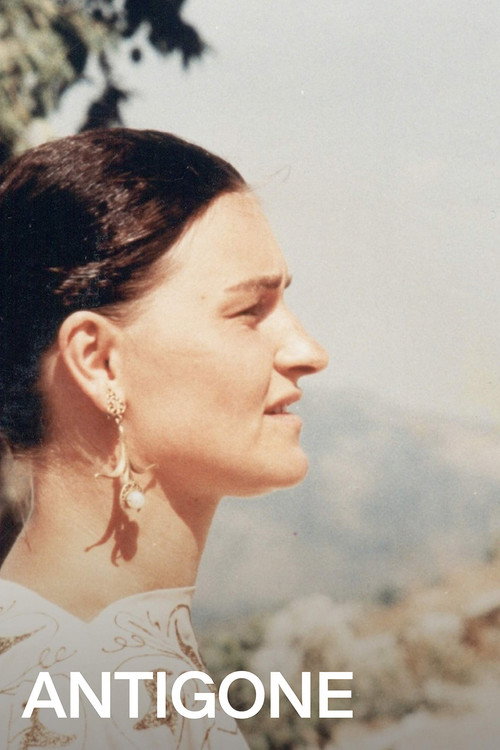
Antigone1992
Another ancient Greek tragedy adapted for film, this 1910 version proves the form can work on screen. More conventional than Pasolini, but shows how artists have long wrestled with staging the classics.
But It's silent and stagey by modern standards. The archaic acting style will feel mannered to contemporary eyes.
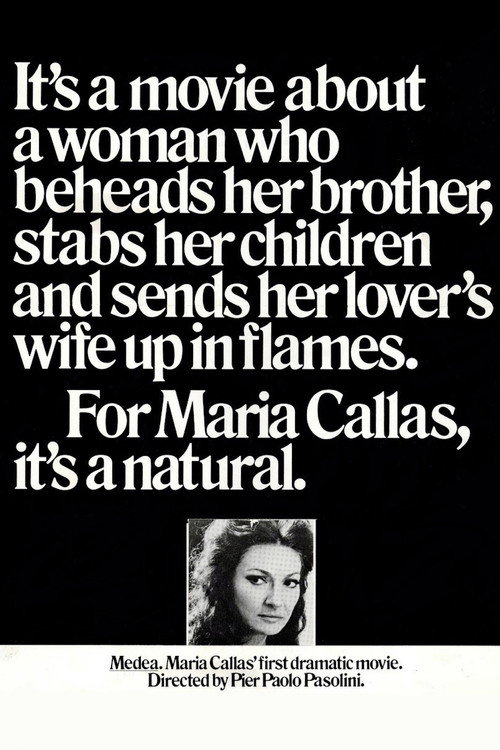
Medea1969
Pasolini's follow-up to Oedipus Rex, with Maria Callas and the same mythological ambition. Visually stunning, formally daring, exploring passion and cultural collision.
But Even more abstract and non-narrative than Oedipus Rex. Some find it glacial; others find it hypnotic.
Not sure tonight? Get a pick in a minute, starting from Oedipus Rex
The wildcard
Something you would not have found on your own.
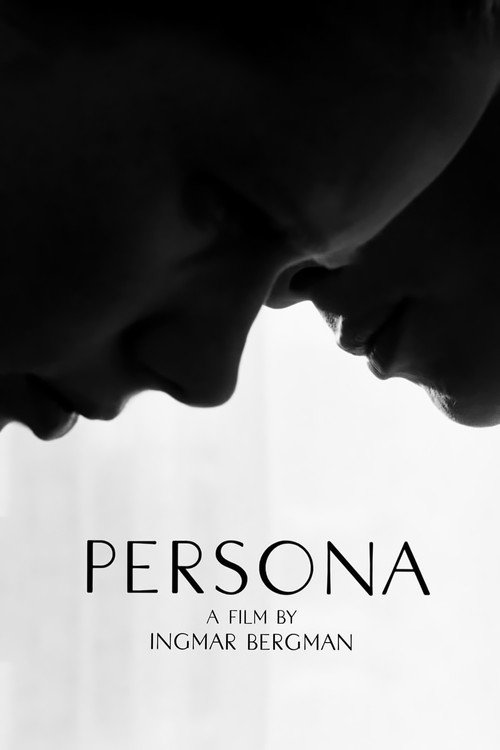
Persona1966
Both films distrust narrative realism and use extreme formalization—abstraction, silence, ritualized gesture—to explore identity and the self as unstable.
Bergman's masterpiece probes identity and transformation through intense psychological drama rather than myth. Both films reject psychological realism for something more dreamlike and ritualistic. The connection is formal: how to make the internal visible on screen.
But It's abstract, emotionally cold, and offers no catharsis. Some experience it as a profound meditation; others as self-indulgent cinema at its worst.
More like this (6)
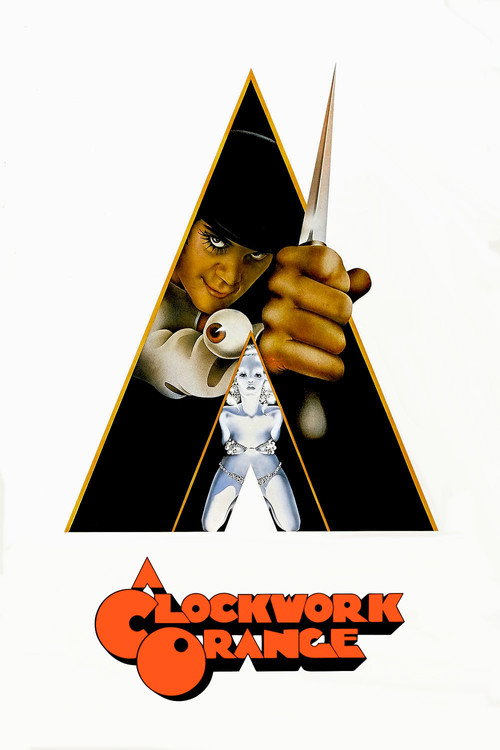
A Clockwork Orange1971
Kubrick's adaptation of Anthony Burgess shows another major director using stylization and artifice to explore fate and free will. Both films trust the audience to sit with discomfort.
But Its violence and sexual content remain shocking and disturbing. It's provocative by design, which isn't everyone's evening.
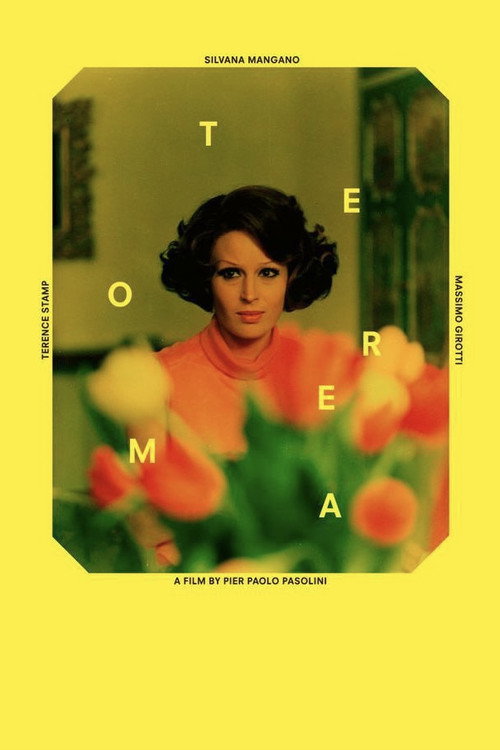
Theorem1968
Another Pasolini film exploring desire and corruption in bourgeois Italy. Less mythological than Oedipus Rex but equally formal and mysterious. Hypnotic.
But It's oblique and symbolic rather than plot-driven. Patience is required; answers aren't provided.
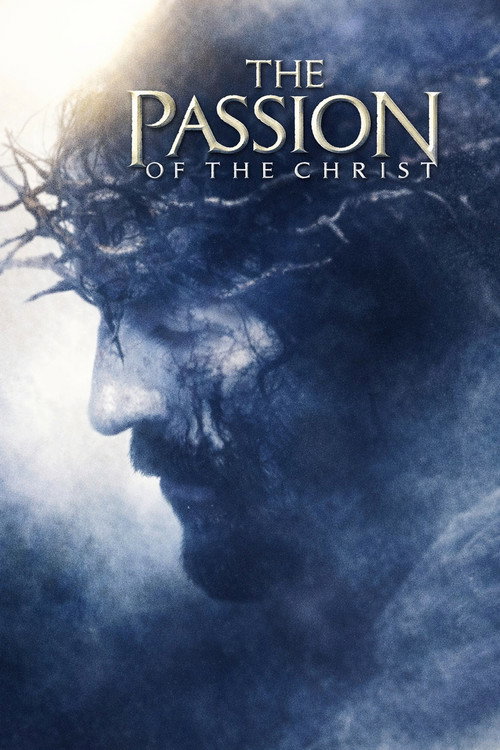
The Passion of the Christ2004
Mel Gibson's ultra-stylized account of Christ's final hours shares Oedipus Rex's commitment to heightened form and the sacred grotesque. Unflinching and operatic.
But Its graphic violence and religious specificity will alienate many. It's an act of provocation disguised as devotion.
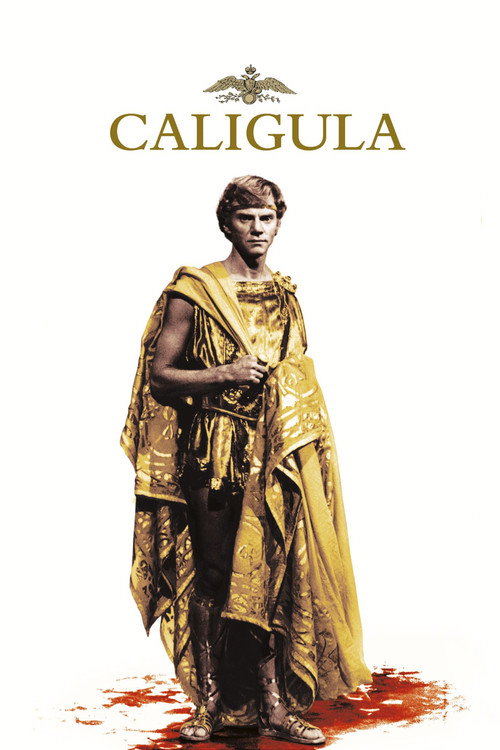
Caligula1979
Tinto Brass's notorious adaptation of ancient Rome shares the sensual excess and formal ambition of Pasolini. It aims for tragedy and often finds hysteria instead, but never bores.
But It's frequently dismissed as trash, and not without reason. The sex and violence feel gratuitous rather than necessary.
Suspiria1977
Both abandon conventional narrative for a heightened, almost balletic visual language. Both are about being caught in a web of predetermined violence. Both are visionary rather than functional.
Dario Argento's giallo masterpiece is operatic in a different register: lurid, colored, synth-scored, purely visual storytelling. Like Oedipus Rex, it prioritizes aesthetic experience over plot clarity. Hypnotic.
But It's vulgar where Pasolini is austere, and plot is almost irrelevant. If you need narrative logic, you'll be frustrated.

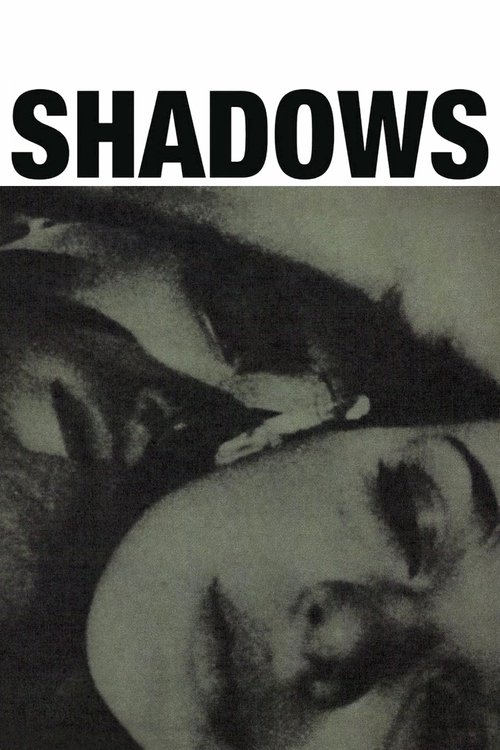
Shadows1960
Both films refuse the safety of genre or conventional narrative. Both use formal difficulty as a way to make viewers experience alienation and displacement rather than merely observe it.
Cassavetes' improvisational jazz-inflected drama about identity and belonging. Predates Pasolini but shares his conviction that cinema must break form to reach truth. Raw, alive, nothing like Oedipus Rex and yet spiritually adjacent.
But The grainy black-and-white, improvised dialogue, and formless structure frustrate viewers seeking conventional drama. It requires active engagement, not passive consumption.
People
Cast
 Franco CittiOedipus
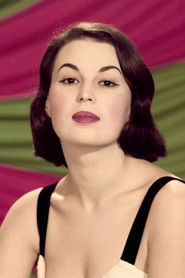 Silvana ManganoJocasta, Queen of Thebes (and unnamed Italian young mother)
 Alida ValliMerope, Queen of Corinth
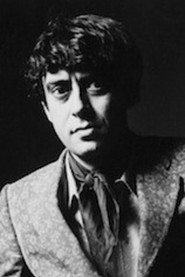 Carmelo BeneCreon
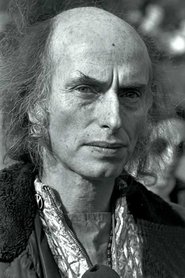 Julian BeckTiresias
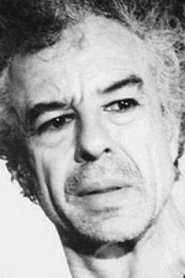 Luciano BartoliLaius, King of Thebes (and unnamed Italian young father)
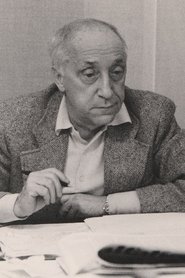 Francesco LeonettiServo di Laio
- Ahmed BelhachmiPolybus, King of Corinth
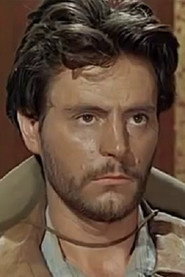 Giovanni Ivan ScratugliaSacerdote
- Giandomenico DavoliPastore di Polibo
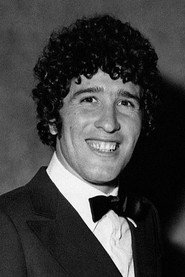 Ninetto DavoliAngelo
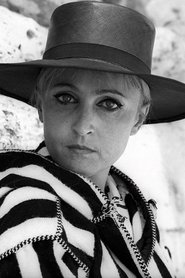 Laura BettiJocasta's Maid (uncredited)
Directing
- Benoît LamyAssistant Director
- Jean-Claude BietteAssistant Director
- Pier Paolo PasoliniDirector
- Lina D'AmicoScript Supervisor
Writing
- SophoclesTheatre Play
- Pier Paolo PasoliniWriter
Production
- Alfredo BiniProducer
- Eliseo BoschiProduction Manager
- Walter FabrizioProduction Secretary
- Mario CocciolettiProduction Supervisor