
Film
The Passion of the Christ
- Drama
- Very dark
Mel Gibson's unflinching account of Christ's final hours: brutal, devotional, visually overwhelming. Shot largely in Aramaic and Latin, it's a sensory experience—liturgical rather than narrative. For the faithful seeking artistic immersion and anyone curious about faith explored through bodily suffering rather than theology.
Should you watch it?
Watch it if you come to films for devotional seriousness or painterly, unflinching craft, and you can sit through sustained brutality without needing it to explain itself.
Skip it if you want a story that moves briskly or keeps its violence at a distance; the gore is relentless and the pacing rarely gives you room to breathe.
What it asks of you: Two hours of sustained attention, mostly in close, lingering detail, with long stretches of near silence and very little relief between scenes.
Not sure? Find tonight's pick in a minute.
If you liked this
The Last Temptation of Christ1988
Scorsese's equally controversial, equally committed exploration of Christ's humanity and doubt. If you're drawn to ambitious artists wrestling with faith on film, this is the counterargument you need to see.
But Blasphemy charges followed it for decades, and not without reason. The finale will alienate anyone seeking reverence over provocation.
Risen2016
A Roman centurion investigates the Resurrection as a detective mystery. It shares your film's commitment to physical, embodied faith—but approaches it through doubt and evidence rather than passion.
But The mystery-thriller structure feels generic compared to Gibson's visual intensity. Competent rather than transcendent.
The Greatest Story Ever Told1965
Stevens' epic spans Christ's entire ministry with widescreen grandeur and a stellar cast (including John Wayne, inexplicably). A monument to faith told as old Hollywood spectacle, utterly sincere.
But Nearly four hours, and the pacing can drag. The reverence sometimes tips into stiffness. A beautiful artifact rather than alive.
Not sure tonight? Get a pick in a minute, starting from The Passion of the Christ
The wildcard
Something you would not have found on your own.
A Serious Man2009
Both films argue that faith is inseparable from bodily pain and abandonment. Gibson answers with resurrection; the Coens don't answer at all. One completes the other.
The Coens use Job's sufferings (and a rabbi's silence) to ask whether faith survives when God offers no answers. Like Gibson's film, it treats suffering as central to faith—but here suffering has no redemptive logic, and that's the whole point.
But The protagonist is a mundane, contemporary man facing mundane catastrophe. If you need transcendence or cosmic significance, this is aggressively small and unresolved.
More like this (7)
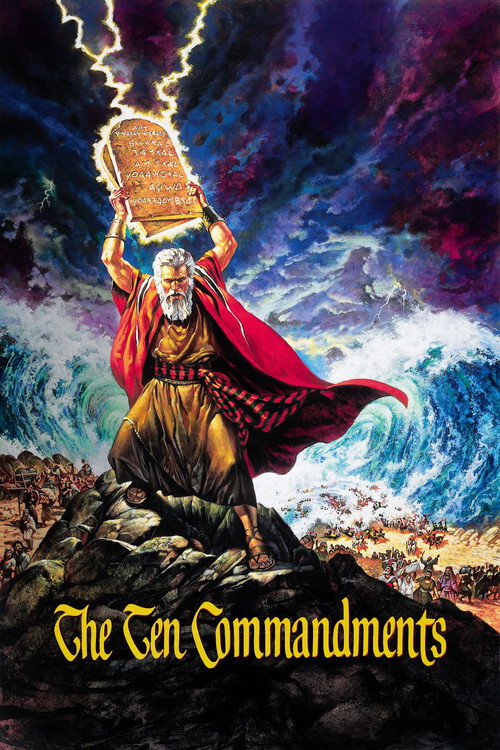
The Ten Commandments1956
DeMille's biblical epic with the scale, sincerity, and technical ambition your film shares. Charlton Heston leading thousands through the desert—faith as immense, ancient, inarguable spectacle.
But The acting is broad and the dialogue functional. It works through size and production value, not subtlety. A museum piece now.
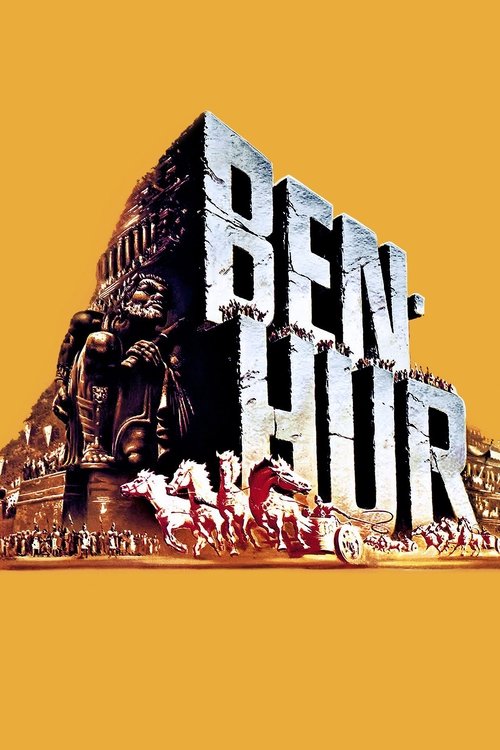
Ben-Hur1959
Christ appears peripherally in this revenge epic, handled with reverence in a story about faith rewon through suffering. A different entry point to sacred subject matter—more action, less theology.
But Christ is barely a character; he's a symbol. If you want engagement with the divine rather than just its presence, this won't satisfy.
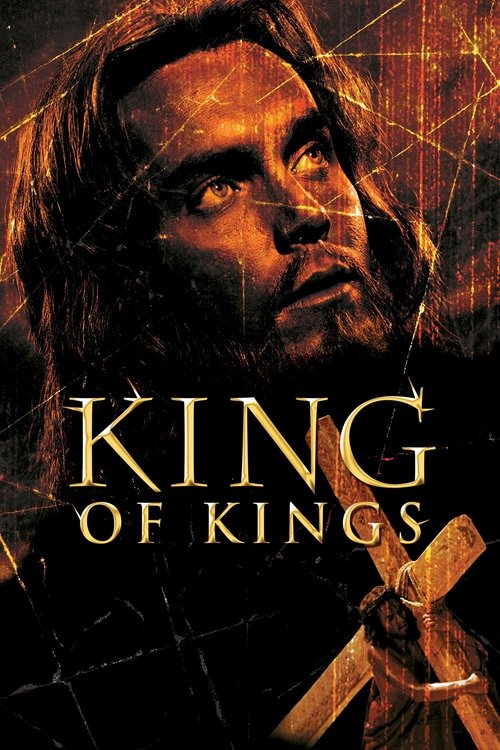
King of Kings1961
Ray's comprehensive Christ narrative, shot in vivid color with real grandeur. More humanizing than Gibson's version but equally committed to treating the sacred as visual and felt.
But At 168 minutes, it's exhausting. The acting is very '60s. Earnestness can read as dated when it's no longer the cultural default.
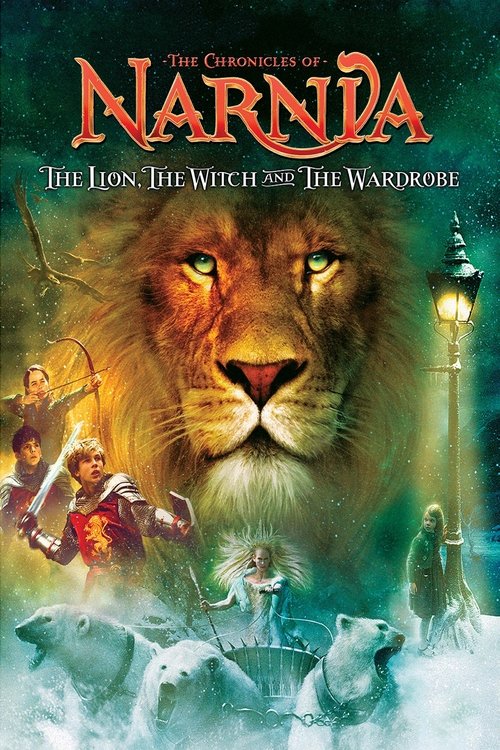
The Chronicles of Narnia: The Lion, the Witch and the Wardrobe2005
If you respond to Gibson's film as faith allegory rather than literal depiction, this uses fantasy to explore redemptive sacrifice and resurrection with similar conviction and (in places) genuine power.
But It's a children's film, and that feels reductive after the intensity you've experienced. The tone whiplash is real.
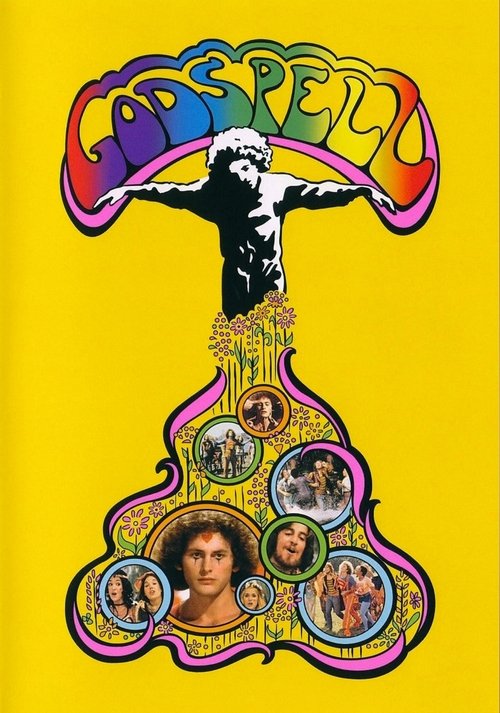
Godspell1973
A musical retelling of Matthew's Gospel with genuine joy and accessibility. Proof that devotional cinema doesn't require suffering—that faith can be celebratory, communal, playful. A needed alternative vision.
But The '70s aesthetic can feel quaint. The simplification of theology into pop songs will feel glib if you prefer complexity. Some find it sacrilege of a different kind.
The Seventh Seal1957
Both are attempts to film the unforgettable through bodies and landscape rather than dialogue. Both treat faith as a wager made in the face of suffering. But where Gibson offers certainty, Bergman offers only questions—which is its own kind of faith.
Bergman's knight plays chess with Death itself while plague ravages the land. Medieval, metaphysical, unforgettable—a meditation on faith's possibility when God is silent. Visual cinema at its most profound.
But Swedish, black-and-white, slow, and often bleak. The symbolism is dense. If you came for narrative or comfort, this offers neither. It requires patience and intellectual engagement.

The Holy Mountain1973
Both filmmakers believe the body—raw, suffering, transcendent—is the only true language for the sacred. Gibson's body is Christ's; Jodorowsky's is everyone's seeking enlightenment. Same conviction, opposite registers.
Jodorowsky's surrealist spiritual odyssey: hermetic, operatic, utterly unlike anything else. If you believe cinema can be liturgical and hallucinogenic at once, this takes devotional filmmaking into territory Gibson never approaches.
But Explicit imagery that's not religious in any traditional sense. Avant-garde symbolism that actively resists interpretation. It will feel like blasphemy or nonsense to most, and possibly both simultaneously.

People
Cast
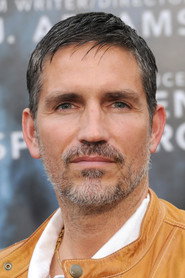 Jim CaviezelJesus
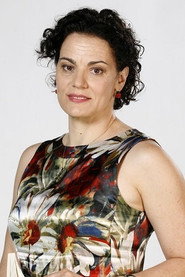 Maia MorgensternMaria
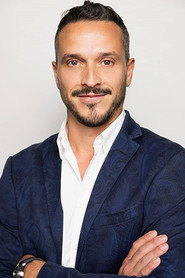 Christo JivkovJuan
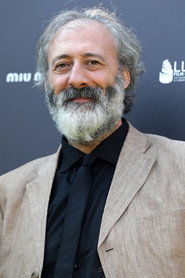 Francesco De VitoPedro
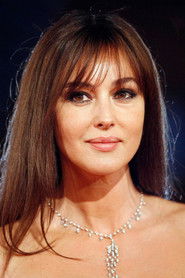 Monica BellucciMagdalena
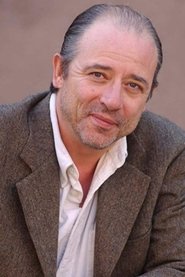 Mattia SbragiaCaifás
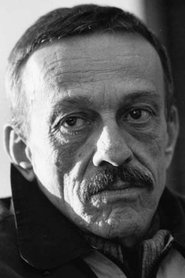 Toni BertorelliAnás
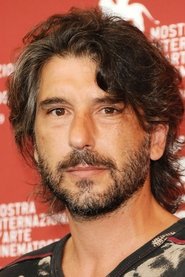 Luca LionelloJudas
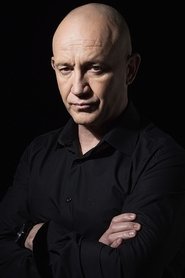 Hristo ShopovPoncio Pilato
 Claudia GeriniClaudia Procles
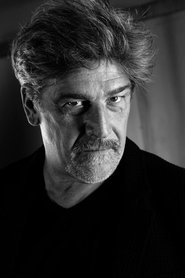 Fabio SartorAbenader
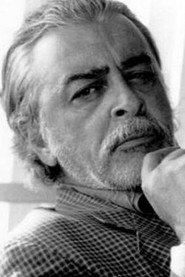 Giacinto FerroJoseph of Arimathea
Directing
- Mel GibsonDirector
- John M. NelsonFirst Assistant Director
- Rachel GriffithsFirst Assistant Director
- Sergio ErcolessiFirst Assistant Director
- Eleonora BaldwinScript Supervisor
- Barbara PastrovichSecond Assistant Director
- Mimosa Nistri RanallettiSecond Assistant Director
- Emanuela MinoliSecond Second Assistant Director
- Ted RaeSecond Unit Director
Writing
- Benedict FitzgeraldScreenplay
- Mel GibsonScreenplay
Production
- Alberto De StefaniAccountant
- Kate CarlinADR Voice Casting
- Patrizia RolettiAssistant Production Coordinator
- Alfredo EcolangeliAssistant Unit Manager
- Shaila RubinCasting
- Krassimir IvanovCasting Assistant
- Michela ForbicioniCasting Assistant
- Harvey LowryDirector of Operations
- Enzo SistiExecutive Producer
- Jan MicheliniKey Set Production Assistant
- Claudia MoscatelloLocation Coordinator
- Andrea PassalacquaLocation Manager
- Francesco Di SilvioLocation Manager
- Bruce DaveyProducer
- Mel GibsonProducer
- Stephen McEveetyProducer
- Alessandro FioritoProduction Accountant
- Giancarlo J. SiniProduction Accountant
- Giorgio CatalanoProduction Accountant
- Maria FioritoProduction Accountant
- Daniel de RossiProduction Assistant
- Gary J. GrossProduction Consultant
- Cecilia AlvarengaProduction Coordinator
- Kenneth E. GrassiProduction Coordinator
- Sharon Kelly-RussoProduction Coordinator
- Silvia RioloProduction Secretary
- Diane HowardPublicist
- Federico FotiUnit Manager
- Marco OlivieriUnit Manager
- Vito ColazzoUnit Production Manager
Recommended by
Silence, The Passion of Joan of Arc, Oedipus Rex, Incendies, The Physician, The Greatest Story Ever Told, The Messenger: The Story of Joan of Arc, Golgotha, Paul, Apostle of Christ, The Gospel of John, Christmas with The Chosen: The Messengers, The Preacher's Wife