
Film
King of Kings
- Period drama
- Slow-burning
Nicholas Ray's epic retelling of Christ's ministry, shot in VistaVision with a painterly reverence for light and landscape. Jeffrey Hunter brings intellectual depth and vulnerability to Jesus, while the film treats the surrounding politics—Roman occupation, Jewish factionalism, personal temptation—with surprising sophistication. It's devotional cinema for the thoughtful, not the bombastic.
Should you watch it?
Watch it if you love sweeping, old-fashioned Hollywood epics where the spectacle, big choral music and reverent storytelling carry the weight, and you don't mind a classic devotional tone like the 1950s Ten Commandments films.
Skip it if you want a gritty, modern take on the life of Jesus, since this one is polished, stagey and earnest, and its pace can feel stately rather than urgent.
What it asks of you: Nearly three hours of patience, with long stretches of talk and pageantry arranged around big set pieces; it moves at a measured, ceremonial pace rather than a brisk one.
Not sure? Find tonight's pick in a minute.
If you liked this
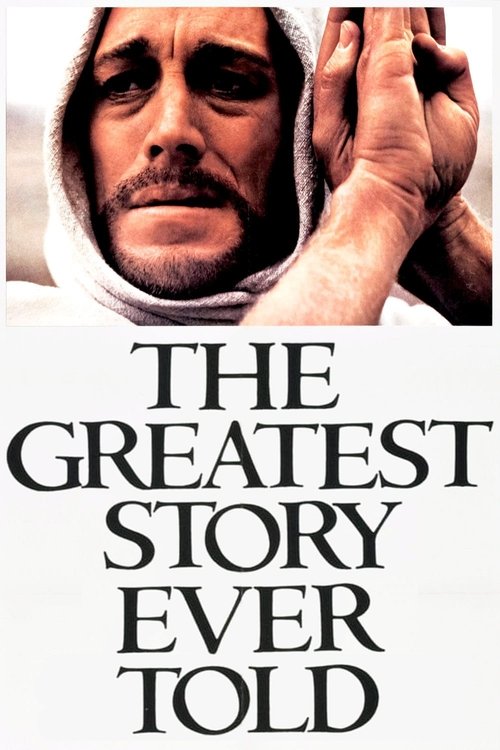
The Greatest Story Ever Told1965
George Stevens' even grander, more lavish adaptation with an extraordinary ensemble cast. If King of Kings captured your interest, this is the Cinerama answer—biblical epic at the absolute height of Hollywood's ambition.
But Nearly four hours long, and its reverent pacing can feel glacial. The sheer scale sometimes overwhelms rather than enlightens.
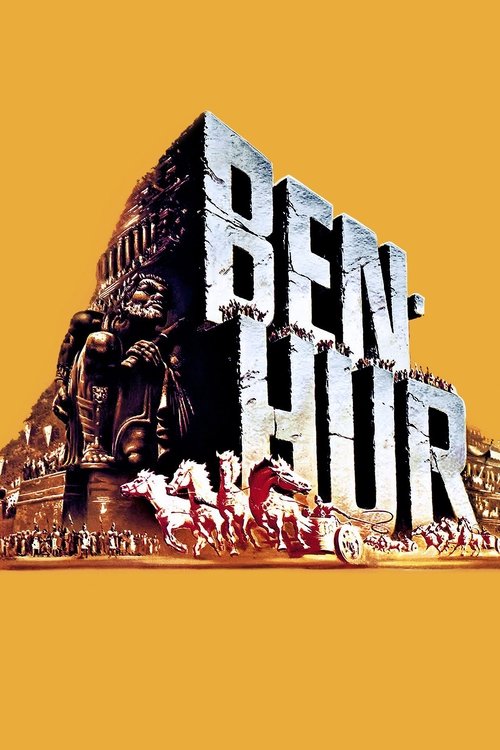
Ben-Hur1959
William Wyler's epic masterwork about faith, revenge, and redemption set in the same world. Charlton Heston's transformation across the film is extraordinary, and the chariot race alone justifies the runtime.
But At over three hours, it's a commitment. The theatrical pacing will test modern attention spans.
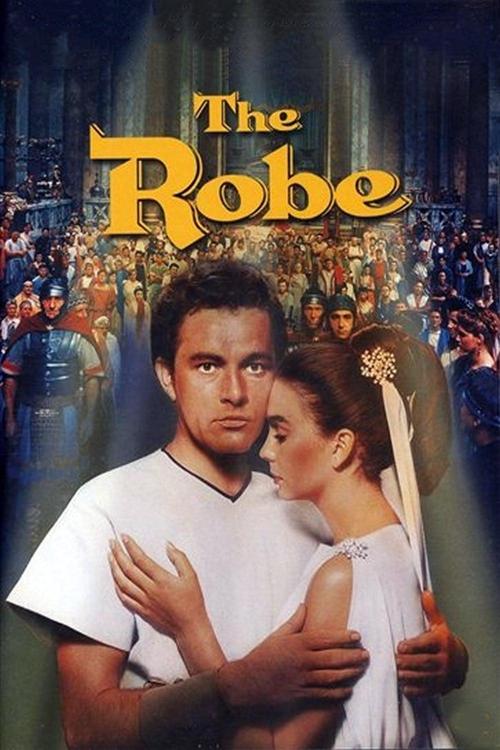
The Robe1953
Henry Koster's Technicolor spectacle follows a Roman soldier haunted by his role in the Crucifixion. It's the template for biblical epics and remains genuinely moving—faith born from doubt rather than certainty.
But The first CinemaScope film ever made, which is wonderful historically but sometimes creaks technically. Some dialogue lands awkwardly by modern ears.
Not sure tonight? Get a pick in a minute, starting from King of Kings
The wildcard
Something you would not have found on your own.
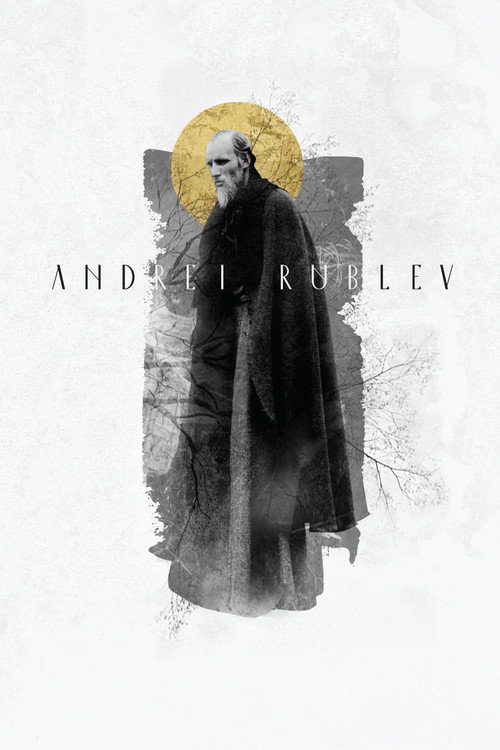
Andrei Rublev1966
Both are about how cinema itself becomes theology—how image-making can convey faith more honestly than words or spectacle. Ray and Tarkovsky trust the visual to carry weight.
Andrei Tarkovsky's three-hour meditation on faith, art, and doubt through the life of a medieval Russian icon painter. It's not *about* Christianity in an obvious way—it's about how art survives suffering and how creation can be an act of faith itself. The sequence with the bell-foundry is transcendent.
But Glacially paced. Long takes of 16th-century monasteries and horses. Requires total surrender to Tarkovsky's rhythm—rewarding only if you give him what he asks.
More like this (7)
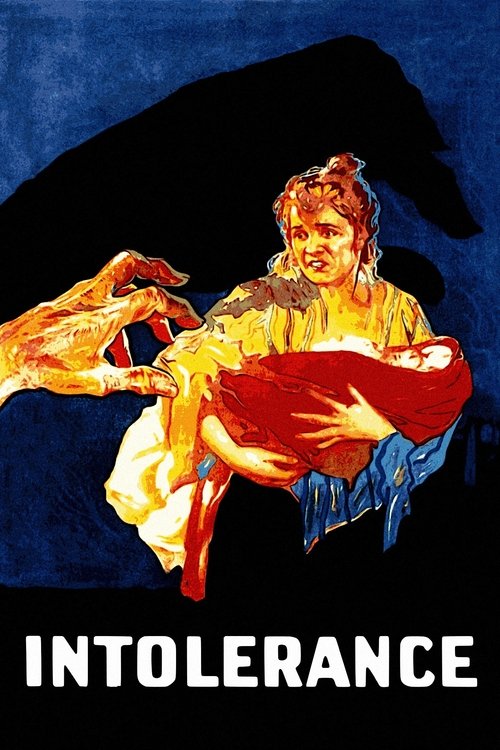
Intolerance: Love's Struggle Throughout the Ages1916
D.W. Griffith's four-era juggernaut includes a Babylonian sequences of staggering ambition, but the Judean story is a visual marvel. The scale still astonishes; this invented the language cinema uses for spectacle.
But Silent film moves at its own pace. The tinting and intertitles require patience. Griffith's politics are monstrous elsewhere in the film.
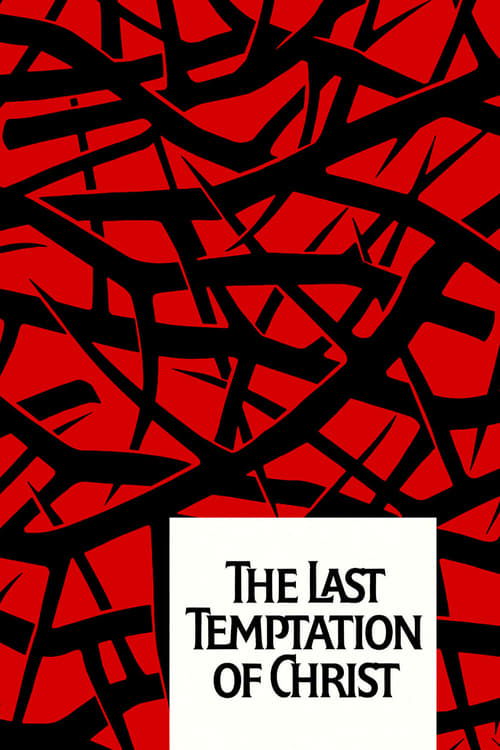
The Last Temptation of Christ1988
Scorsese's controversial, intimate account of Jesus's doubts and desires. Dafoe's anguished performance treats faith as psychological struggle—no certainty, only the grinding effort of choosing righteousness.
But Deliberately provocative theology. The sexual temptation sequences upset many viewers. Slow and introspective where Ray sought grandeur.
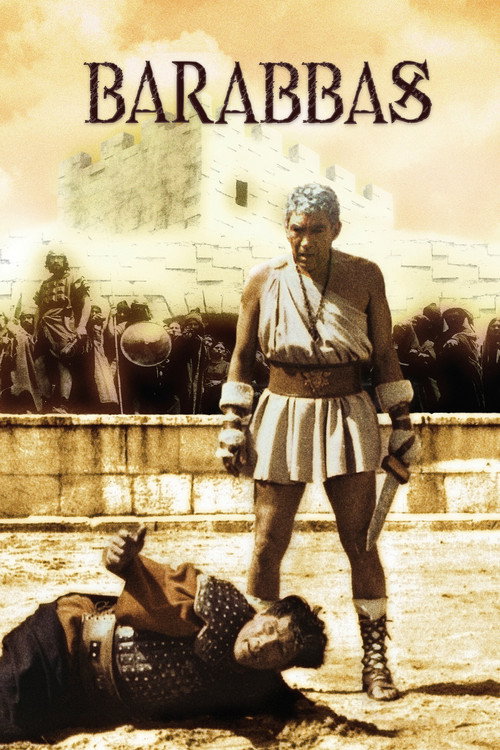
Barabbas1961
Richard Fleischer's mirror-image: the criminal freed instead of Christ, haunted by the exchange. Anthony Quinn delivers one of his finest performances, and the film's moral complexity rivals King of Kings.
But Less known and less polished than the bigger epics. The pacing is uneven in places.
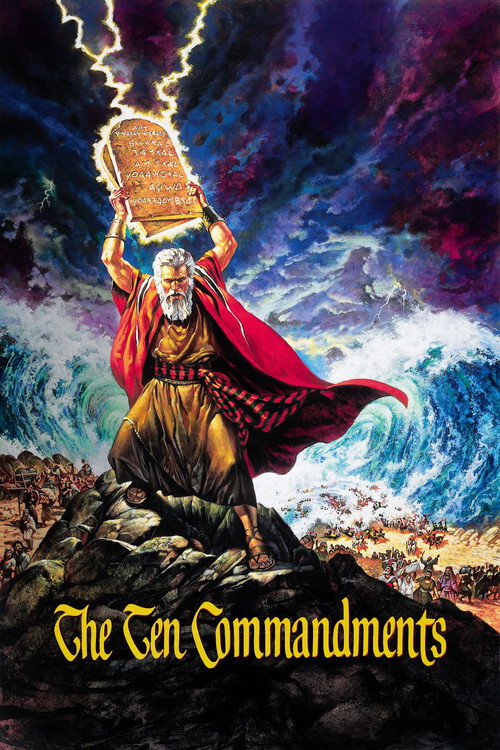
The Ten Commandments1956
Cecil B. DeMille's towering achievement, split between Moses' story and contemporary framing. The special effects dazzle, but it's the moral argument—law versus tyranny—that endures.
But Three and a half hours of DeMille's particular brand of grandiosity. Some performances are overwrought even for 1956.
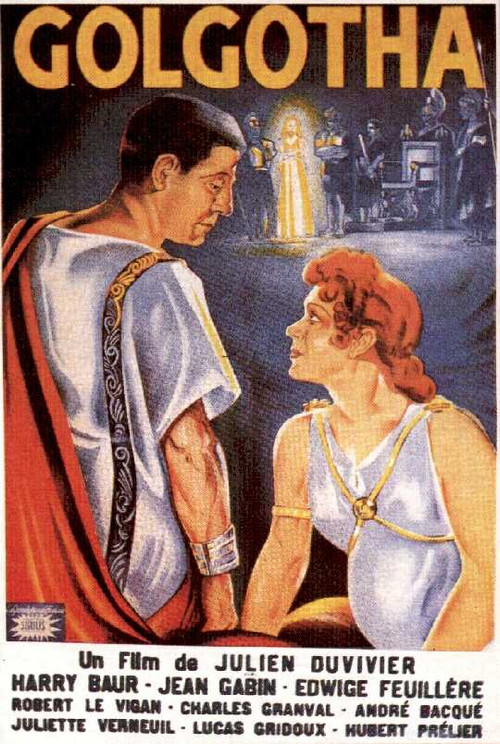
Golgotha1935
Julien Duvivier's French drama, made in the early sound era, captures the Passion with haunting black-and-white intimacy. It influenced the entire biblical epic tradition and remains deeply moving despite its age.
But Seventy-minute runtime might feel slight if you're expecting spectacle. The French production values are modest compared to Hollywood.
Stalker1979
Both treat faith as a psychological and political crisis, not a settled conviction. Both ask: what does it mean to believe when everything around you demands otherwise?
Another Tarkovsky, but radically different: a science-fiction journey into a mysterious, interdicted zone where desire and faith collapse into each other. It moves like a pilgrimage film disguised as sci-fi. The metaphysical weight and the wrestling with what we desire versus what we need is devastating.
But Slow even by art-film standards. Long stretches with minimal dialogue. The philosophical arguments will alienate viewers wanting plot.

A Prophet2009
Structural parallel: a figure of prophetic clarity moving through a corrupt system, gathering followers, becoming dangerous to authority. Asks the same question—what happens when you refuse to compromise?
Jacques Audiard's brutal French prison drama where a young man rises through the underworld and, like Jesus, becomes a messianic figure to those around him—worshipped, feared, ultimately destroyed by the system he challenged. It's a completely secular retelling of the same archetypal story. The prison becomes Rome; the inmate becomes savior.
But Graphic violence, sexual assault, extremely dark. The political allegory only works if you stay with the brutal specificity—no spiritual consolation offered.

People
Cast
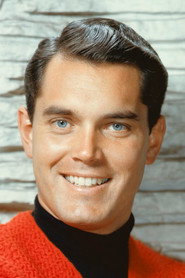 Jeffrey HunterJesus
 Siobhán McKennaMary
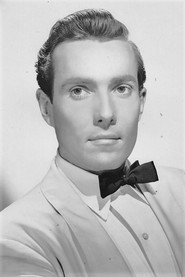 Hurd HatfieldPontius Pilate
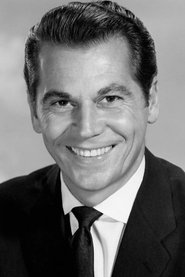 Ron RandellLucius
 Viveca LindforsClaudia
 Rita GamHerodias
 Carmen SevillaMary Magdalene
 Brigid BazlenSalome
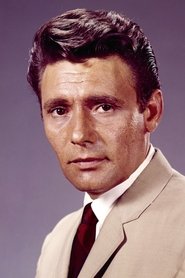 Harry GuardinoBarabbas
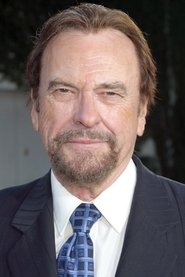 Rip TornJudas
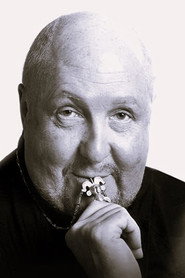 Frank ThringHerod Antipas
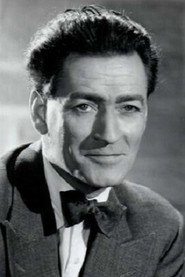 Guy RolfeCaiaphas
Directing
- Carlo LastricatiAssistant Director
- José López RoderoAssistant Director
- José María OchoaAssistant Director
- Simon MizrahiAssistant Director
- Nicholas RayDirector
- Julio SempereSecond Assistant Director
- Noël HowardSecond Unit Director
- Sumner WilliamsSecond Unit Director
Writing
- Philip YordanScreenplay
Production
- Alan BrownAssociate Producer
- Jaime PradesAssociate Producer
- Samuel BronstonProducer
- Stanley GoldsmithProduction Manager
Recommended by
The Ten Commandments, The Robe, Jesus Christ Superstar, The Bible: In the Beginning..., The Passion of the Christ, Samson and Delilah, Barabbas, The Silver Chalice, The Black Rose, Jesus of Nazareth, Burning an Illusion, Sodom and Gomorrah, Saadia, David and Bathsheba, The Gospel of John, The Sword and the Cross