
Film
Sodom and Gomorrah
A 1962 Italian-American biblical epic about Lot navigating corruption in the infamous cities. Gorgeously mounted with period spectacle, it treats vice and moral compromise as genuinely dangerous—neither prudish nor exploitative. For anyone who loves ambitious historical cinema that swings for theological and philosophical weight, even when it doesn't quite land.
Should you watch it?
Watch it if you love sword-and-sandal spectacles where the epic scale of crowds, chariots and sets carries the story, and you don't mind a moral fable played with big, earnest gestures.
Skip it if you want a tight, modern pace; at nearly two and a half hours, much of the runtime is pageantry, romance subplots and grand speeches that move slowly.
What it asks of you: Settle in for a long, leisurely epic with a lot of spectacle and talk, where the mood swings between stately ceremony and lurid excess rather than sharp, quick scenes.
Not sure? Find tonight's pick in a minute.
If you liked this
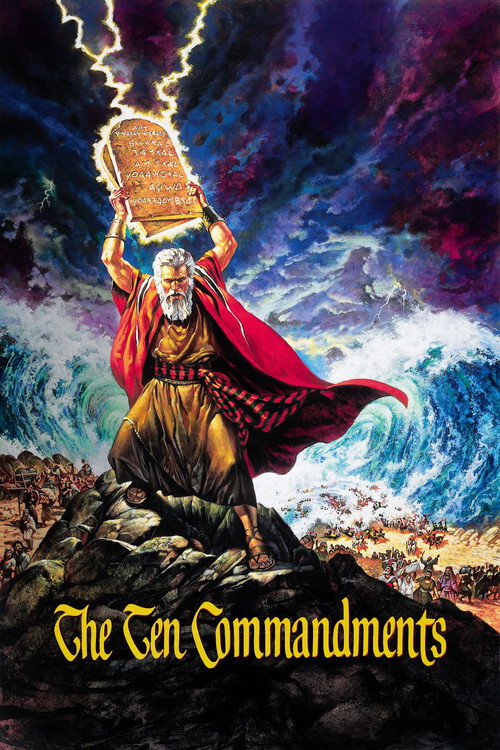
The Ten Commandments1956
DeMille's template for biblical epics done at maximum scale. Incredible practical effects, genuine emotional stakes beneath the grandeur, and a command of crowd scenes that justifies the runtime.
But Three-and-a-half hours, and the pacing is glacial by modern standards. Plays reverent in ways that can feel distant.
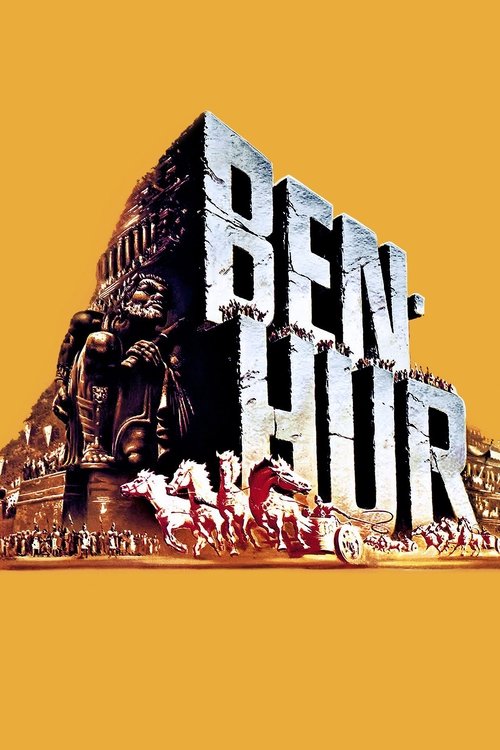
Ben-Hur1959
The best of the biblical spectacle cycle. Ravishing cinematography, a chariot race still unmatched, and a story of revenge transformed by faith that actually earns its emotional payoff.
But Also lengthy and episodic. The romance subplot is dutiful rather than felt.
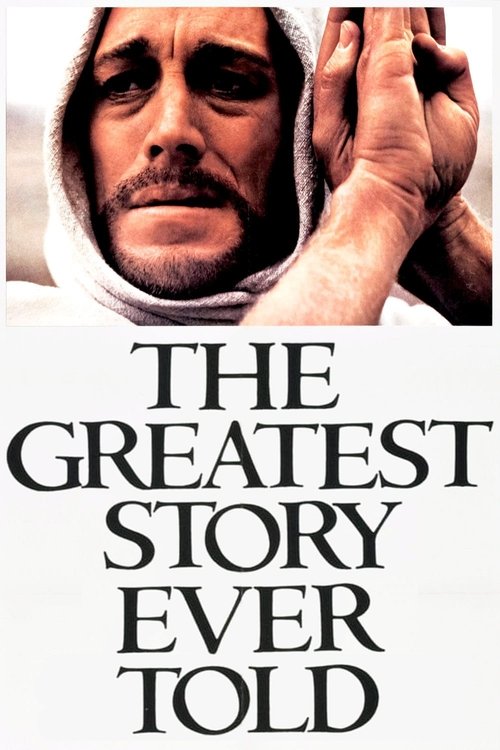
The Greatest Story Ever Told1965
Another DeMille-school epic with audacious casting and a genuine attempt to render the sacred as visually overwhelming. The desert photography is stunning.
But Uneven and sometimes kitsch. The starry cameos pull you out. Feels like it was edited by committee.
Not sure tonight? Get a pick in a minute, starting from Sodom and Gomorrah
The wildcard
Something you would not have found on your own.
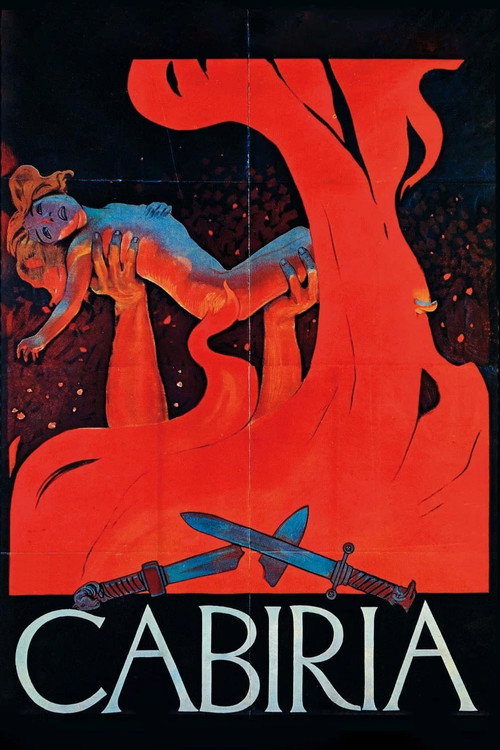
Cabiria1914
Both are Italian-produced biblical spectacles preoccupied with civilization's fragility and the seduction of corruption. Sodom and Gomorrah inherits Cabiria's visual grammar and moral weight.
The Italian silent epic that invented the template all these biblical films follow. At nearly three hours silent, it's hypnotic—pure cinema before dialogue, just movement and composition and scale.
But It's silent and it's from 1914. Requires patience with a different language of storytelling entirely. Some find it slow rather than meditative.
More like this (8)
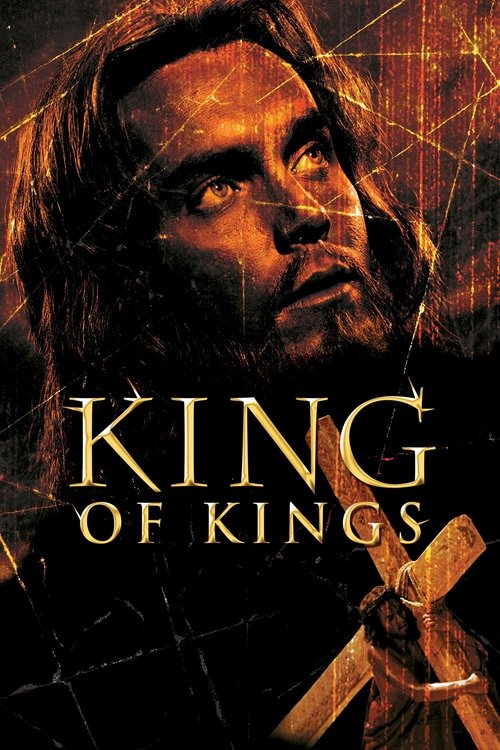
King of Kings1961
Ray's life of Christ balances spectacle with intimate faith. The color cinematography is rich, and it trusts silence and stillness alongside the action.
But Devotional rather than dramatically propulsive. Won't work if you're resistant to the spiritual register.
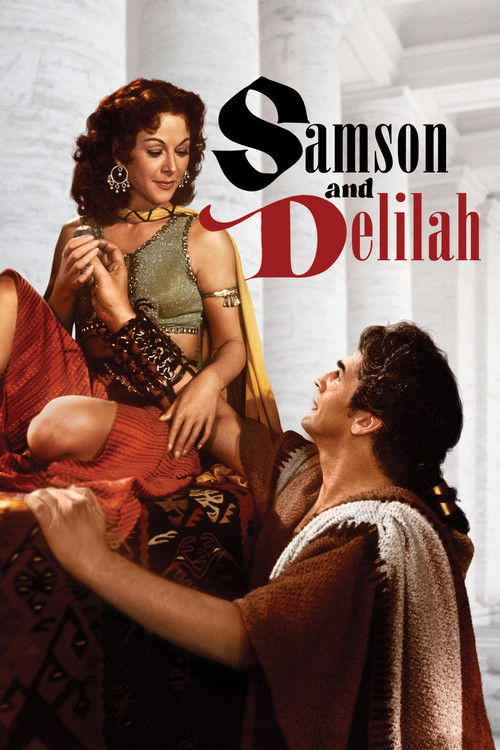
Samson and Delilah1949
DeMille's earlier biblical picture, leaner and more fun. Great star chemistry, vivid Technicolor, and a genuine sense of physical danger in the action beats.
But Plays faster and looser with scripture, which some find grating. Less philosophically ambitious than the later epics.
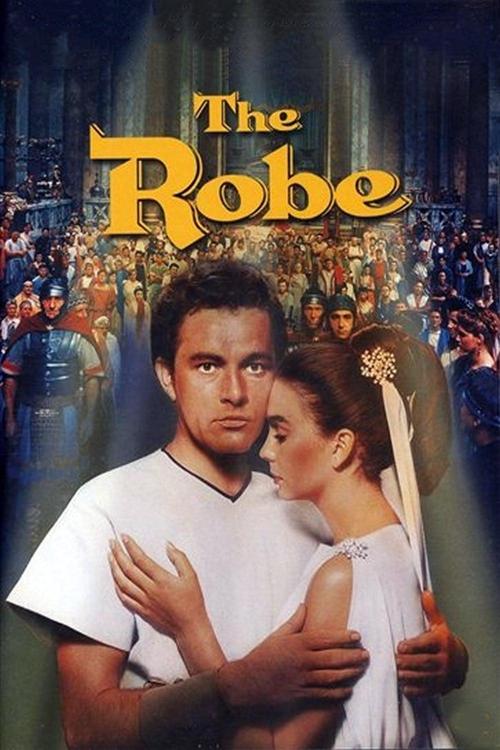
The Robe1953
Early CinemaScope spectacle with real suspense underneath. A Roman officer grapples with faith in ways that feel psychologically honest, not just pious.
But The special effects are dated. Slower than you'd expect for an action premise.
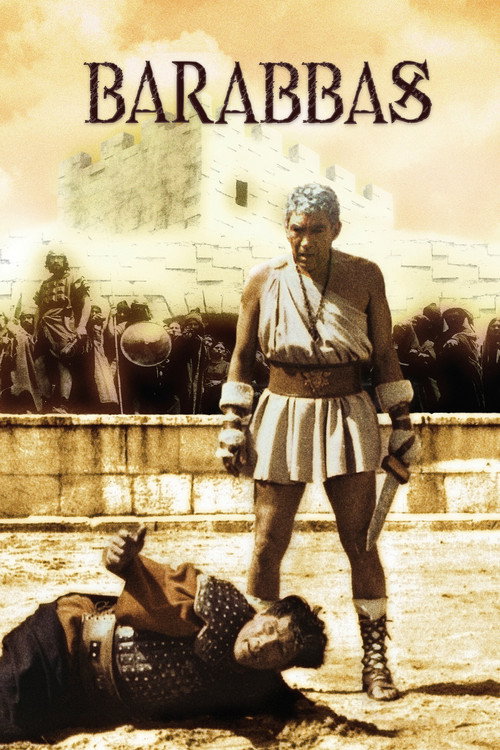
Barabbas1961
A grimier, morally murkier take on biblical material. Anthony Quinn is magnetic, and the film's interest in spiritual ambiguity sets it apart.
But Quite violent and cynical for the era. The philosophical wrestling can feel heavy-handed.
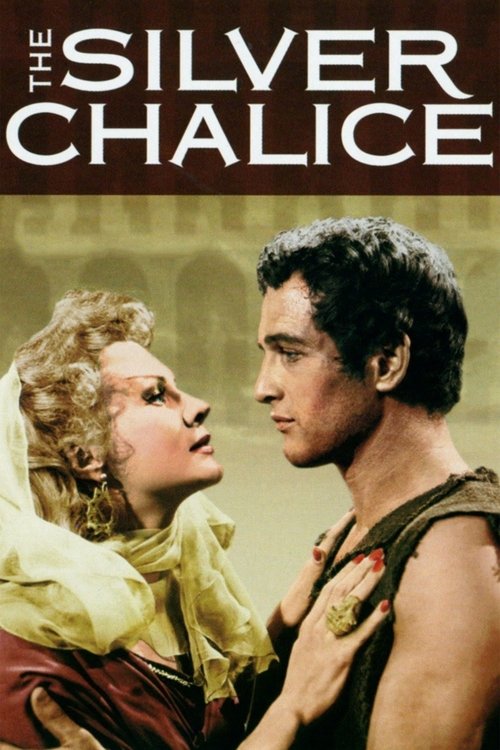
The Silver Chalice1954
Early Cinemascope epic about the Cup of Christ. Weird, sincere, and visually ambitious in ways that don't always work but are never dull.
But It really doesn't work sometimes. Pacing is slack. Star Virginia Mayo is not the draw most need her to be.
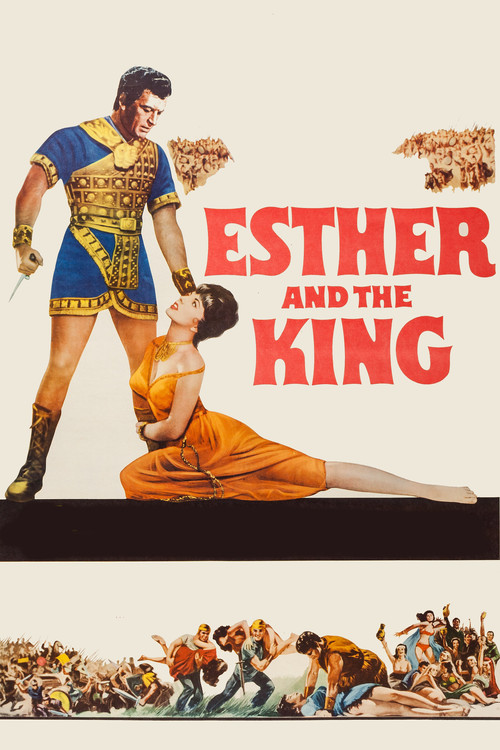
Esther and the King1960
A lesser-known but entertaining entry in the cycle. Good costumes, decent political intrigue, and Joan Collins is memorable in the title role.
But Less ambitious than the best of these. Feels like a TV movie with a bigger budget. Plot is fairly paint-by-numbers.
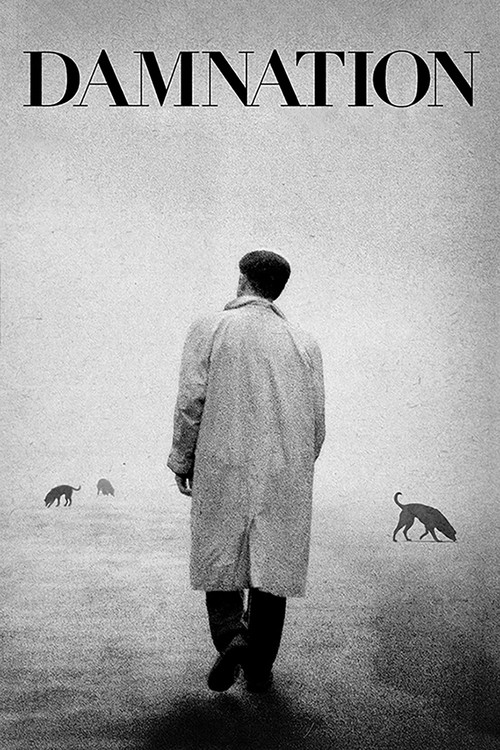
Damnation1988
Both track the slow poisoning of a soul by proximity to systematic vice. Where Sodom and Gomorrah is widescreen grandeur, Damnation is intimate despair—same moral trajectory, inverted aesthetic.
Béla Tarr's meditation on a man's moral collapse in a corrupt city. Black-and-white, operatic, austere—it's hypnotic and heartbreaking. Art cinema as genuinely moving as anything commercial.
But Glacially slow. Entirely in Hungarian. No plot in the conventional sense. Monochrome and claustrophobic. Not remotely entertaining in the epic scale you'd expect.
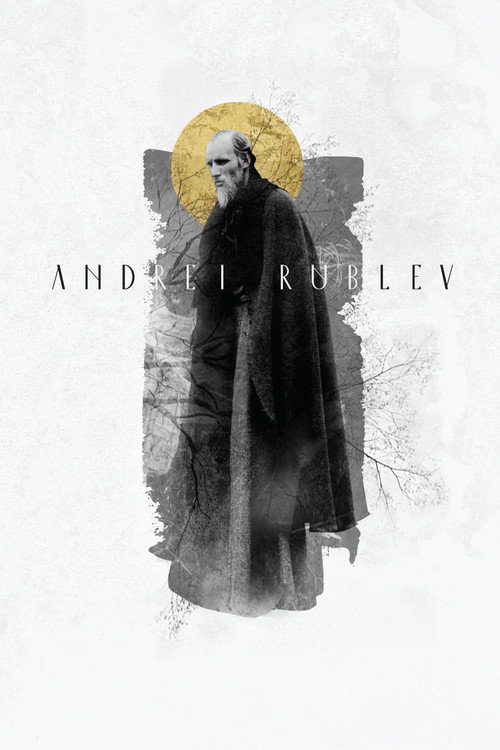
Andrei Rublev1966
Both ask whether transcendence is possible in a corrupted world, and whether art or faith can survive contact with historical brutality. Rublev answers in whispers where Sodom and Gomorrah uses thunder.
Tarkovsky's film about a medieval icon painter grappling with faith, violence, and art. Visually overwhelming, spiritually serious, sometimes brutal. One of cinema's greatest achievements.
But Three-and-a-quarter hours of oblique narrative. Black-and-white for much of it. Metaphorical rather than plot-driven. Demands more than most viewers want to give.
People
Cast
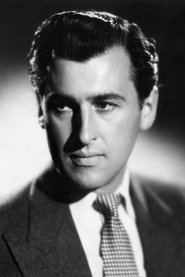
 Pier AngeliIldith
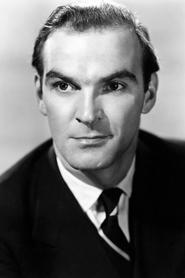 Stanley BakerAstaroth
 Rossana PodestàShuah
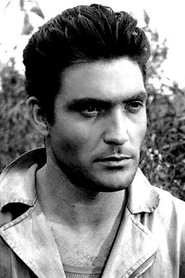 Rik BattagliaMelchor
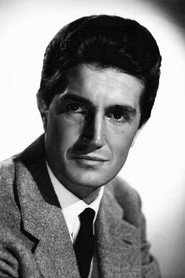 Giacomo Rossi StuartIshmael
 Scilla GabelTamar
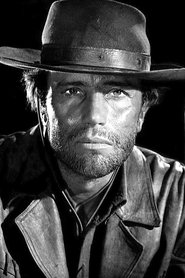 Anthony SteffenThe Captain
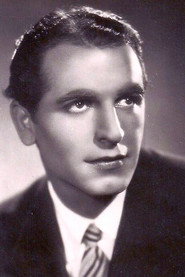 Enzo FiermonteEber
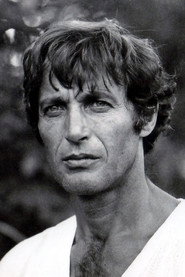 Gabriele TintiLieutenant
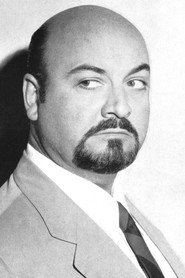 Daniele VargasSegur
 Claudia MoriMaleb
Directing
- Robert AldrichDirector
- Sergio LeoneSecond Unit Director
Writing
- Richard WormserNovel
- Giorgio ProsperiScreenplay
- Hugo ButlerScreenplay
Production
- Maurizio Lodi-FèExecutive Producer
- Goffredo LombardoProducer
- Giorgio AdrianiProduction Manager
- Giorgio ZambonProduction Manager
- Mario Del PapaProduction Manager