
Film
The Weight of Chains 2
Boris Malagurski's forensic documentary examines how Western economic doctrine shaped the post-Soviet Balkans, threading interviews with Chomsky and Oliver Stone into an argument about neoliberalism's failures and alternatives. It's patient, conversational, and deeply engaged with a specific region's disillusionment. For anyone curious about economics beyond textbooks or the Balkans beyond headlines.
Should you watch it?
Watch it if you enjoy essay-style political documentaries built from talking-head interviews, where a argument about economics unfolds through people who have thought hard about it and clearly want to persuade you.
Skip it if you want a neutral survey of the Balkans or dislike a film that openly pushes one view of capitalism, since its sympathies are plain from the first interviews onward.
What it asks of you: Settle in for a little over two hours of mostly seated conversation, with patience for long arguments about markets and little visual variety beyond archive footage and maps.
Not sure? Find tonight's pick in a minute.
If you liked this
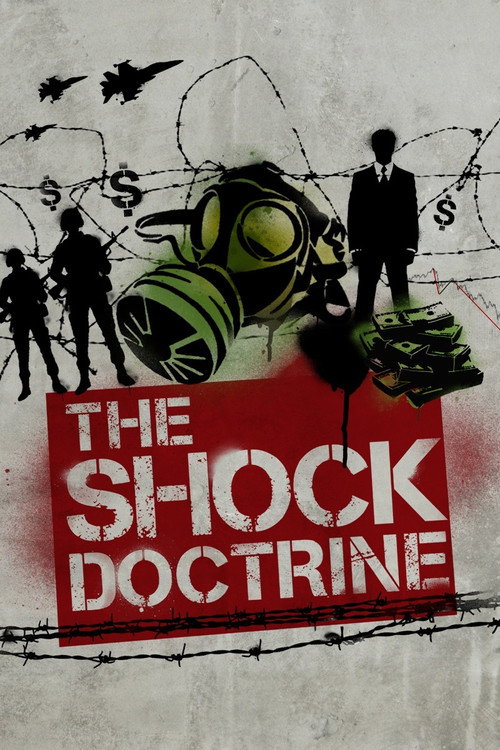
The Shock Doctrine2009
Naomi Klein's documentary traces how disaster capitalism exploited crises across Latin America and Eastern Europe. Directly echoes Malagurski's argument about imposed systems and their human cost.
But Dense with economic theory and archive footage; it asks a lot of your attention and assumes some background knowledge.
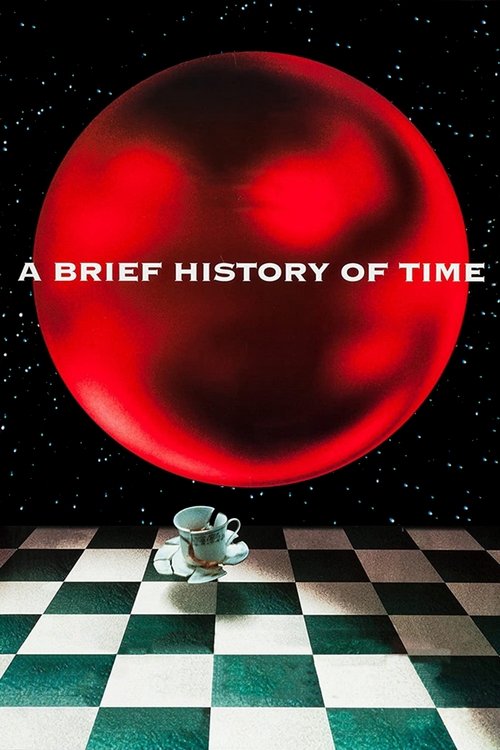
A Brief History of Time1991
Errol Morris's interview-driven approach to explaining complex ideas influenced generations of documentarians. Malagurski uses similar techniques to make economics accessible and personal.
But Vastly different subject matter (physics, not politics), so the connection is purely about method, not content.
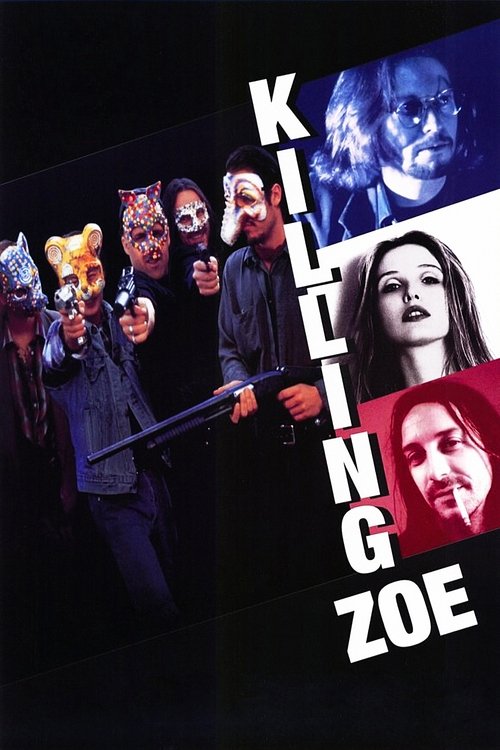
Killing Zoe1993
A brutal, unflinching portrait of capitalism's underbelly in post-Cold War Europe. The mood—disillusioned, angry, concrete—mirrors what many Balkan citizens describe in Malagurski's film.
But It's a crime thriller with graphic violence, not a documentary. Some will find the tonal shift jarring if they want more analysis.
Not sure tonight? Get a pick in a minute, starting from The Weight of Chains 2
The wildcard
Something you would not have found on your own.
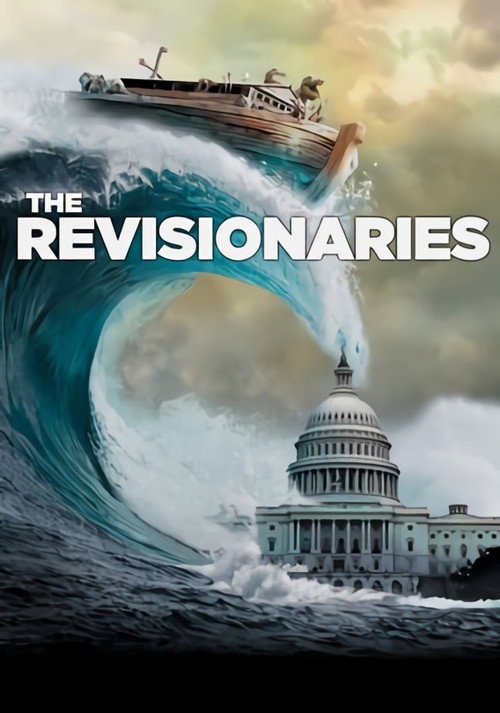
The Revisionaries2012
Both examine how dominant ideologies are institutionalized and imposed, and both feature ordinary people resisting or living under systems they didn't choose.
A bracing documentary about how ideology infiltrates education: specifically, how Texas's textbook standards shape curriculum nationwide. The mechanism is different—education instead of economics—but Malagurski's core thesis is identical: how systems of thought are imposed from above and resist from below.
But American focus might feel distant if you're primarily interested in Balkan-specific analysis.
More like this (6)
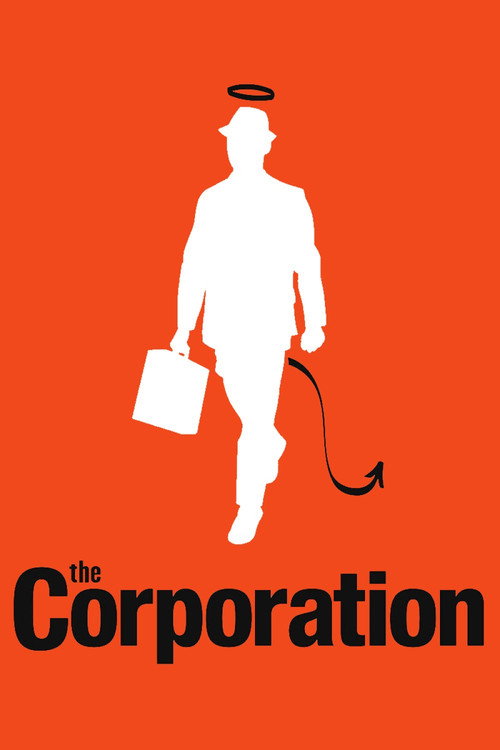
The Corporation2003
A panoramic critique of corporate power through interviews, animation, and archive footage. Shares Malagurski's skepticism of free-market dogma and how it's sold to the world.
But Runs nearly two-and-a-half hours and covers so much ground that individual arguments sometimes feel surface-level.
Winter Song2015
A quietly devastating Estonian documentary about economic collapse and human displacement. Shows similar themes—post-Soviet disenchantment, lives derailed by system change—from a different corner of Europe.
But Sparse and meditative; no famous interviewees or dramatic narrative, just witnesses to quiet suffering.

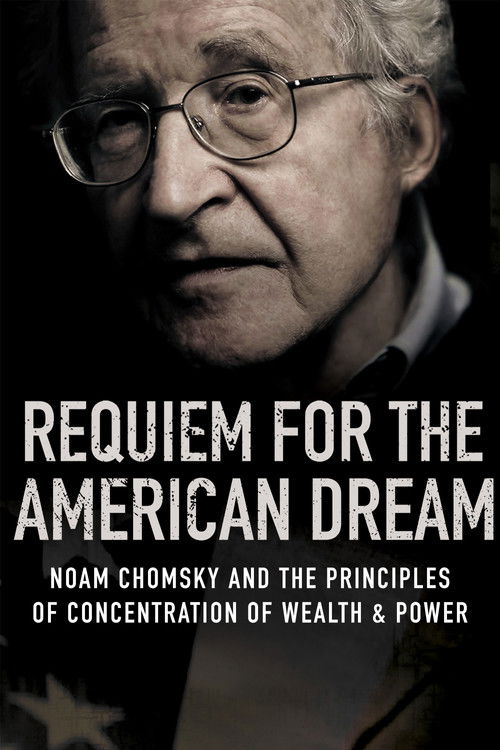
Requiem for the American Dream2015
Chomsky (who appears in Malagurski's film) explains wealth inequality and the decline of democracy for two hours. A natural next step if his 'Weight of Chains' appearance sparked your curiosity.
But It's essentially Chomsky in a room talking. Visually static. If you found his segments here too dry, this will feel even more austere.
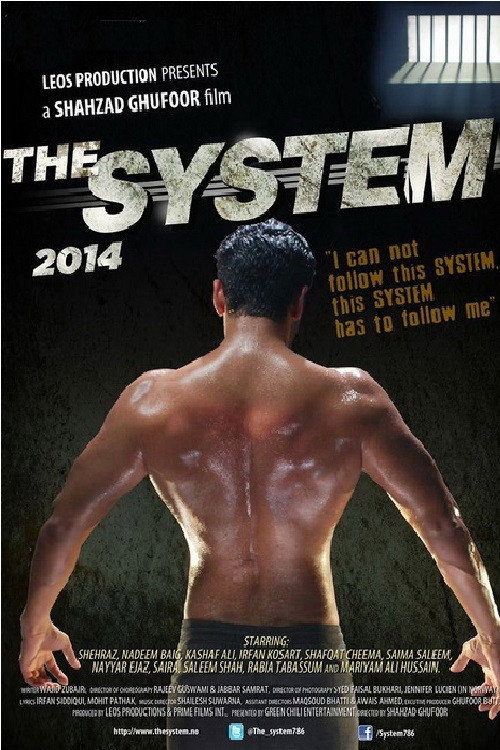
The System2014
A Serbian drama about corruption and institutional collapse in post-socialist society. Complements Malagurski's documentary analysis with the lived experience of ordinary people navigating broken systems.
But Fictional narrative requires different engagement than argument-based documentary; some viewers want facts, not stories.
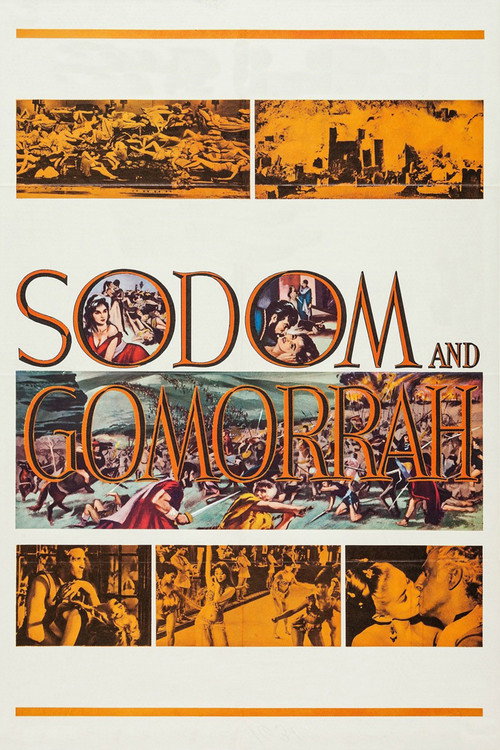
Sodom and Gomorrah1962
Both treat the breakdown of entire worlds and the question of how people live morally within or against systems they didn't create, though one uses Sodom as metaphor and one uses the Balkans as evidence.
A massive, weirdly earnest Italian biblical epic about the collision between moral systems and material power. Watch it as pure spectacle, yes—but its preoccupation with how systems collapse and people survive echoes Malagurski's concerns, minus the economics jargon.
But Nearly three hours of Italian cinema from the 1960s, heavy on swords and sandals, light on subtlety. You have to meet it on its own terms.
The Fog of War2003
Both use interview-based filmmaking to interrogate how large-scale systems affect ordinary lives and resist accountability, though from opposite sides of power.
Errol Morris's portrait of Robert McNamara examining how institutions rationalize catastrophic decisions. It's about American military-industrial power, not Balkan economics, but it asks the same hard question: how do systems persist even when they're failing everyone they claim to serve?
But McNamara's perspective is establishment, sometimes self-justifying. Some viewers find his partial reckoning insufficient given the stakes involved.

People
Cast
 Boris MalagurskiSelf
 Oliver StoneSelf
 Noam ChomskySelf

 Carla Del PonteSelf
- Vuk JeremićSelf
 Ivo JosipovićSelf
- Mlađan DinkićSelf
- Igor MandićSelf
- Domagoj MargetićSelf
- Diana JohnstoneSelf
- Ivan PernarSelf
Directing
- Boris MalagurskiDirector
Writing
- Boris MalagurskiWriter