
Television series
Civilization: Is the West History?
Niall Ferguson's provocative five-part documentary asks why the West became dominant and whether that dominance is ending. It's a brisk, argument-driven survey of institutions, ideas, and accidents of history that built Western power. Ferguson is charismatic and occasionally infuriating—he makes you think, whether you agree or not. For viewers who want big historical questions asked without the snooze.
If you liked this
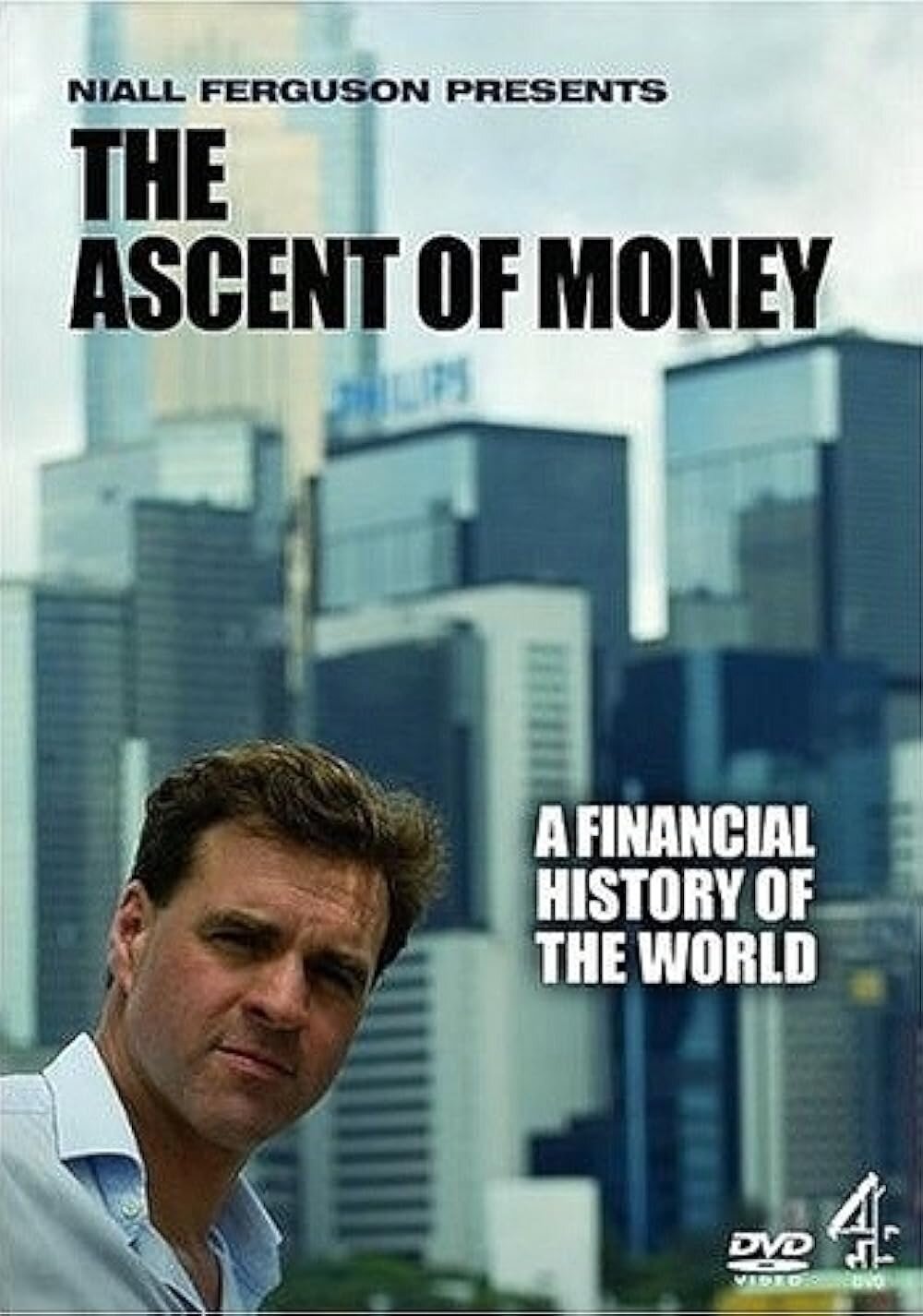
The Ascent of Money2008
Ferguson traces how finance became the engine of Western power, from the Medici to the 2008 crash. It's compelling, accessible, and explains systems that actually run the world. You'll understand debt differently.
But Ferguson's arguments can feel pat, and he sometimes glosses over how much suffering built the systems he admires. His politics color the analysis more than he admits.
Connections1978
James Burke finds the hidden links between inventions and ideas across centuries—the printing press leads to the steam engine leads to television. It's like watching history rewire itself in real time. Endlessly rewatchable.
But The pacing is glacial by modern standards, and some connections feel more clever than true. You'll need patience and maybe strong coffee.
The Weight of Chains 22014
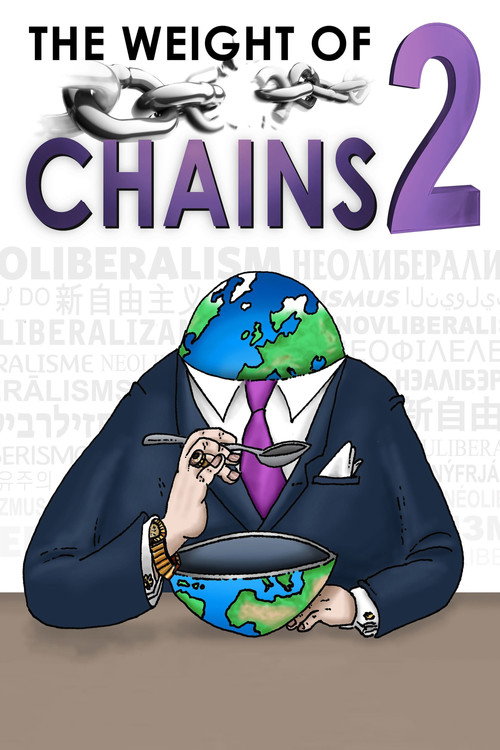
This documentary unpicks how Western institutions shaped the Balkans and Eastern Europe, with a critical eye Ferguson often lacks. It's a sharp counterargument to triumphalist histories, and it's angry in a way that clarifies things.
But The tone is polemical rather than measured. If you find documentaries that argue a line frustrating, this will feel even more one-sided than most.
Not sure tonight? Get a pick in a minute, starting from Civilization: Is the West History?
The wildcard
Something you would not have found on your own.
Barbarians Rising2016
Both are histories of the West told through its power relationships, but this one asks whether that power came from superiority or from contingency and luck—and whether we've been telling the story backwards.
Sanjeev Bhaskar and Alastair Sooke reframe the 'barbarians' at the edges of Rome as sophisticated, organized, and not conquered but absorbed. It's a complete inversion of Ferguson's civilizational hierarchy, and it's recent enough to feel urgent. It also argues from evidence rather than from the idea that bigger always means better.
But It can read as revisionist, and some viewers find the corrective so determined it verges on its own polemic.
More like this (4)
The True Cost2015
A documentary about fast fashion that's really about how Western consumption is built on invisible labor and exploitation. It connects global economics to human cost in ways Ferguson's macro approach never touches.
But It can feel didactic, and the solutions offered are thin. Some viewers find it preachy rather than investigative.

13th2016
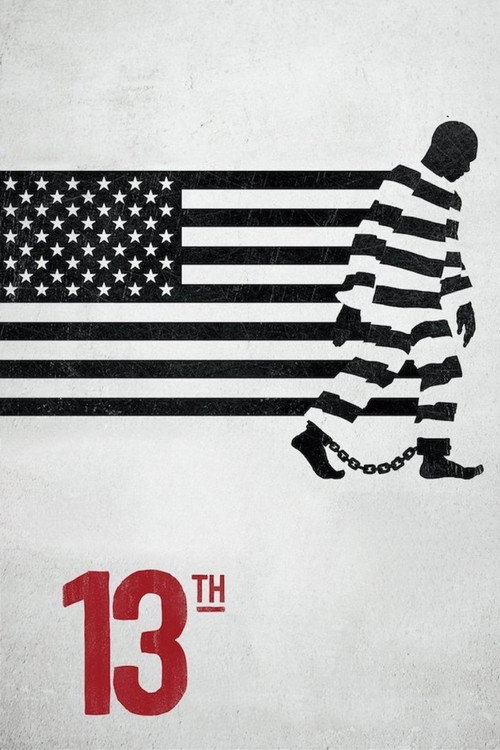
Ava DuVernay traces how the American legal system weaponized slavery's abolition, criminalized Black bodies instead, and built mass incarceration. It's a brilliant argument about race, power, and the lie of Western freedom.
But The montage style is relentless and can feel overwhelming. Some viewers find it emotionally exhausting rather than clarifying.
The Men Who Made Us Spend2014
Jacques Peretti traces how advertising and consumer culture were weaponized to reshape society. It's the shadow history of Western dominance: sold to us by Madison Avenue. Smart and accessible and darkly funny.
But The critique is familiar now, and the solutions remain elusive. It's diagnosis more than anything else, which can feel slight after the first episode.

The Trap: What Happened to Our Dream of Freedom2007
Both are essentially asking: what went wrong with the West's story? Ferguson thinks the West is losing its advantage; Curtis thinks the West won and the victory poisoned everything it promised.
Adam Curtis's essay-documentary argues that Western faith in rational systems and measurement has actually narrowed human freedom. It's avant-garde and unsettling—less like documentaries than like thinking aloud. Curtis makes you feel the paradox: the more we measure, the smaller we become. Different language, same historical question.
But It's structurally unconventional and digressive. If you need clear points and argument, Curtis will infuriate you. Some viewers find it genuinely disorienting.
People
Cast
 Niall FergusonPresenter
Recommended by
First Civilizations, You Are There, Time Life's Lost Civilizations