Television series
You Are There
- Portal fantasy
- Dip in and out
A CBS series where reporters narrate and dramatize pivotal moments in history, from the Crucifixion to Pearl Harbor. It's history-as-spectacle, staged with period sets and actors, narrated with urgent reportage-style excitement. For viewers who want to feel present at the pivot points of civilization.
Should you watch it?
Watch it if you love the old-fashioned trick of news reporting that treats history as breaking news, with earnest field reports from the scene of famous moments.
Skip it if you expect slick modern pacing, since this early-television format is stagy, talky and built on the rhythms of a 1950s live broadcast.
What it asks of you: Each installment runs about an hour, so give it a sit-down block of attention rather than background viewing, and expect patient, formal delivery rather than quick cuts.
Not sure? Find tonight's pick in a minute.
If you liked this
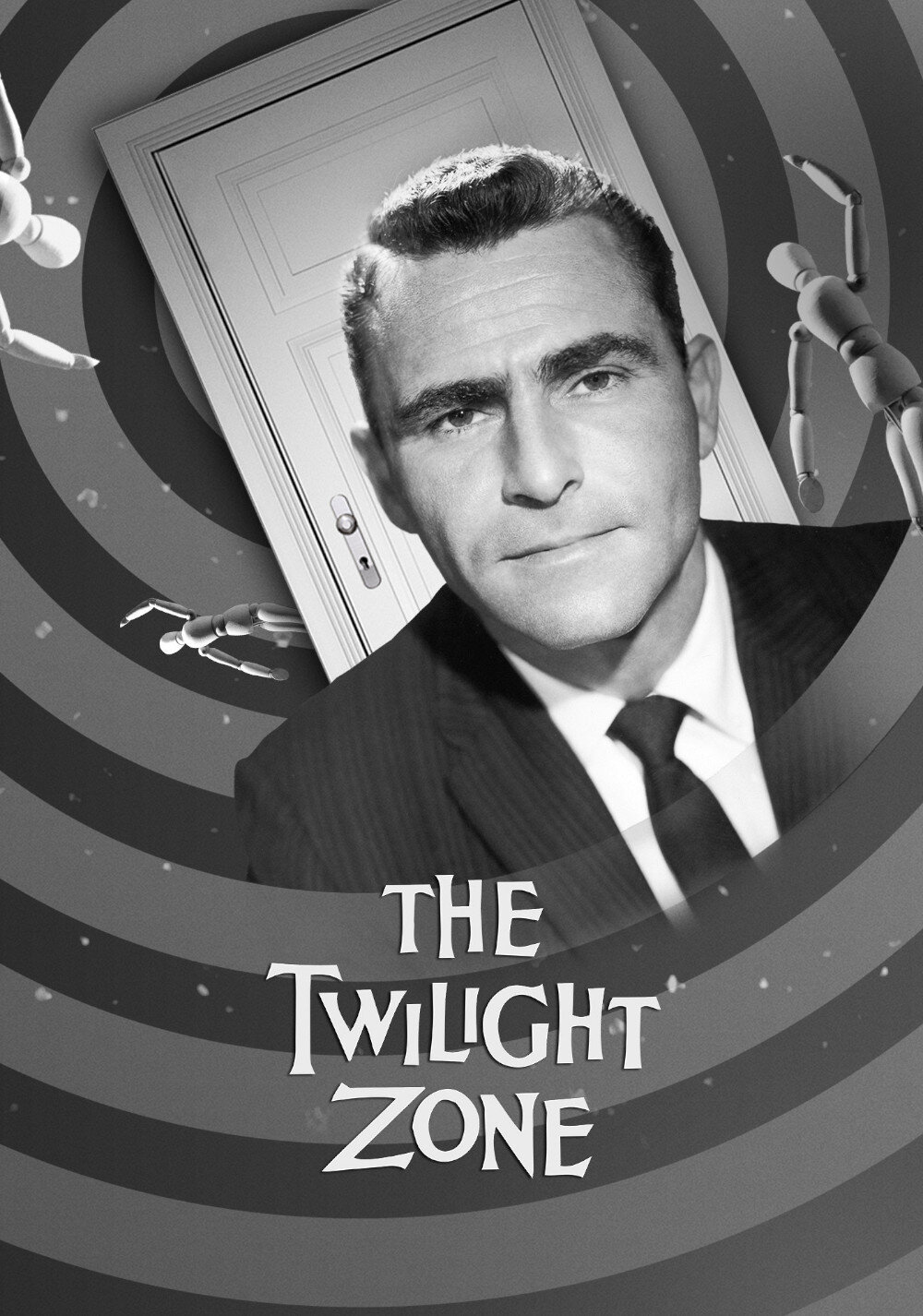
The Twilight Zone1959
Serling's anthology series uses the same theatrical apparatus—actors, sets, drama—to ask what-if questions about history and human nature. The tonal control and the way it makes the familiar strange feels ancestral to You Are There.
But It's eerie and sometimes bleak; if you want reassurance rather than disquiet, this will leave you unsettled.
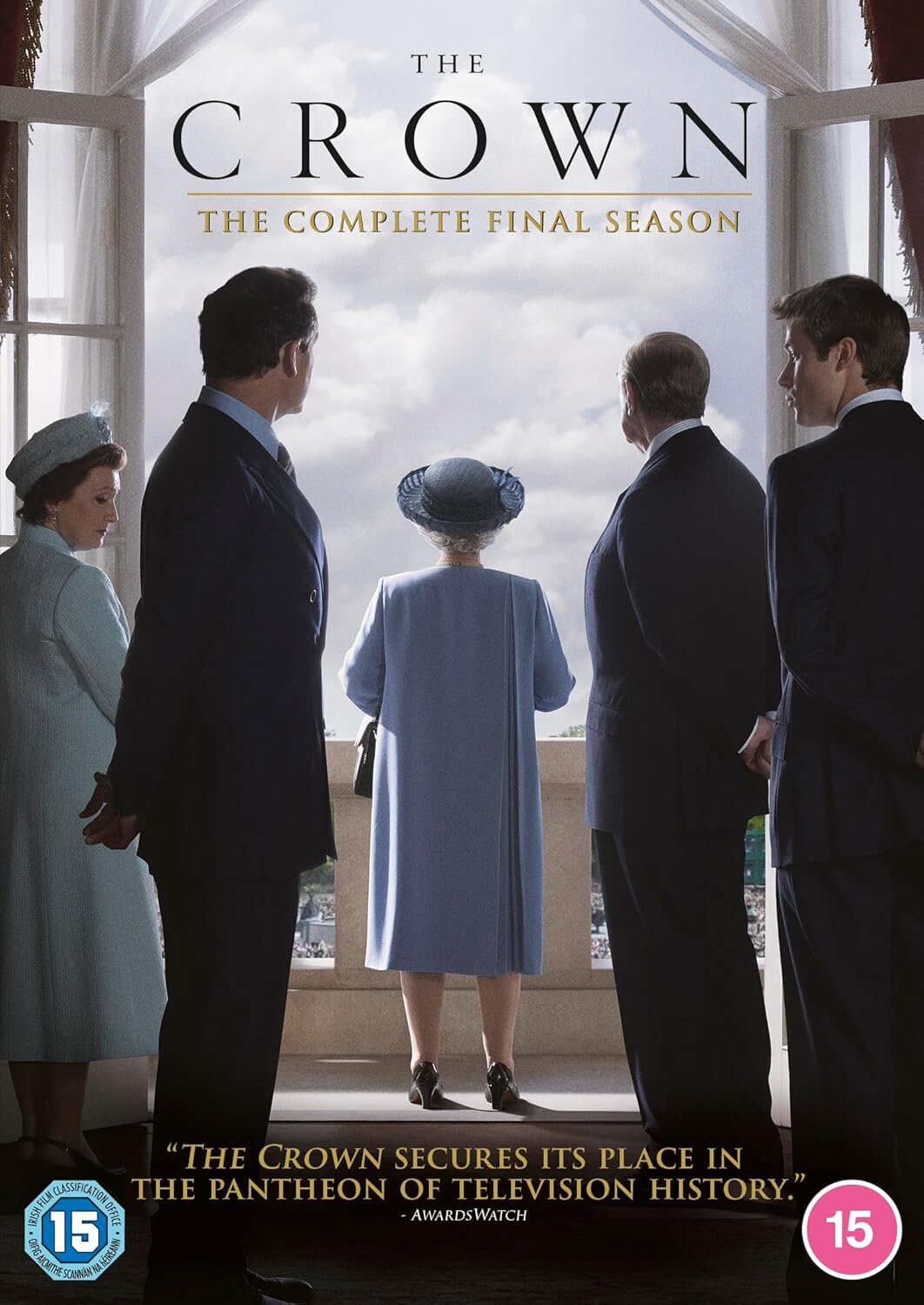
The Crown2016
A lavishly dramatized account of real political and personal crises, played by excellent actors. If you liked the idea of watching history happen through performance, this does it at modern production scale.
But It dramatizes events close enough to living memory that the historical fiction feels contentious. Some viewers object on principle.
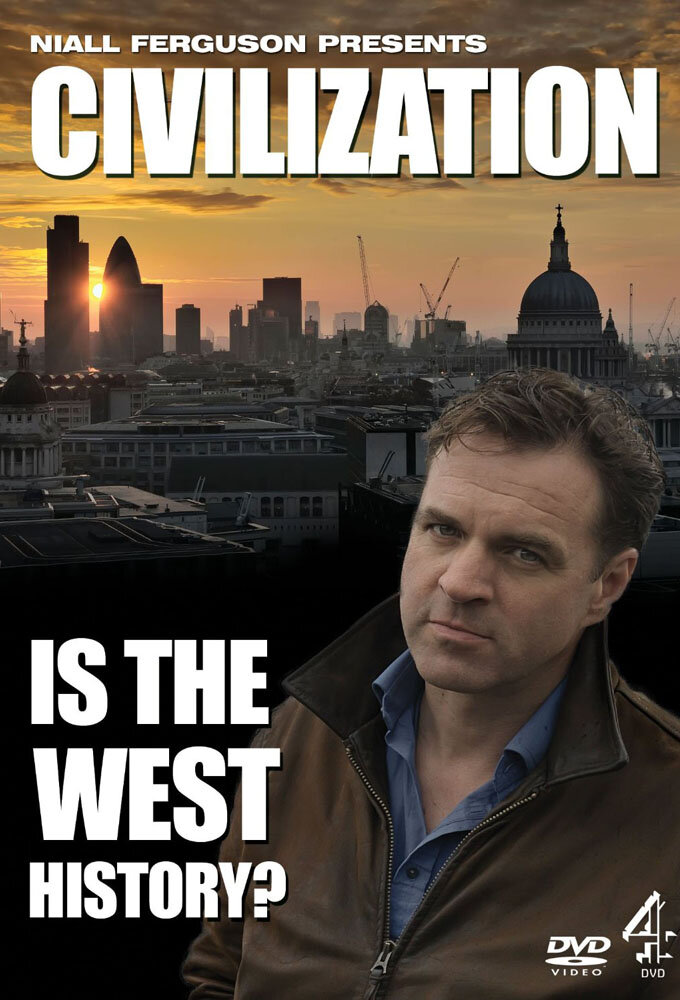
Civilization: Is the West History?2011
Kenneth Clark's sprawling art-historical survey is essayistic rather than dramatic, but it shares the mission: to make the grand sweep of human accomplishment vivid and urgent.
But It's a lecture series in fine clothes. If you want action and character, you'll find neither here.
Not sure tonight? Get a pick in a minute, starting from You Are There
The wildcard
Something you would not have found on your own.
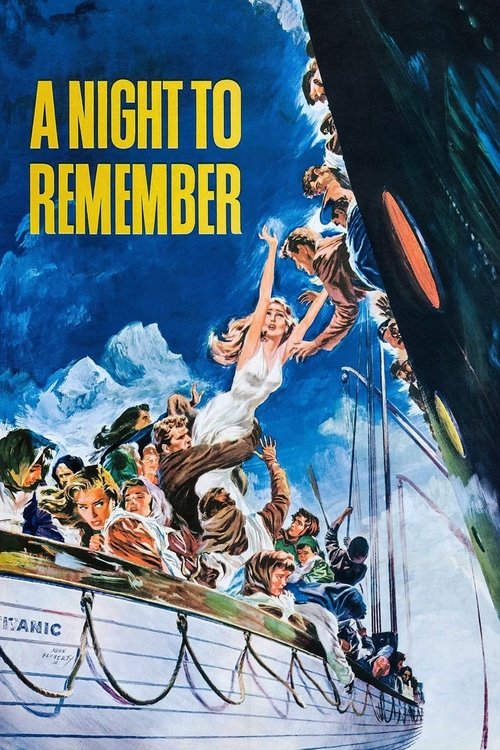
A Night to Remember1958
Both use the apparatus of drama (actors, sets, period detail) to place the viewer inside a historical moment with maximum vividness and minimum sentimentality.
A British dramatization of the Titanic's sinking, made with documentary precision and restraint. It has You Are There's mission—to make you feel present at a historical catastrophe—but as a serious feature film with perfect craft.
But It's unhurried and sometimes feels remote; there's little emotional melodrama, which some viewers mistake for coldness.
More like this (3)
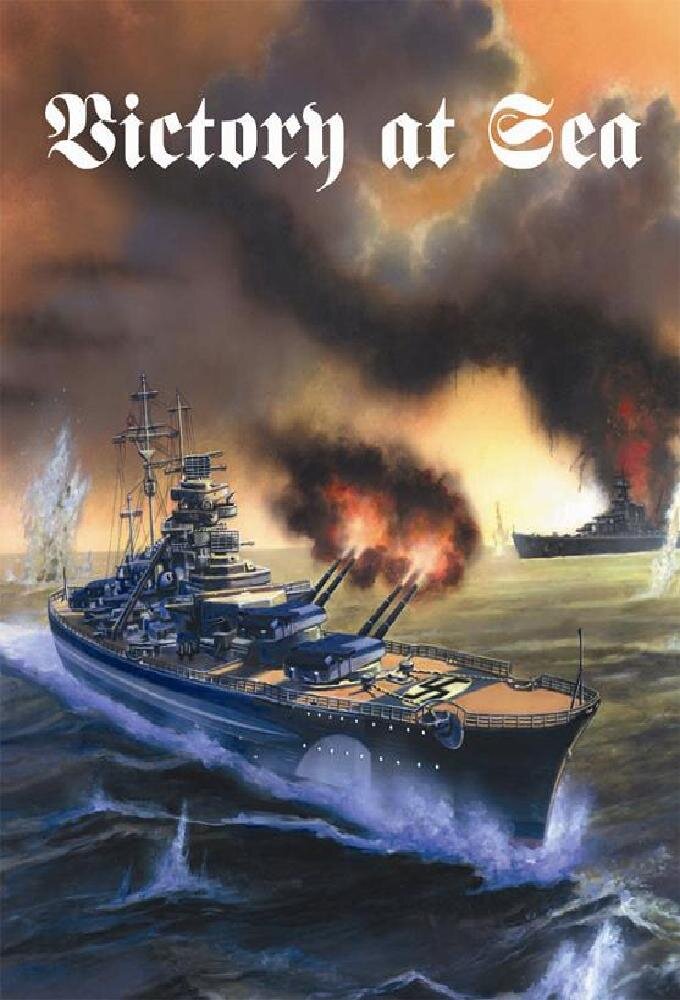
Victory at Sea1952
A documentary series about naval warfare in World War II, assembled from archival footage with a bombastic orchestral score. The style—archival material plus narration plus music—creates its own emotional intensity.
But It's entirely archival; there are no actors or reconstructions. If you want the theatrical thrill of dramatization, this is pure information.
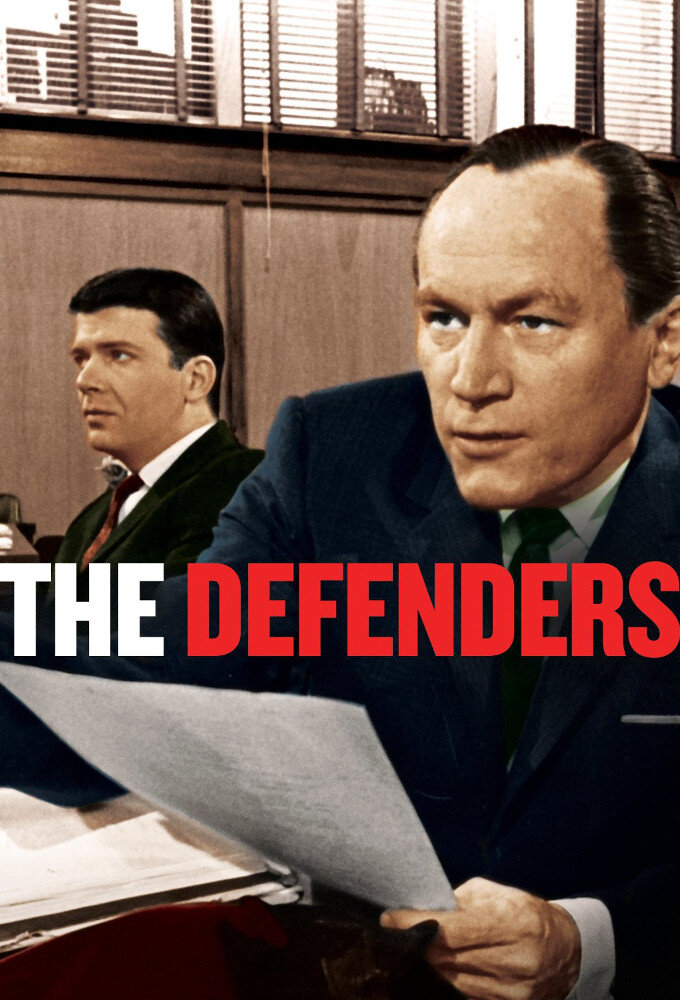
The Defenders1961
A legal drama that tackles real historical and moral crises episode by episode, with excellent writing and acting. The way it uses drama to explore how we grapple with justice feels thematically aligned.
But It's a lawyer show. If courtroom procedure bores you, the episodes that turn on legal technicality will feel like homework.
The War2007
Both believe that to understand a historical moment, you must be brought inside it—made to feel present, not merely informed.
Burns' 14-hour documentary about World War II uses letters, photographs, archival footage, and interviews to make history intimate and immediate. It's history-as-experience rather than history-as-fact.
But It's long, slow, and emotionally devastating. You cannot half-watch it. Some people find Burns' style mannerist and exhausting.