
Television series
Victory at Sea
A landmark 1952 NBC documentary series about naval warfare in World War II. Twenty-six half-hour episodes of archival footage, still photography, and dramatic orchestral scoring that transformed how history could be told on television. Essential viewing for anyone interested in WWII, documentaries, or how television came to matter.
If you liked this
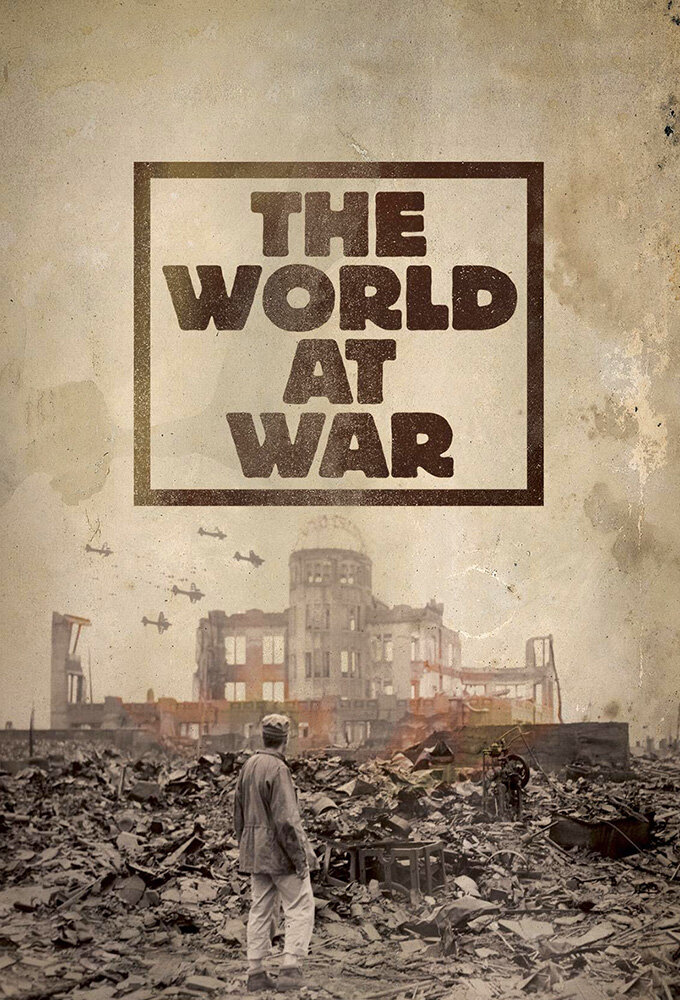
The World at War1973
Thames Television's twenty-six-part magnum opus on WWII, with the same epic scope as Victory at Sea but twenty years of additional research and newly available footage. Narrated with grave authority by Laurence Olivier.
But At 52 minutes per episode, it demands real time commitment. Some younger viewers find the pacing glacial compared to modern documentary.
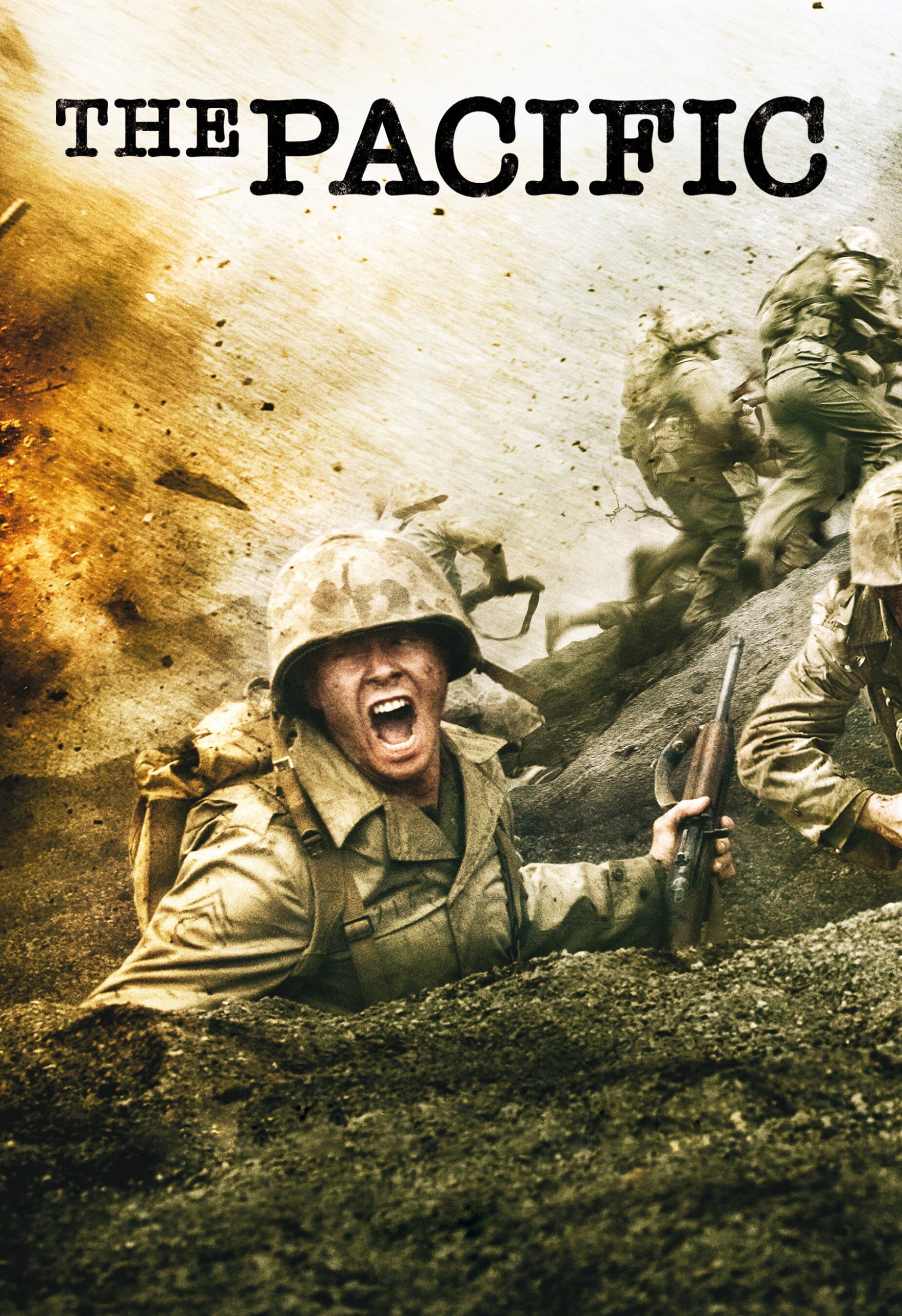
The Pacific2010
Ten-part HBO miniseries produced by Tom Hanks and Steven Spielberg about island-to-island naval and amphibious combat in the Pacific Theater. Visceral, modern, and based on veteran interviews. Feels like the spiritual descendant of Victory at Sea.
But Graphic violence and scenes of dead soldiers. If you want history without the trauma, this isn't it.
Battleship Potemkin1925
Eisenstein's silent masterpiece about a mutiny on a warship: revolutionary in form and technique. If Victory at Sea made documentaries matter, this film showed what montage could do to your nervous system. Essential cinema.
But Silent, black-and-white, 1925 Soviet propaganda. The Odessa Steps sequence alone will haunt you, but the pacing feels deliberate rather than gripping to modern eyes.

Not sure tonight? Get a pick in a minute, starting from Victory at Sea
The wildcard
Something you would not have found on your own.
Night and Fog1956
Both revolutionized documentary form by treating archival material as art, not mere evidence. Victory at Sea proved the form could grip viewers; Night and Fog proved it could break them.
Alain Resnais' 32-minute essay film about the Holocaust uses archival footage, still photography, and color cinematography the way Victory at Sea pioneered—but to confront unspeakable atrocity rather than celebrate military achievement. A masterpiece of documentary form.
But Profoundly difficult. Resnais refuses sentiment; the haunting score and cool narration make it unbearable in a way that matters. Not a viewing experience—an ordeal.

More like this (7)
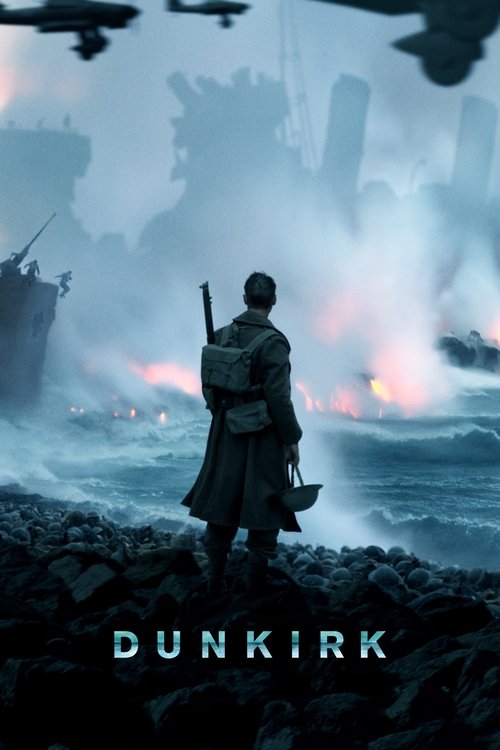
Dunkirk2017
Nolan's visceral account of the evacuation uses real naval and air combat sequences. If Victory at Sea showed you what happened, Dunkirk puts you inside the chaos—another medium for the same historical moment.
But More concerned with tension and spectacle than historical accuracy or context. Loud, fast, and sometimes incoherent in its storytelling.
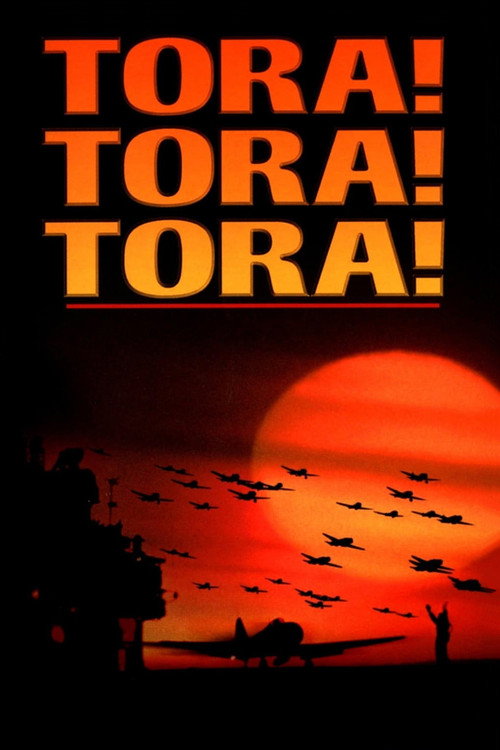
Tora! Tora! Tora!1970
Richard Fleischer's meticulous dramatization of Pearl Harbor from both American and Japanese perspectives. Filmed with period-appropriate ships and planes, it's what Victory at Sea described given human faces and dialogue.
But Three hours. The battle sequences are the point; the characterization is thin. Feels like a war film rather than a human drama.
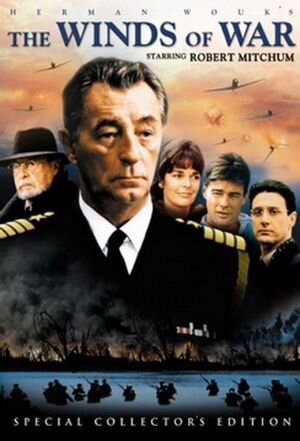
Herman Wouk's The Winds of War1983
ABC's sprawling eight-hour miniseries starring Robert Mitchum, covering the lead-up to WWII through eyes of a Navy family. More novelistic than Victory at Sea, but covering the same vast historical canvas.
But Dated production values and soap-opera plotting. The historical scope gets tangled up in romantic subplots that modern viewers will find tedious.
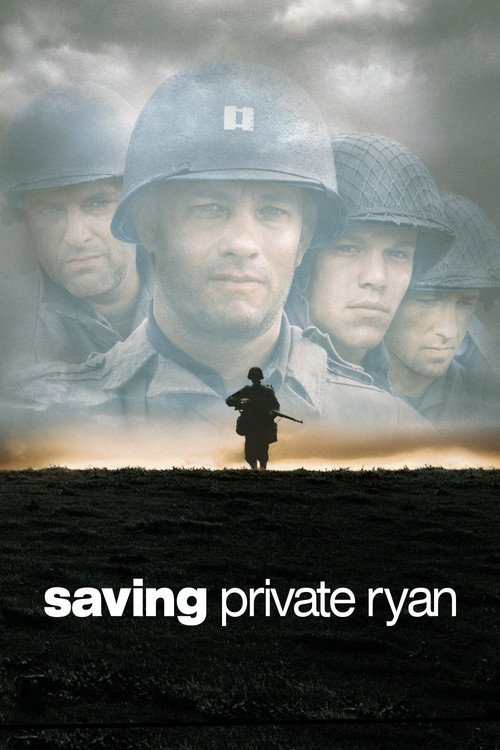
Saving Private Ryan1998
Spielberg's D-Day film opened modern cinema's eyes to what WWII combat actually looked like—unvarnished, chaotic, terrifying. A cultural watershed moment that still devastates.
But Extremely graphic violence. The opening twenty minutes alone are relentless. Not for anyone seeking respectful distance from the bloodshed.
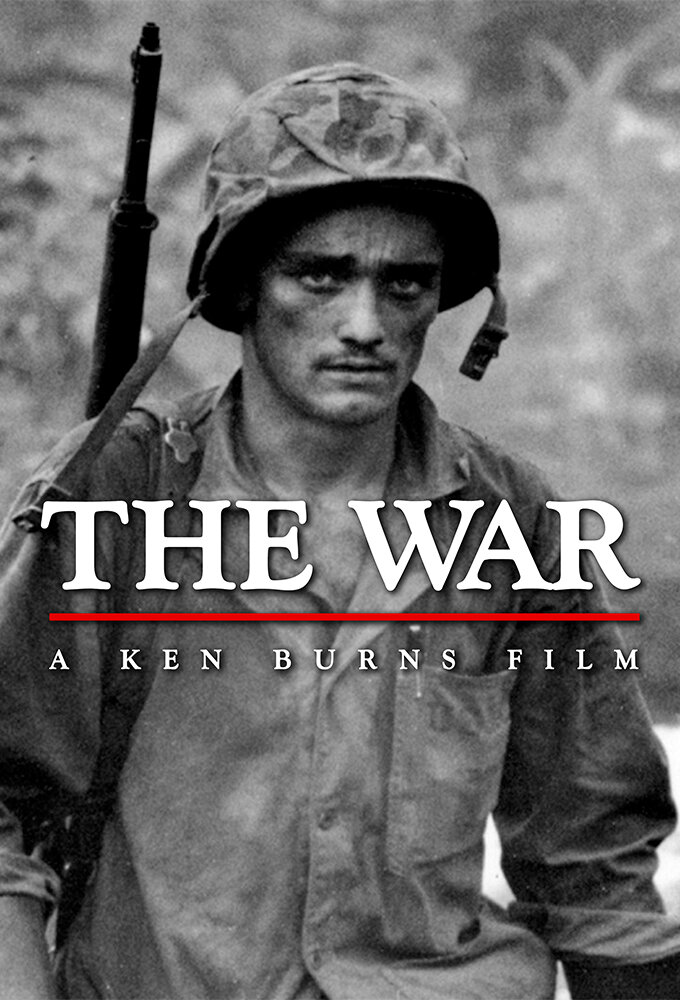
The War2007
Ken Burns and Lynn Novick's fourteen-hour documentary interweaves WWII combat footage with interviews of home-front Americans. Smaller in scope than Victory at Sea, more intimate in approach.
But At over 800 minutes, it tests patience. Burns' gentle, reflective tone can feel slow if you want narrative momentum.
Harakiri1962
Both interrogate martial mythology by showing primary sources—Victory at Sea through newsreel footage, Harakiri through its camera's refusal to look away. Both suggest that witnessing is not the same as understanding.
Masaki Kobayashi's samurai masterpiece uses the rigid, formal visual language of Japanese theater to examine honor, loyalty, and the cost of war from the perspective of those sent to die. Every frame is a composition. Nothing feels accidental.
But Slow, austere, emotionally devastating. The central act of suicide is filmed without flinching. The final twist will unsettle rather than satisfy.

Sans Soleil1983
Like Victory at Sea, it builds meaning from found footage and voiceover, but Marker uses the form to explore how we *misremember* history rather than how we chronicle it. Both trust the viewer's intelligence.
Chris Marker's experimental essay film collages documentary footage, still images, and narration to meditate on time, memory, and history. It's what happens when documentary form becomes poetry. Hypnotic, strange, unlike anything else.
But No plot, no traditional structure. The images jump between Japan, Africa, and Iceland; the narration is fragmentary and philosophical. You cannot half-watch it.
