
Film
Battleship Potemkin
Eisenstein's 1925 silent film restages a 1905 naval mutiny as pure propaganda and pure cinema at once, its editing so fast and rhythmic it essentially invented techniques still used today. The Odessa Steps massacre remains one of film history's most quoted sequences. Watch it for the craft and the fury rather than the plot — 75 minutes built to move you and enrage you simultaneously.
If you liked this
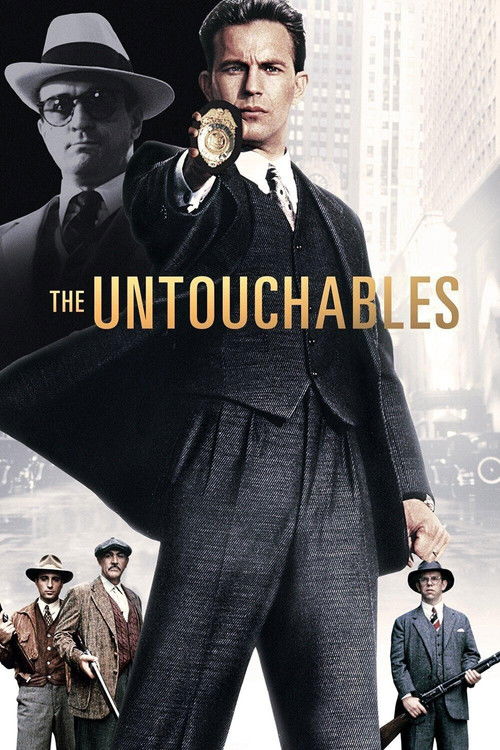
The Untouchables1987
Brian De Palma restages Eisenstein's Odessa Steps almost shot-for-shot in Chicago's Union Station, so you get to watch a pram and a stairway massacre reborn as slick Hollywood shootout, film-history homage disguised as blockbuster entertainment.
But It's pure entertainment, not political cinema — expect Sean Connery one-liners and Costner heroics rather than revolutionary theory or historical weight.
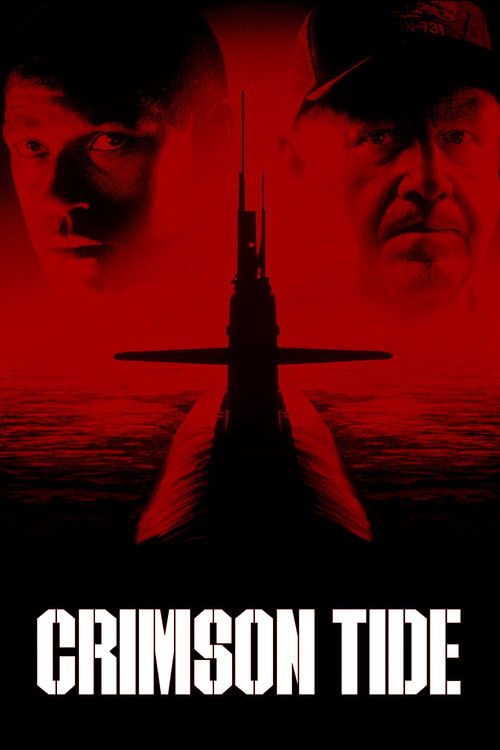
Crimson Tide1995
A modern submarine thriller built on the exact same nerve Potemkin struck: what happens the moment sailors decide their captain is wrong. Denzel Washington and Gene Hackman turn a chain-of-command dispute into real, sweaty tension.
But It's a glossy studio thriller with none of the historical weight or visual daring — pure Cold War nerve, not revolution.
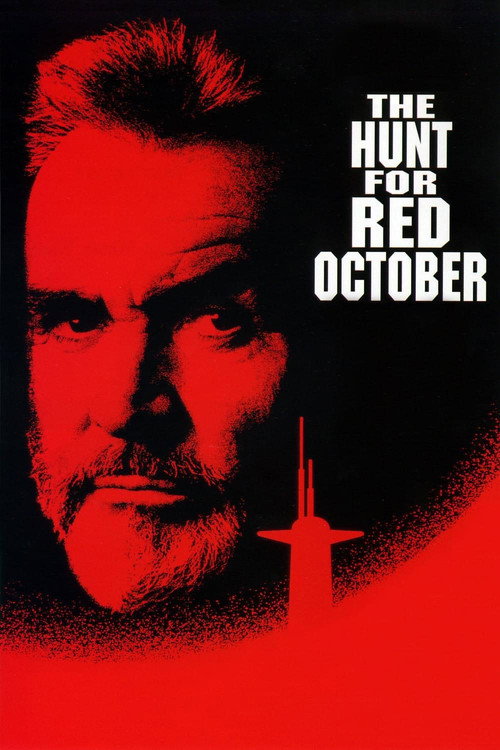
The Hunt for Red October1990
Another vessel, another crew defying orders, but reframed as a Cold War chess match rather than a class uprising. Sean Connery's captain makes mutiny look like calculated strategy instead of desperation.
But The politics get simplified into spy-thriller shorthand, and the crew's loyalty is never really in doubt the way the sailors' is here.
The wildcard
Something you would not have found on your own.
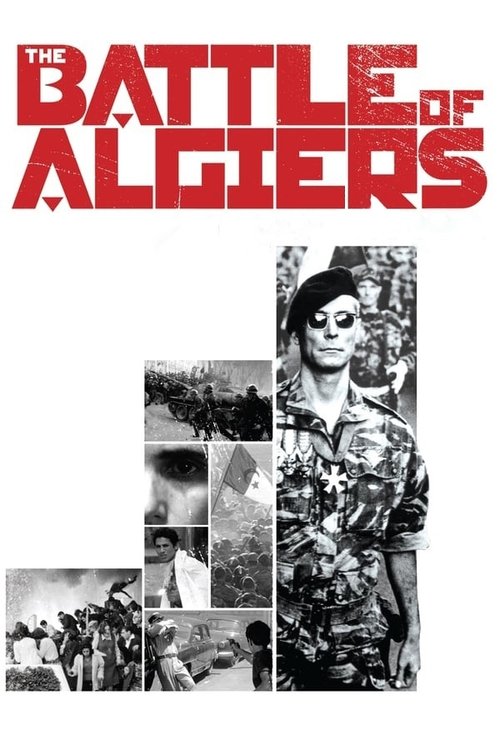
The Battle of Algiers1966
Both films fake the texture of documentary to make invented or reenacted events feel like they're happening in real time, and both use a crowd, not an individual hero, as the true protagonist.
Pontecorvo restages an anti-colonial uprising with such grainy, handheld urgency that it's often mistaken for real newsreel — the same trick Eisenstein pulled off decades earlier using staged fiction.
But It's unflinching about violence on both sides, and its documentary-style detachment can feel cold rather than rousing.
More like this (8)
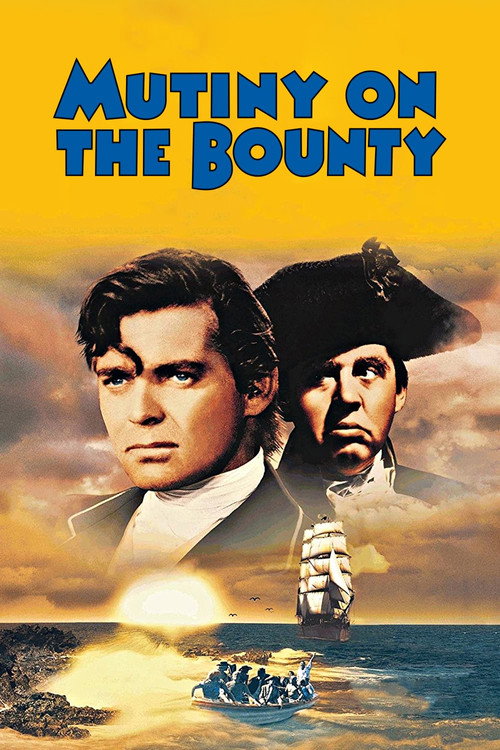
Mutiny on the Bounty1935
The mutiny film mainstream audiences actually grew up on — Clark Gable and Charles Laughton facing off as decent sailor and tyrant captain, the exact archetype Eisenstein's officers embody.
But It's a Hollywood star vehicle first and history second; the outrage stays personal rather than becoming a systemic indictment.
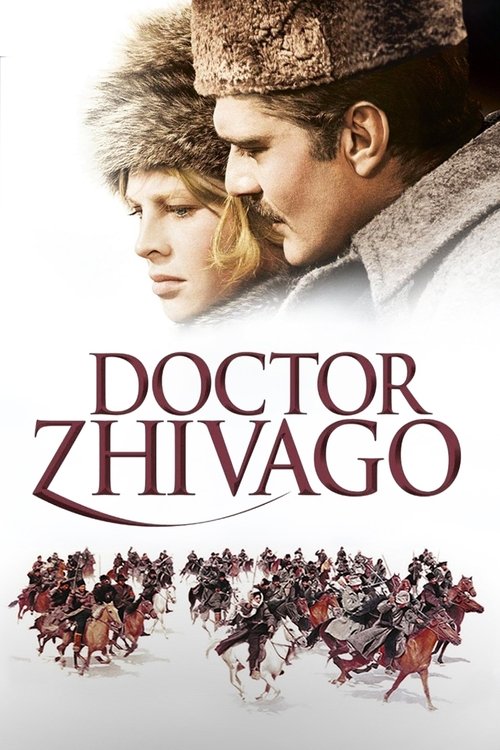
Doctor Zhivago1965
David Lean drops you into the same Russian Revolution Potemkin was made to commemorate, but tells it as sweeping doomed romance instead of agitprop — three hours of snow, trains, and longing.
But It's melodrama at enormous scale; if you wanted revolutionary fervor, you get grand tragic love instead.
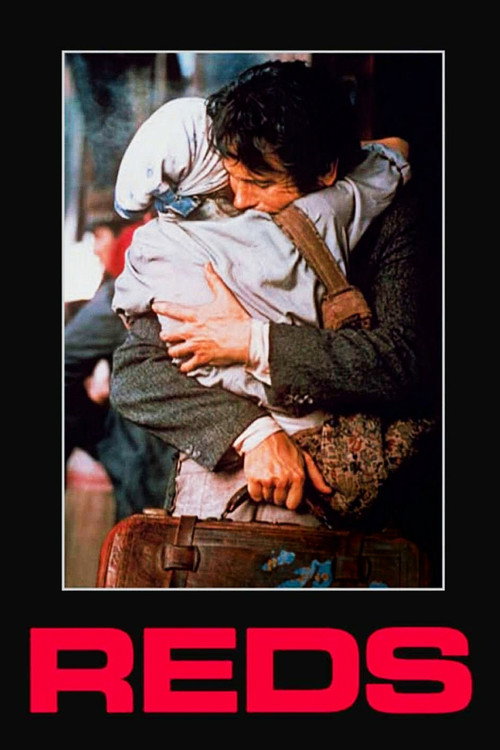
Reds1981
Warren Beatty's own epic about the Russian Revolution, seen through American eyes, with real elderly witnesses interviewed between chapters — it asks what Potemkin's uprising looked like from outside.
But Three-plus hours of talky idealism, and its earnest 1981 politics can feel like a relic of a different argument.
Nicholas and Alexandra1971no page yet
The other side of the story — the doomed royal family the sailors were eventually rising against, told as lavish, sympathetic historical tragedy rather than revolutionary triumph.
But It's stately and slow, and its sympathy sits with the very people the mutiny opposed — a very different moral temperature.
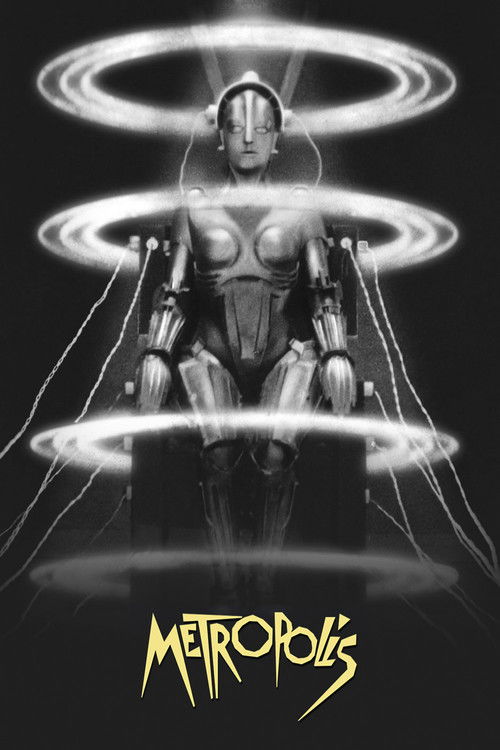
Metropolis1927
Another silent-era monument built on mass movement and class conflict, but German Expressionist and science-fictional where Potemkin is blunt and documentary-like — the crowd again as a single organism.
But It's stylistically alien and its politics are far muddier — more fairy-tale myth than revolutionary manifesto.
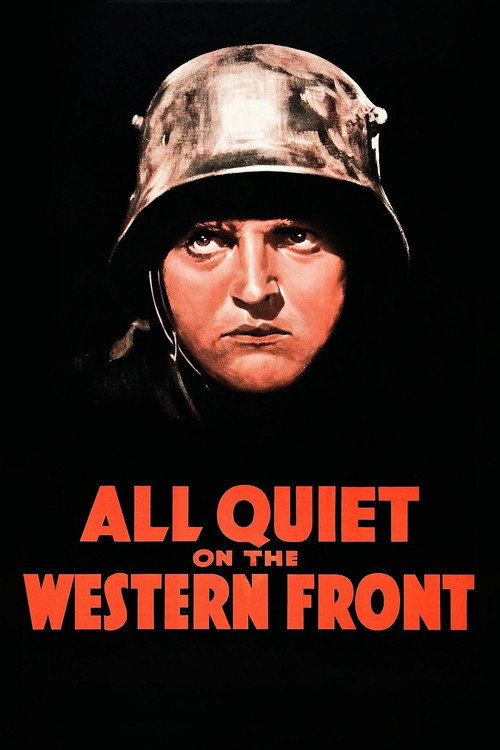
All Quiet on the Western Front1930
An early sound-era war film with the same appetite for showing what state violence does to actual bodies, made only a few years after Potemkin and with comparable moral fury.
But It trades Eisenstein's editing fireworks for grim naturalism — a slower, sadder kind of devastating, no propulsive rhythm.
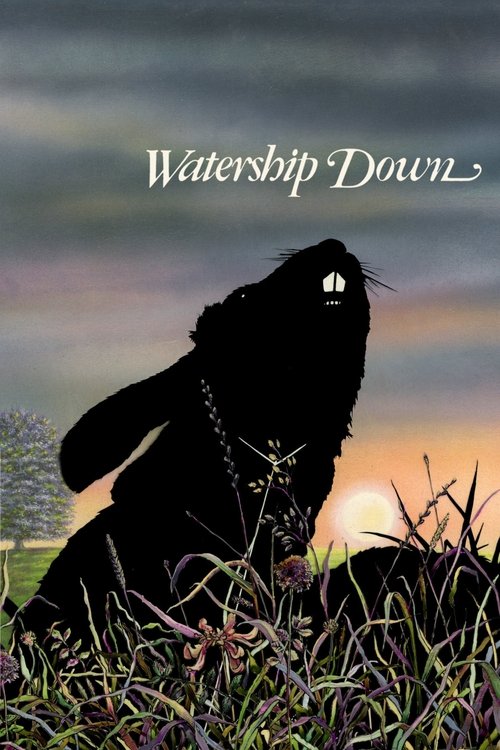
Watership Down1978
Both stage mass flight and slaughter as the true subject, using a terrified crowd surging toward safety as the emotional core — Watership Down just does it with rabbits instead of sailors, animation instead of newsreel grit.
A British animated film about rabbits fleeing a doomed warren that is far more violent and mournful than anything marketed as family entertainment has any right to be.
But People bring children expecting cute bunnies and get traumatized instead — the brutality is real, just fur-covered.
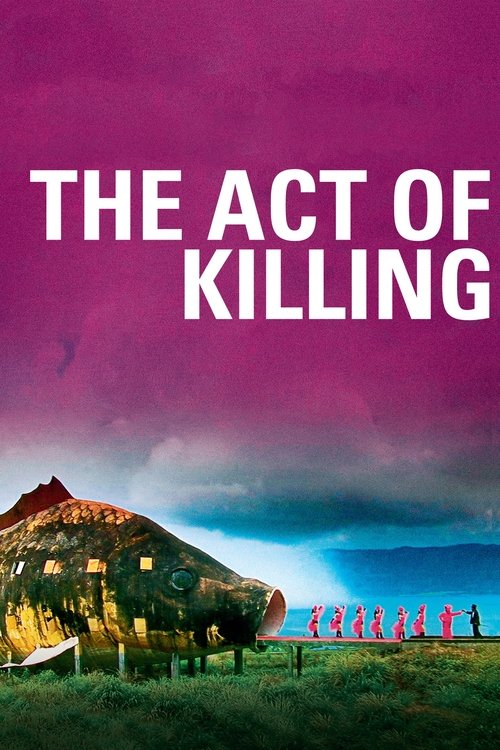
The Act of Killing2012
Potemkin uses cinema to make a massacre feel righteous and inevitable; this uses cinema to make the killers confront what they did, exposing exactly how staged violence gets turned into myth — the same tool, aimed at the opposite target.
A documentary in which actual perpetrators of a real massacre restage their killings for the camera, sometimes as gangster films, sometimes as musicals — propaganda filmmaking turned back on itself and exposed.
But It is genuinely disturbing and morally vertiginous, offering none of Potemkin's righteous clarity — no heroes, no catharsis.
People
Cast
 Aleksandr AntonovGrigory Vakulinchuk
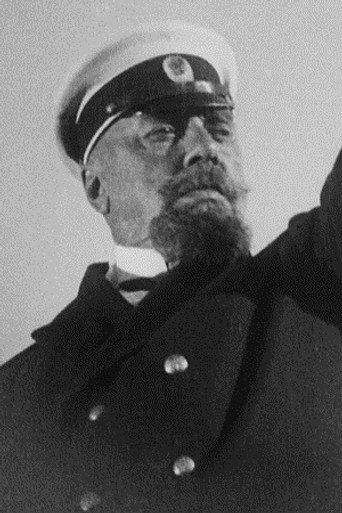 Vladimir BarskyCommander Golikov
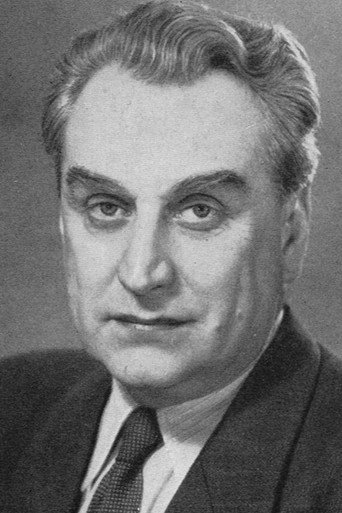 Grigori AleksandrovChief Officer Giliarovsky
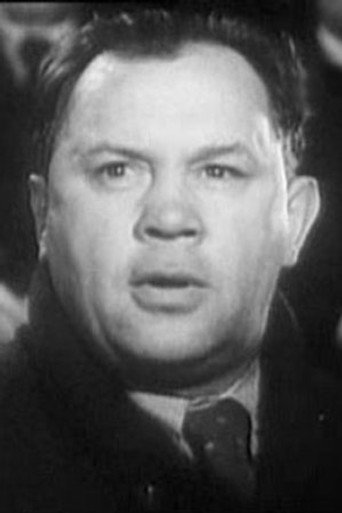 Ivan BobrovYoung Sailor Flogged While Sleeping
- Mikhail GomorovMilitant Sailor
- Aleksandr LevshinPetty Officer
- Nina PoltavtsevaWoman with Pince-nez
- Konstantin FeldmanStudent Agitator
- ProkhorenkoMother Carrying Wounded Boy
- A. GlaubermanWounded Boy
- Beatrice VitoldiWoman with Baby Carriage
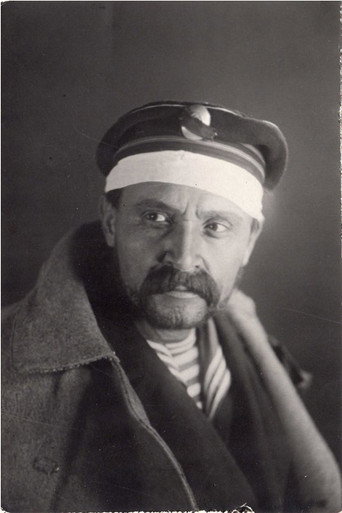 Danylo AntonovychSailor
Directing
- Aleksandr AntonovAssistant Director
- Aleksandr LevshinAssistant Director
- Grigori AleksandrovAssistant Director
- Maksim ShtraukhAssistant Director
- Mikhail GomorovAssistant Director
- Sergei EisensteinDirector
Writing
- Grigori AleksandrovWriter
- Nikolay AseevWriter
- Nina AgadzhanovaWriter
- Sergei EisensteinWriter
- Sergei TretyakovWriter
Production
- A. KotoshevAdministration
- A.P. KryukovAdministration
- Mikhail KapchinskyExecutive Producer
- Yakov BliokhProducer