
Film
Comradeship
A 1931 German drama about cross-border solidarity in extremity. When a mine explosion traps French workers, German miners risk themselves in a crumbling tunnel to rescue them—a story about working people who refuse the hatreds their masters demand. Quietly radical, technically accomplished, and profoundly moving.
Should you watch it?
Watch it if you are moved by stories where solidarity is shown through hard physical labour and ordinary decency, and where a plain, humane sense of right does more than any speech could.
Skip it if you need sleek modern pacing and dialogue-driven plots, since this is a 1931 black-and-white film that is earnest, sometimes stagey, and more interested in a message than in suspense.
What it asks of you: Roughly ninety-three minutes, with a slow, patient build above ground before the story descends into the mine, and a steady attention to faces and the cramped dark rather than quick cuts.
Not sure? Find tonight's pick in a minute.
If you liked this
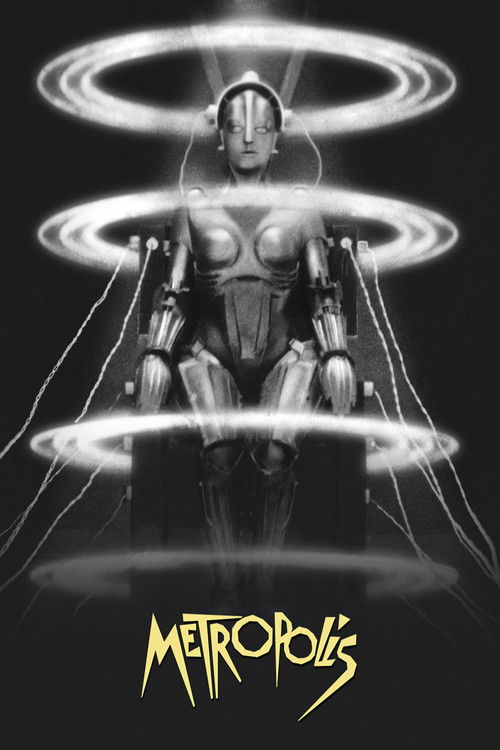
Metropolis1927
Fritz Lang's visionary science fiction examines class conflict through spectacle and metaphor. If you responded to Comradeship's themes about workers and power, this shows how cinema could make those abstractions visceral and unforgettable.
But The pacing feels glacial by modern standards, and the plot's moral clarity might seem naive. It's also very long and demands patience with silent film conventions.
Battleship Potemkin1925
Eisenstein's masterpiece about mutiny and solidarity uses montage as a weapon. It shares Comradeship's belief in cinema's power to stir collective consciousness, but with far more formal audacity.
But It's avant-garde and abstract in ways that can feel impenetrable. The politics are unsubtle, and if you find didacticism exhausting, this won't soften the blow.

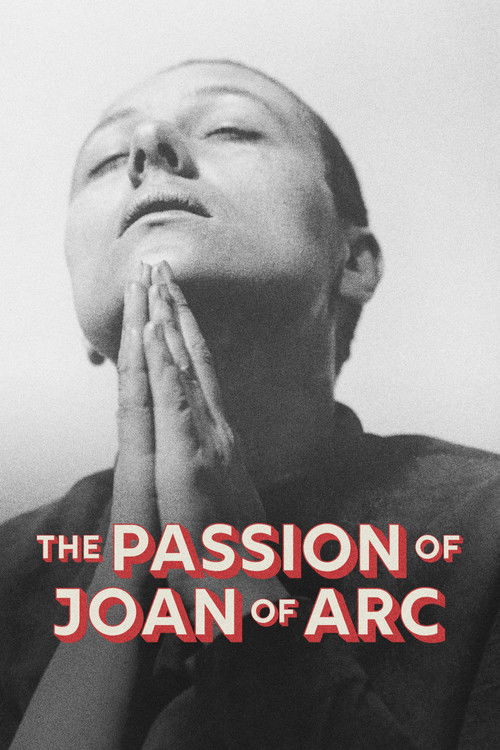
The Passion of Joan of Arc1928
Dreyer's close-up intensity follows a woman facing institutional cruelty with only faith and defiance. Like Comradeship, it's a study in human dignity under pressure, achieved through formal mastery rather than melodrama.
But Renée Jeanne Falconetti's performance is so overwhelming it can feel punishing. The film moves at its own speed, indifferent to conventional narrative rhythm.
Not sure tonight? Get a pick in a minute, starting from Comradeship
The wildcard
Something you would not have found on your own.
Kes1970
Both use the dignity of ordinary labor and skill as moral anchors. Both trust their audience to find nobility in working-class life without sentimentality or condescension.
Ken Loach follows a working-class boy training a hawk—a film about dignity, attention, and what it means to matter. Like Comradeship, it's a film about ordinary people that treats them with absolute seriousness and love, though set in a vastly different time.
But It's a British school drama that can feel slow and bleak. There's no conventional resolution, and the politics are embedded in the texture rather than stated.

More like this (7)
Intolerance: Love's Struggle Throughout the Ages1916
D.W. Griffith's epic interweaves four periods to argue against bigotry and cruelty. It shares Comradeship's conviction that cinema can awaken moral consciousness through scope and scale.
But At three and a half hours, the narrative can feel diffuse and the editing bewildering. Some of the racial politics are complicated in uncomfortable ways.

Nosferatu1922
Another German Weimar triumph: a vampire film that works as both horror and allegory. The visual language and sense of dread are extraordinary, and it shows how German filmmakers were revolutionizing what cinema could express.
But If you find silent horror slow and formal rather than scary, this won't change your mind. The plot is simple, and the atmosphere matters more than narrative momentum.

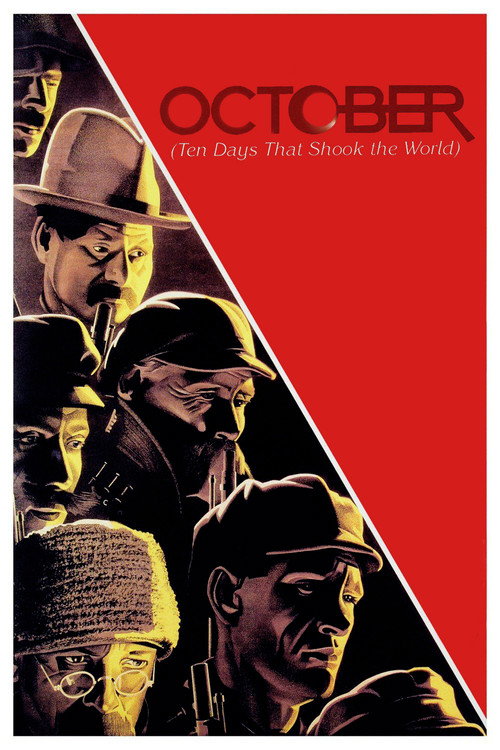
October (Ten Days that Shook the World)1928
Eisenstein's Soviet epic documents revolution through kinetic montage and massive crowds. It's the ideological cousin to Comradeship: cinema as a tool for showing collective action and historical inevitability.
But It's a Soviet propaganda film, unapologetic and dense with symbolic montage. If you need psychological realism or a conventional story, you won't find it.
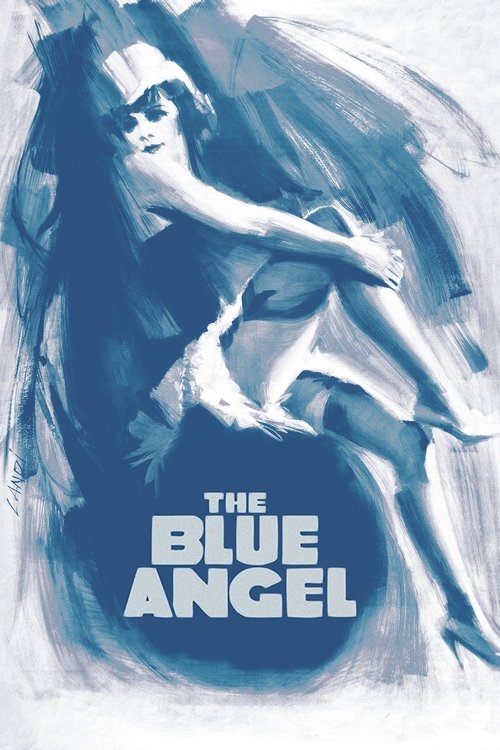
The Blue Angel1930
Sternberg's German masterpiece about desire and humiliation stars Marlene Dietrich. It's a vivid contrast to Comradeship's dignity and solidarity—same era, same country, opposite vision of human nature.
But It's claustrophobic and cruel, depicting degradation with clinical precision. If you came to Comradeship for uplift, this will feel like a punch.
Pandora's Box1929
Pabst's Weimar noir follows a woman through sexual and social chaos with dazzling visual control. It shows the formal sophistication German cinema had reached by the early sound era.
But Louise Brooks' character is a cipher of male desire, and the film's attitude toward her is ambiguous and harsh. The narrative is deliberately fragmented and morally opaque.

Asphalt1929
Another Pabst film, this one about a cop and a woman whose lives collide on the street. It's a moody genre exercise showcasing Weimar visual style and the texture of urban life before everything changed.
But The plot is thin, the romanticism feels dated, and it's more atmosphere than substance. If you need character development or moral complexity, you won't find much.

Come and See1985
Where Comradeship shows workers choosing solidarity across borders, Come and See shows what fascism does to that possibility. It's the historical answer to Comradeship's hope: this is what actually happened to those miners and their world.
Elem Klimov's Belarusian masterpiece follows a boy conscripted into war during WWII. It's the most harrowing film ever made, and it contains something essential about what happens when solidarity and mercy are obliterated by systems larger than individual goodness.
But It's traumatic by design. This is not entertainment or even catharsis—it's a wound. Many viewers cannot finish it, and that's not weakness.

People
Cast
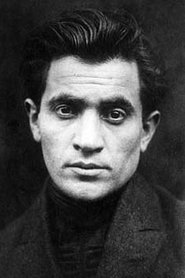 Alexander GranachKasper
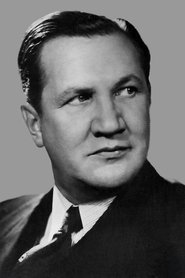 Fritz KampersWilderer
- Ernst BuschWittkopp
 Elisabeth WendtFrau Anna Wittkopp
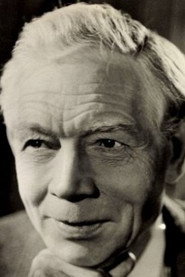 Gustav PüttjerKaplan
- Oskar HöckerMine Foreman
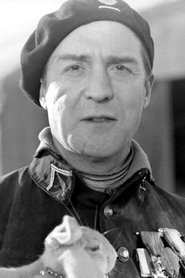 Daniel MendailleJean Leclerc
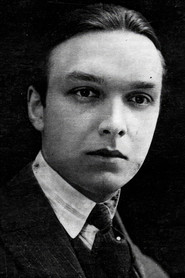 Georges CharliaEmile
- Andrée DucretFrançoise
- Alex BernardGrandfather Jacques, the Old Miner
 Pierre-LouisGeorges, Jacques's Grandson
 Héléna MansonRose, Albert's Wife
Directing
- Herbert RappaportAssistant Director
- G.W. PabstDirector
Writing
- Léon WerthDialogue
- Anna GmeynerWriter
- Herbert RappaportWriter
- Karl OttenWriter
- Ladislaus VajdaWriter
- Peter Martin LampelWriter
Production
- Seymour NebenzalProducer
- Georges RootProduction Manager
- Wilhelm LöwenbergProduction Manager
- Gustav RathjeUnit Manager
- Walter JacksUnit Manager