
Film
Asphalt
- Drama
- Very dark
A German Expressionist masterpiece from 1929 where a policeman's orderly world shatters when he encounters a beautiful thief in Berlin's glittering underworld. Visually intoxicating, rhythmically propulsive, and intimate despite its grand scale. For anyone who loves cinema where shadow and desire shape the story as much as dialogue.
If you liked this
Pandora's Box1929
Louise Brooks as Lulu is cinema's most magnetic screen presence, and G.W. Pabst's direction captures the same Weimar decadence and sexual danger that electrifies Asphalt. A companion piece to the German silent era's moral recklessness.
But Silent films demand patience, and this one moves between comedy and tragedy in ways that can feel jarring to modern sensibilities. The print quality varies wildly depending on which restoration you find.

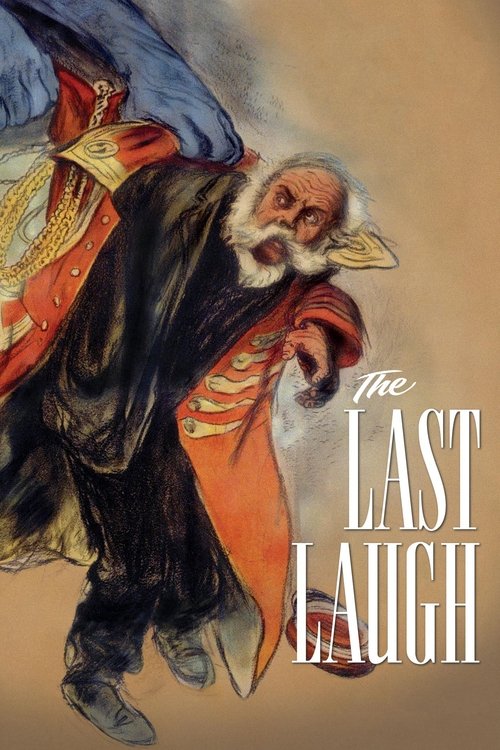
The Last Laugh1924
F.W. Murnau's camera moves in ways that were revolutionary and still feel alive. Like Asphalt, it tells a story of social humiliation and desire through pure visual storytelling, with the city itself as a character.
But Almost entirely without intertitles, so you're reading emotion from faces and movement. If you need dialogue to anchor you, this will feel remote at first.
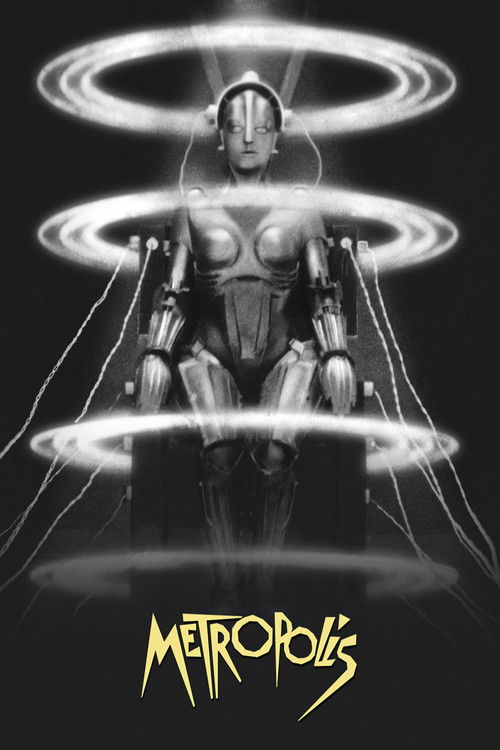
Metropolis1927
Fritz Lang's vision of a stratified future city has the same operatic scale and visual ambition as Asphalt, plus the added thrill of science fiction. Humanity crushed by systems it created, desire crossing class boundaries—the DNA is identical.
But The restored versions are excellent but long, and the plot can feel schematic. Some find the futurism dated rather than timeless. Requires real commitment.
Not sure tonight? Get a pick in a minute, starting from Asphalt
The wildcard
Something you would not have found on your own.
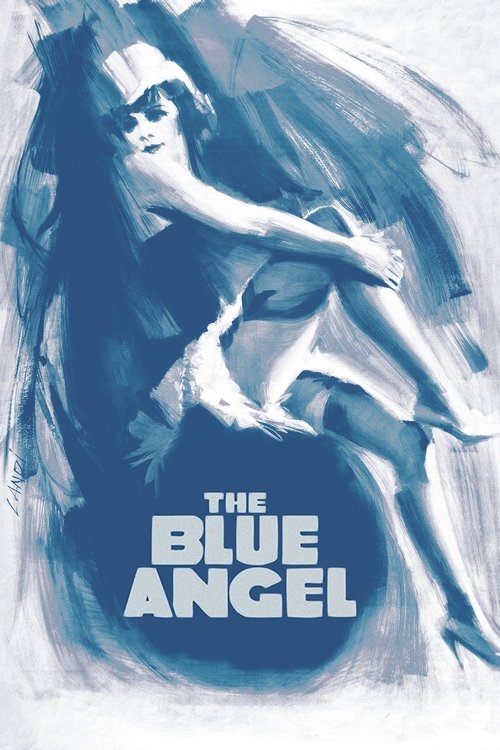
The Blue Angel1930
Both films use a seductive woman as the catalyst for a man's self-destruction, but von Sternberg makes the descent operatic and doomed where May keeps it urban and almost sane. Same psychological engine, different register.
Made just a year after Asphalt, Josef von Sternberg's film also stars Betty Amann and charts a man's destruction through desire for an unattainable woman. But this one is half opera, half nightmare—Marlene Dietrich's Lola is sex as a wrecking ball. The visual language descends further into darkness.
But Sternberg's style is so mannered it can feel mannered—every shadow placed with such precision that you watch the technique instead of the story. Misogynistic in interesting rather than forgivable ways.
More like this (8)
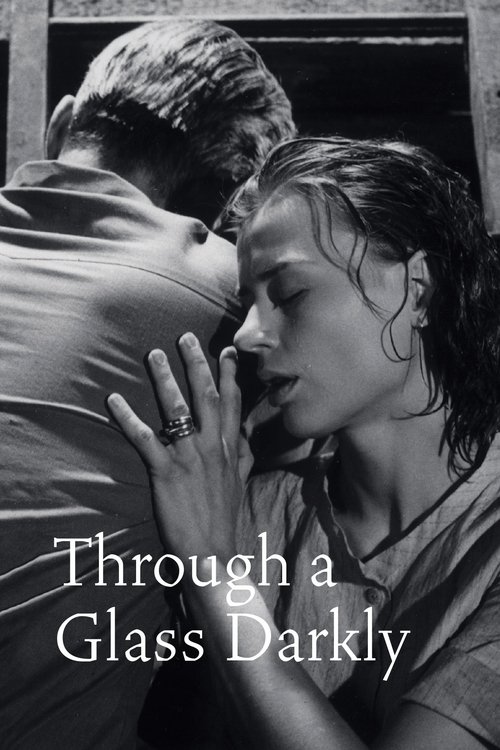
Through a Glass Darkly1961
A gorgeously shot British Gothic series with the same sexual and moral vertigo that Asphalt channels. Uses visual storytelling first, dialogue second. Each episode unfolds like watching desire corrode certainty.
But Very slow. Atmospheric over plot-driven. If you watch TV primarily for narrative momentum, this will feel like drowning in atmosphere.
Nosferatu1922
F.W. Murnau again, this time with the city as a place of creeping dread rather than glittering temptation. The same German Expressionist visual language—shadow, geometry, bodies in space—that makes Asphalt hypnotic.
But It's a vampire film, which means the plot is dated and the horror no longer lands as terror. More interested as visual art than as a scare.

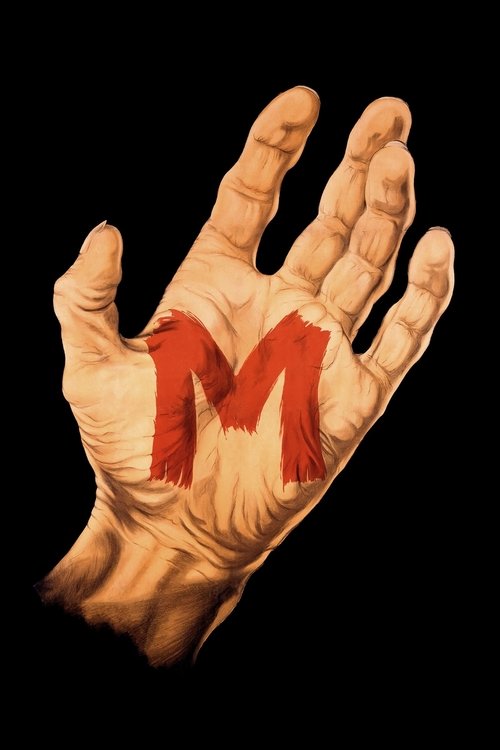
M1931
Fritz Lang's talkie about a serial killer in Berlin captures the same city as Asphalt but from underneath it. The Weimar underworld, moral compromises, and the machinery of society grinding people into dust. Magnificent and bleak.
But Extremely dark and genuinely disturbing. The subject matter is heavy in ways that don't age away. The early sound design can feel tinny.
Sunrise: A Song of Two Humans1927
F.W. Murnau's American masterpiece has the same visual intoxication and tragic love story as Asphalt. A man tempted away from his wife by a seductress. Lust and conscience in collision, told through movement and light.
But Very sentimental, especially in the second half. If you find earnestness cloying, the emotional register will feel syrupy rather than tragic.

The Phantom Carriage1921
Victor Sjöström's Swedish masterpiece predates Asphalt but shares its obsession with guilt, redemption, and the supernatural lurking at the edge of ordinary life. Formally adventurous in ways that still feel startling.
But Silent Swedish cinema from 1921 means you're asking a lot from yourself. The print you'll find may be damaged. Very slow, very deliberate pacing.

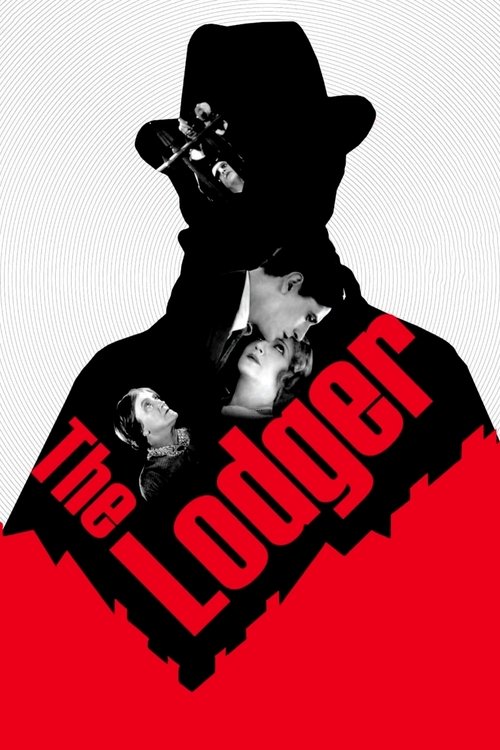
The Lodger: A Story of the London Fog1927
Hitchcock's London thriller has Asphalt's urban paranoia and the same sense of moral ambiguity—you're never quite sure who to trust. Stylish, tense, and formally inventive in small, perfect ways.
But Shorter and less visually baroque than Asphalt, so it might feel slight. The plot twists are predictable if you know anything about thriller conventions. Very British restraint after German Expressionist abandon.
In the Mood for Love2000
Both films believe that how you photograph desire matters more than what happens next. Both use the city as a third character. Both are about the eroticism of restraint and the tragedy of looking without touching.
Wong Kar-wai's Hong Kong masterpiece is a total break from German Expressionism, but it's obsessed with the same things: the aesthetics of longing, the way desire moves through architecture and shadow, how attraction corrodes certainty. Impossibly beautiful and achingly slow.
But This is a film about not acting on desire, not pursuing it. If you want plot momentum or consummation, it will frustrate you deliberately. Some find it glacially paced. The story is gossamer-thin.

Stalker1979
Both films believe that the pursuit of desire through a particular space—city or wilderness—is the real subject. Both use visual rhythm to make us feel complicit in a character's self-destruction. The same moral vertigo, half a century apart.
Andrei Tarkovsky's Soviet science fiction film is about the human compulsion to follow desire into dangerous territory, moving through a landscape that reflects the mind. Hypnotic, philosophical, visually overwhelming. It's Asphalt's obsession translated into metaphysical space.
But Three hours long and proceeding at a deliberate crawl. Almost no plot. Shot in muted colors and long takes. If you need conventional narrative or excitement, this will feel like punishment dressed as cinema.

People
Cast
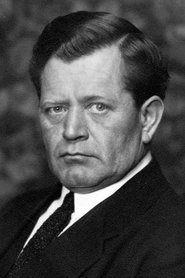 Albert SteinrückHauptwachtmeister Holk
- Else HellerMutter Holk
 Gustav FröhlichWachtmeister Albert Holk
 Betty AmannElse Kramer
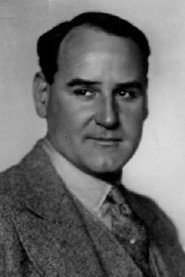 Hans Adalbert SchlettowKonsul Langen
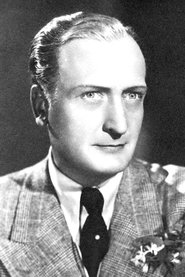 Hans AlbersErster Dieb
 Rosa ValettiGeschäftsführerin
 Paul HörbigerZweiter Dieb
Directing
- Joe MayDirector
Writing
- Hans SzékelyWriter
- Joe MayWriter
- Rolf E. VanlooWriter
Production
- Erich PommerProducer
- Max PfeifferProducer