
Film
Piccadilly
A 1929 silent drama set in London's nightclub underworld, where a Chinese kitchen worker becomes an overnight sensation as a dancer. E.A. Dupont's film is visually stunning—all geometric sets and dramatic shadows—and fascinatingly uncomfortable: a portrait of ambition, racism, and the machinery that builds and destroys glamour. For silent-film enthusiasts and visual storytellers.
If you liked this
Sunrise: A Song of Two Humans1927
German Expressionist masterpiece about desire and temptation. Like Piccadilly, it uses architectural space and shadow to build moral dread, and finds tragedy in the gap between hunger and belonging.
But Completely silent, deeply slow. The emotional manipulation is deliberate and relentless—not everyone wants their heart wrung that way.

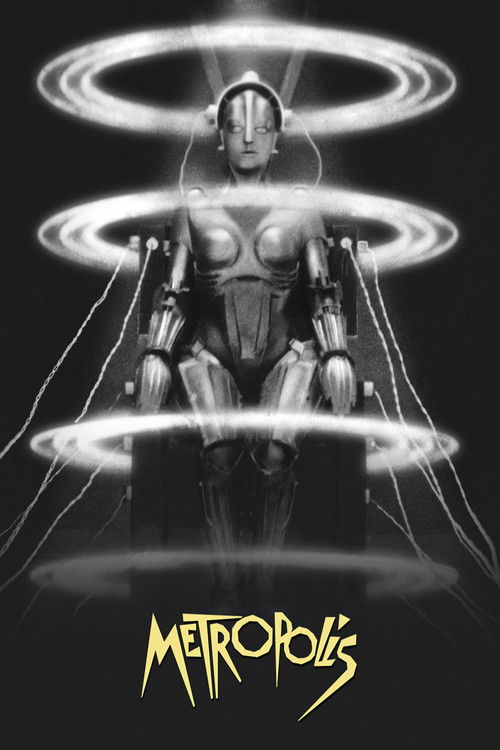
Metropolis1927
Vast, ambitious, visually revolutionary. Both films use nightclub scenes and class anxiety as engines; both are fascinated by how desire moves between people and systems.
But Long, fragmented (no perfect version exists), and the plot can feel secondary to the spectacle. Some find it coldly didactic.
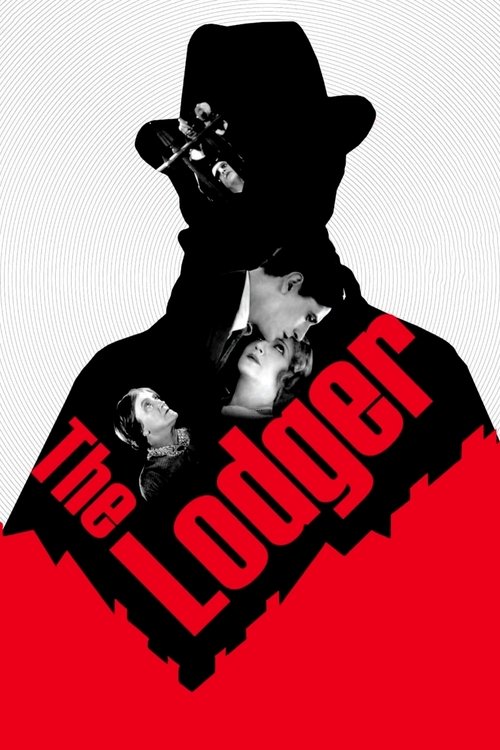
The Lodger: A Story of the London Fog1927
Hitchcock's early masterpiece of suspicion and urban paranoia. Like Piccadilly, it's obsessed with London's geography, class hierarchies, and how quickly reputation can collapse.
But More thriller than character study. The pacing will feel alien if you're used to modern editing rhythms.
Not sure tonight? Get a pick in a minute, starting from Piccadilly
The wildcard
Something you would not have found on your own.
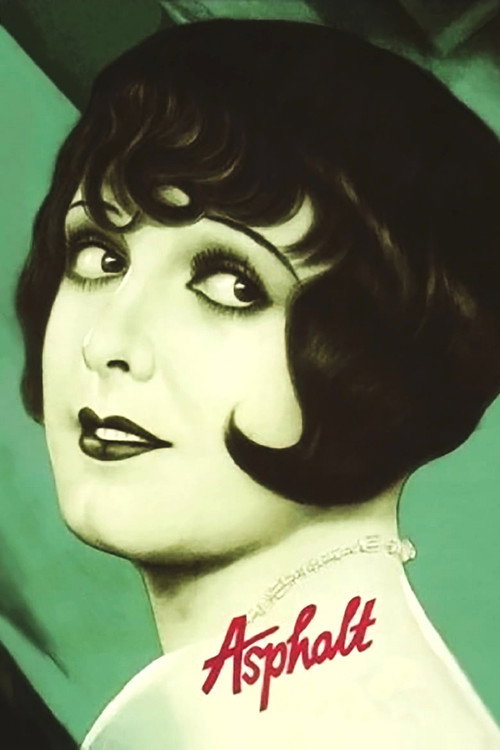
Asphalt1929
Same year, same artistic movement, same belief that the city is a predator and beauty is a wound.
Joe May's German film about a cop and a woman, shot in the same visual language as Piccadilly. Brutalist compositions, moral vertigo, the city as a character. Both use architecture to think about desire and downfall.
But Another silent, another European production. If you're tired of that era's visual grammar, this won't convert you. The plot is thinner than you'd hope.
More like this (8)
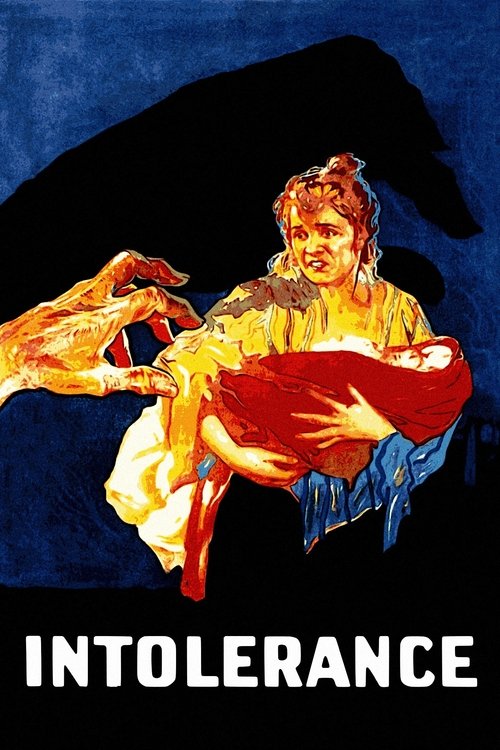
Intolerance: Love's Struggle Throughout the Ages1916
Griffith's epic meditation on power, performance, and persecution across four eras. Shares Piccadilly's eye for how spectacle and moral judgment intertwine, and how minorities are consumed by the machinery around them.
But Nearly four hours. Griffith's racism is woven into the film's very DNA, making it complicated viewing even as a historical artifact.
The Phantom Carriage1921
Swedish silent about guilt and redemption. Both films use expressionist design to make interior states visible; both refuse easy sentiment about class and consequence.
But Glacially paced by modern standards. The technical achievement matters more to the film than narrative momentum.

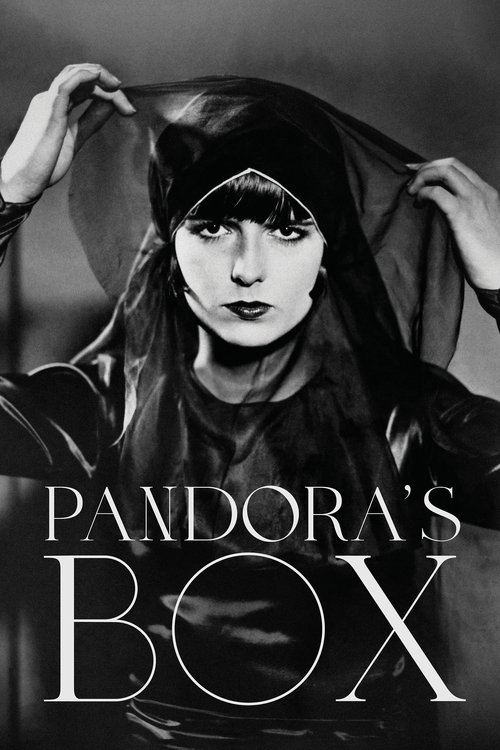
Pandora's Box1929
Released the same year, also about a woman whose beauty becomes a trap. Pabst's film is rawer, more psychologically acute, and equally fascinated by how systems weaponize desire.
But Bleaker and more nihilistic than Piccadilly. The ending offers no comfort or redemption.
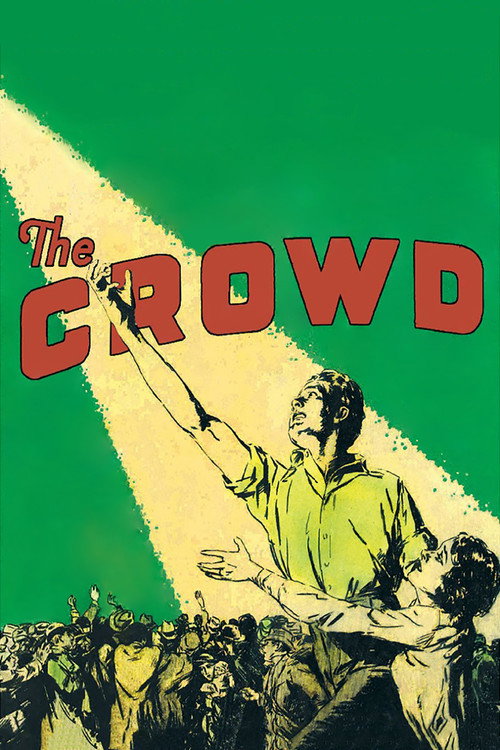
The Crowd1928
Vidor's tragedy about an ordinary man swallowed by the city. Both films see urban life as a kind of predation; both treat their heroes with sympathy and clear-eyed cruelty.
But Relentlessly depressing. The film believes ordinary people are disposable, and never argues you out of that thought.
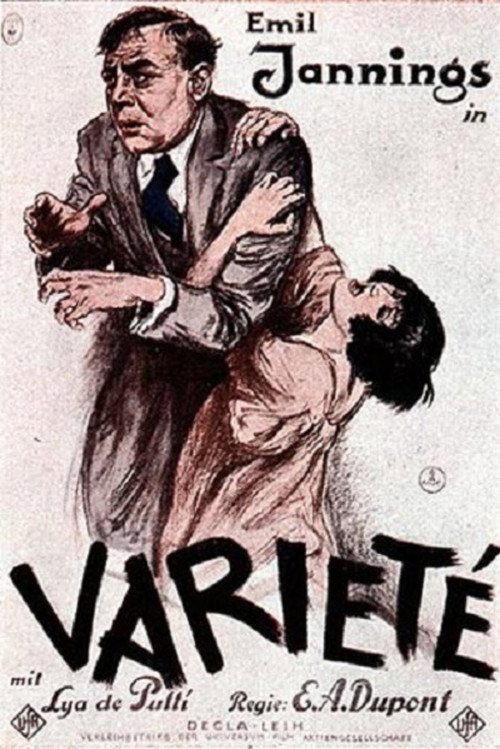
Variety1925
Dupont's own earlier film, about circus performers and obsession. He's fascinated by performance as a form of control; the visual language here prefigures Piccadilly's best moments.
But Less polished than Piccadilly, and the melodrama can feel overwrought. The 1925 technical limitations show.
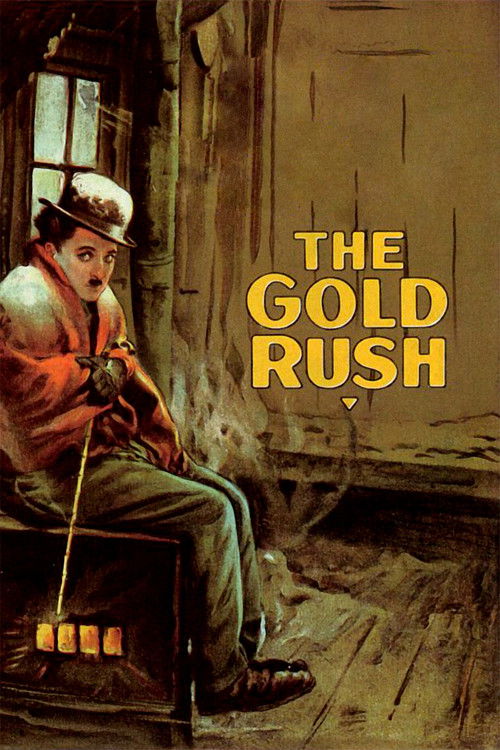
The Gold Rush1925
Chaplin's masterpiece about hunger, hope, and the machinery that crushes the desperate. Both films balance comedy and tragedy; both see their heroes as small against forces much larger.
But Chaplin's sentimentality will feel alien if you prefer Dupont's cooler eye. The pacing demands patience.
In the Mood for Love2000
Both center Asian women navigating desire in cultures not built for them. Both use production design as a moral language. Kar-wai is in direct dialogue with 1929 cinema.
Wong Kar-wai's Hong Kong romance filmed in sumptuous colour and geometric spaces. Like Piccadilly, it's obsessed with how desire moves through rooms; how class and ethnicity shape what love is allowed to be. A direct artistic descendant.
But Deliberately slow, drenched in artifice. The plot is gossamer-thin. If you need narrative momentum, this film will frustrate you deeply.

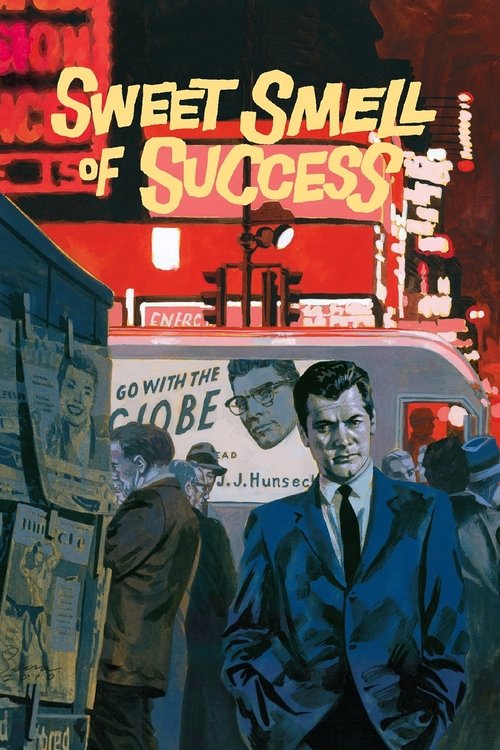
Sweet Smell of Success1957
Both are fascinated by nightclubs as moral spaces where desire becomes a transaction. Both refuse to sentimentalize their worlds or their victims.
Lehman's Manhattan nightclub noir, where ambition and cruelty are currency. Like Piccadilly, it sees entertainment as a system of predation; loves the visual geometry of power. Bitter, accomplished, completely unsentimental.
But Dialogue is baroque and difficult. The cynicism is total—there are no good people here, and the film never lets you rest. Some find it exhausting.
People
Cast
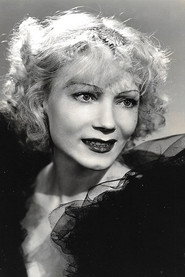 Gilda GrayMabel Greenfield
 Anna May WongShosho
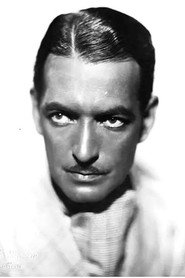 Jameson ThomasValentine Wilmot
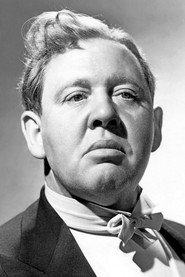 Charles LaughtonA Continental Visitor
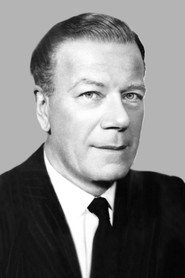 Cyril RitchardVictor Smiles
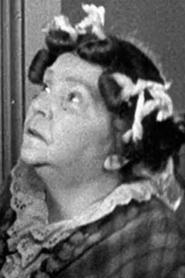 Hannah JonesBessie
- Gordon BeggCoroner
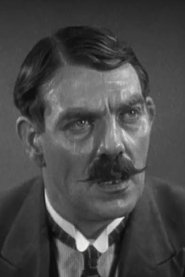 Harry TerryPublican
- Debroy SomersBand Leader at the Piccadilly Club
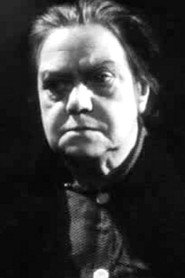 Vi KaleyWoman in Bar (uncredited)
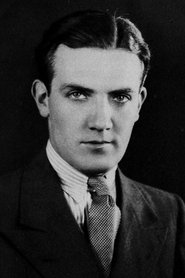 John LongdenMan from China (uncredited)
Recommended by
Beautiful People, The Magnificent Flirt, Daughter of the Dragon, The Mysterious Dr. Fu Manchu, Anthony Adverse