
Film
The Magnificent Flirt
- Comedy
- Romantic comedy
- Light-hearted
A 1928 silent comedy about romantic entanglements among the European leisure class. Elegant, swift, and funny in the way silents can be when they're not trying too hard—watchable even now because the performances are genuinely charming and the stakes are refreshingly low. For anyone curious about how comedy worked before sound, or who just likes watching beautiful people in evening clothes sort out their feelings.
Should you watch it?
Watch it if you enjoy light, sly comedies of manners where romantic schemes are played for wit and a little mischief, and you don't mind silent-era pacing and intertitles.
Skip it if you want substantial plot or a sharp modern pace, this slight, gentle picture may feel more like a sketch than a story.
What it asks of you: Short at under an hour, it asks you to track light social maneuvering closely, since its humor lives in glances and small reversals rather than set pieces.
Not sure? Find tonight's pick in a minute.
If you liked this
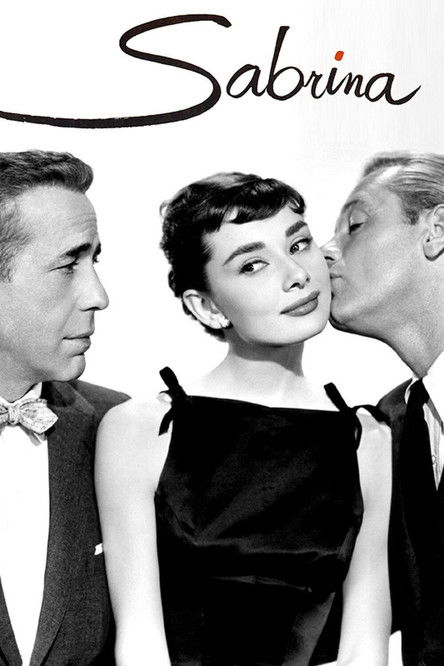
Sabrina1954
Audrey Hepburn returns from Paris transformed, upending the romantic plans of two brothers. Same DNA: a woman's social savvy as her greatest power, continental elegance, and the pleasure of watching someone outmaneuver everyone else through style and intelligence.
But The class dynamics have aged imperfectly, and if you're expecting a modern romance, the ending may feel less earned than charming.
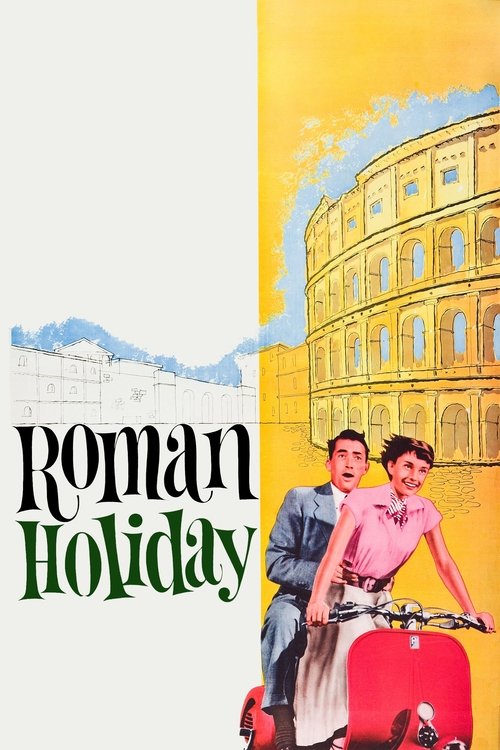
Roman Holiday1953
Audrey Hepburn as a princess who escapes her duties for a day in Rome with Gregory Peck. That same intoxicating mix of European settings, romantic scheming, and a heroine who makes her own rules—just with higher stakes and a melancholy edge.
But It's deeply sentimental in a way that requires you to want that sentimentality. Some find the ending manipulative rather than moving.
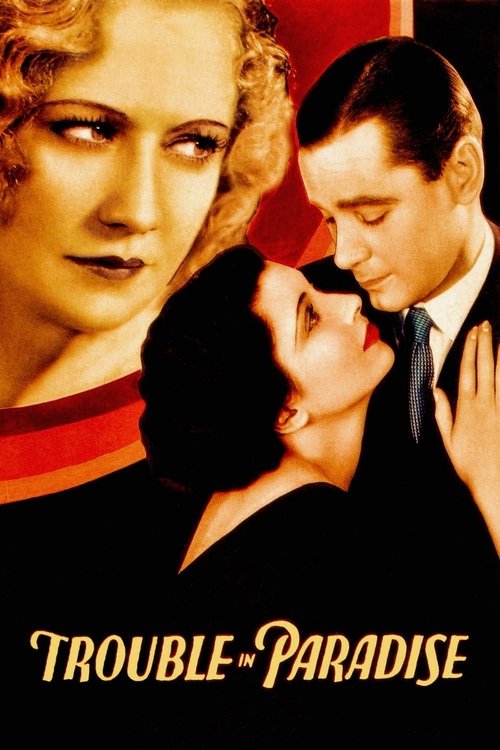
Trouble in Paradise1932
Ernst Lubitsch at his peak: a film about con artists and high society that moves like a perfectly choreographed dance. The wit is verbal but the structure is visual—you'll see why Lubitsch was the master of sophisticated romantic comedy.
But It's fast and allusive in a way that demands attention. If you're hoping for broad laughs, you'll miss most of them.
Not sure tonight? Get a pick in a minute, starting from The Magnificent Flirt
The wildcard
Something you would not have found on your own.
Pandora's Box1929
Both are about women as social operators in the late 1920s, but where *The Magnificent Flirt* celebrates their wit, *Pandora's Box* interrogates what they're willing to sacrifice—and what society demands they do so.
Louise Brooks in Pabst's masterpiece about a woman whose sexuality and independence destroy everyone around her. It's the shadow side of *The Magnificent Flirt*: what happens when the flirt doesn't remain charming, when the game turns dangerous and the woman refuses to apologize.
But It's bleak and ends in darkness. If you want the Weimar cabaret fantasy rather than the Weimar reality, this will unsettle you.

More like this (8)
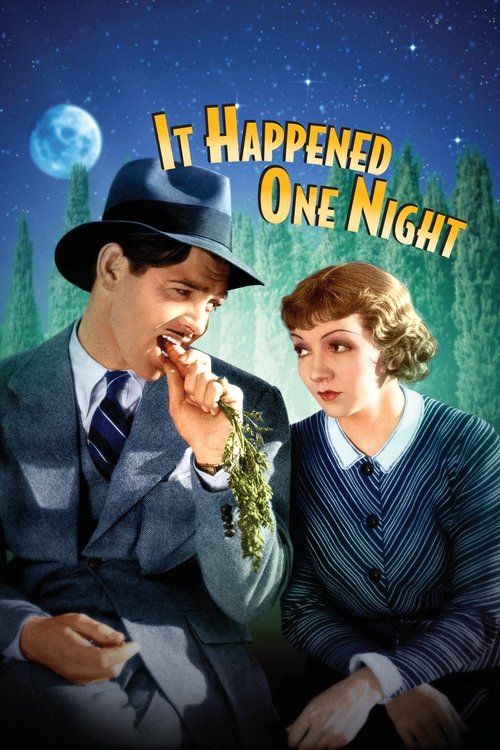
It Happened One Night1934
Claudette Colbert and Clark Gable on the road, bickering their way to love. A film about people being clever and resourceful rather than beautiful and patient—the real foundation of screwball comedy.
But The pacing can feel slack to modern eyes, and the gender dynamics, while progressive for 1934, won't feel progressive now.
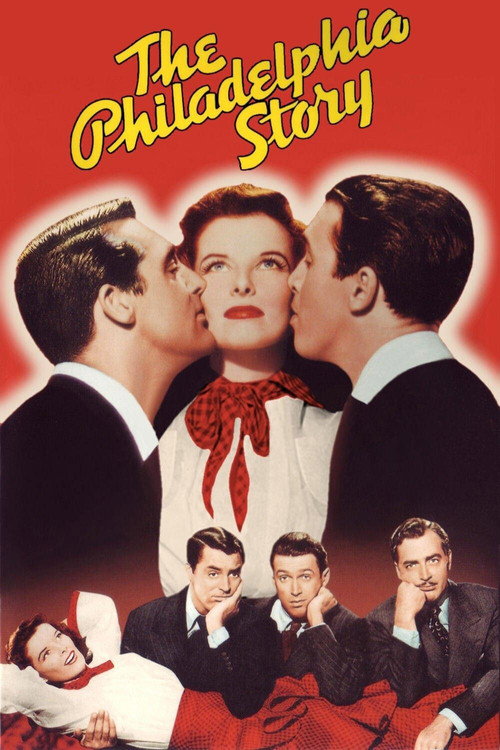
The Philadelphia Story1940
Katherine Hepburn, Cary Grant, and Jimmy Stewart trading quips around a society wedding. Proof that romantic comedy about the upper classes works best when the comedy is sharp enough to cut glass.
But At nearly two hours, it indulges itself. Some of the wordplay lands better on repeat viewings.
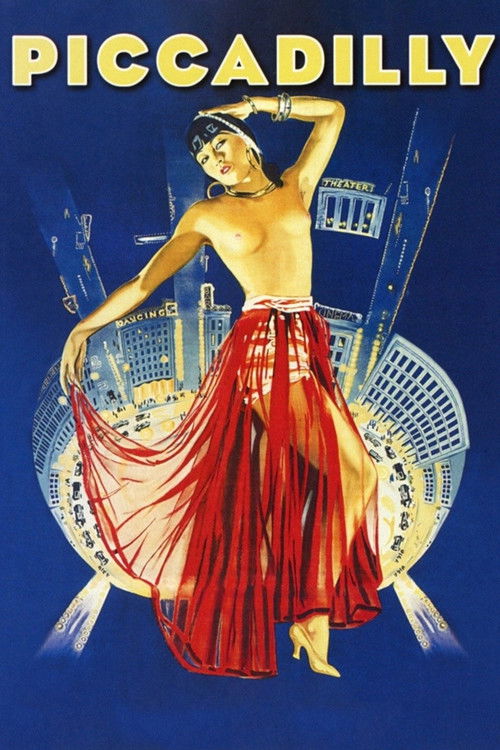
Piccadilly1929
A British film contemporaneous with *The Magnificent Flirt*, about a dancer and a chorus girl navigating London's nightclub scene. Silent, stylish, and genuinely strange in ways that illuminate what silent comedy could do.
But It's more atmospheric than funny, and the plot meanders. Jazz Age aesthetics only get you so far if the story doesn't grip you.
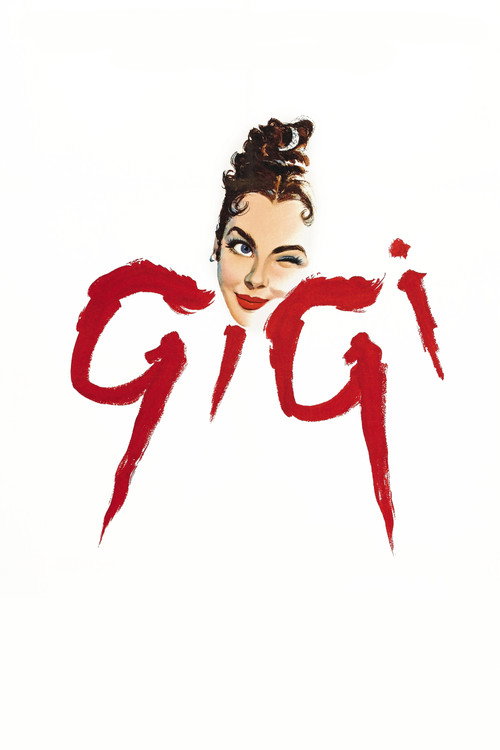
Gigi1958
A musical about a young woman groomed to be a courtesan in Belle Époque Paris, who wants something else. Same milieu, but with the romanticism stripped away enough to ask real questions about agency and choice.
But It's sentimental to its core, and the Lerner and Loewe songs are sophisticated rather than memorable. You have to be in the mood.
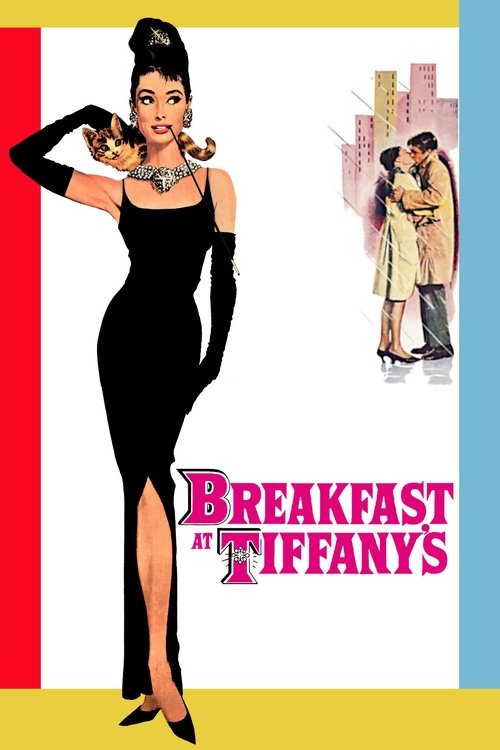
Breakfast at Tiffany's1961
Audrey Hepburn as Holly Golightly, a woman reinventing herself in New York. The DNA: a heroine who treats romance as a game, but the film knows she's playing with real stakes underneath.
But The racial caricature is indefensible, and the ending feels imposed rather than earned. It's genuinely difficult to recommend without caveats.
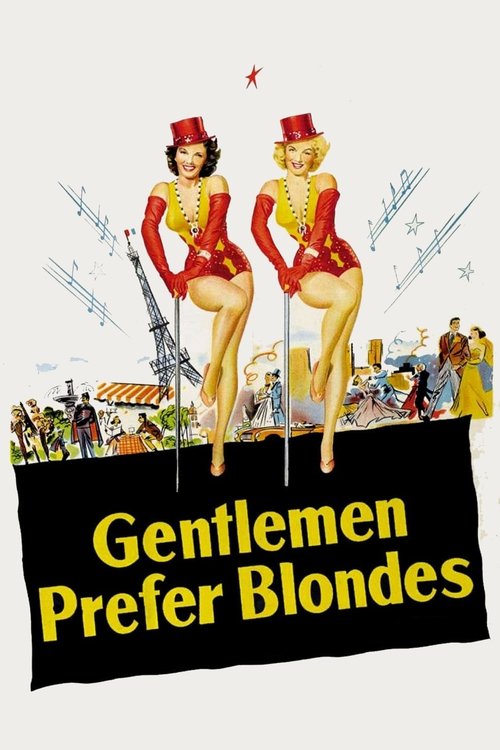
Gentlemen Prefer Blondes1953
Marilyn Monroe and Jane Russell as women using charm and brains to get what they want. It's bawdier than *The Magnificent Flirt*, but it shares the fundamental belief that women's wits are their greatest asset.
But It's camp, and deliberately so. If you want sophistication rather than spectacle, you won't find it here.
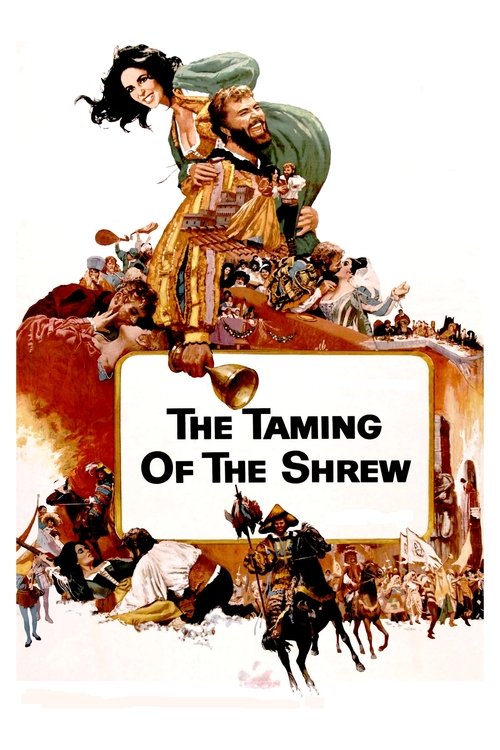
The Taming of the Shrew1967
Same architecture: romance as intellectual combat, seduction as strategy, and the assumption that the cleverest person in the room will win. But this version asks whether anyone actually wins at all.
Franco Zeffirelli's Shakespeare with Elizabeth Taylor and Richard Burton: two people locked in battle, trading insults like currency, each trying to outwit and outmaneuver the other. It's *The Magnificent Flirt* with psychological knives.
But It's very theatrical in a way that stage-trained acting can be. If you find Taylor and Burton's intensity exhausting rather than exhilarating, this will wear you out.
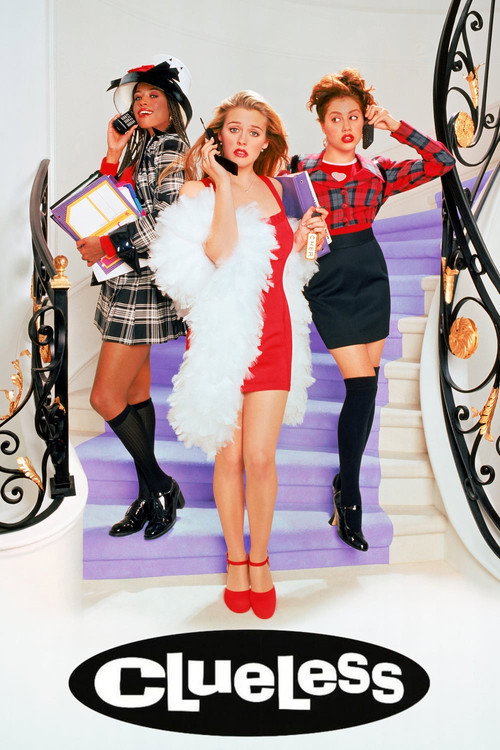
Clueless1995
Same central idea: a woman as social architect, arranging relationships and outcomes through intelligence and performance rather than accident or sentiment. *The Magnificent Flirt* does it in Parisian gowns; *Clueless* does it in plaid mini-skirts. The mechanism is identical.
Amy Heckerling updates the structure of romantic scheming to 1990s Beverly Hills. A film about a woman orchestrating romance for everyone but herself, using social intelligence as her weapon. Fast, funny, and genuinely smart about how charm and brains operate.
But It's fundamentally a teenage movie in expensive clothes. If you're looking for adult sophistication, the surface sheen can feel trivial underneath.
People
Cast
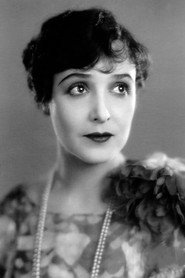 Florence VidorMme. Florence Laverne
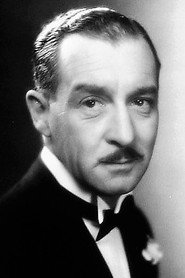 Albert ContiCount D'Estrange
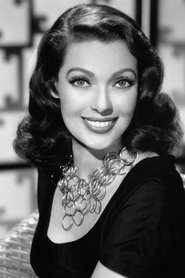 Loretta YoungDenise Laverne
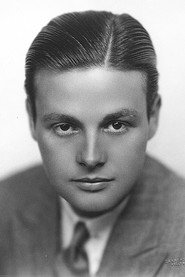 Matty KempHubert
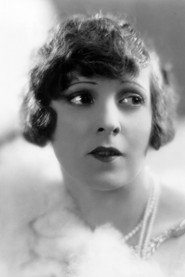 Marietta MillnerFifi
 Ned SparksTim
Directing
- Harry d'Abbadie d'ArrastDirector
Writing
- Herman J. MankiewiczDialogue
- José Germain DrouillyTheatre Play
- Harry d'Abbadie d'ArrastWriter
- Jean de LimurWriter