
Film
The Mysterious Dr. Fu Manchu
A 1929 silent thriller where Warner Oland's Dr. Fu Manchu seeks vengeance for his murdered family, orchestrating an elaborate campaign of blackmail and murder against British officials. It's a brisk, atmospheric crime picture that crackles with intrigue and genuine menace. For anyone curious about early talkie thriller craft or the roots of pulp villainy on screen.
Should you watch it?
Watch it if you love old-fashioned pulp adventure where a villain's elaborate schemes count for more than psychology, and you can enjoy a 1929 film that still plays like a rattling serial.
Skip it if you need modern pacing and naturalistic acting, since the early sound recording is muffled, the performances are broad and the plot's logic often yields to melodrama.
What it asks of you: It runs a brisk 82 minutes and moves in stagy, deliberate beats, so you have to meet its theatrical conventions halfway and let the atmosphere do the work.
Not sure? Find tonight's pick in a minute.
If you liked this
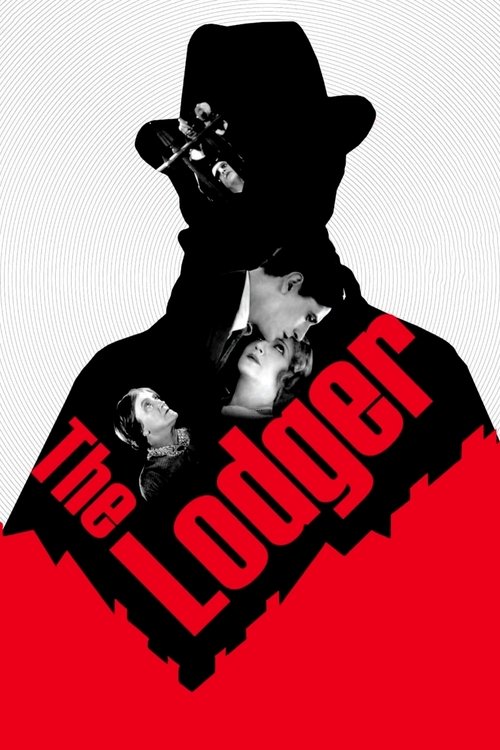
The Lodger: A Story of the London Fog1927
Hitchcock's silent masterpiece about suspicion and urban dread. A lodger's mysterious behaviour transforms a boarding house into a pressure cooker of paranoia and fear, built entirely through visual storytelling and performance.
But Silent films move at their own pace, and psychological thrillers without dialogue can feel mannered to modern viewers accustomed to exposition.
Nosferatu1922
German Expressionism at its peak: a vampire story told through shadows, distorted sets, and an atmosphere so thick you can feel it. Count Orlok remains one of cinema's great monsters, born from pure visual design.
But The pacing is glacial and the plot simple. If you need constant plot momentum or dialogue, this will test your patience.

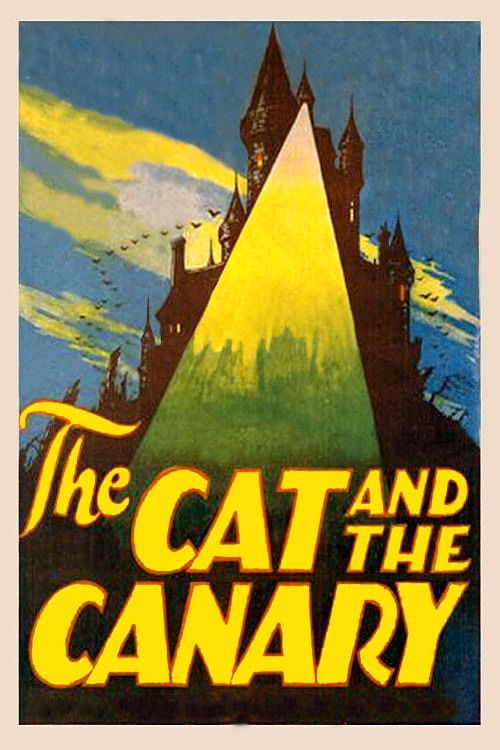
The Cat and the Canary1927
A delightful proto-horror-comedy where a will, a creepy mansion, and a mysterious killer create the blueprint for every dark-house mystery to follow. It's genuinely funny and cleverly constructed.
But The humour is broad and silent-era specific; some gags will feel dated or obvious by modern standards.
Not sure tonight? Get a pick in a minute, starting from The Mysterious Dr. Fu Manchu
The wildcard
Something you would not have found on your own.
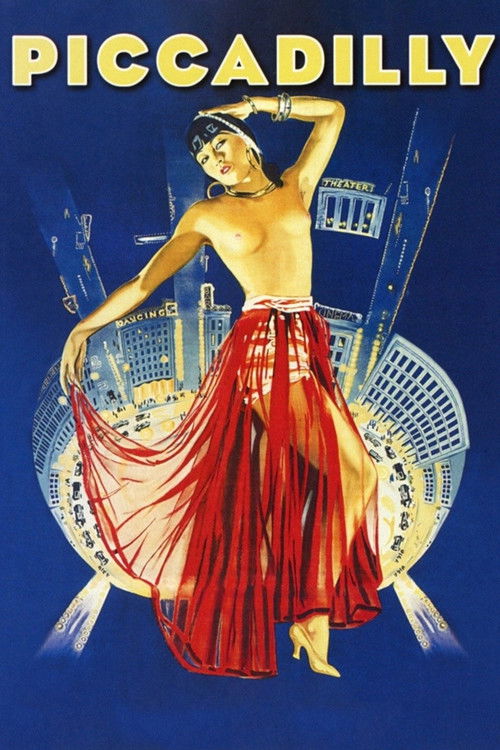
Piccadilly1929
Both are 1929 films where London's underworld and an outsider character collide. Piccadilly uses the same setting to tell a story about desire and belonging rather than vengeance.
Made the same year, also featuring an Asian character at the centre of a London crime story, but this is a glamorous jazz-age melodrama about a nightclub dancer caught between rival worlds. It's far more sympathetic and visually luxurious, showing an entirely different register of the same era's cross-cultural tensions.
But The plot is thin and the romantic elements treacly. It's atmosphere over substance, and some viewers will find it morally muddled in its own way.
More like this (7)
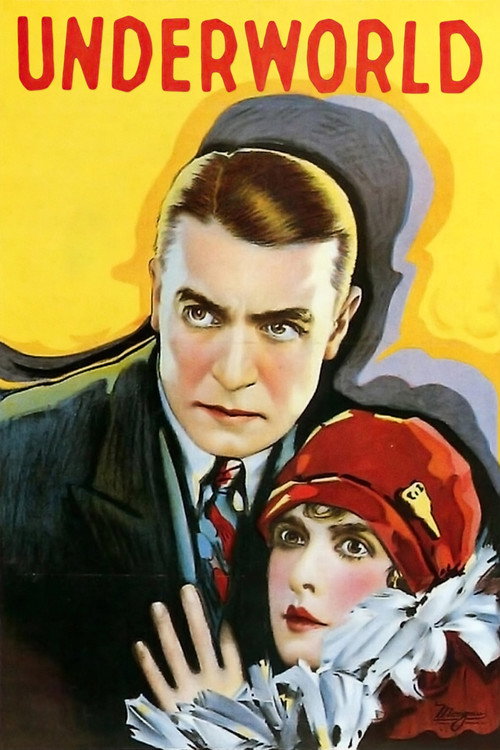
Underworld1927
Josef von Sternberg's crime epic invented the gangster film. Stunning visual composition, a protagonist you shouldn't root for but do, and the moral ambiguity that would define the genre for decades.
But It's slow by contemporary standards and the story, while compelling, is straightforward. Silent crime drama requires patience.
The Phantom Carriage1921
Swedish supernatural noir about a man visited by the ghosts of his sins on New Year's Eve. Visually inventive and emotionally devastating, it proves early cinema could do genuine dread and redemption.
But The melodrama is heavy-handed and the pacing deliberate. The moral dimensions may feel heavy-handed to modern sensibilities.

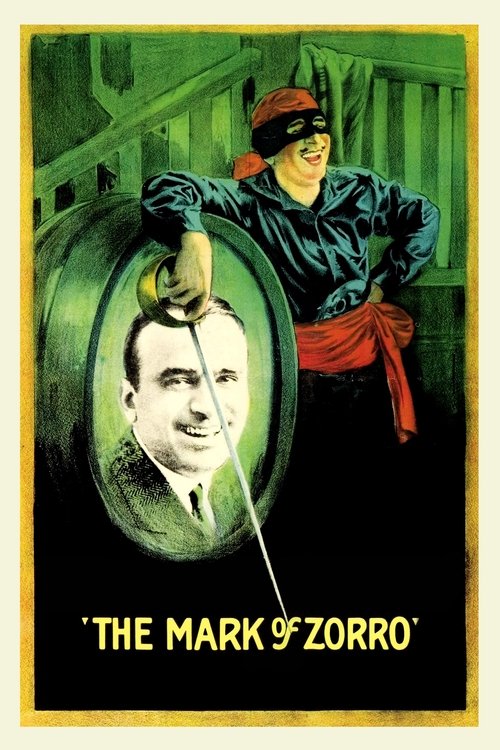
The Mark of Zorro1920
Tyrone Power's swashbuckling adventure that invented the masked vigilante archetype. Fun, energetic, gorgeously shot, and proof that silent action cinema could be thrilling without relying on cutting speed.
But It's a period piece adventure that prioritises spectacle over character depth or nuance. Some will find it slight.
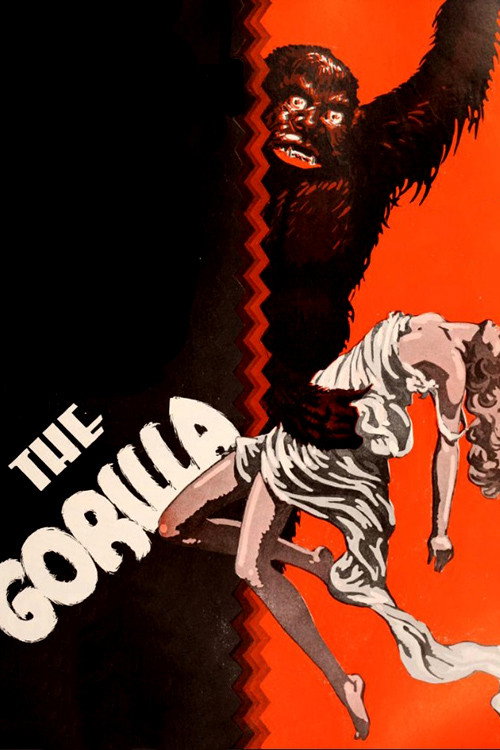
The Gorilla1927
A gothic mystery where a mysterious criminal and a supposedly escaped gorilla terrorise a household. Atmospheric, funny, and committed to its own absurdity in ways that feel surprisingly modern.
But The plot is convoluted and the pacing uneven. Some scenes drag while others feel rushed, which can be frustrating.
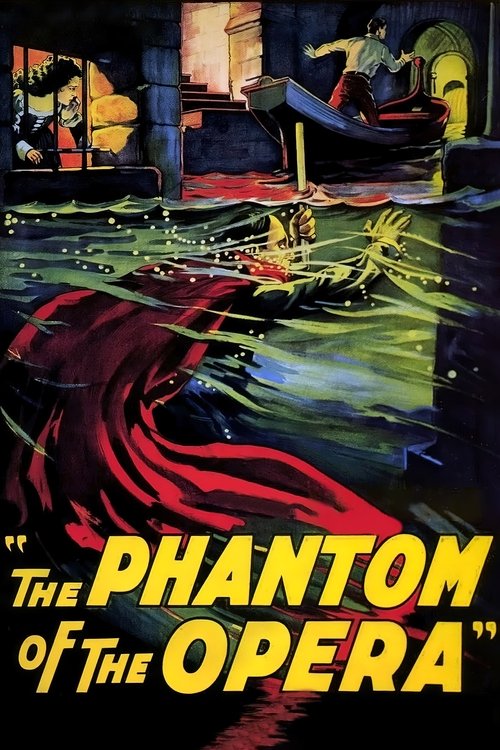
The Phantom of the Opera1925
Lon Chaney's iconic monster is genuinely sympathetic, and the opera house sets are baroque and magnificent. It's melodrama executed with craft and visual intelligence that justifies the emotional extremity.
But The Raoul-Christine romance is dull and takes up significant screen time. The central love triangle undermines the Phantom's story.
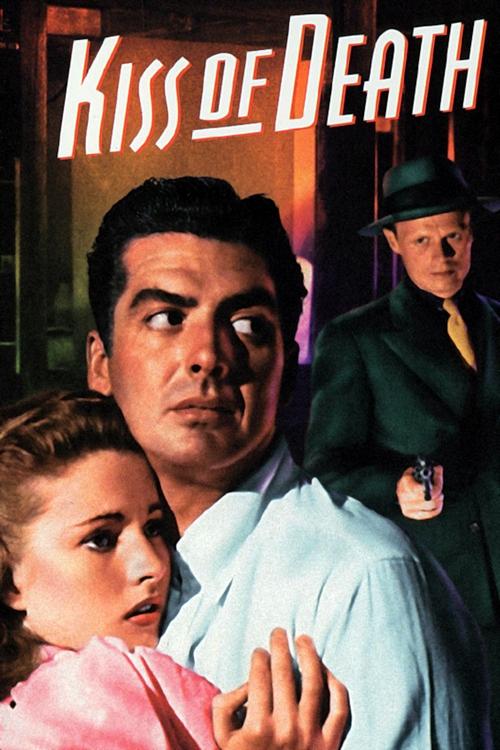
Kiss of Death1947
Both centre on a brilliant, pitiless villain orchestrating crimes from the shadows. Kiss of Death is the American noir answer to the international master-criminal template.
Richard Widmark's psychotic killer debut is a direct descendant of Fu Manchu's calculated menace, but transplanted to post-war American noir. It's uglier, more cynical, and shows how the pulp-villain archetype evolved into something darker and more unstable.
But The violence is more visceral and the worldview bleaker. It's not entertainment-first filmmaking; it means what it shows.
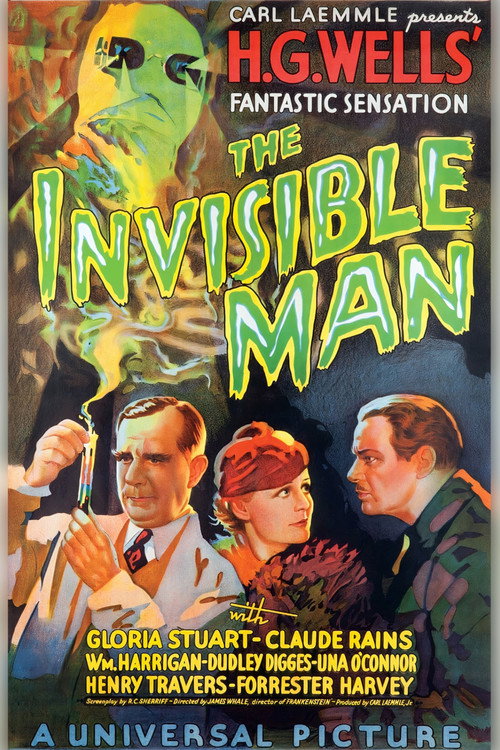
The Invisible Man1933
Both are 1930s films about a brilliant outsider using hidden methods to destroy those he blames. The Invisible Man asks: what if the tool of vengeance were literally invisible instead of merely operating in shadow?
James Whale's adaptation of Wells' novel is pure cinema: a man made invisible by science becomes a weapon of unstoppable vengeance. No dialogue needed—the special effects and Claude Rains' unseen performance carry everything. It's the invisible man doing what Fu Manchu does, but as science fiction rather than crime melodrama.
But The horror elements are dated and the logic of the plot has holes. Some will find it quaint rather than scary.
People
Cast
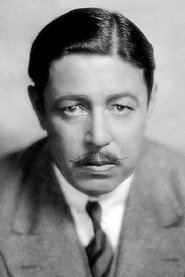 Warner OlandDr. Fu Manchu
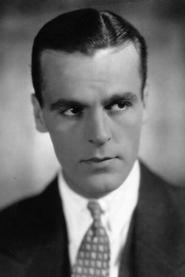 Neil HamiltonDr. Jack Petrie
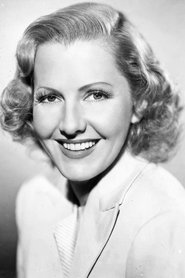 Jean ArthurLia Eltham
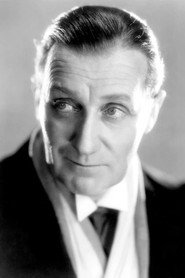 O. P. HeggieInspector Nayland Smith
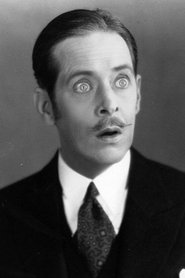 William AustinSylvester Wadsworth
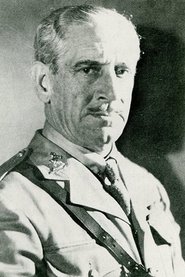 Claude KingSir John Petrie
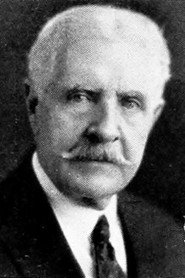 Charles A. StevensonGeneral Petrie
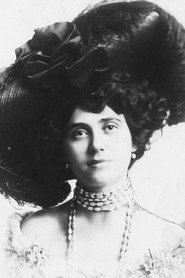 Evelyn SelbieFai Lu
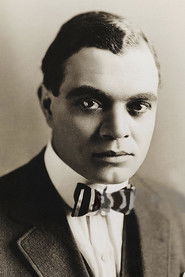 Noble JohnsonLi Po
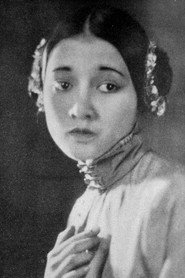 Laska WinterFu Mela
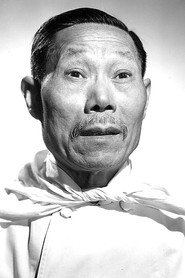 Wong ChungChinese Official (uncredited)
Directing
- Rowland V. LeeDirector
Writing
- Sax RohmerNovel
- Florence RyersonScreenplay
- Lloyd CorriganScreenplay
Production
- Rowland V. LeeProducer