
Film
The Gorilla
Other titles called The Gorilla: the 1930 film, the 1939 film.
A 1927 silent thriller where a mysterious gorilla terrorizes a household, mixing genuine suspense with vaudeville comedy. It's a creature-feature ancestor that treats its premise seriously even as the performances veer delightfully broad. Essential viewing for anyone curious how horror worked before sound, or what made audiences scream in 1927.
If you liked this
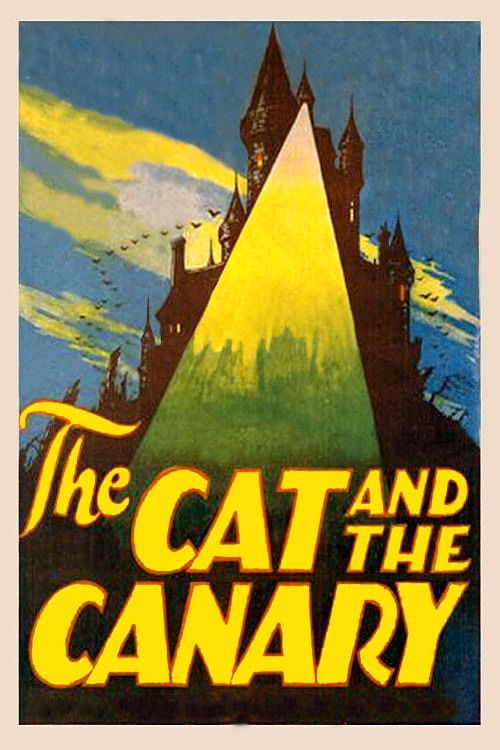
The Cat and the Canary1927
Released the same year, this is the silent comedy-horror masterpiece that defined the formula: creaky mansion, false scares, genuine dread, and constant laughs. You'll see what The Gorilla was competing with.
But The pacing is glacial by modern standards, and the comedy relies on title cards and physical gags that don't always land a century later.
Nosferatu1922
The greatest horror film of the silent era, with an atmosphere of pure dread that makes The Gorilla's approach—mixing thrills and laughs—look like a different animal entirely. A masterclass in what shadows can do.
But It's genuinely bleak and offers no comic relief whatsoever. Some find it monotonous; others find that the point.

The Phantom Carriage1921
Swedish silent ghost story with technical brilliance that rivals anything American horror was attempting. The special effects are stunning, the mood is elegiac, and it influenced everything after.
But It's a moral tale about redemption as much as a horror film, and that earnestness can feel heavy-handed to modern viewers.

Not sure tonight? Get a pick in a minute, starting from The Gorilla
The wildcard
Something you would not have found on your own.
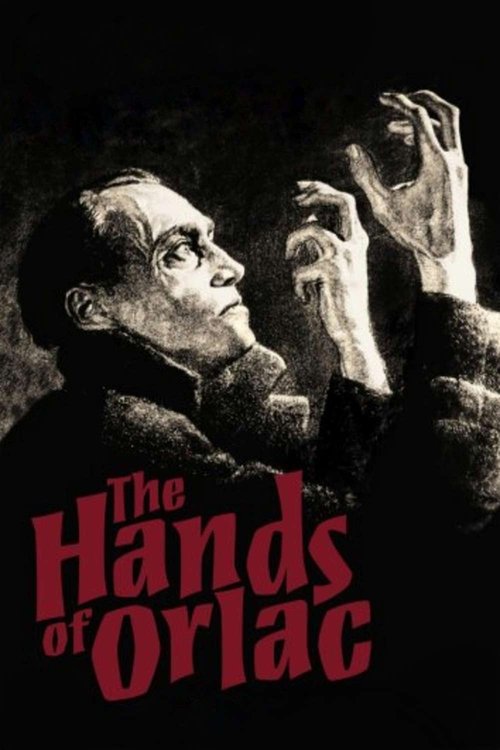
The Hands of Orlac1924
Both explore what it means when the body becomes a site of terror—but one does it through a guy in a suit, the other through actual surgery.
Austrian expressionist body-horror film where a concert pianist receives a murderer's hands in transplant. It's the same anxiety about identity and violence as The Gorilla, but expressed through German Expressionism's visual language—stark, geometric, psychologically unsettling rather than slapstick.
But The pacing is slower and more meditative than American thriller-comedies. The horror is internal and philosophical, not a gorilla on the loose, and some find that dull.
More like this (8)
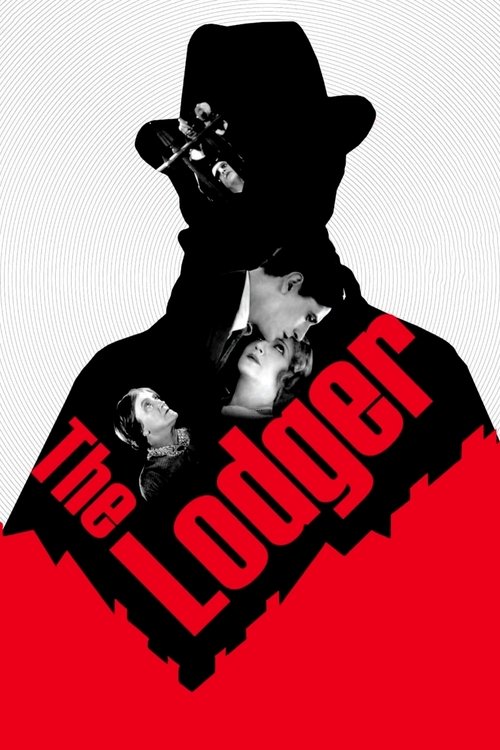
The Lodger: A Story of the London Fog1927
Hitchcock's silent thriller debut. Lean, propulsive, morally ambiguous. If The Gorilla made you curious about 1927, this shows you what else the year offered—a completely different register of suspense.
But The intertitles do a lot of heavy lifting, and if you're impatient with silent film pacing, you won't get past the first twenty minutes.
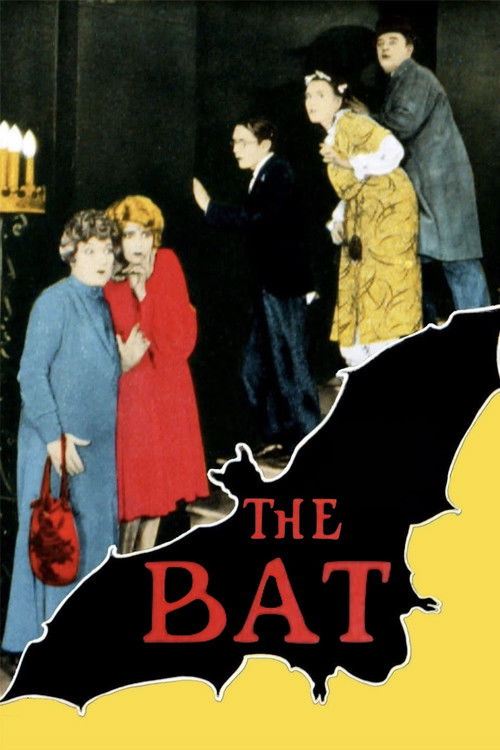
The Bat1926
Another mystery-thriller with a masked killer and a spooky house. It's playful where Nosferatu is grave, and it shows the range of what silent horror could be—part game, part genuine fear.
But The plot is convoluted and the mystery resolution is muddled. You'll be watching for atmosphere and performance, not clarity.
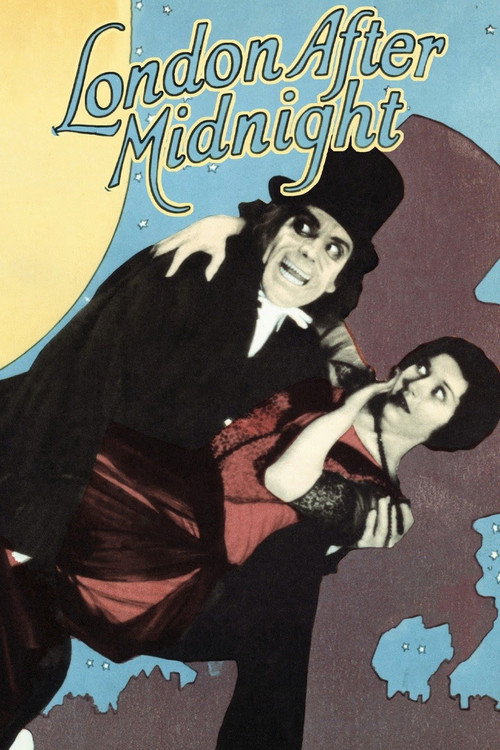
London After Midnight1927
Lost except for stills, but its reputation is towering: a vampire film made without fangs, using makeup and suggestion. The myth of it now exceeds what the film likely was, which is worth considering.
But We've never seen the complete film, only fragments. You're experiencing a ghost of a work, which is either poignant or frustrating depending on your temperament.
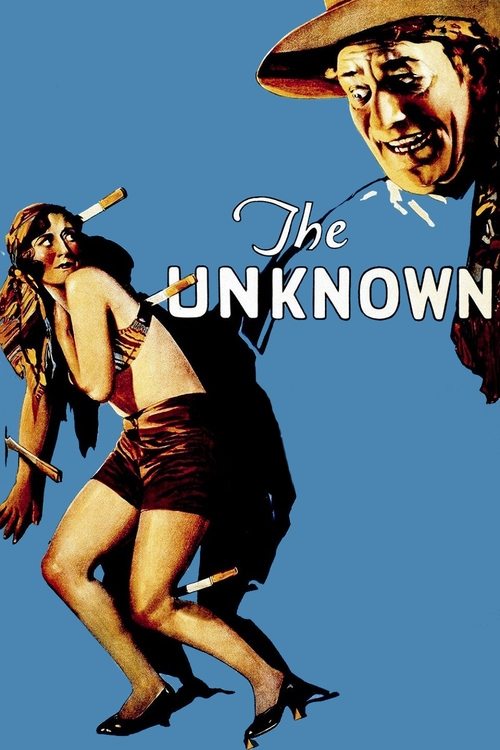
The Unknown1927
Lon Chaney in a carnival body-horror film that's sexually perverse and genuinely transgressive. The year 1927 was extraordinary for silent horror; this proves it in uncomfortable ways.
But The plot hinges on disability used as disguise, which lands badly now. The eroticism can feel exploitative, and the ending is bleak in ways that don't comfort.
Metropolis1927
German sci-fi epic from the same year, utterly different genre but the same visual language and moral complexity. If you're curious about 1927 cinema, this is the counter-argument to American horror.
But It's 145 minutes, changes in restoration have altered how it plays, and the social message can overwhelm the narrative. Some find it ponderous.

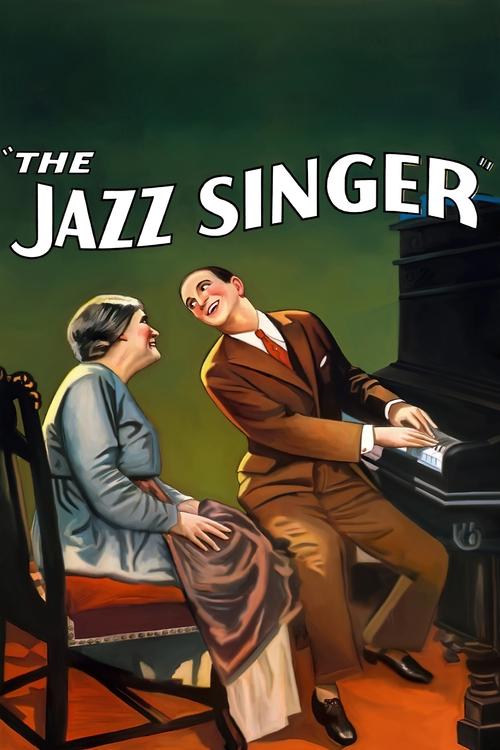
The Jazz Singer1927
The film that killed silent cinema. Watching it after The Gorilla throws the whole era into relief—how quickly everything changed, what was lost, what sound gained. Historically invaluable, emotionally strange.
But It's maudlin and the racial elements are appalling. The novelty of synchronized sound doesn't compensate for the story, which hasn't aged well.
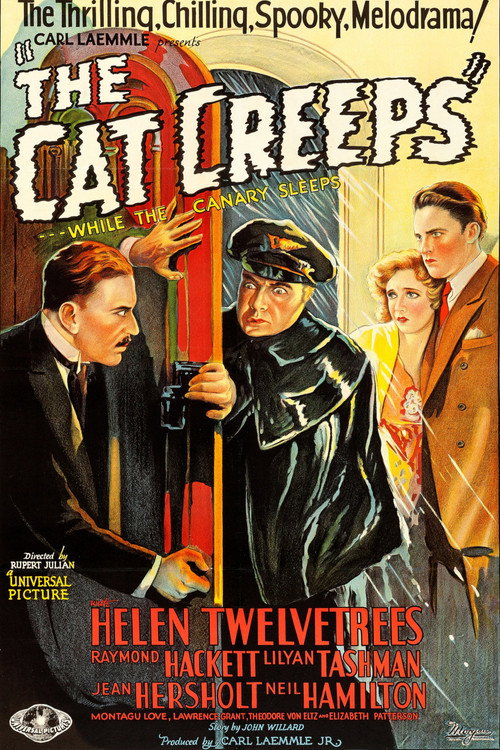
The Cat Creeps1930
Same year as both The Cat and the Canary and The Gorilla, but arriving in a different technological moment—a snapshot of how fast cinema changed when it learned to speak.
A sound remake of The Cat and the Canary, made just three years after The Gorilla, showing how Hollywood adapted to synchronized dialogue. It's the same mansion-mystery blueprint but now people actually talk—messy, overlapping, utterly different pacing. A direct conversation with the silent era.
But Early sound films are notorious for static staging and flat dialogue delivery. This one is worse than most, and it's impossible to unsee how much the silent version concealed.
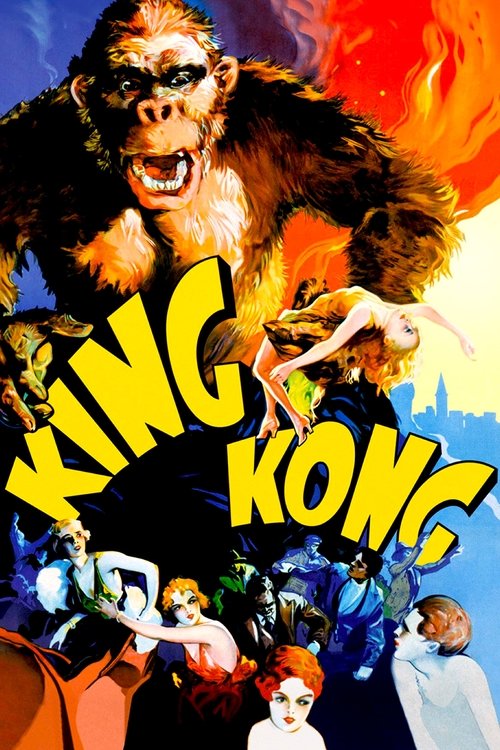
King Kong1933
A gorilla as the catalyst for all chaos and violence, but reimagined as a creature deserving of pity rather than simple terror.
The logical endpoint of The Gorilla's premise: what if you made the gorilla genuinely titanic, paired it with stop-motion perfection, and gave it tragic dimension? This is The Gorilla's spiritual successor, but epic where its ancestor was domestic, and sad where it was funny.
But At 100 minutes it can drag in the middle, and the racial subtext is unavoidable and ugly. The miniature work is extraordinary but occasionally visible, breaking the spell.
People
Cast
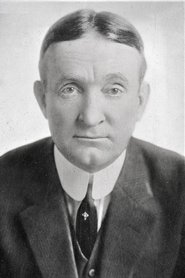 Charles MurrayGarrity
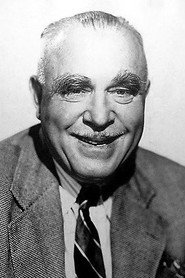 Fred KelseyMulligan
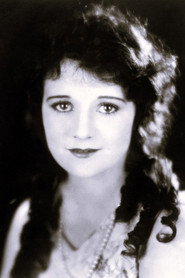 Alice DayAlice Townsend
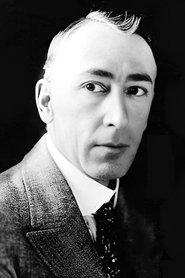 Tully MarshallWilliam Townsend
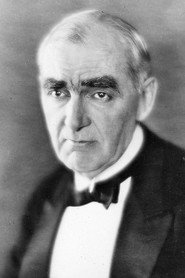 Claude GillingwaterCyrus Townsend
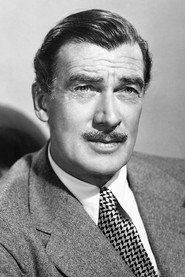 Walter PidgeonStevens
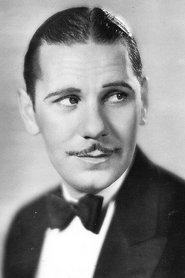 Brooks BenedictReporter
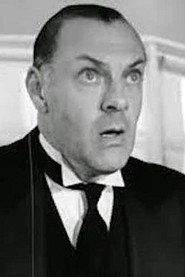 Syd CrossleyButler
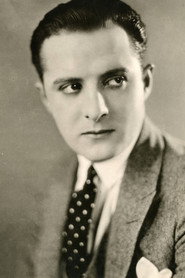 Gaston GlassMarsden
Directing
- Alfred SantellDirector
Writing
- Alfred A. CohnScreenplay
- Harry McArthurScreenplay
- Ralph SpenceTheatre Play
Production
- Alfred SantellProducer
- Edward SmallProduction Manager