
Film
London After Midnight
A masterwork of silent horror that redefined what cinema could do with mood and makeup. Lon Chaney's vampire is more psychological phantom than creature—the horror lives in atmosphere, performance, and what you don't quite see. Essential viewing for anyone serious about film history, and genuinely unsettling even now.
If you liked this
Nosferatu1922
The film that invented cinematic vampire aesthetics. Count Orlok is pure dread, and F.W. Murnau's German Expressionism creates a world where shadow itself becomes a character. If you love Chaney's restraint, this shows where it all began.
But The pacing is glacial by any standard. It moves like a nightmare, which is precisely the point, but patience is required.

The Phantom Carriage1921
Swedish silent masterpiece about death and redemption. LaylaJansson uses light and shadow with such precision that you forget you're watching a film made before the talkies—it's hypnotic, eerie, and genuinely moving in ways modern horror forgets to be.
But Subtitles and silent film grammar mean active watching. This isn't background comfort viewing.

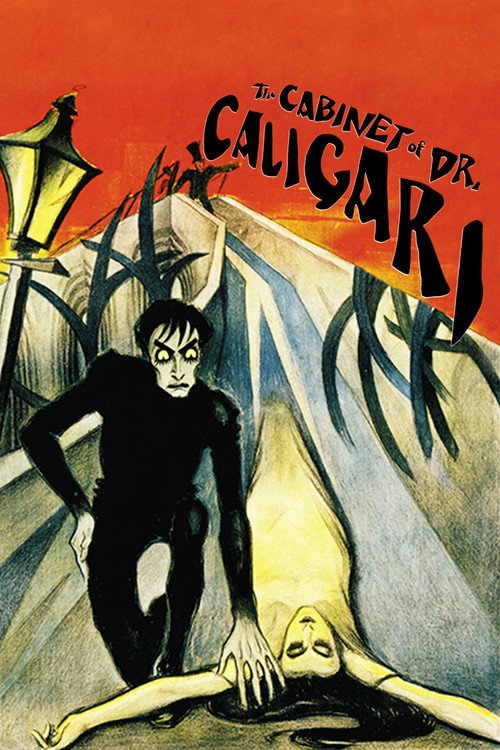
The Cabinet of Dr. Caligari1920
Distorted sets, twisted shadows, a somnambulist who murders—German Expressionism at its peak. The visual language influenced everything that came after, and it's still the template for psychological horror that trusts the audience's imagination.
But The narrative is almost secondary to the aesthetics. If you need plot momentum, the deliberate artificiality may frustrate you.
Not sure tonight? Get a pick in a minute, starting from London After Midnight
The wildcard
Something you would not have found on your own.
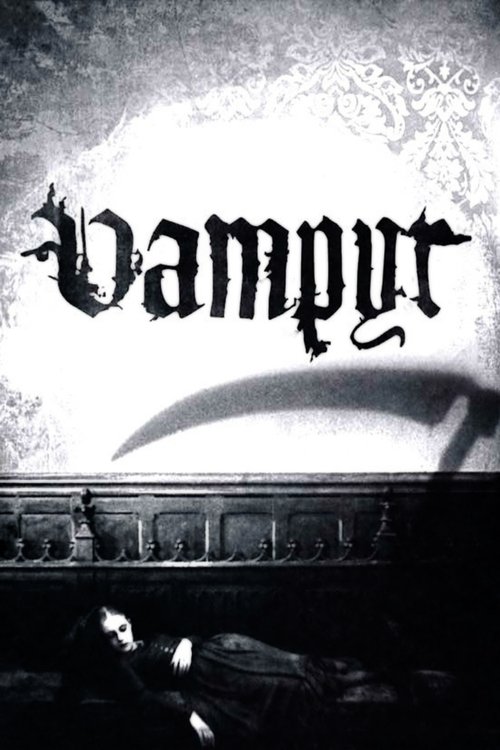
Vampyr1932
Both films understand that the vampire—or the uncanny—is most powerful when it remains half-glimpsed and ambiguous. The threat is less important than the dread.
Carl Theodor Dreyer made a vampire film that plays like a fever dream—narratively incoherent in the best way, photographed to look like it's being viewed through gauze and shadow. It's less a story than an atmosphere. Chaney's psychological horror finds its true peer here.
But The plot is genuinely hard to follow. Dreyer prioritized mood over clarity, and some viewers find that maddening rather than mesmerizing.
More like this (8)
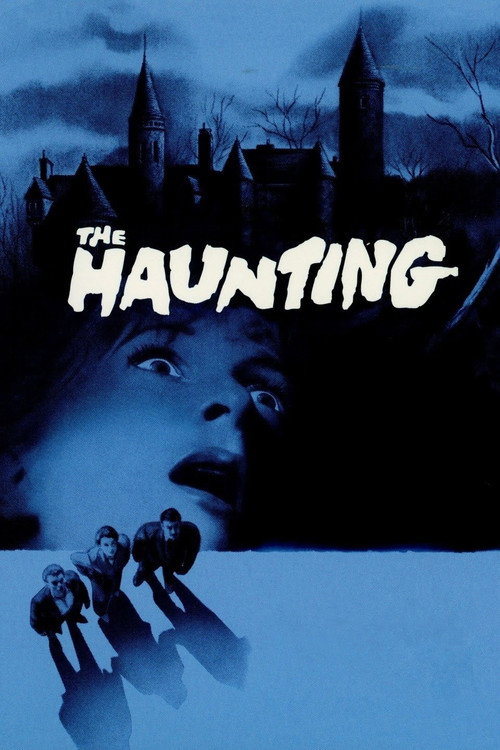
The Haunting1963
Robert Wise and cinematographer Davis Boulton prove that suggestion beats revelation. A house that might be haunted, characters that might be losing their minds—the ambiguity is the point. Chaney would have loved how much this withholds from you.
But Nothing jumps at you. The horror is architectural and psychological, not visceral. Some find that tedious rather than terrifying.
The Wailing2016
Na Hong-jin's film wears mystery like armor—nothing is what it seems, and the more you watch, the less certain you become. Like London After Midnight, it trusts you to sit with dread and ambiguity, refusing easy answers about who or what is truly dangerous.
But It's 156 minutes of mounting paranoia with no neat resolution. The ending divides viewers fiercely. Some call it brilliant; others call it frustrating.

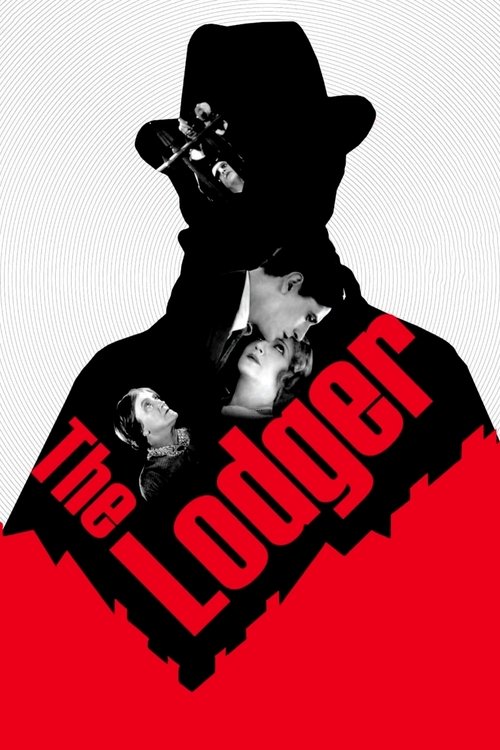
The Lodger: A Story of the London Fog1927
Hitchcock's first masterpiece. A mysterious tenant, fog-shrouded London, suspicion that turns neighbor against neighbor. Made in the same year as London After Midnight, it shows how the same setting and premise yield psychological rather than supernatural terror.
But Hitchcock's early style is more theatrical than cinematic. If you're used to his later thrillers, the artifice may feel dated.
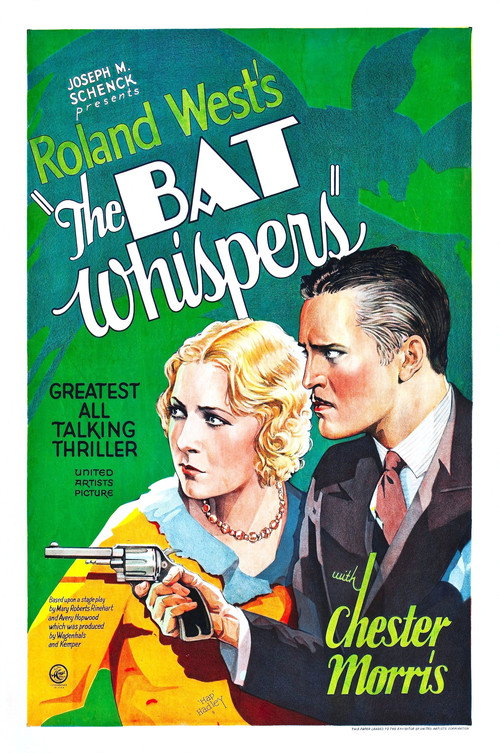
The Bat Whispers1930
A masked criminal loose in a dark house, detection and misdirection, shadows doing most of the storytelling work. It's Mystery and Menace married to silent cinema's visual ingenuity, and Roland West makes the suspense architectural.
But It slides toward melodrama. The performances can feel overwrought, and the plot mechanics show their age.
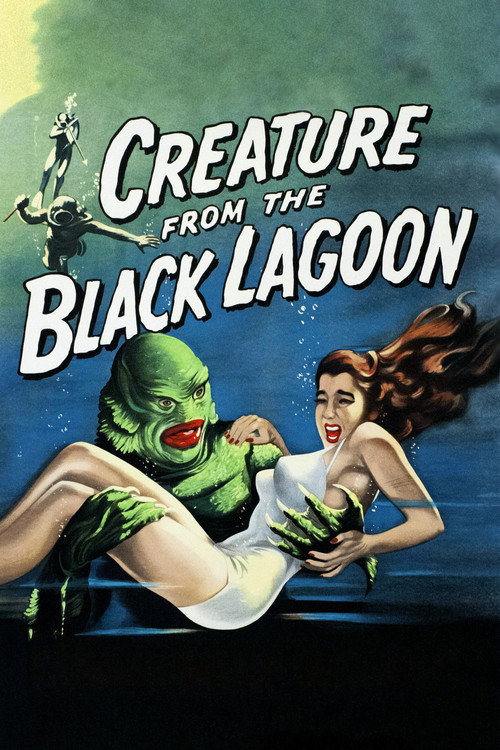
Creature from the Black Lagoon1954
Universal's last great monster picture. The Creature isn't explained or rationalized—it simply is, and the terror comes from the unknown in dark water. It has Chaney's commitment to making the monstrous sympathetic and strange.
But By 1954, monster movies were already becoming campy. The earnestness doesn't always land; some audiences laugh where scares were intended.
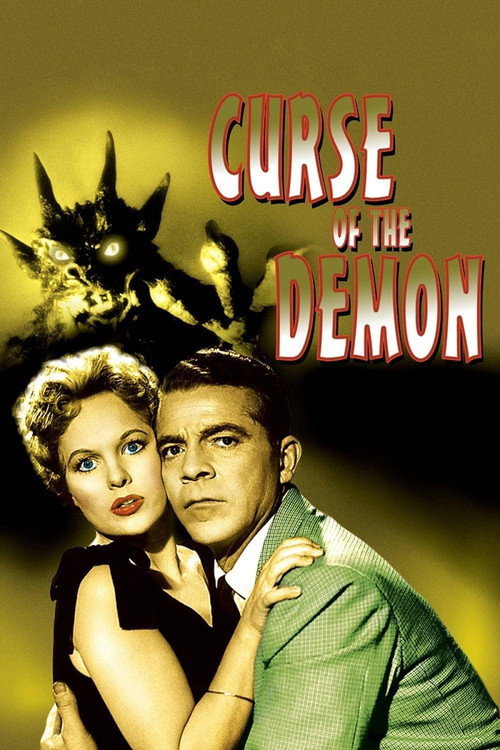
Night of the Demon1957
Jacques Tourneur's film about witchcraft and skepticism. A man doesn't believe until forced to. The genius is that showing the demon—brief, inevitable—doesn't diminish the horror. It deepens it. Chaney would understand this commitment to the uncanny over explanation.
But Pacing sags in the middle. The second half moves slower than the first, and some plot threads feel padded.
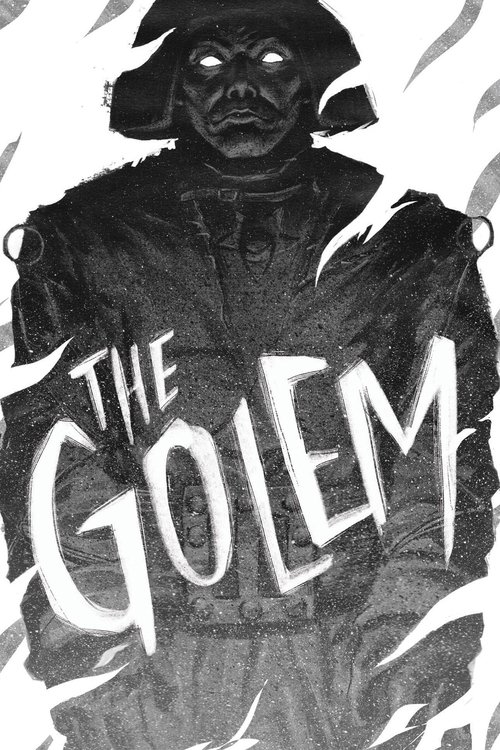
The Golem: How He Came into the World1920
Both use supernatural horror to explore urban anxiety and the power of belief to reshape reality. The real horror isn't the creature; it's what we project onto it.
Paul Wegener's Expressionist masterpiece about a creature animated by faith and desperation. Massive sets, distorted perspectives, a monster that's tragic as much as terrifying. It's the missing link between Nosferatu and Chaney's approach to making monsters sympathetic.
But It's slower and more painterly than most horror. Patience is demanded, and the black-and-white print quality can be grainy depending on restoration.
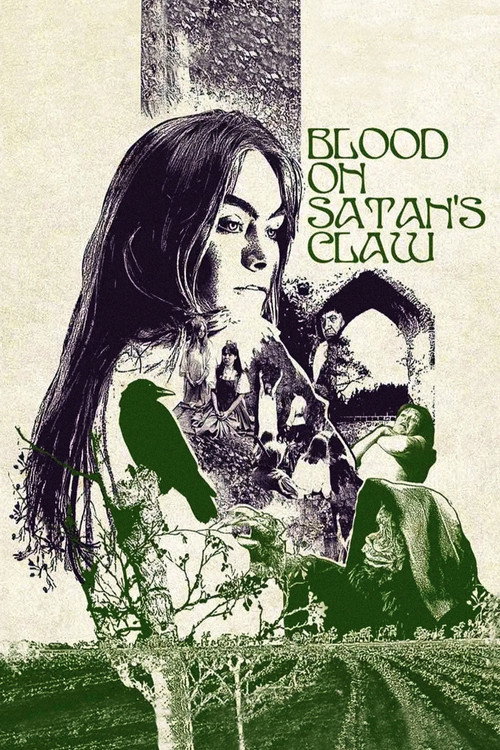
Blood on Satan's Claw1971
Both treat the supernatural as a social force rather than individual pathology. The real corruption isn't in one person's madness—it's in how communities accept and enable darkness.
A rural British folk horror film where witchcraft corrupts a village from within. It has none of the gore it could have—instead, Piers Haggard builds dread through children's voices, pagan imagery, and the sense that something older and darker is waking. Restraint as horror technique, just like Chaney.
But The plot is deliberately vague and circular. If you need conventional narrative structure and clear stakes, this witchy, digressive film will feel incomplete.
People
Cast
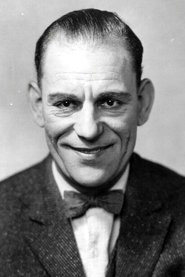 Lon ChaneyProfessor Edward C. Burke/The Vampire
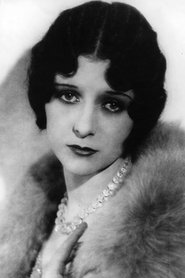 Marceline DayLucille Balfour
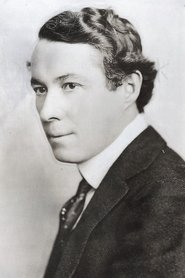 Henry B. WalthallSir James Hamlin
- Percy WilliamsWilliams, Balfour's Butler
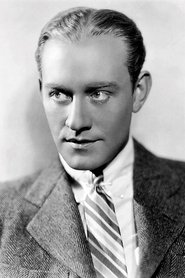 Conrad NagelArthur Hibbs
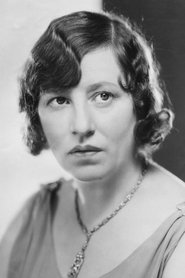 Polly MoranMiss Smithson, the New Maid
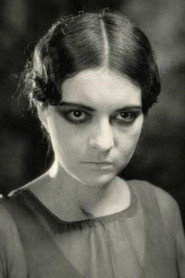 Edna TichenorLuna, Bat Girl
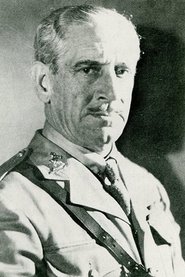 Claude KingRoger Balfour
- Andy MacLennanBat Girl's Assistant
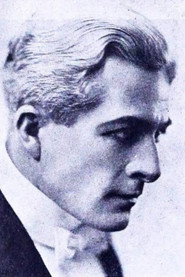 Allan CavanReal Estate Broker (uncredited)
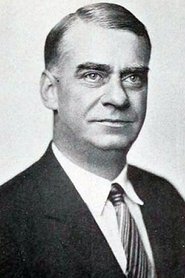 Jules CowlesGallagher (uncredited)
Directing
- Tod BrowningDirector
Writing
- Waldemar YoungScreenplay
- Tod BrowningStory
Production
- Irving ThalbergProducer
- Tod BrowningProducer