
Film
The Reckless Age
- Romantic comedy
- Light-hearted
A 1924 silent comedy where an insurance investigator tasked with ensuring a society wedding goes ahead falls for the bride instead. It's a breezy, high-spirited romp through early-20th-century romantic chaos, full of pratfalls and mistaken intentions. Perfect for anyone who loves pre-Code comedy's peculiar logic and doesn't need dialogue to feel the fun.
If you liked this
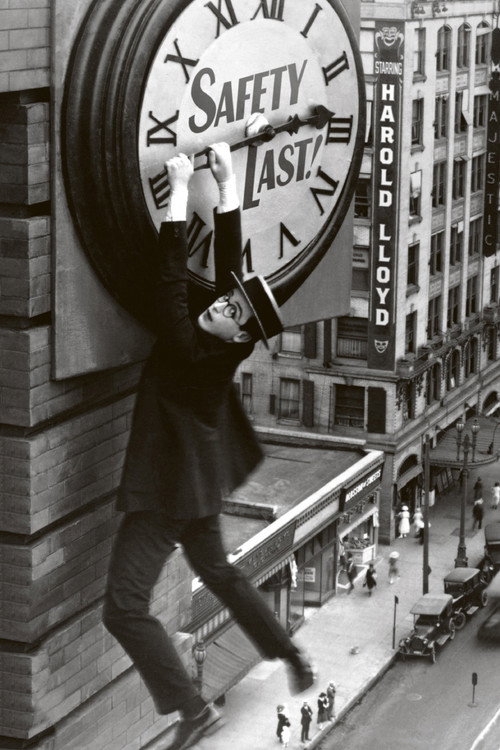
Safety Last!1923
Harold Lloyd dangling from a clock face on a skyscraper is cinema's most iconic image, but the film around it is a genuinely clever comedy about ambition and courtship. Lloyd's nervous energy carries you through every gag.
But Silent-film comedies can feel repetitive if you're watching them for the first time. The pacing occasionally grinds to a halt between set pieces.
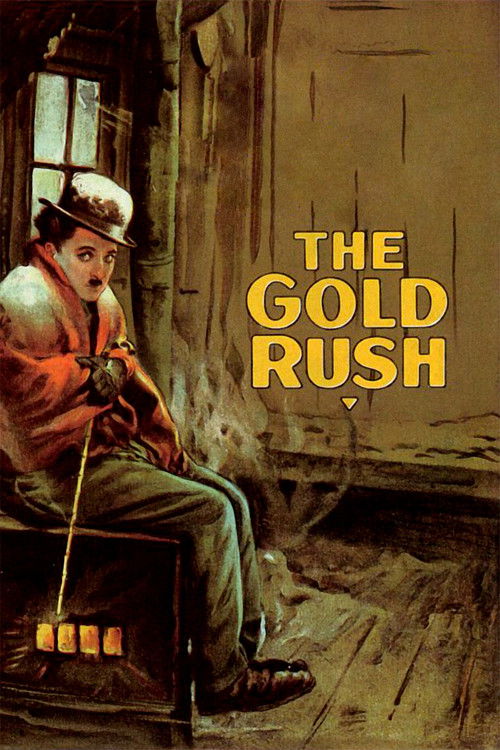
The Gold Rush1925
Chaplin's masterpiece: a prospector in the Klondike trying to survive hunger, loneliness, and impossible love. Funny, heartbreaking, and perfectly balanced—the dance of the breadrolls alone justifies the runtime.
But It's much slower than modern comedy. Long stretches ask you to sit with mood and pathos rather than laugh-per-minute ratio.
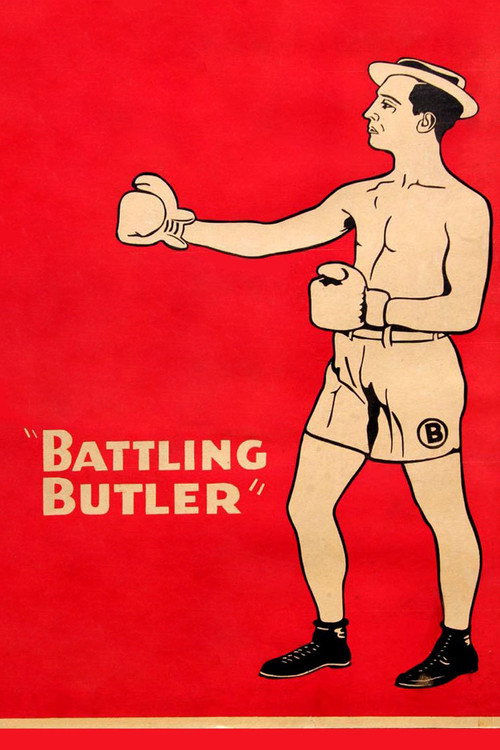
Battling Butler1926
Buster Keaton as a wealthy loafer mistaken for a boxing champion. The physical comedy is extraordinary—Keaton's blank face and impossible elasticity create genuine wonder. The boxing sequences are brilliantly staged.
But Like most Keaton, it requires patience with silent conventions. The plot is thin and exists mainly to string together gags.
Not sure tonight? Get a pick in a minute, starting from The Reckless Age
The wildcard
Something you would not have found on your own.
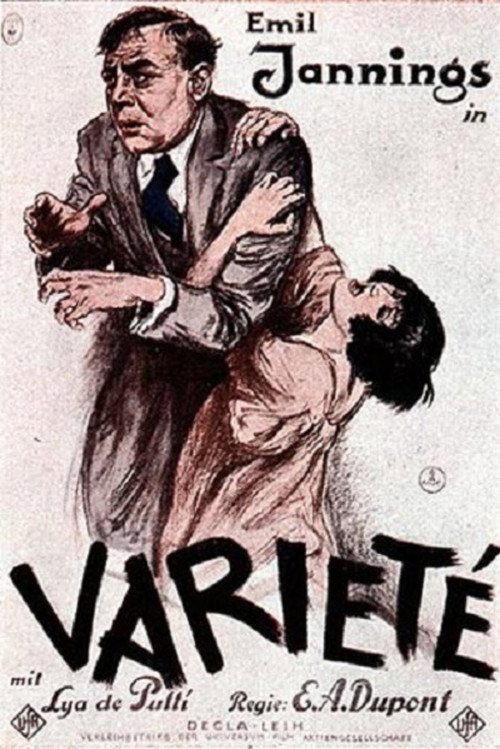
Variety1925
Both use romantic complications and high-stakes wagers as plot engines, but where Reckless Age is frothy, Variety is feverish—same skeleton, opposite temperature.
A German film about the love triangle between a trapeze artist, his wife, and a rival performer. It's shot with such visual inventiveness—kaleidoscopic angles, expressionist shadows, acrobatic camerawork—that it feels modern. The emotional stakes are real beneath the melodrama.
But It's serious and sexually frank in ways that feel more like '70s cinema than the '20s. Very European in its sensibility; the emotional register is quite different from Anglo-American comedy.
More like this (8)
The Phantom Carriage1921
A Swedish ghost story that's genuinely eerie and moving—a dying man is visited by spectral coachmen on New Year's Eve. It influenced every supernatural film that followed, and the cinematography is startlingly beautiful.
But It's serious and slow-paced, with a moralizing streak that feels very period. Not remotely comedic, so a tonal shift from The Reckless Age.

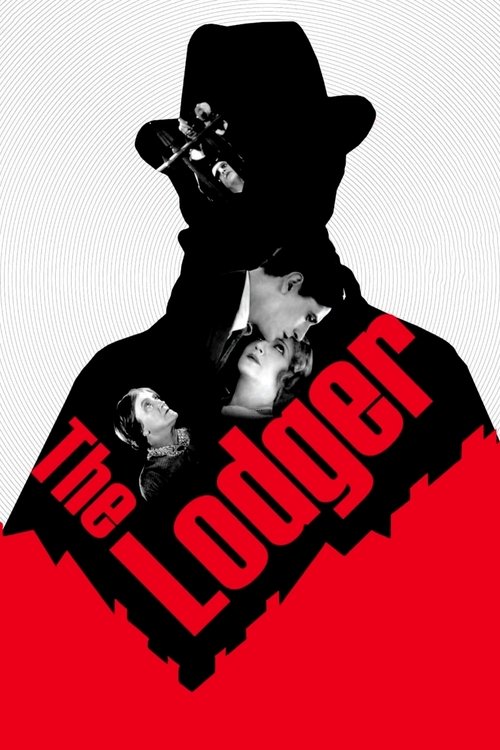
The Lodger: A Story of the London Fog1927
Hitchcock's first feature: a landlady suspects her mysterious new tenant is the Jack the Ripper killer. Suspense, atmosphere, and visual storytelling at high intensity. Ivor Novello is magnetic in the title role.
But The pace is glacial by modern standards. Long stretches rely on you reading intertitles and inferring plot from expressions.
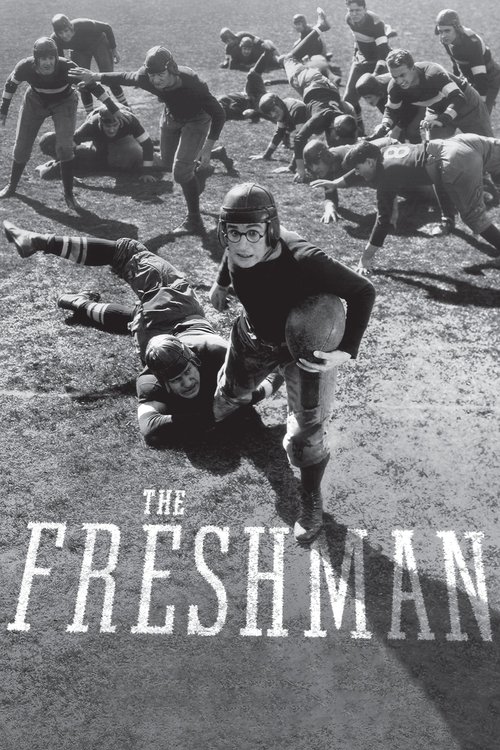
The Freshman1925
Harold Lloyd as a college freshman trying to become popular. It's sweeter and more character-driven than typical slapstick, with genuine warmth underneath the gags. The football sequence is a showstopper.
But It's very earnest about small-town American values. Some of the comedy hinges on dated social rituals that won't land the same way.
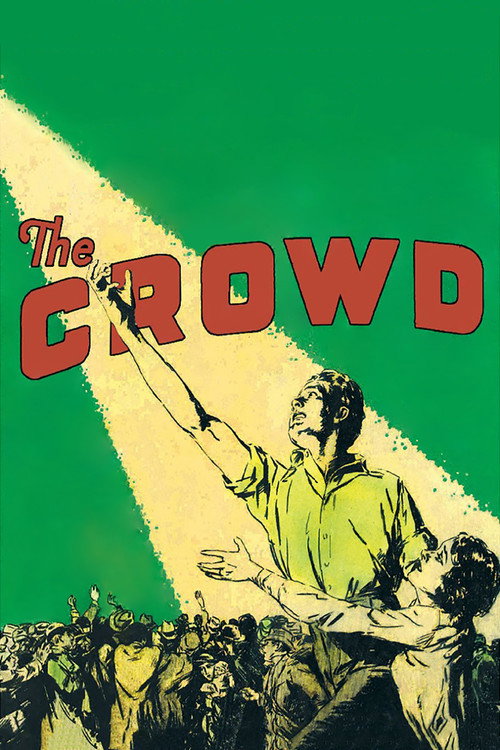
The Crowd1928
King Vidor's masterpiece about an ordinary man in the big city, trying to make it and stay in love. It's heartfelt and bittersweet, with a documentary feel that makes it feel lived-in and real.
But It's not comedy in the traditional sense—more a drama with moments of dark humor. The ending is famously deflating if you want catharsis.
Sunrise: A Song of Two Humans1927
A husband tempted by a vamp nearly drowns his wife before they reconcile in the city. F.W. Murnau's visual poetry is hypnotic, and the tonal range—from noir-dark to almost slapstick to genuinely romantic—is astonishing.
But It's experimental in structure and mood. The romantic reconciliation might feel overly sentimental or tonally jarring depending on your patience.

Intolerance: Love's Struggle Throughout the Ages1916
D.W. Griffith's four-timeline epic: a modern love story intercut with biblical, French Revolution, and Babylon sequences. Visually staggering and formally ambitious. It's cinema trying to be literature and mostly succeeding.
But It's nearly four hours and the narrative structure is genuinely confusing. The modern story is slight compared to the historical spectacles. You need to commit.

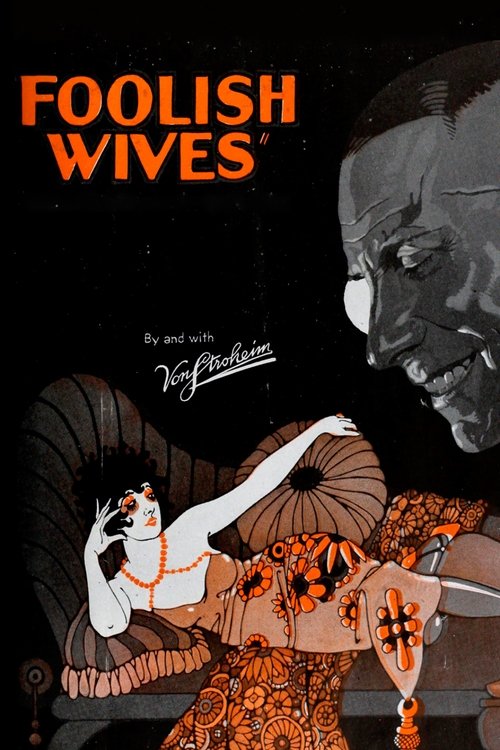
Foolish Wives1922
Both revolve around social deception and marriage plots, but Foolish Wives is a con game where everyone's complicit. It's The Reckless Age viewed through bitter, sophisticated eyes.
Erich von Stroheim's most accessible film: a Russian con artist seduces wealthy women on the Riviera while impersonating a nobleman. It's cynical, visually sumptuous, and genuinely funny in its social satire. Von Stroheim plays his own character with magnificent contempt.
But It's a reconstruction—nearly two hours of an originally longer film. The narrative is episodic and the sexual politics are very much of their era. You might find the misogyny or the pacing frustrating.
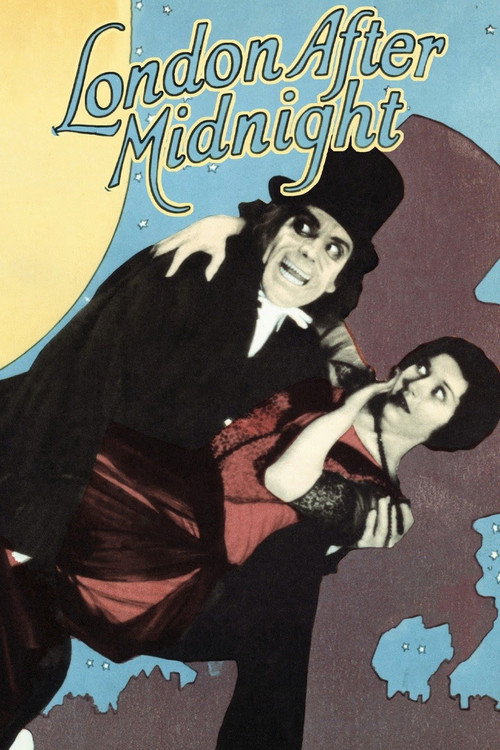
London After Midnight1927
Both hinge on plot mechanics and misdirection—someone isn't what they seem, deception drives the story forward—but where Reckless Age is romantic chaos, London After Midnight is nightmare logic dressed as detective work.
A detective uses a vampire hoax to trick a murderer into confessing. It's visually grotesque and atmospheric—all fog, fangs, and genuine creepiness—with a supernatural premise that's actually a rational mystery underneath. Lon Chaney's makeup is unforgettable.
But It's technically a horror film, which is tonally miles from Reckless Age. Also, it's a reconstruction from stills and footage; large sections are lost, so you're watching a fragmentary version of an already eccentric film.
People
Cast
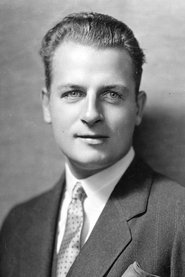 Reginald DennyDick Minot
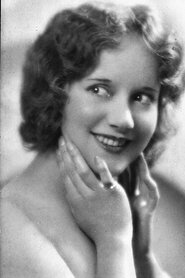 Ruth DwyerCecilia Meyrick
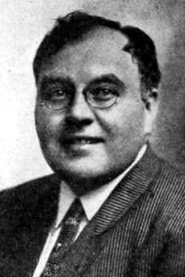 John StepplingSpencer Meyrick
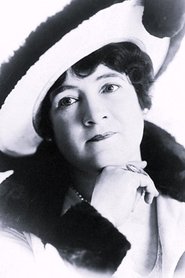 May WallaceTante Meyrick
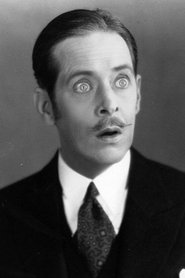 William AustinLord Allan Harrowby
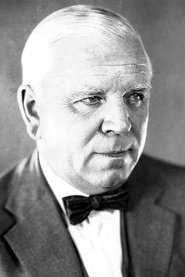 Tom McGuireMartin Wall
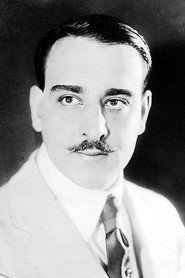


Directing
- Harry A. PollardDirector
Writing
- Earl Derr BiggersNovel
- Rex TaylorWriter