
Film
Broadway
A 1929 musical crime melodrama where a naive dancer stumbles into bootlegging and murder backstage. It's a fast-paced artifact of early sound cinema—brassy, energetic, occasionally clunky—that captures the theatrical world's glittering corruption. For silent-era enthusiasts and anyone curious about how cinema learned to sing.
If you liked this
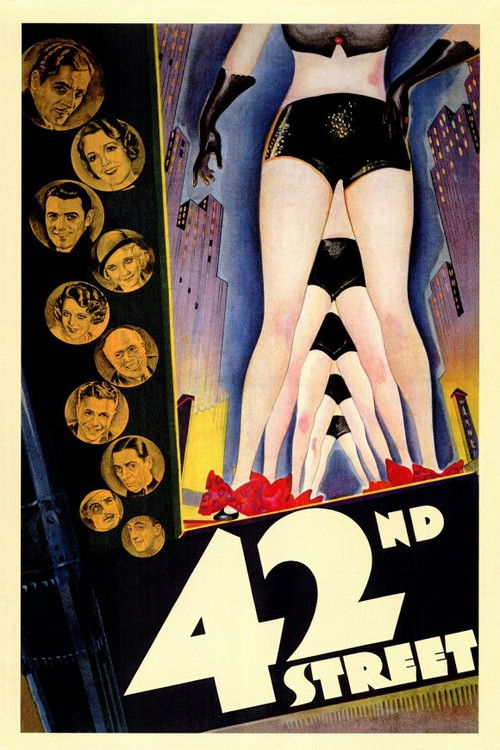
42nd Street1933
The definitive backstage musical. Ruby Keeler's ingénue thrust into the spotlight, the desperate scramble of Depression-era theatre, and the famous overhead choreography that changed Hollywood. Essential DNA for Broadway.
But The plot is tissue-thin. You're here for spectacle and atmosphere, not dramatic complexity or character depth.
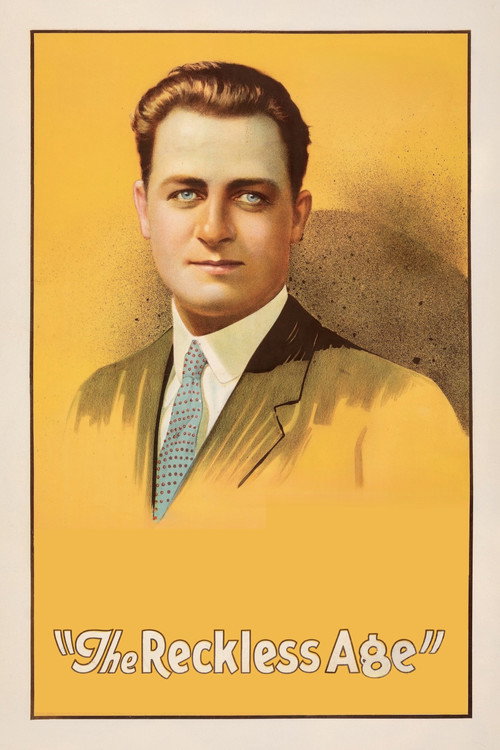
The Reckless Age1924
Another early Merna Kennedy vehicle that captures that same frenzy—innocent youth, crime, theatricality, all moving at silent-film velocity. A perfect companion piece from the same era and sensibility.
But It's silent, which means no dialogue. If you're watching Broadway for the dialogue, stepping back to a silent film may feel like regression.
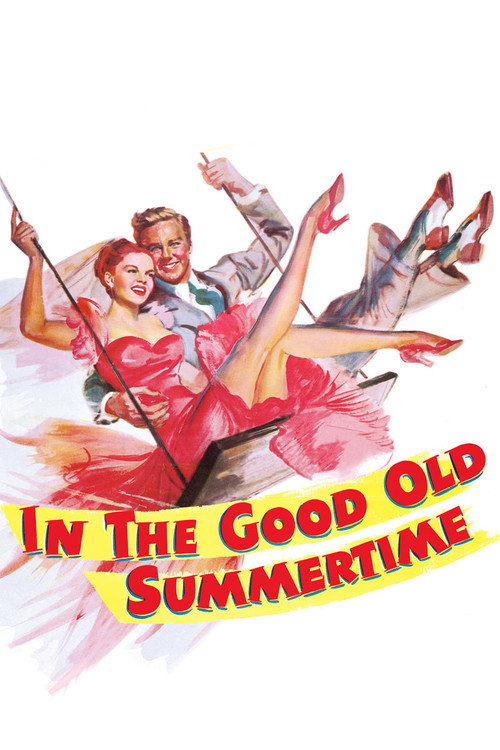
In the Good Old Summertime1949
A musical set in a music shop rather than theatre, but the DNA is identical: young love, workplace intrigue, romance tangled with work. Judy Garland and Van Johnson capture that same bright-eyed energy and period charm.
But It's sweeter and less morally murky than Broadway. If you want cynicism and danger, this is the sanitized matinee version.
Not sure tonight? Get a pick in a minute, starting from Broadway
The wildcard
Something you would not have found on your own.
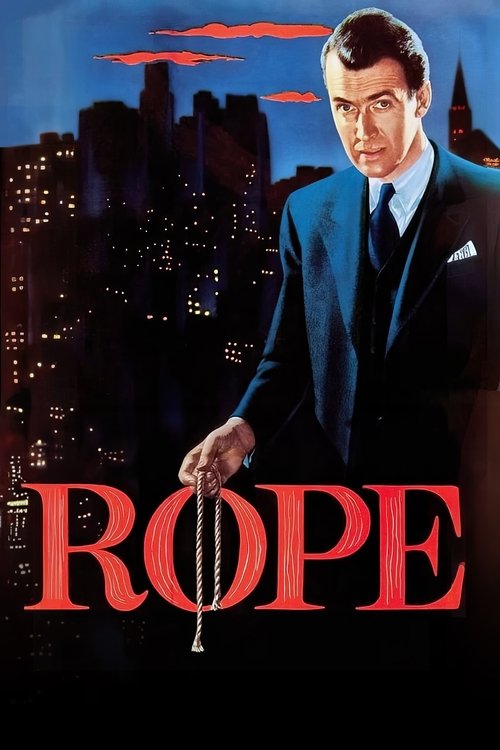
Rope1948
Both are essentially stage plays adapted for cinema. Rope uses that constraint as a tool; Broadway wants to escape it. They're opposite answers to the same question.
A Hitchcock chamber play set almost entirely in one room: two men who've committed murder playing host to dinner guests and a suspicious former teacher. The theatrical claustrophobia and moral strangeness anticipate what would become the thriller. One continuous take, technically audacious.
But It's slow and stagey by design. If you need movement and music, this will feel glacial and oppressive.
More like this (7)
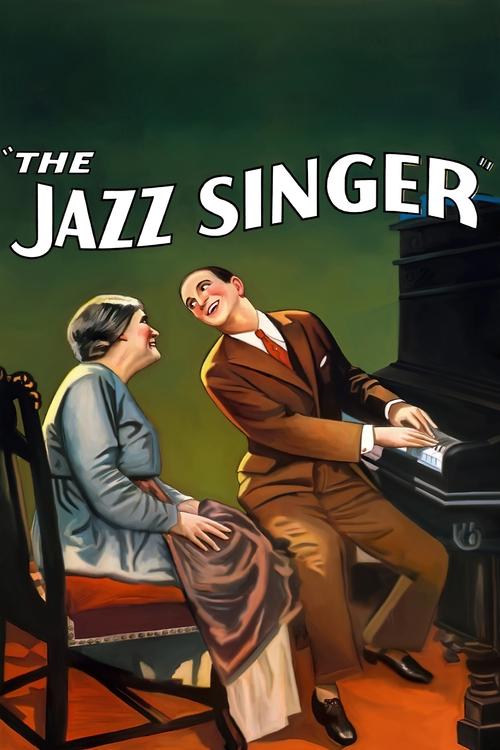
The Jazz Singer1927
The first feature with synchronized sound. Technically ancient by Broadway standards, but it shares that exact moment of cinema discovering music and dialogue. Essential context for understanding where Broadway sits in film history.
But It's genuinely difficult to watch now—stagey, thin, and morally objectionable in its core premise. More historical than pleasurable.
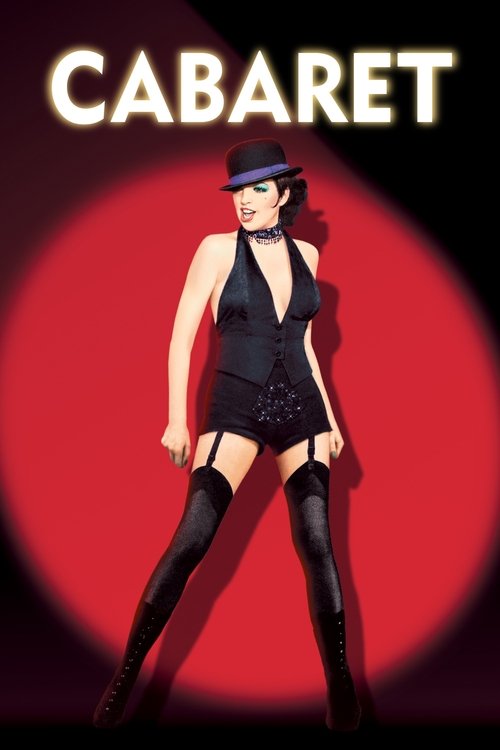
Cabaret1972
The dark underside of theatre and performance. Sally Bowles in Weimar Berlin echoes the same moral compromises and desperation that drive Broadway's characters, but with far more sophistication and bite.
But It's a very different film—grittier, more adult, deliberately bleak. If you want the innocence of 1929, Cabaret will feel like a rebuke.
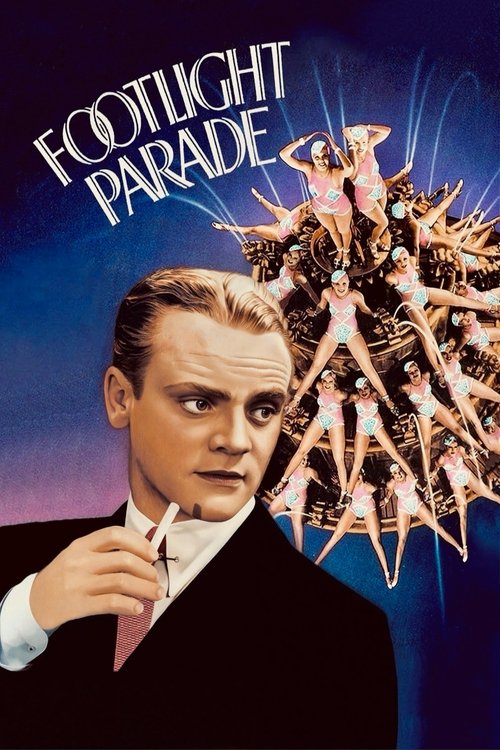
Footlight Parade1933
James Cagney producing and choreographing the spectacular finales of Depression musicals. The crime angle is lighter than Broadway, but the backstage chaos and show-business desperation are cut from the same cloth.
But At 104 minutes it moves slowly by modern standards, and the plot stops entirely for the dance numbers. Patience required.
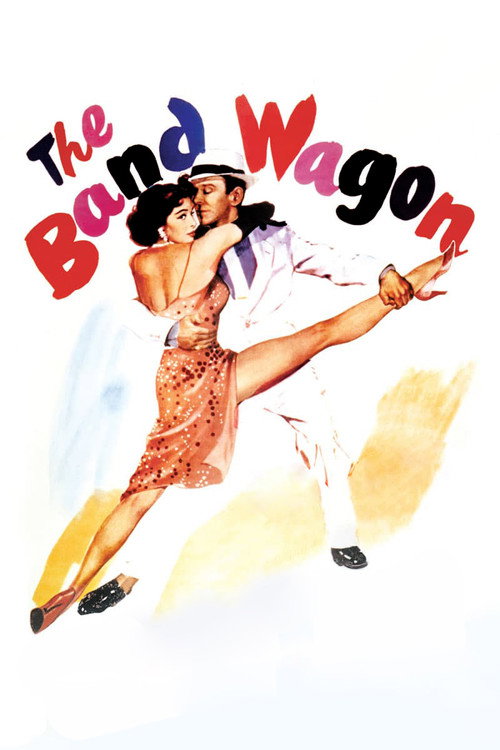
The Band Wagon1953
Fred Astaire on Broadway, the show-within-the-show concept, ego and ambition and art all tangled together. A more polished, confident version of what Broadway was reaching for.
But It's a masterpiece of a completely different era. Broadway's scrappy energy looks quaint by comparison—you might find it overwrought after this.
Singin' in the Rain1952
The golden age of Hollywood's love letter to itself. Theatre, film, romance, and spectacle all colliding. The industry cynicism runs deeper than you'd expect from the cheeriness on the surface.
But Everyone knows it already. There's no discovery here, just masterwork confirmation.

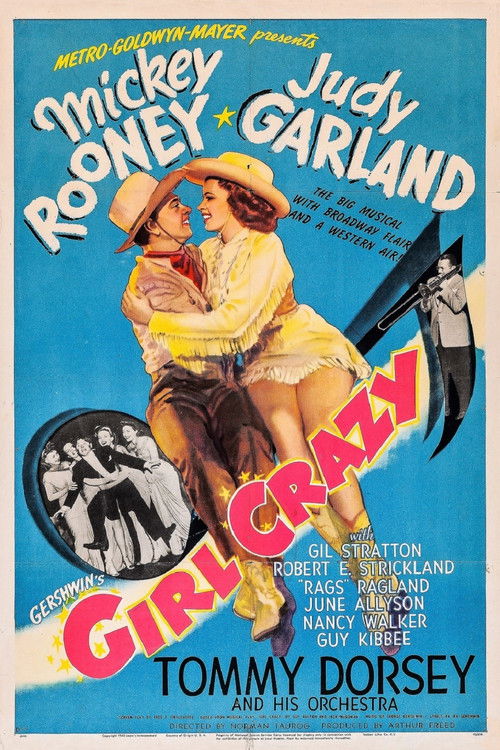
Girl Crazy1943
Judy Garland and Mickey Rooney in a show-business setting with that same youthful collision of romance and ambition. The Gershwin songs carry real emotional weight beneath the froth.
But It's very much a product of its moment—sentimental in ways that can feel cloying. The dramatic beats are telegraphed from miles away.
M1931
Both emerged from the same post-war European ferment about what happens when authority fails and ordinary people get corrupted or destroyed. M is what happens when you believe your own backstage crime plot.
Fritz Lang's German masterpiece about a child murderer hunted through the city by both police and criminal underworld. The corruption of institutions and the way society turns against its own—it's the moral and political undertone that Broadway only hints at, fully realized and devastating.
But It's in German with subtitles. It's also genuinely disturbing—about real predation and real consequences. Broadway's crime melodrama looks quaint beside it.

People
Cast
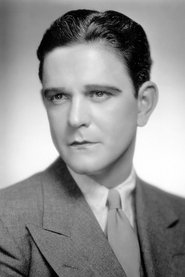 Glenn TryonRoy Lane
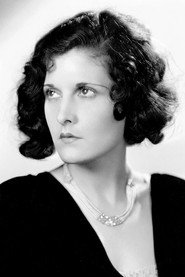 Evelyn BrentPearl
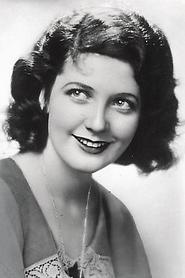 Merna KennedyBillie Moore
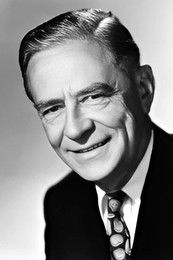 Thomas E. JacksonDan McCorn
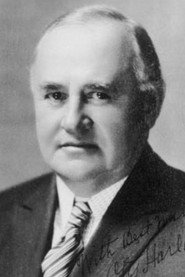 Otis Harlan'Porky' Thomson
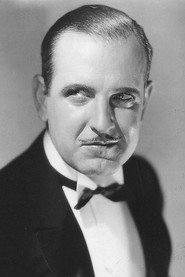 Robert EllisSteve Crandall
- Marion LordLil Rice
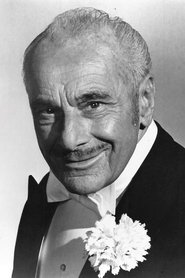 Fritz FeldMose Levett
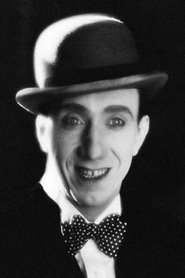 George DavisJoe
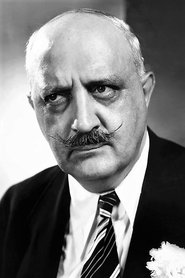 Paul PorcasiNick Verdis
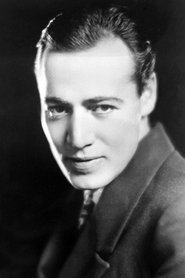 Leslie Fenton'Scar' Edwards
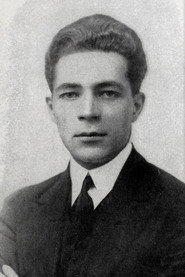 Arthur HousmanDolph
Directing
- William J. ReiterAssistant Director
- Pál FejősDirector
Writing
- Charles FurthmanAdaptation
- Edward T. Lowe Jr.Adaptation
- George AbbottWriter
Production
- Carl Laemmle Jr.Producer