
Film
Footlight Parade
- Backstage musical
- Screwball comedy
- Light-hearted
A scrappy Broadway producer tries to stage live musical prologues in movie theaters, juggling temperamental performers, scheming financiers, and his vindictive ex-wife. It's a gleeful, energetic celebration of theatrical chaos, stuffed with production numbers and rapid-fire comedy. Perfect for anyone who loves old Hollywood's unhinged optimism and the pure joy of people breaking into song.
Should you watch it?
Watch it if you love backstage wisecracking, pre-Code bite and Busby Berkeley's kaleidoscopic dance numbers, the way a hustler's pace and sheer showmanship keep a musical bouncing.
Skip it if you find the backstage plotting and rapid-fire banter tiresome, or you need your musical numbers to tell the story rather than arrive as big set-piece interruptions.
What it asks of you: A brisk 104 minutes where the plot runs on hustle and the songs arrive in bursts, with little room for quiet.
Not sure? Find tonight's pick in a minute.
If you liked this
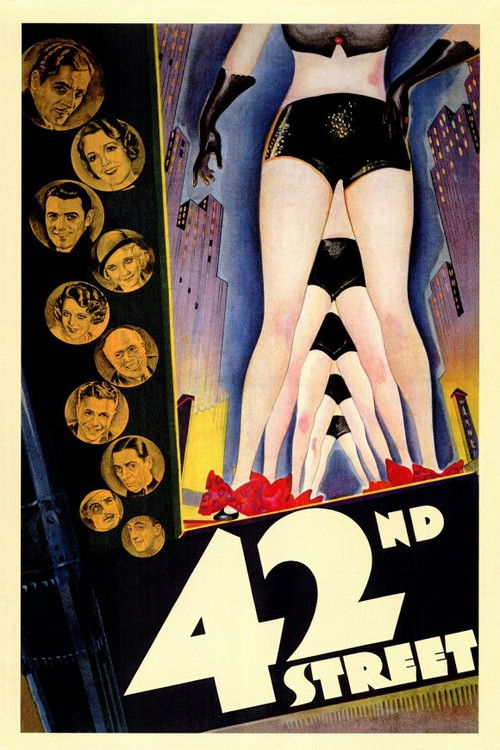
42nd Street1933
Another Busby Berkeley backstage extravaganza from the same year, with Dick Powell and cracking comedy alongside jaw-dropping choreography. Pure escapist entertainment with genuine pathos woven through.
But If you don't click with 1930s musical conventions—the staging, the pacing, the theatrical affectation—it'll feel very of its moment.
Singin' in the Rain1952
The ultimate backstage musical: effortless charm, unforgettable choreography, and a script that knows exactly what it's doing. Gene Kelly and Donald O'Connor are irresistible, and it captures that same theatrical joy.
But It's beloved for good reason, so if you approach it wanting to be blown away, you might find it slightly... expected.

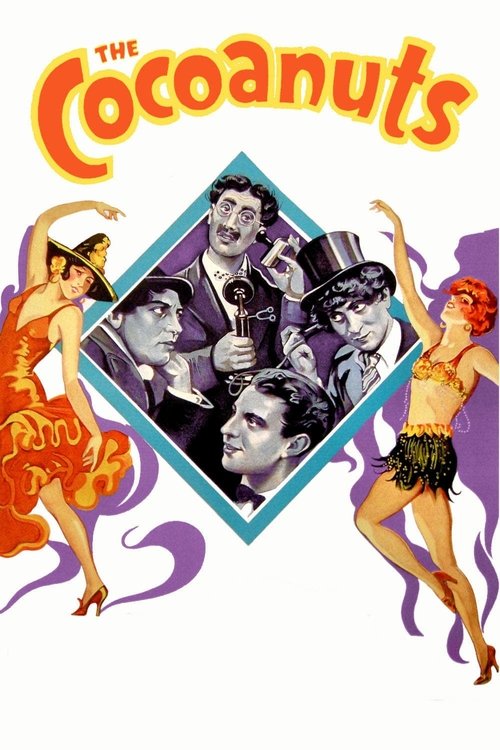
The Cocoanuts1929
Marx Brothers energy applied to a real estate scam: fast, anarchic dialogue, completely indifferent to plot coherence, and full of the vaudeville spirit Footlight Parade shares. Groucho in his prime.
But By contemporary standards it's chaotic and bewildering. Comedy timing and wordplay matter more than narrative sense.
Not sure tonight? Get a pick in a minute, starting from Footlight Parade
The wildcard
Something you would not have found on your own.
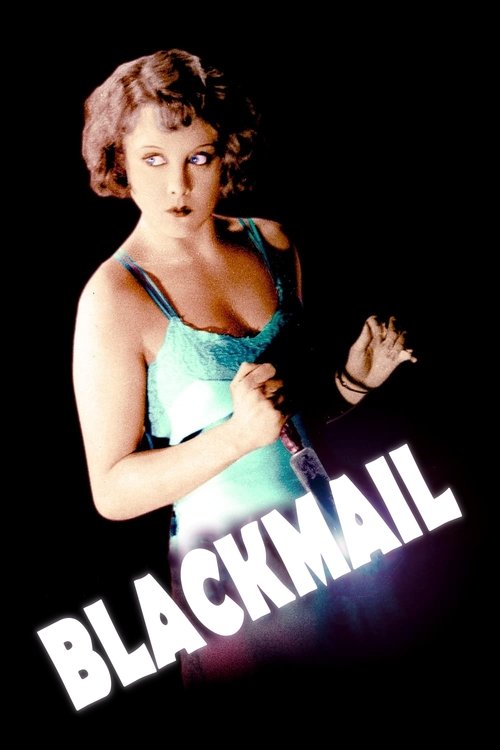
Blackmail1929
Both are set in the theater world of early sound cinema, but one uses the chaos and spectacle for joy and one uses it for fear.
Hitchcock's first talkie is a backstage murder mystery at a London theater. It has Footlight Parade's theatrical milieu and rapid-fire tension, but uses that same setting for suspense instead of celebration—entirely different register, same world.
But Silent film ancestry shows; it can feel stiff and stagy to modern eyes. The murder plot is darker and less forgiving than musical comedy.
More like this (7)
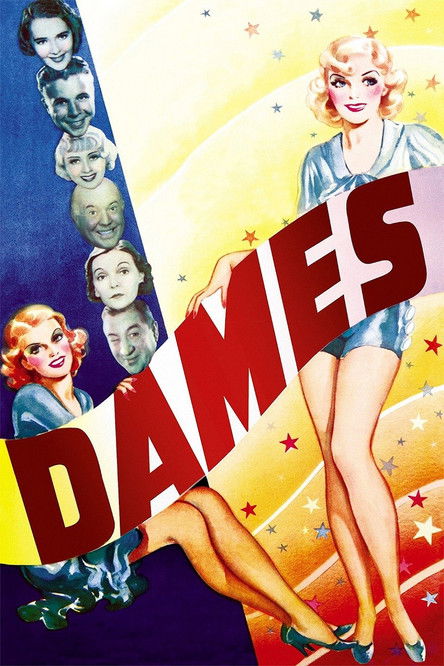
Dames1934
Reunites Cagney with this universe of Depression-era theatrical zaniness. Busby Berkeley numbers, Joan Blondell again, and that same manic energy about getting a show together despite everything.
But Once you've seen Footlight Parade, you're kind of just watching the same machinery run again. Diminishing returns.
Gold Diggers of 19331933
Berkeley's most inventive year: girls, music, and spectacle, with a sweet romantic core and genuine Depression-era resonance beneath the glitz. Dark and light in perfect balance.
But Slower pacing in the non-musical scenes. You're there for the numbers, really, and the comedic bits can drag.

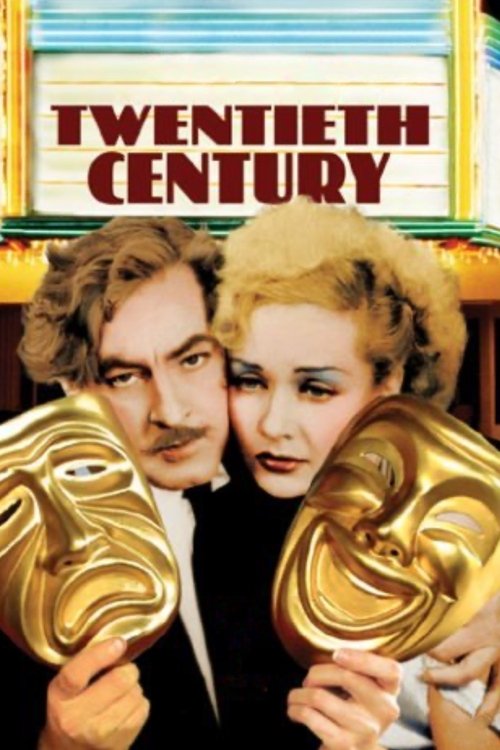
Twentieth Century1934
John Barrymore and Carole Lombard as battling theatrical personalities on a train. Manic screwball comedy that captures the same theatrical excess and backstage personality clashes as Footlight Parade.
But No music, no elaborate production numbers—if you're chasing that specific itch, this won't scratch it.
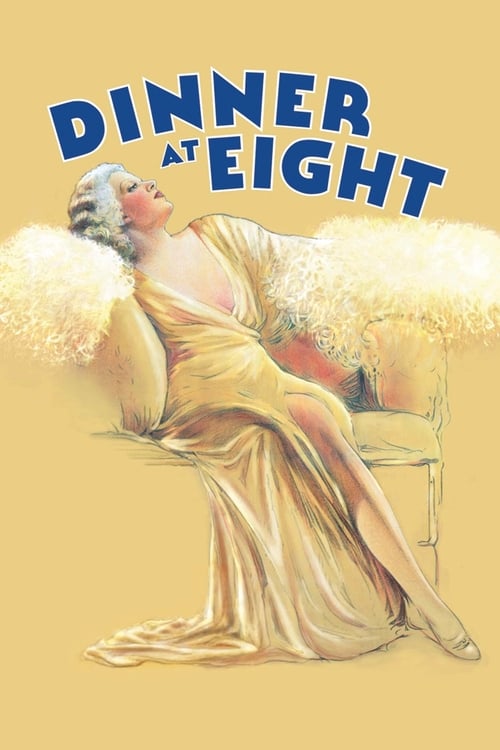
Dinner at Eight1933
Ensemble cast comedy (also 1933!) where theatrical types collide with high society. Sharper-edged and more cynical than Footlight Parade, but same cast sensibility and period glamour.
But It's a comedy of manners, not spectacle. Slower, more observational. You need to enjoy character work more than song and dance.
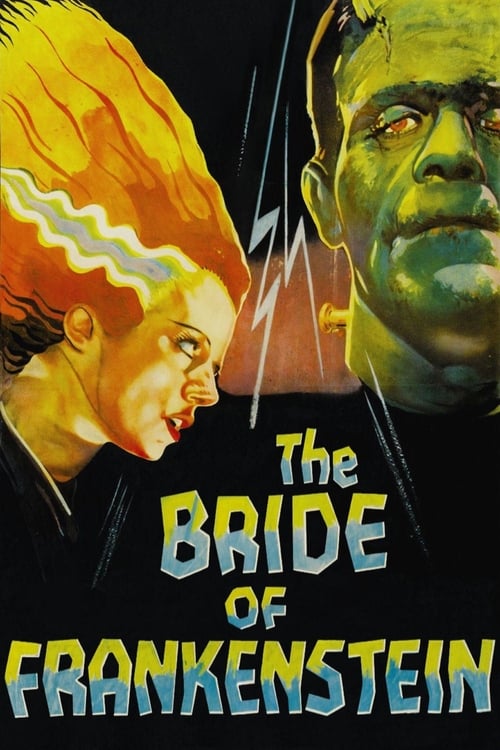
Bride of Frankenstein1935
If you love 1930s Hollywood's technical bravura and unhinged creativity applied to any genre: this is the horror equivalent of Footlight Parade's manic energy. James Whale's direction is impeccable.
But It's a horror film, so if you went to Footlight Parade for the giddy lightness, this is a tonal left turn into the dark.
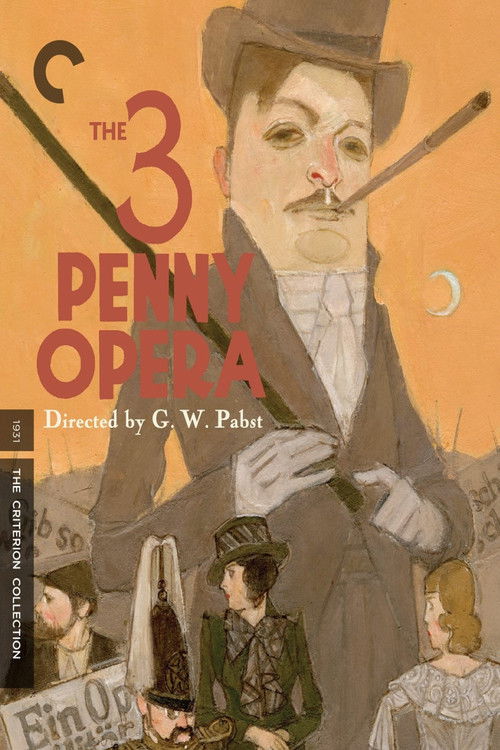
The Threepenny Opera1931
Both explore who profits from theater and performance, but one celebrates the hustle while the other eviscerates it.
A German film about staging a play that's really about corruption, greed, and who gets to profit from art. It has the theatrical milieu and backstage scheming of Footlight Parade but applied to Brechtian social critique—same engine, inverted purpose.
But Heavy, political, and bleak. If you loved Footlight Parade's Depression-era optimism, this cynicism will feel like a punch.
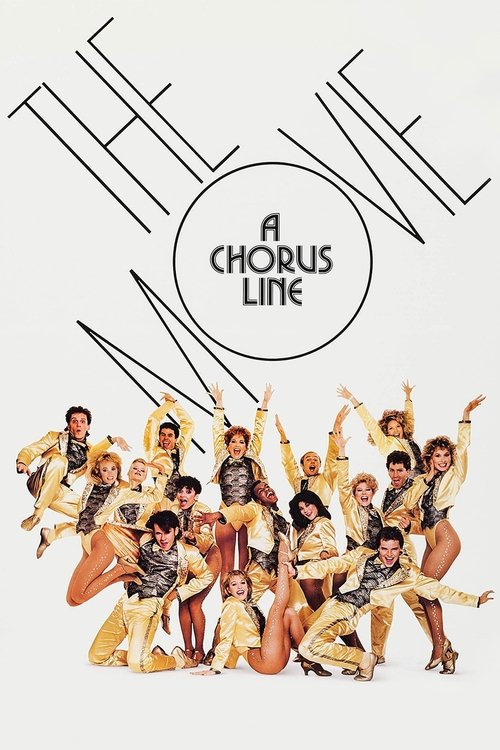
A Chorus Line1985
Both are musicals about assembling a show, but one is an escape fantasy and one is about what the fantasy costs the people inside it.
A film of the stage musical about dancers auditioning for a Broadway show. It has Footlight Parade's backstage energy and those aching production numbers, but it's about the cost and vulnerability of performance, not the giddy joy of pulling off a show.
But It's sincere and melancholic where Footlight Parade is frantic and comic. If you wanted that 1930s zaniness, this emotional nakedness feels very 1980s.
People
Cast
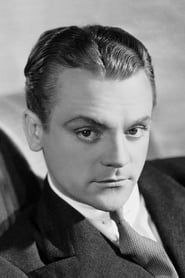 James CagneyChester Kent

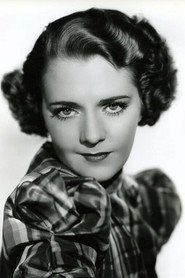 Ruby KeelerBea
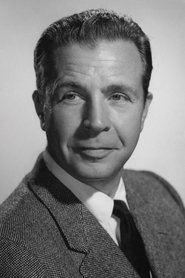 Dick PowellScotty
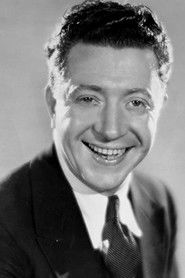 Frank McHughFrancis
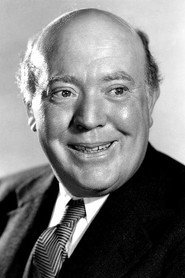 Guy KibbeeGould
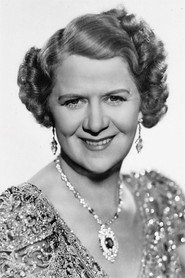 Ruth DonnellyMrs. Gould
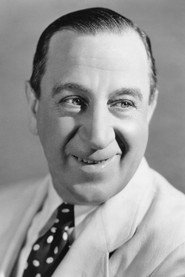 Hugh HerbertBowers
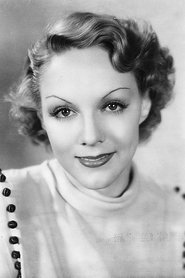 Claire DoddVivian
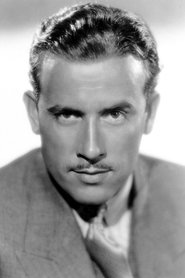 Gordon WestcottHarry Thompson
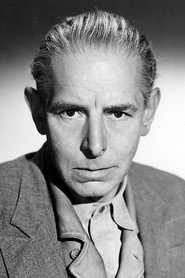 Arthur HohlAl Frazer
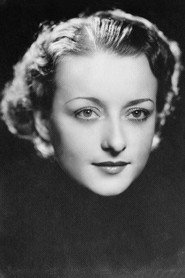 Renee WhitneyCynthia Kent
Directing
- Gordon HollingsheadAssistant Director
- Lloyd BaconDirector
Writing
- Al DubinLyricist
- Harry WarrenLyricist
- Irving KahalLyricist
- Sammy FainLyricist
- James SeymourScreenplay
- Manuel SeffScreenplay
- Robert LordStory
- Peter MilneWriter
Production
- William ForsythCasting Assistant
- William MayberyCasting Assistant
- Russel TrostCasting Associate
- Maxwell ArnowCasting Director
- Robert LordProducer
Recommended by
42nd Street, Shall We Dance, Disorder in the Court, The Crowd Roars, Complicated Women, Follow the Fleet, Born to Dance, Policewoman, Dames, Flying Down to Rio, Strike Up the Band, Syncopation, Roman Scandals, The Fair Co-Ed, The Phantom President, The Big Broadcast, Murder at the Vanities, The Good Companions, King of Burlesque, Palmy Days, Anything Goes, Broadway