
Film
Born to Dance
- Romantic comedy
- Light-hearted
A 1936 musical romance where a sailor on shore leave courts an ambitious Broadway dancer while competing with an established star for her affection. Buoyant and energetic, driven by Eleanor Powell's astonishing tap dancing and Cole Porter's songs. Perfect for anyone who loves the confidence and technical brilliance of 1930s Hollywood musicals.
Should you watch it?
Watch it if you love old Hollywood musicals where the songs and dance numbers carry the romance, and you enjoy brassy, big-hearted 1930s comedy with a sailor-on-shore-leave charm.
Skip it if you want modern pacing or a tight plot, since 1930s musicals often pause the story for big production numbers and the romantic tangles can feel thin and repetitive.
What it asks of you: Settle in for roughly a hundred and five minutes of studio-era musical rhythm, with plenty of singing and dancing and a light, breezy tone that rarely asks for heavy emotional attention.
Not sure? Find tonight's pick in a minute.
If you liked this
Singin' in the Rain1952
The gold standard of Hollywood musicals, with dancing that feels like it rewrites physics. Gene Kelly and Donald O'Connor are magnetic, and the Technicolor is intoxicating. A film that justifies the entire genre.
But It's nearly two hours of dancing and romance with minimal plot. If you want character development or stakes that matter, you'll be disappointed.

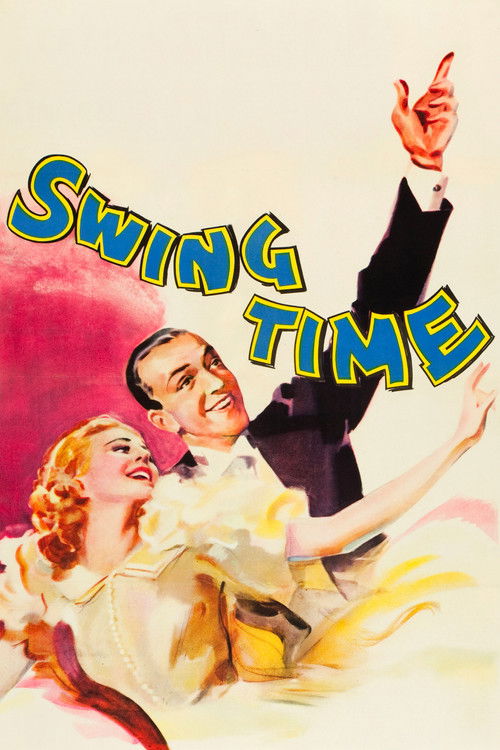
Swing Time1936
Fred Astaire and Ginger Rogers at peak chemistry, dancing across multiple styles and settings. The plotting is slight but charming, and the production is lavish without feeling strained. Pure pleasure.
But The casual racism and gender dynamics will grate. It's a time capsule of attitudes you'll want to shrug off.
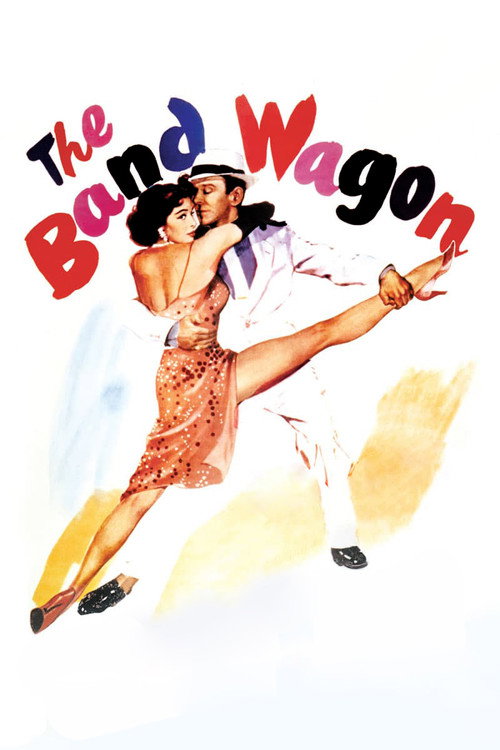
The Band Wagon1953
Fred Astaire adapts to middle age and proves his artistry only deepens. The dance sequences are sculptural, the Gershwin score is sublime, and the backstage story feels earned. Intelligent entertainment.
But Slower than Born to Dance, with longer stretches of non-dancing plot. Some find it dated rather than classic.
Not sure tonight? Get a pick in a minute, starting from Born to Dance
The wildcard
Something you would not have found on your own.
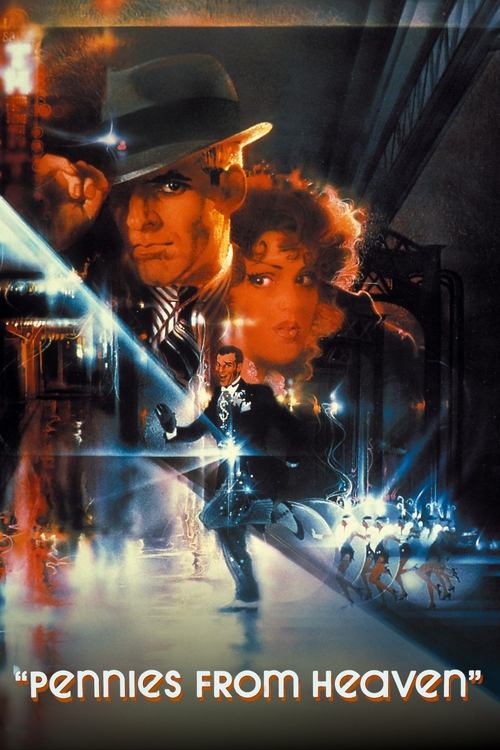
Pennies from Heaven1981
Both use musicals as escapism, but Pennies from Heaven interrogates that impulse. It asks: what are we running from when we dance?
Steve Martin as a Depression-era sheet-music salesman who escapes into fantasy sequences where Hollywood musicals score his mundane life. It's heartbreaking and gorgeous, using the musical form to explore loneliness and yearning. The blend of gritty reality and elaborate song-and-dance is unlike anything else.
But Tonally uneven—swinging from bleak drama to exuberant musical numbers alienates viewers wanting consistency. And the ending is genuinely sad in ways 1930s musicals avoid.
More like this (8)
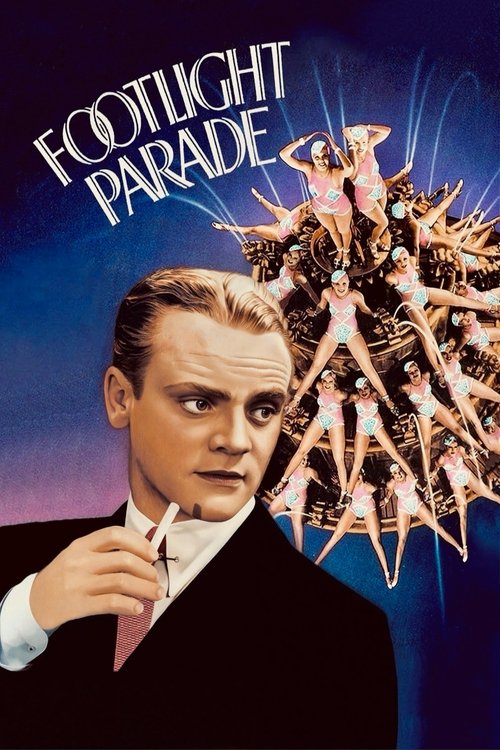
Footlight Parade1933
James Cagney tap-dancing in a film about putting on Broadway shows. The musical numbers are inventive, the pace is breakneck, and Cagney brings surprising grace to a dancer's role.
But The dialogue scenes are occasionally stagey and slow down momentum. Production values are uneven compared to later musicals.
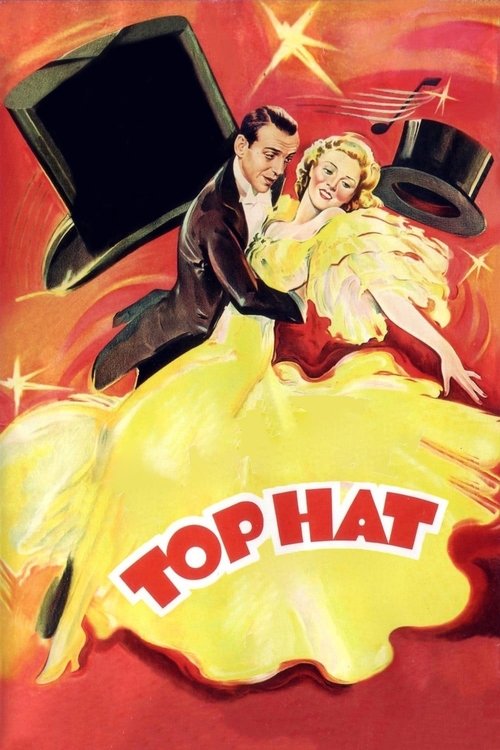
Top Hat1935
Fred and Ginger's most glamorous outing, set in Venice and London with stunning Art Deco design. The 'Cheek to Cheek' number alone justifies the film. Effortless elegance from start to finish.
But The plot is tissue-thin even by 1930s standards. And Ginger's jealousy subplot hasn't aged well.
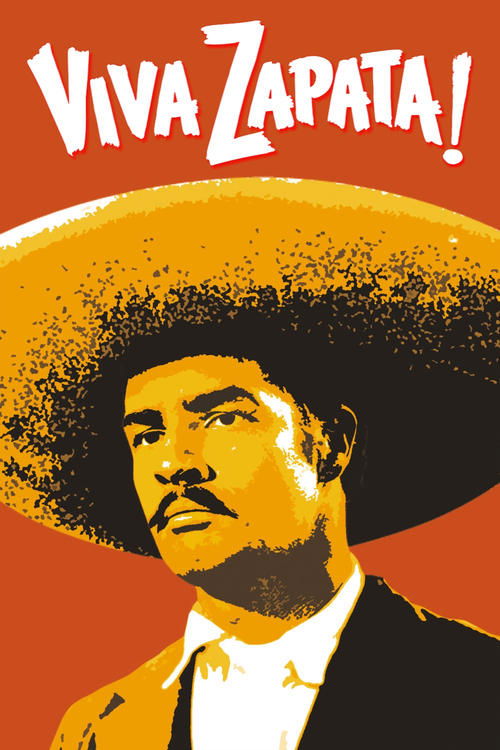
Viva Zapata!1952
Marlon Brando in a serious role about Mexican revolution, directed by Elia Kazan with real political weight. Gorgeous black-and-white cinematography and a brooding intensity that contrasts beautifully with lighter musicals.
But It's a drama, not a musical. If you want singing and dancing, this will feel like a detour.
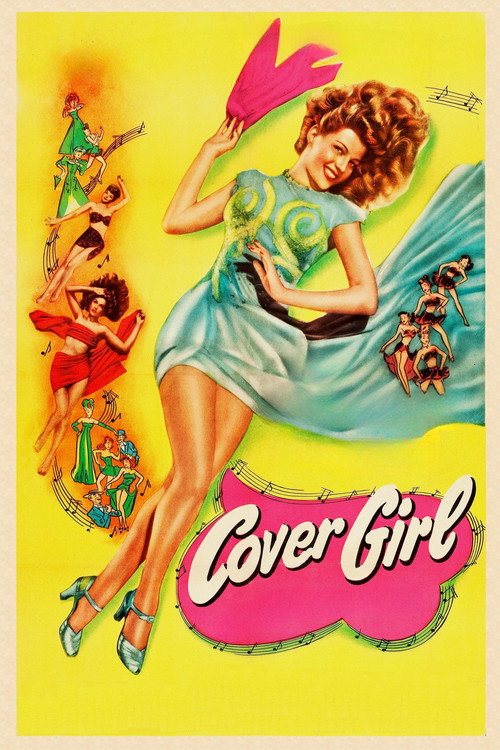
Cover Girl1944
Rita Hayworth and Fred Astaire in a wartime musical with sophisticated choreography and a stronger plot than most. Hayworth's dancing and glamour are intoxicating, and the film doesn't waste time.
But The film stock shows age, and some production numbers feel indulgent. The romantic resolution is predictable.
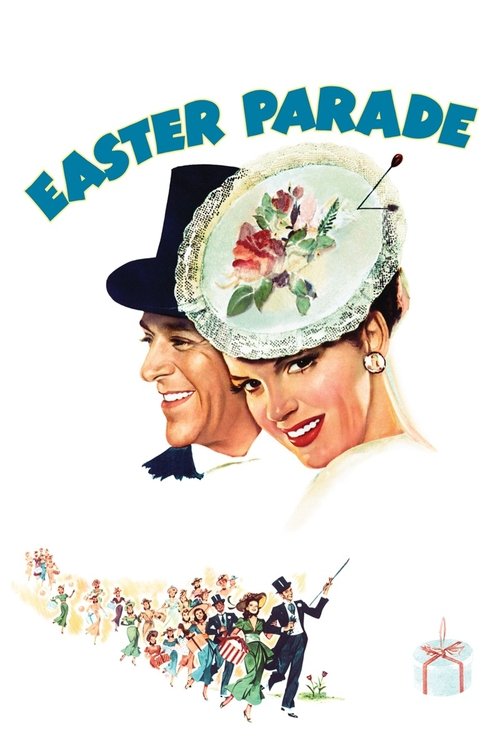
Easter Parade1948
Fred Astaire and Judy Garland together, a pairing so good it feels inevitable. Irving Berlin's songs are elegant, the dancing is joyful, and the whole thing moves with balletic grace.
But Garland was ill during filming and some of that shows. The romance plot is generic compared to the dancing.
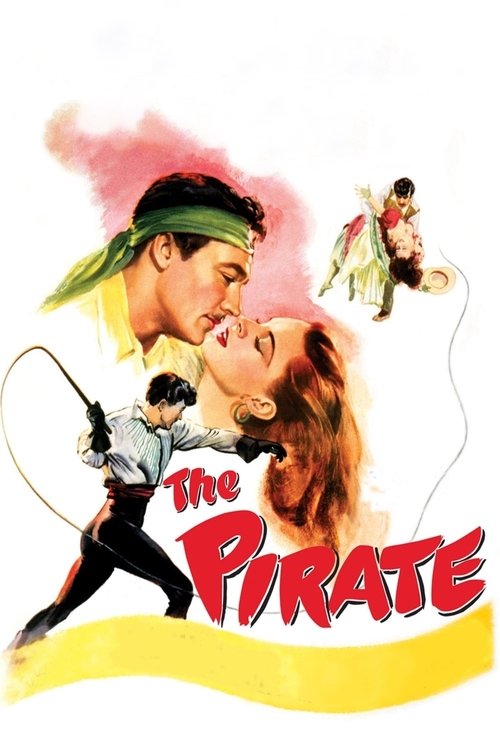
The Pirate1948
Gene Kelly and Judy Garland in a Cole Porter musical that swings for the fences with wild choreography and theatrical exuberance. A film that celebrates performance itself—it's alive in a way most musicals aren't.
But The camp and energy will feel exhausting to some. It's aggressively fun in a way that doesn't land for everyone.
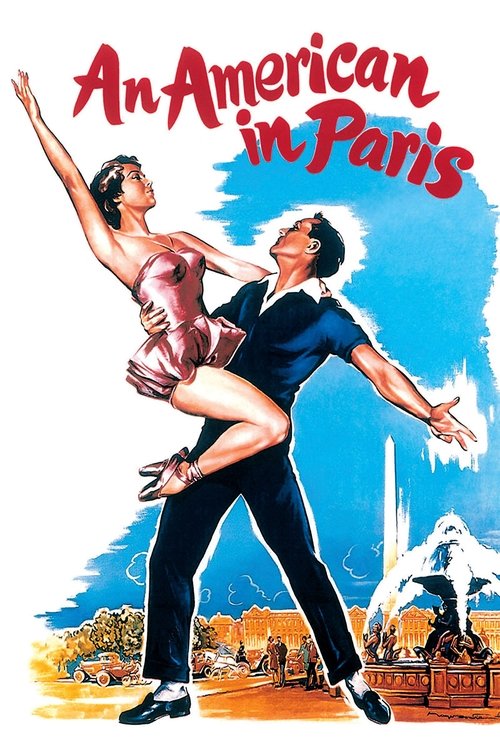
An American in Paris1951
Both are about artists pursuing dreams and romance in the same breath, but An American in Paris treats art itself as the third character in the love triangle.
Gene Kelly falls in love with a Parisian girl while pursuing his dream as a painter. The final 17-minute ballet sequence is a masterpiece of cinema—not just dancing but emotional storytelling through pure movement. The whole film is romance and ambition in perfect balance.
But The middle stretches are slow, and the plot is thin. Some find the extended ballet self-indulgent rather than transcendent.
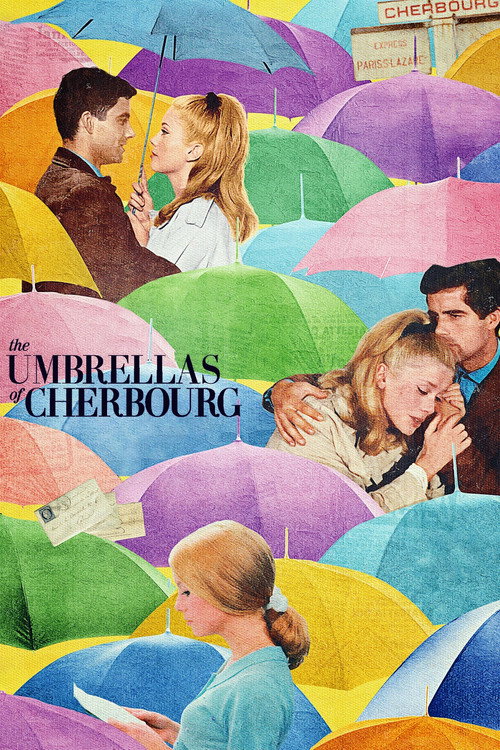
The Umbrellas of Cherbourg1964
Both are musicals where romance and duty collide, but Cherbourg refuses Born to Dance's optimism. It's the darker mirror image—what happens when love doesn't win.
A French musical where every frame is hand-painted color perfection. Catherine Deneuve and Nino Castelnuovo sing and dance through a bittersweet story of love interrupted by military service. It's achingly beautiful and genuinely tragic—no happy ending softens the ache.
But Entirely sung-through in French (subtitled). The pastel beauty and melancholy will feel slow if you want pace and spectacle. And yes, you will cry.
People
Cast
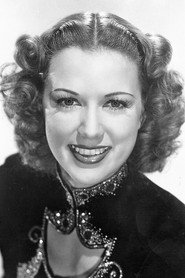 Eleanor PowellNora Paige
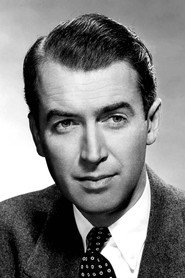 James StewartTed Barker
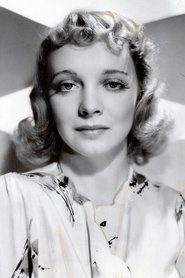 Virginia BruceLucy James
 Una MerkelJenny Saks
 Sid Silvers'Gunny' Sacks
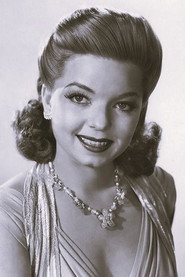 Frances Langford'Peppy' Turner
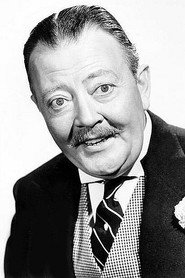 Raymond WalburnCaptain Dingby
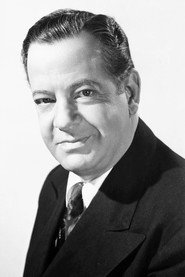 Alan DinehartMcKay
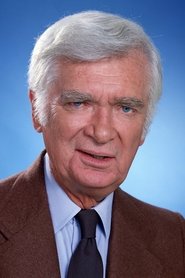 Buddy Ebsen'Mush' Tracy
 Juanita QuigleySally Saks
- GeorgesHimself
- JalnaHerself
Directing
- William J. ScullyAssistant Director
- Roy Del RuthDirector
Writing
- Cole PorterLyricist
- Jack McGowanScreenplay
- Sid SilversScreenplay
- Buddy G. DeSylvaStory
- Jack McGowanStory
- Sid SilversStory
Production
- Jack CummingsProducer