
Film
Sing, Baby, Sing
- Parody
- Backstage musical
- Light-hearted
A 1936 Fox musical that spoofs the tabloid romance between aging star John Barrymore and young Elaine Barrie. Alice Faye plays a nightclub singer caught in a fake publicity relationship with a dissolute leading man. It's fleet, good-natured fun with strong song numbers and the Ritz Brothers at their comedic peak—the kind of picture that feels like being invited to a very good party.
If you liked this
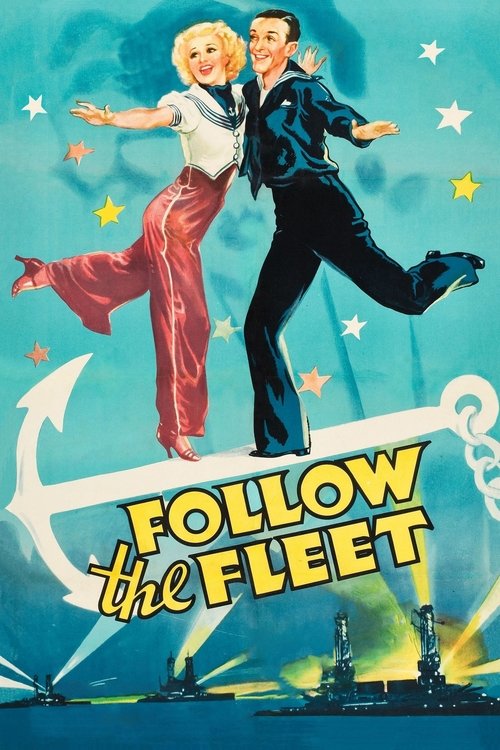
Follow the Fleet1936
Fred Astaire and Ginger Rogers dancing on a battleship, with perfectly calibrated romantic comedy and Astaire at his most inventive. The musical numbers feel like they matter, and the whole film moves with genuine joy.
But It's a romance first and a musical second. If you're here purely for the dancing, the plot moments in between can feel slight.
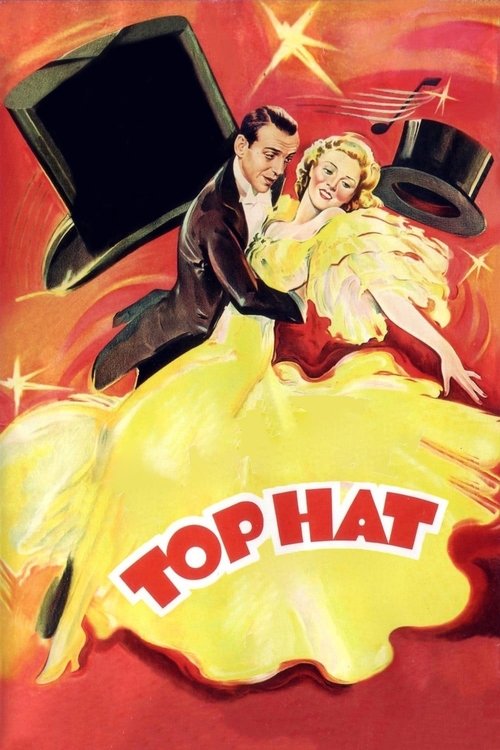
Top Hat1935
Astaire and Rogers again, in perhaps their most purely joyful pairing. The 'Cheek to Cheek' number alone justifies the evening, and the whole film has a lightness that makes it feel fresher than it has any right to at nearly ninety years old.
But The plot is gossamer—a misunderstanding that would dissolve in five minutes if anyone just spoke clearly. That's intentional, but it might annoy you.
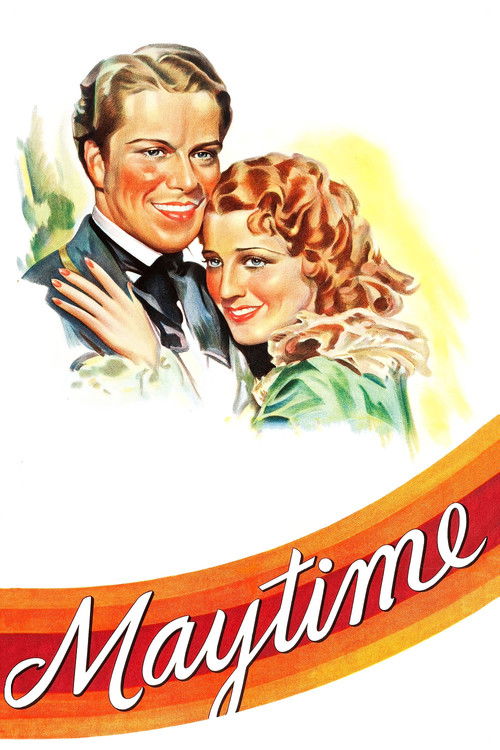
Maytime1937
Jeanette MacDonald and Nelson Eddy in a lavish operetta with genuine emotional weight beneath the spectacle. The second half pivots unexpectedly toward real melancholy, and the orchestral arrangements are stunning.
But Operetta voices and soaring romanticism aren't for everyone. It's deliberately old-fashioned even for 1937, and the plot hinges on some agonizing miscommunication.
Not sure tonight? Get a pick in a minute, starting from Sing, Baby, Sing
The wildcard
Something you would not have found on your own.
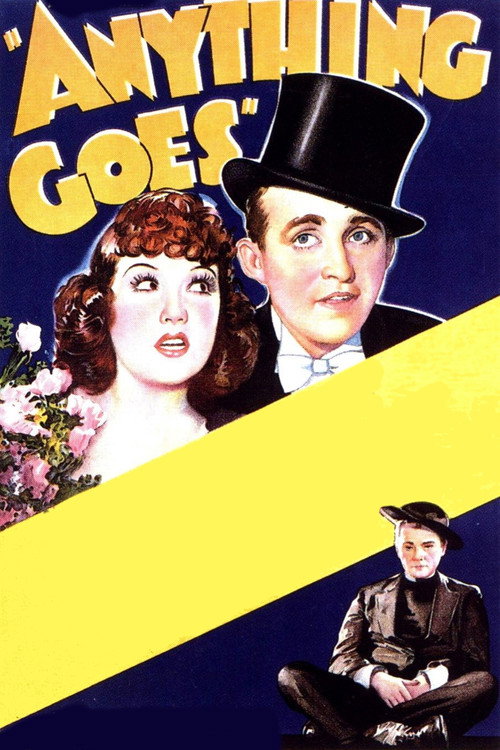
Anything Goes1936
Both films are contemporary pieces about manufactured publicity and fake romance—media spectacle as central to the story, not incidental to it. Both are also Fox productions from the same moment in musical cinema.
Cole Porter's masterpiece transported to screen with Bing Crosby, Ethel Merman, and Fred Astaire (briefly). The songs are immortal, the cast is stacked, and it's unabashedly silly in a way that only early-sound musicals dared to be.
But The plot is almost incomprehensibly convoluted—even by the standards of 1936 musicals. Merman's voice is phenomenal but polarizing; some find her thrilling, others exhausting.
More like this (7)
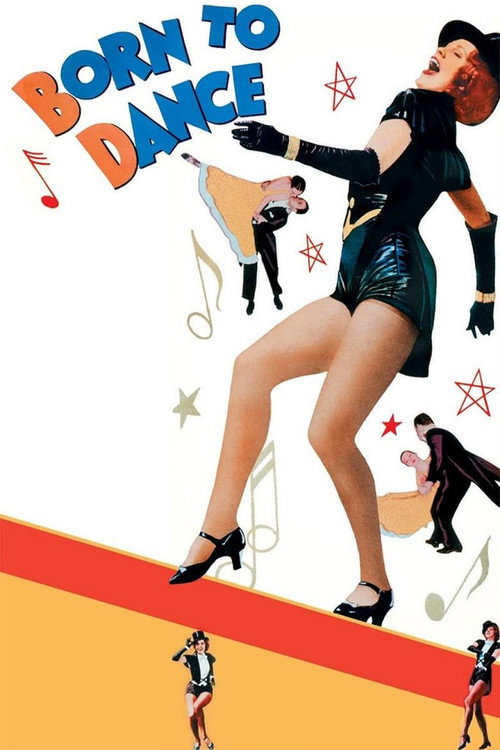
Born to Dance1936
Eleanor Powell, one of cinema's greatest dancers, in a military musical with Cole Porter songs and genuine production panache. Powell's tap sequences are almost dizzying in their precision and exuberance.
But The plot is negligible and the romantic lead is inert. You're here for Powell; if her dancing alone doesn't carry you, nothing else will.
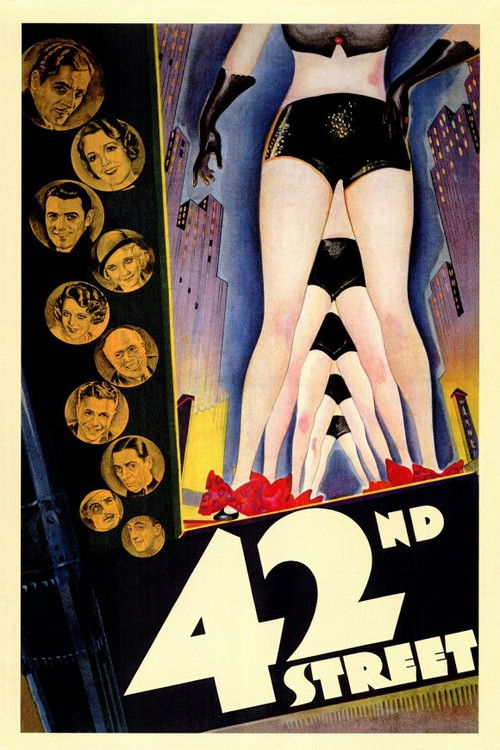
42nd Street1933
The mother of all backstage musicals—energetic, cynical about show business, and featuring Busby Berkeley's first dazzling overhead choreography. It's faster and scrappier than anything Fox made.
But The print quality can be rough, and some of the sexual attitudes on display feel genuinely unpleasant by modern standards.
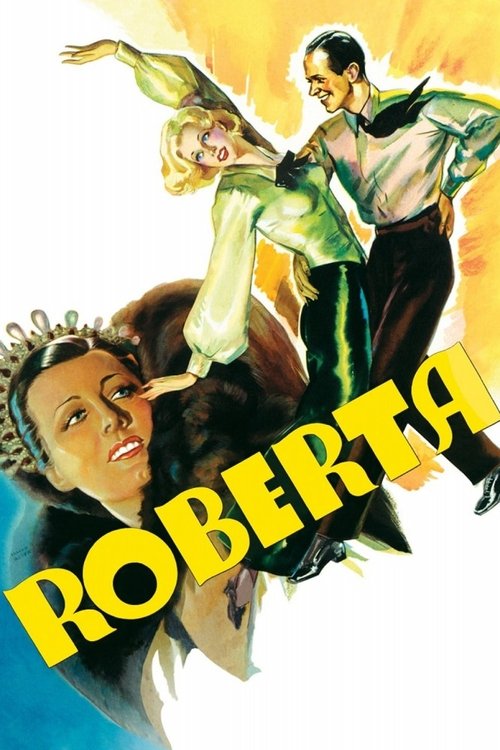
Roberta1935
Fred Astaire and Ginger Rogers in a fashion-industry musical with an excellent plot, charming character work, and one of their best slow dances. The film trusts its story as much as its numbers.
But It's less flashy than their other collaborations. If you want pure spectacle over substance, this might feel restrained.
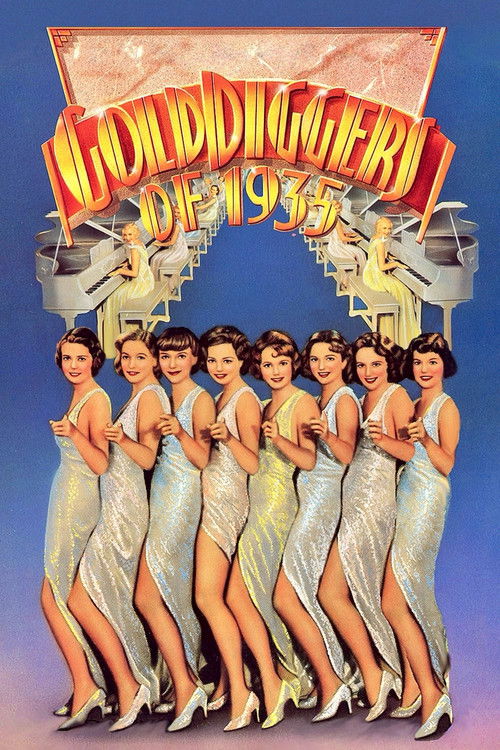
Gold Diggers of 19351935
Busby Berkeley at peak invention with 'Lullaby of Broadway,' one of cinema's greatest musical sequences. The film is silly but energetic, and the set pieces are genuinely astonishing.
But The plot is tissue-thin, and some of the comedy involves dated racial caricature. The story between numbers barely holds together.
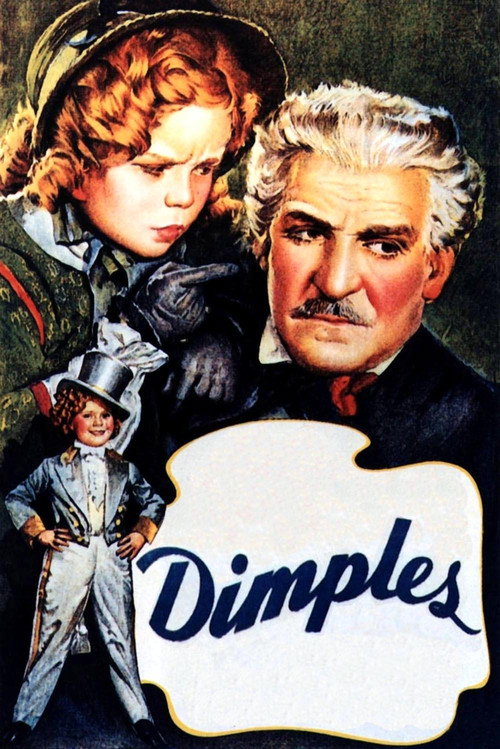
Dimples1936
Shirley Temple with Bill 'Bojangles' Robinson in a Depression-era vehicle that's genuinely charming. Temple was a star because she could actually perform, not just because she was cute, and this shows why.
But Temple's precocity will either delight or exhaust you—there's no middle ground. The melodrama is thick, and some of the racial politics are uncomfortable.
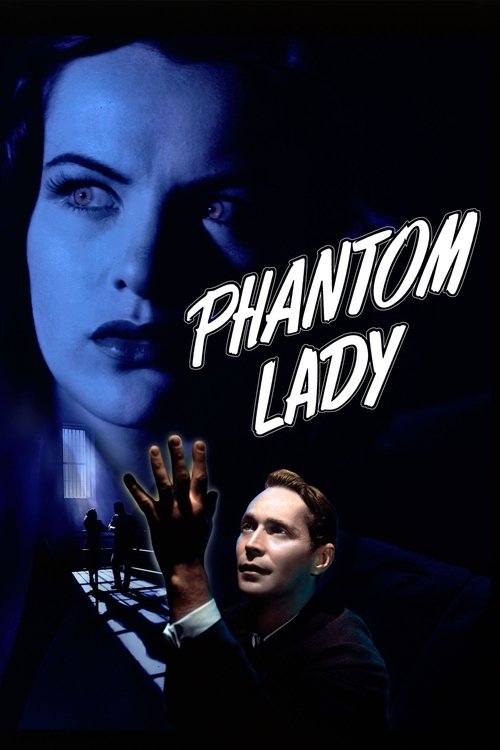
Phantom Lady1944
Both use music and performance as their narrative engine—but where Sing, Baby, Sing uses them as surface glamour, Phantom Lady uses them as a window into psychological disturbance. Same vocabulary, opposite emotional intent.
A film noir with a genuinely unsettling atmosphere where the heroine does the detective work. The 'Haunted Swing' sequence is one of cinema's great expressions of psychological unease through dance and music alone.
But The tone is much darker than you might expect from the era. It's a murder mystery with real menace, not frothy entertainment, and the resolution is grim.
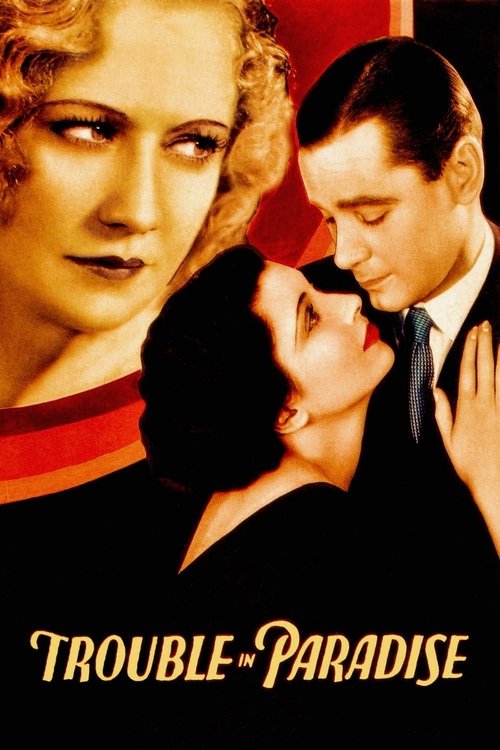
Trouble in Paradise1932
Like Sing, Baby, Sing, it's about beautiful people manufacturing false romance for profit and publicity. But Lubitsch treats deception as tragedy waiting to happen, while Fox treats it as a game. Both films are about surfaces and what lies beneath them.
Ernst Lubitsch's masterpiece about con artists and deception, where dialogue is a performance and every frame is designed for seduction. It's far more sophisticated than the musicals around it, and funnier too.
But There's no music and no dancing—it's a comedy of manners told almost entirely through implication and wit. If you wanted spectacle, you won't find it here.
People
Cast
 Alice FayeJoan Warren
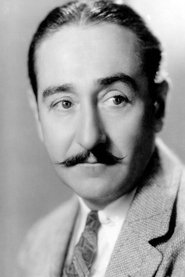 Adolphe MenjouBruce Farraday
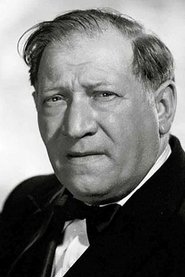 Gregory RatoffNicholas K. Alexander
 Patsy KellyFitz
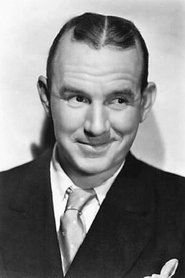 Ted HealyAl Craven
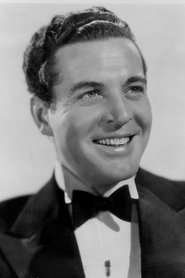 Michael WhalenTed Blake
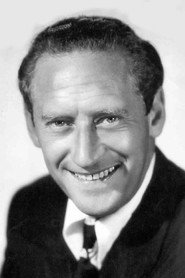 Al RitzHimself
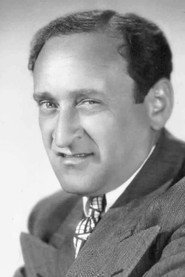 Jimmy RitzHimself
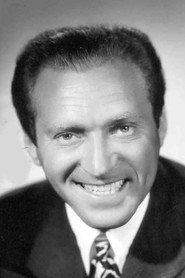 Harry RitzHimself
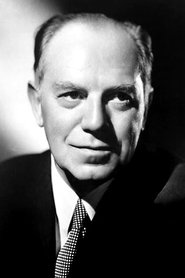 Montagu LoveRobert Wilson
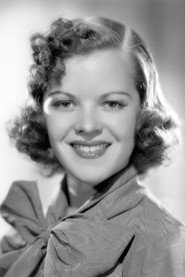 Dixie DunbarTelephone Operator
Directing
- Sidney LanfieldDirector
Writing
- Walter BullockLyricist
- Harry TugendWriter
- Jack YellenWriter
- Milton SperlingWriter
Production
- Darryl F. ZanuckProducer