
Film
Anything Goes
Other titles called Anything Goes: the 1956 film.
- Screwball comedy
- Light-hearted
A 1936 musical comedy where Bing Crosby chases love aboard a luxury liner, tangling with Ethel Merman, disguises, and Cole Porter's genius. Effortlessly charming, it moves like a ship cutting through champagne. For anyone who loves old Hollywood's ability to make chaos feel like a dance.
If you liked this
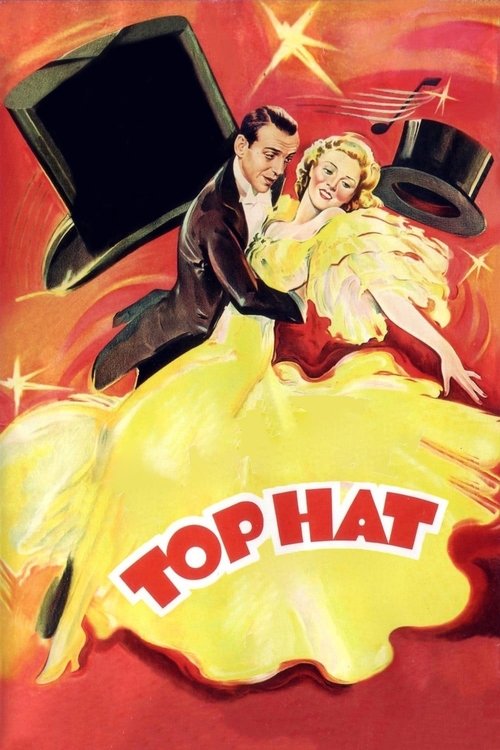
Top Hat1935
Fred Astaire and Ginger Rogers at their peak, dancing through a plot so thin it's transparent. The musical sequences are pure architecture—flawless, inventive, impossible. If you want to see what these films aspired to be.
But The story genuinely doesn't matter, and if you're watching for plot coherence rather than spectacle, you'll spend ninety minutes frustrated.
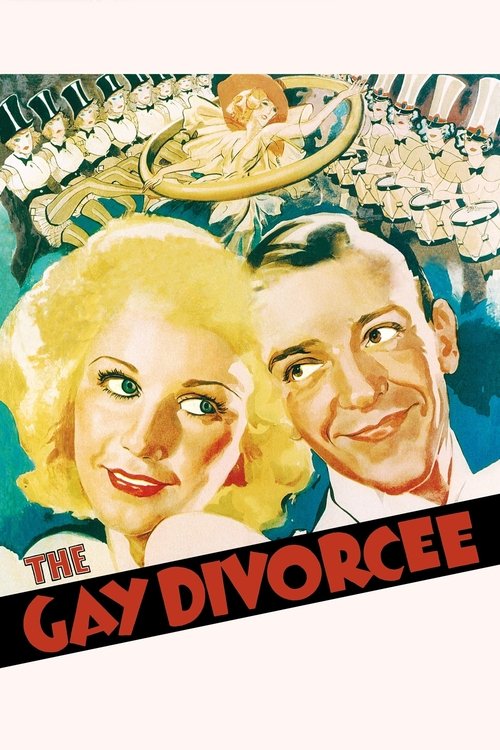
The Gay Divorcee1934
Another Astaire-Rogers masterpiece with charm pouring from every frame. The dancing is breathtaking, the banter lands, and it captures exactly why people fell in love with musicals. Proof that these films were art, not just entertainment.
But It's slow by modern standards, and the romantic plot is fluff designed around dance numbers. If you need emotional depth, you won't find it.
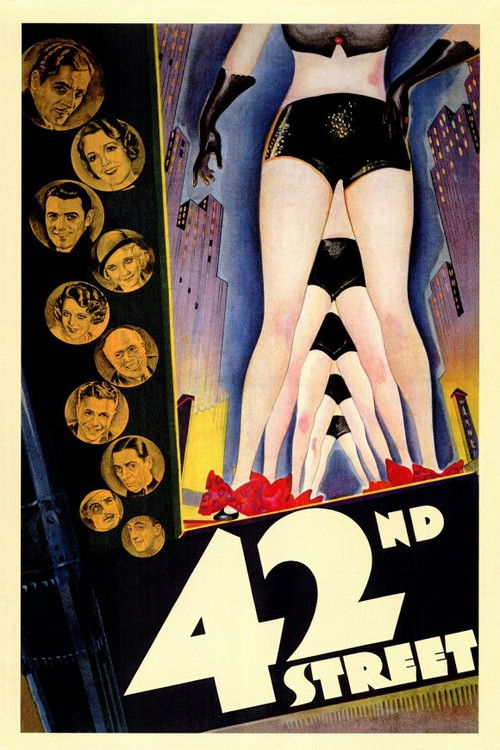
42nd Street1933
The granddaddy of backstage musicals—a fever dream of synchronized dancing, production design that dazzles, and genuine stakes. It practically invented the form. Busby Berkeley's imagination is boundless here.
But The narrative is basically an excuse to get to the big numbers, and if you're not into dance spectacle, the story won't hold you.
Not sure tonight? Get a pick in a minute, starting from Anything Goes
The wildcard
Something you would not have found on your own.
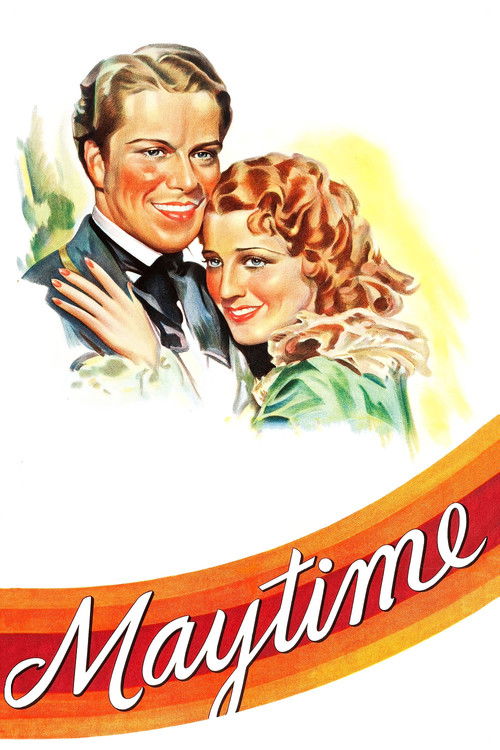
Maytime1937
Both are Cole Porter-adjacent musicals where chaos on a voyage leads to unexpected romance, but Maytime shows what the form could do when it aimed for genuine emotion instead of laughs.
A genuine operetta where the songs carry real emotional weight. Jeanette MacDonald and Nelson Eddy are unexpectedly moving—this isn't winking comedy, it's sincere passion set to music. Watch what happens when a musical decides to break your heart.
But It's sentimental in ways that can feel overwrought. The plot hinges on suffering, and some viewers will find it manipulative rather than touching.
More like this (7)
Singin' in the Rain1952
Gene Kelly reinvents what a musical can do. The production design is gorgeous, the dancing is joyful without being cold, and it loves itself without apology. A masterpiece that still feels alive.
But Some of the supporting characters and dialogue feel dated. If you need contemporary sensibilities in your classics, this might grate.

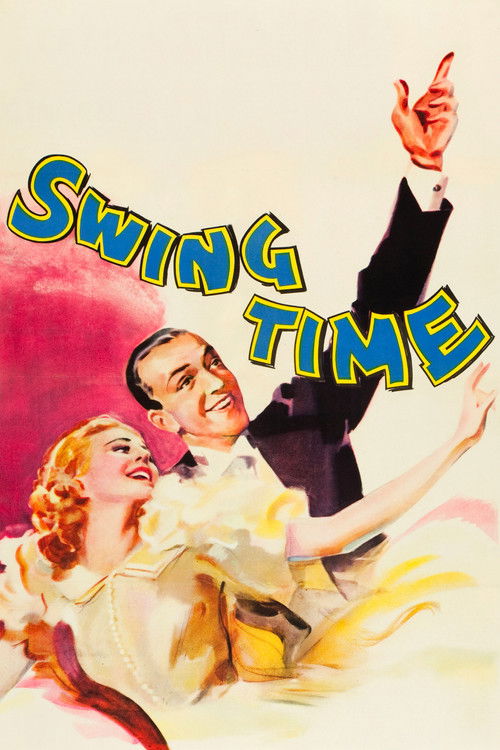
Swing Time1936
Astaire and Rogers again, but now they're both better at everything. The dancing is more daring, the chemistry sharper, the comedy better timed. Pure technical and emotional confidence.
But The plot involves a man stringing along two women in ways that feel uncomfortable now. The gender politics are genuinely dated.
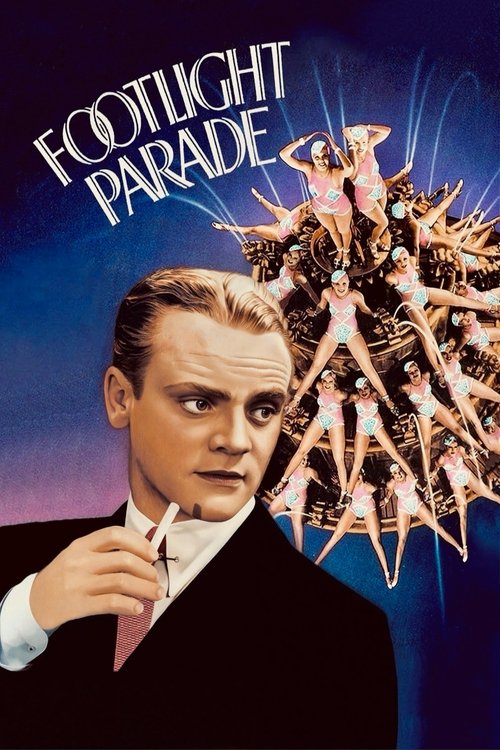
Footlight Parade1933
James Cagney in a backstage musical, which already sounds good. Add Berkeley's choreography, genuine comedy timing, and an electric energy that feels almost modern. It moves and moves.
But The plot is genuinely thin even for a 1933 musical, and some of the humor depends on period references. The pacing, while energetic, can feel scattered.
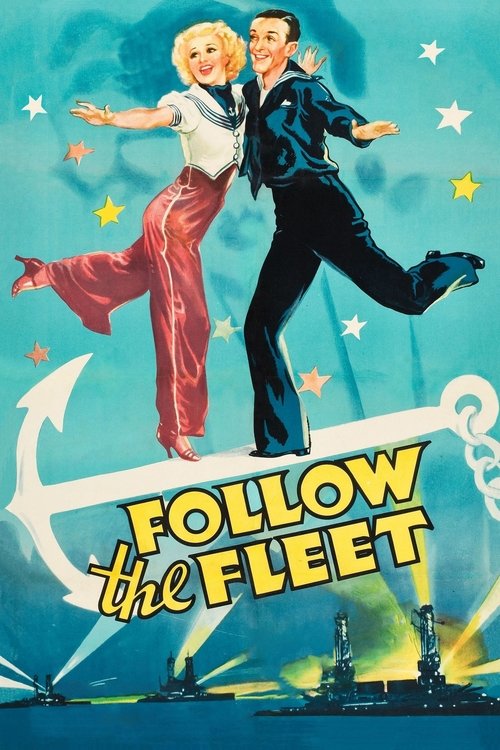
Follow the Fleet1936
Astaire and Rogers in their final pairing for a while, lighter and warmer than before. It has a gentleness that contrasts nicely with the technical precision. Proof they could do intimate as well as grand.
But It's considerably weaker in both story and ambition than their best work. If you're comparing it to Top Hat, you'll notice the difference.
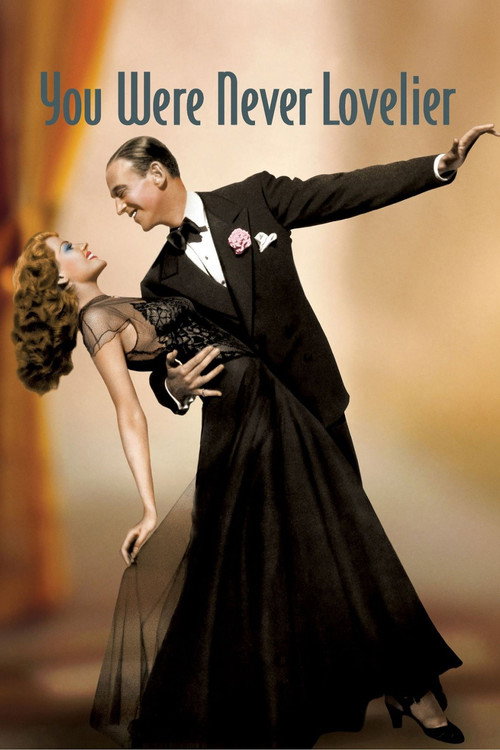
You Were Never Lovelier1942
Fred Astaire dancing with Rita Hayworth, whose talent for dance is criminally underrated. It's playful, beautifully shot, and the chemistry between them is warm. A gem from later Hollywood that doesn't demand much but rewards generously.
But It's slight and formulaic, and if you come for Astaire expecting to see him challenged, this won't do it. The plot is tissue-thin.
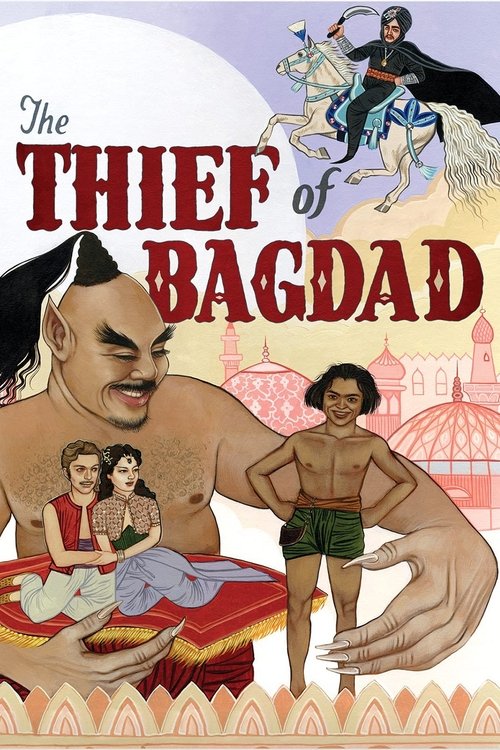
The Thief of Bagdad1940
Both prioritize production design and visual dazzle over narrative logic, but Bagdad pushes the artificiality to almost abstract extremes—less plot, more dream.
Technicolor fantasia where visual invention becomes the plot. The production design is so staggering you forget to care about the story. It's a musical's cousin—spectacle as the point, narrative as scaffolding.
But The pacing is glacial by any standard, and the story is thinner than thin. If you need momentum or character development, you'll be frustrated.
The Philadelphia Story1940
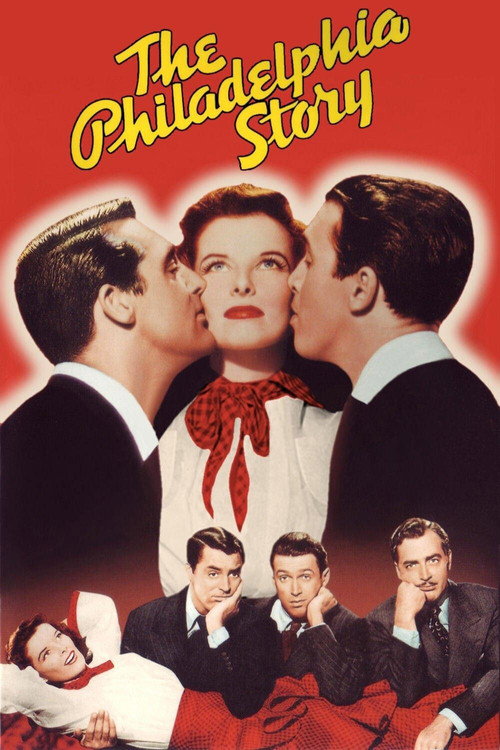
Like Anything Goes, it's a 1930s-40s comedy of manners about love and social chaos, but it replaces the musical numbers with dialogue so good you won't miss them—a proof that the era had other engines.
Comedy-romance with Cary Grant, James Stewart, and Katharine Hepburn—three of the finest actors ever. The wit is genuinely smart, the tone never wavers, and it proves that character and dialogue can be as entertaining as choreography. Sophisticated without being cold.
But It's almost entirely talk, which means it moves in a completely different rhythm than a musical. If you want spectacle and song, this is a different language entirely.
People
Cast
 Bing CrosbyBilly Crocker
 Ethel MermanReno Sweeney
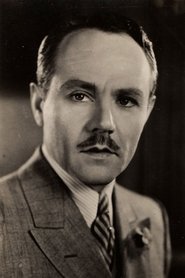 Charles RugglesReverend Dr. Moon
 Ida LupinoHope Harcourt
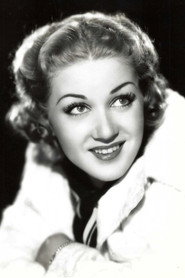 Grace BradleyBonnie LeTour
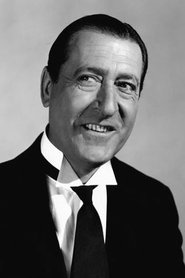 Arthur TreacherSir Evelyn Oakleigh
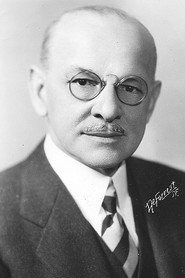 Robert McWadeElisha J. Whitney
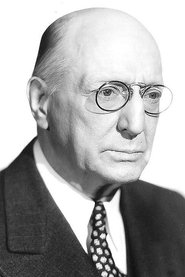 Richard CarleBishop Dobson
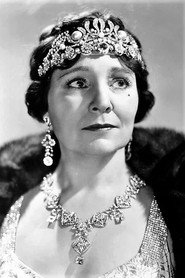 Margaret DumontMrs. Wentworth
 Jerry TuckerJunior
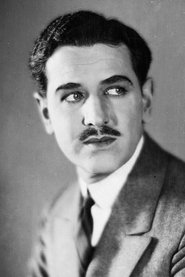 Matt MooreCaptain
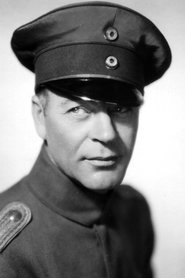 G. Pat CollinsExecutive Officer
Directing
- Lewis MilestoneDirector
Writing
- Cole PorterLyricist
- Edward HeymanLyricist
- Leo RobinLyricist
- Guy BoltonTheatre Play
- P.G. WodehouseTheatre Play
- Howard LindsayWriter
- Russel CrouseWriter
Production
- Benjamin GlazerProducer