
Film
You Were Never Lovelier
- Romantic comedy
- Light-hearted
A 1942 musical romance where Fred Astaire's broke American dancer must convince an Argentine heiress that he's her mysterious secret admirer. It's pure enchantment—effervescent, gorgeously shot, built on the chemistry between two performers at their peak. Astaire's dancing is transcendent; the songs are sublime. It's for anyone who believes a great performance can carry you somewhere real.
Should you watch it?
Watch it if you like light musical romances where chemistry and dancing carry the story, and a little old-fashioned gallantry charms you more than it annoys you.
Skip it if you want a plot with real stakes, since the story is fairly thin and mostly serves the next dance number and the flirting between its leads.
What it asks of you: It runs about an hour and a half of breezy, unhurried scenes, so settle in for a gentle pace and let the musical numbers set the rhythm.
Not sure? Find tonight's pick in a minute.
If you liked this
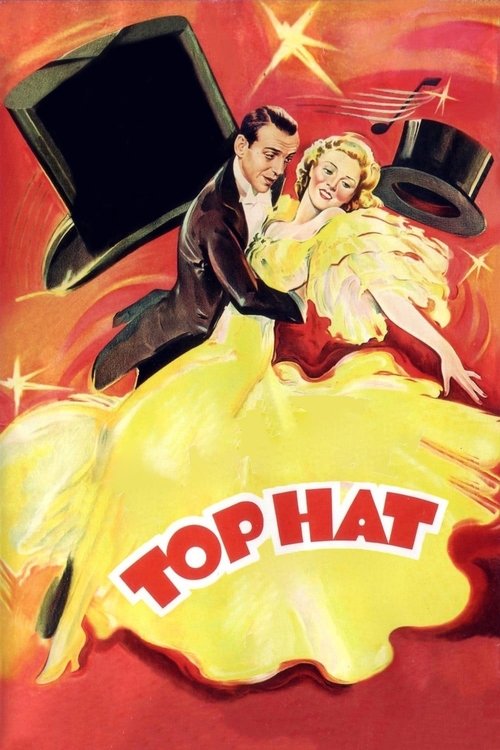
Top Hat1935
The definitive Astaire-Rogers partnership: a jewel-box musical where every element—the dancing, the songs, the sets, the wit—achieves perfection. If you loved the elegance of Lovelier, this is where that style was born.
But It's nearly a century old, and some of the romantic logic feels paper-thin even by 1935 standards. The pacing is leisurely by modern measure.
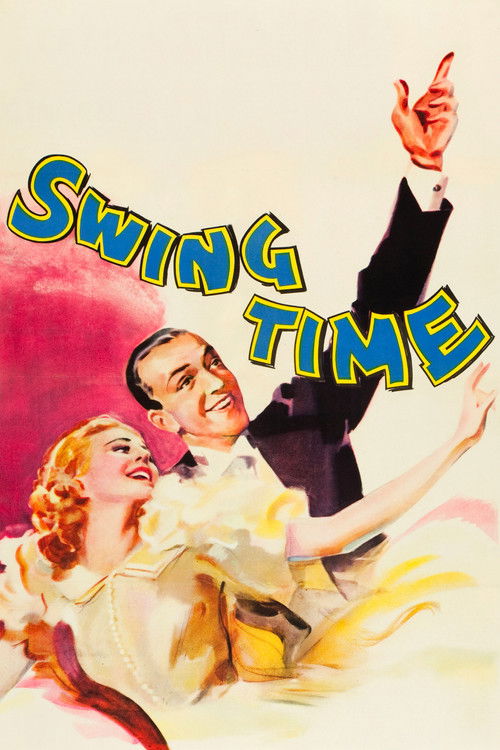
Swing Time1936
Astaire and Rogers at absolute peak: the dancing is experimental and daring, the score is Kern and Berlin at their best, and the whole film glows with romantic possibility. Some argue it's their finest collaboration.
But At two hours and twenty minutes, it's substantial. The plot is boilerplate Hollywood—you're really there for the musical numbers, and that won't appeal to everyone.
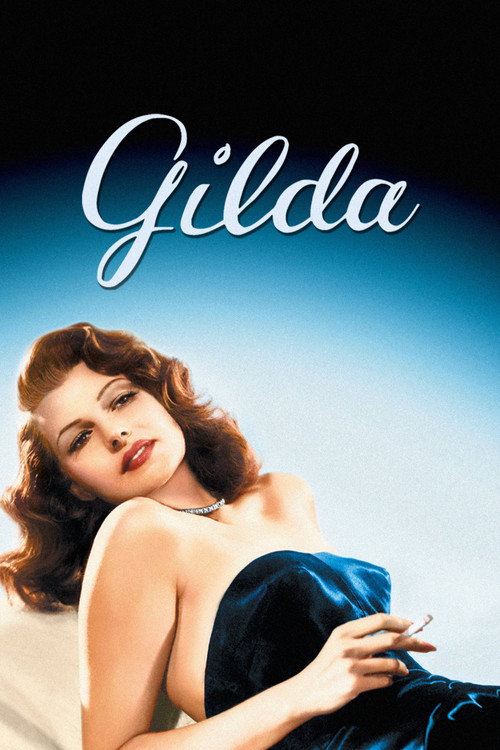
Gilda1946
Rita Hayworth's other masterpiece from the era, showcasing her magnetism and presence in a noir-tinged drama with Glenn Ford. The dress, the hair, the way she commands the screen—she's mesmerizing.
But It's moodier and more cynical than Lovelier, with a darker sexual undertone that some find uncomfortable. Not the escapist pleasure you might expect.
Not sure tonight? Get a pick in a minute, starting from You Were Never Lovelier
The wildcard
Something you would not have found on your own.
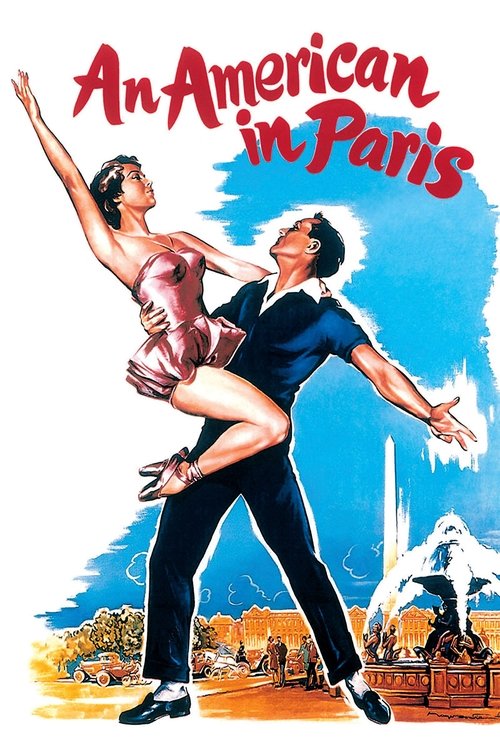
An American in Paris1951
Both films use dance as the principal language of emotion and romance—not as decoration, but as the core of how two people communicate attraction and longing.
Gene Kelly's masterpiece transforms a Gershwin score into something visionary—the dancing feels like painting, the Paris setting is rendered in gorgeous color, and the whole film breathes like art. It's different from Lovelier but shares its belief that dancing can express what words cannot.
But The American love story at its center is conventional and occasionally sappy. The famous ballet sequence is nearly seventeen minutes and not everyone has patience for it.
More like this (8)
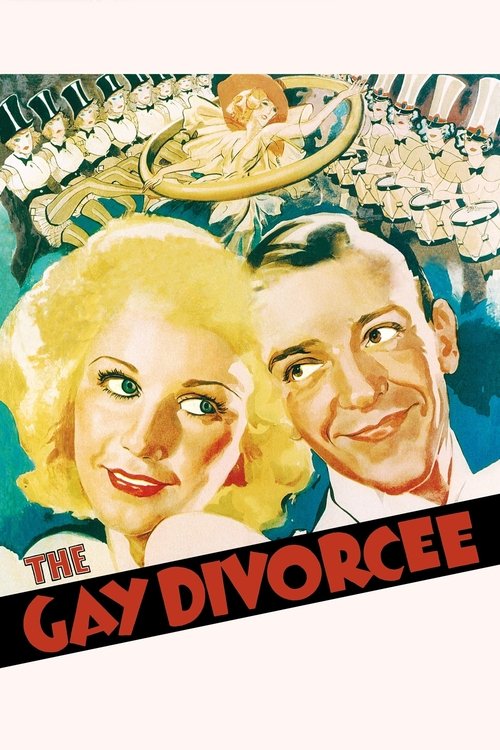
The Gay Divorcee1934
Astaire and Rogers' first film together captures lightning in a bottle: he's already a superstar, she's a revelation, and the chemistry is instantaneous. The dancing and humor are infectious.
But The plot mechanics around divorce are dated and a bit confused. It's shorter and less polished than their later work, which some find rough-edged.
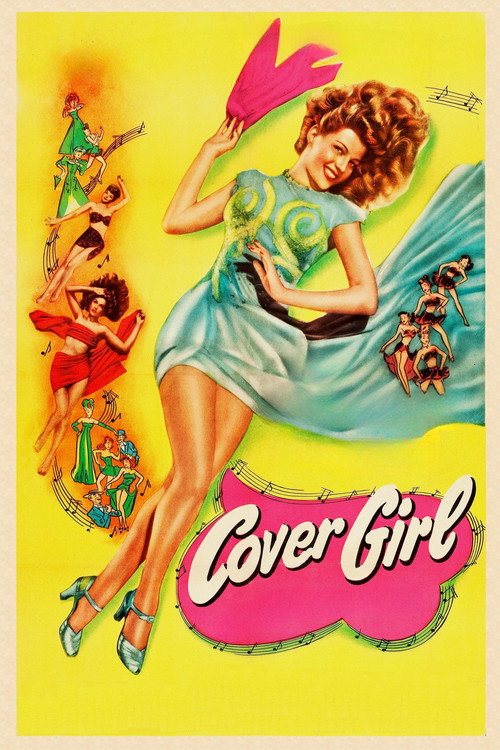
Cover Girl1944
Rita Hayworth in vivid color, dancing and singing with Gene Kelly in a Technicolor dream. It's lighter and more playful than much of her other work, with gorgeous production design and tremendous charm.
But The narrative is thin even for a musical, and Kelly's role often takes a backseat to Hayworth's star power. Some find it shallow—and it is.
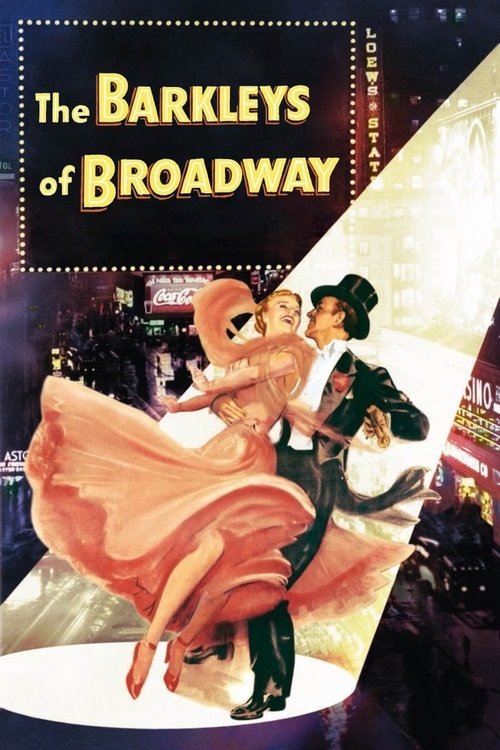
The Barkleys of Broadway1949
Astaire and Rogers reunited for the first time in over a decade, doing what they do best: a backstage musical with crackling chemistry and some of Astaire's most inventive choreography.
But It feels like a victory lap rather than a revelation. By 1949 the formula was well-worn, and the film moves through the steps rather than surprising you.
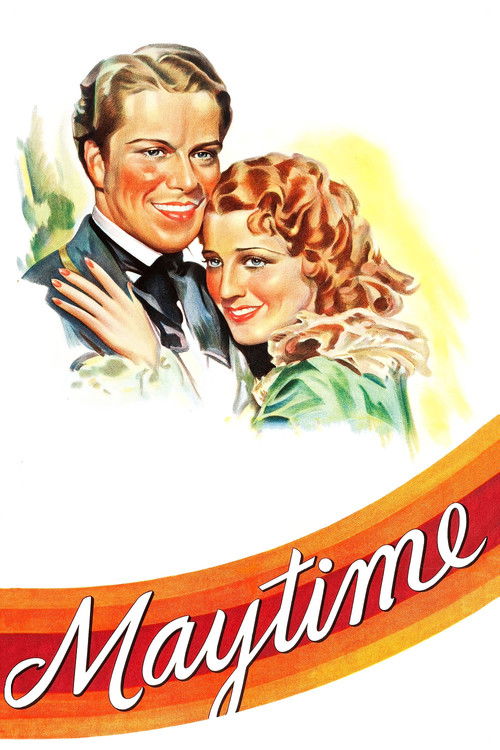
Maytime1937
Jeanette MacDonald and Nelson Eddy in an operetta romance that's lush, earnest, and genuinely moving—proof that pre-war movie musicals could hit deep emotional notes while remaining spectacularly entertaining.
But It's operetta, which means voices and style that aren't for everyone. The melodrama is genuinely overdone, even allowing for the era.
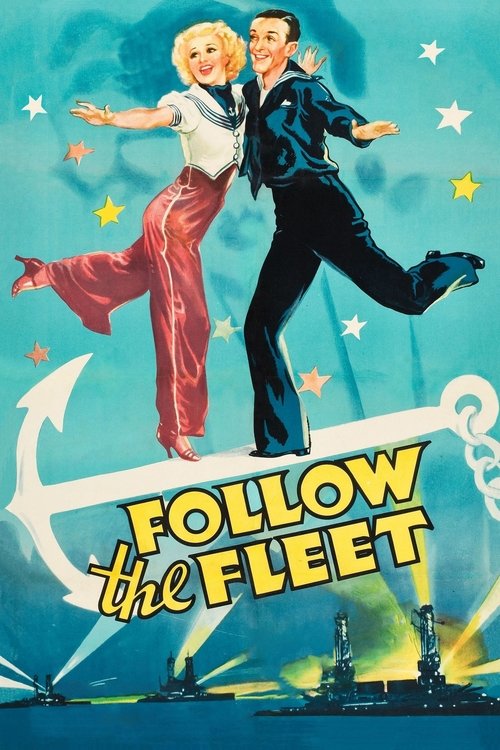
Follow the Fleet1936
Astaire and Rogers as sailors, with some of the finest tap dancing on film—particularly their rendition of 'Let's Face the Music and Dance.' It's exuberant, athletic, joyful.
But The naval setting and plot feel like scaffolding that occasionally gets in the way. The film's political attitudes toward women are uncomfortable to modern eyes.
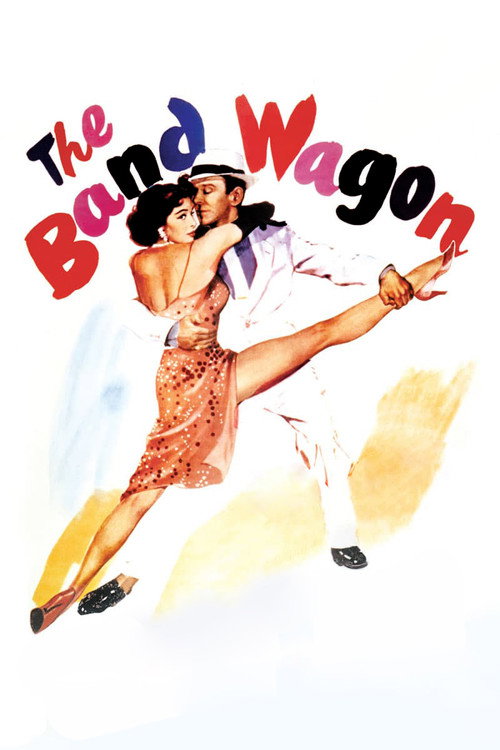
The Band Wagon1953
Astaire and Cyd Charisse in a Technicolor marvel about putting on a show. The dancing is extraordinary and the songs (by Dietz and Schwartz) are sophisticated and clever. Pure craft on display.
But It's a bit of a backstage slog in the middle. Some of the humor hasn't aged well, and the emotional stakes feel deliberately light in a way that eventually runs thin.
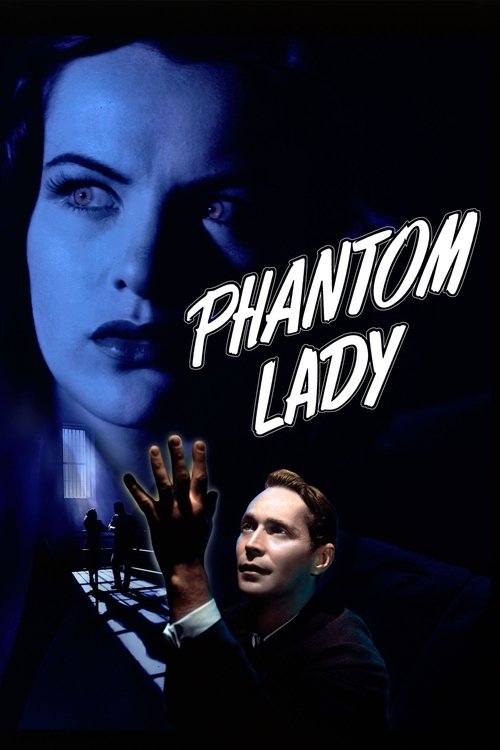
Phantom Lady1944
Both are 1940s Hollywood at its technical peak, photographed and composed with immense care. Both are romances of a kind—one euphoric, one noir—but both built on the magnetism of a central pair.
A noir thriller with Ella Raines and Franchot Tone that's visually stunning and morally complex—a universe away from Lovelier's sunlit romance, but equally masterful. The cinematography is hypnotic, the suspense real, and Raines is magnificent.
But It's a murder mystery with genuine darkness and a sadistic villain. If you came for escapism, you'll find psychological dread instead.
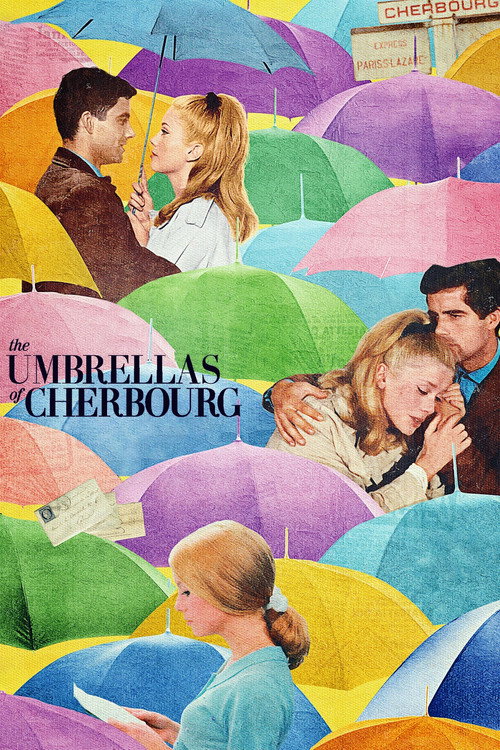
The Umbrellas of Cherbourg1964
Like Lovelier, it proves that a musical romance needn't be about plot—it's about color, movement, and the feeling of being transported. But where Astaire's film is alive with American confidence, Demy's is suffused with continental wistfulness and loss.
Jacques Demy's candy-colored musical where every frame looks painted, love blooms and transforms between scenes, and Catherine Deneuve moves through a pastel world. It's romantic not in the plot but in pure visual and musical poetry—melancholy, gorgeous, perfect.
But The story is deliberately slim and the romanticism is bittersweet rather than triumphant. If you want a happy ending wrapped up neatly, this will disappoint you deliberately.
People
Cast
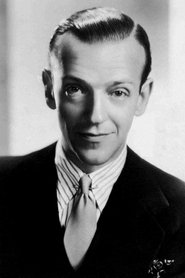 Fred AstaireRobert Davis
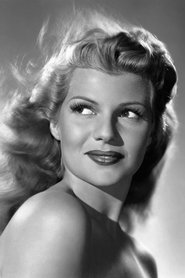 Rita HayworthMaria Acuña
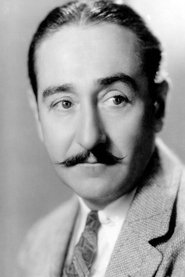 Adolphe MenjouEduardo Acuña
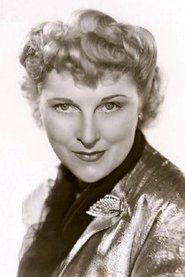 Isobel ElsomMaria Castro
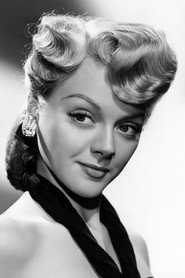 Leslie BrooksCecy Acuña
 Adele MaraLita Acuña
- Gus SchillingFernando
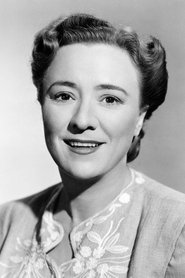 Barbara BrownDelfina Acuña
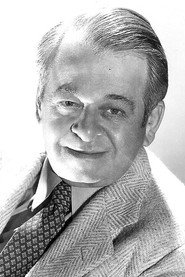 Douglas LeavittJuan Castro
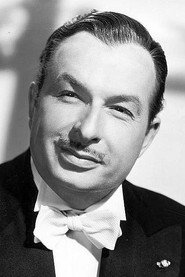 Xavier CugatXavier Cugat
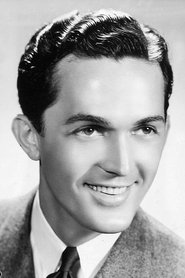 Kirk AlynJulia's Groom (uncredited)
- Larry ArnoldWedding Guest (uncredited)
Directing
- Norman DemingAssistant Director
- William A. SeiterDirector
Writing
- Johnny MercerLyricist
- Delmer DavesScreenplay
- Ernest PaganoScreenplay
- Michael FessierScreenplay
- Carlos OlivariStory
- Sixto Pondal RíosStory
Production
- Louis F. EdelmanProducer
Recommended by
Pot o' Gold, In the Navy, Follow the Boys, Senorita from the West, Hi, Beautiful, Brazil, Down Argentine Way, Anything Goes, Dance Hall, Standing Room Only, Private Buckaroo