
Film
Hi, Beautiful
- Romantic comedy
- Comedy
- Light-hearted
A wartime musical comedy where a clever woman schemes to win a newlywed contest with a soldier she's just met, triggering escalating chaos. It's lightweight and cheerful—built for 68 quick minutes of song, flirtation, and slapstick. Perfect if you want Forties charm without commitment, and you're in the mood for something that knows exactly what it is.
Should you watch it?
Watch it if you enjoy brisk, breezy wartime romantic farces where a sweet-natured setup snowballs into comic mix-ups, and you don't mind a few songs doing the heavy lifting.
Skip it if the tone is light and the plot machinery creaks, so if you need sharp wit or real emotional stakes, you'll likely find it thin.
What it asks of you: Sixty-eight minutes, no wasted time, and little demand beyond letting the songs and misunderstandings roll past at a bouncy clip.
Not sure? Find tonight's pick in a minute.
If you liked this
It Happened One Night1934
The template for screwball romance: two leads with genuine chemistry, snappy dialogue that moves like a heartbeat, and a plot that uses obstacles to deepen affection rather than stall it. Pure oxygen.
But The pacing and cultural assumptions feel distant now. It requires patience with Thirties rhythm and gender dynamics.

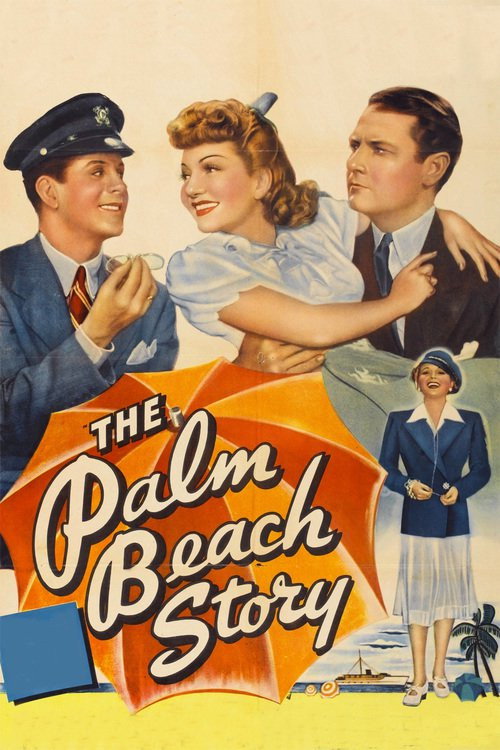
The Palm Beach Story1942
Preston Sturges at peak form: a marriage on the rocks, a con, a Florida resort, and dialogue so clever it seems improvised. Chaos with a heart underneath, and Joel McCrea and Claudette Colbert are magnetic together.
But The plot contortions get genuinely baroque. If you need narrative clarity over wit, this will frustrate you.
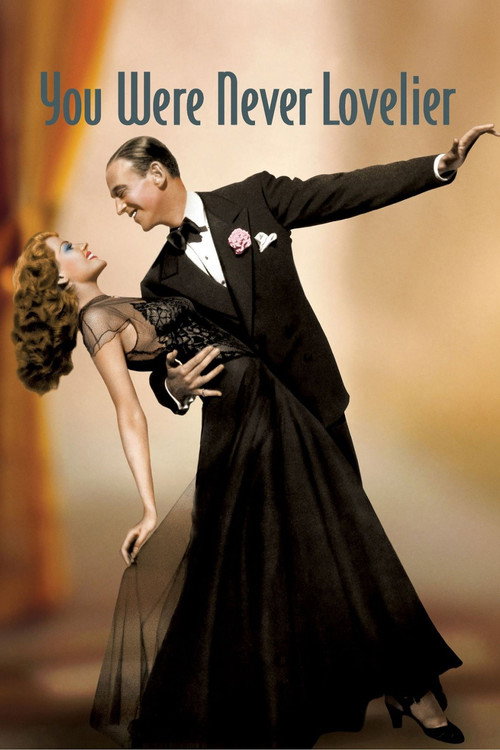
You Were Never Lovelier1942
Rita Hayworth and Fred Astaire in a Latin-inflected musical with real songs, real dancing, and genuine romantic tension. Lush Technicolor and a plot thin enough not to get in the way of what matters: watching them move.
But The story is fluff, and some of the Latin American representation reads as period-typical. If plot matters more than spectacle, skip it.
Not sure tonight? Get a pick in a minute, starting from Hi, Beautiful
The wildcard
Something you would not have found on your own.
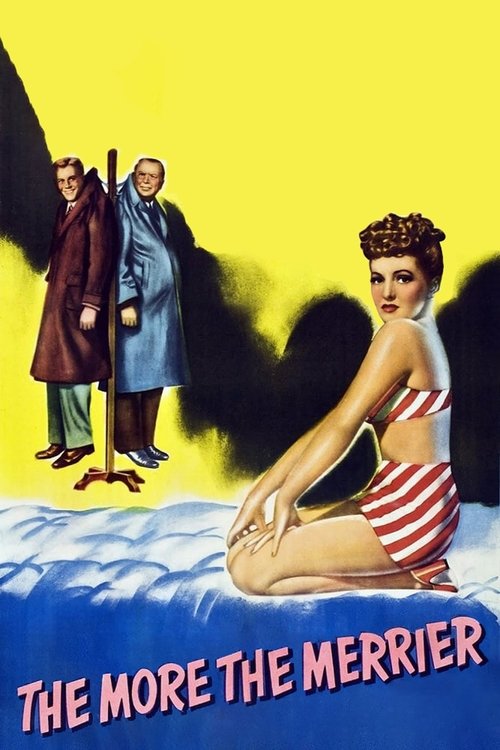
The More the Merrier1943
Both use the practical urgency of wartime and the chaos of forced cohabitation to generate both comedy and affection. Same social pressure, vastly different execution.
A wartime romantic comedy about housing shortage and cohabitation—the same premise engine as Hi, Beautiful but executed with far greater sophistication. Joel McCrea, Jean Arthur, and Charles Coburn in perfect harmony. Genuinely funny, genuinely romantic, genuinely smart.
But It's a Columbia picture, not Universal, and feels like a step up in craft and intelligence. If you love Hi, Beautiful for its cheerful mediocrity rather than its DNA, this might feel overeager.
More like this (8)
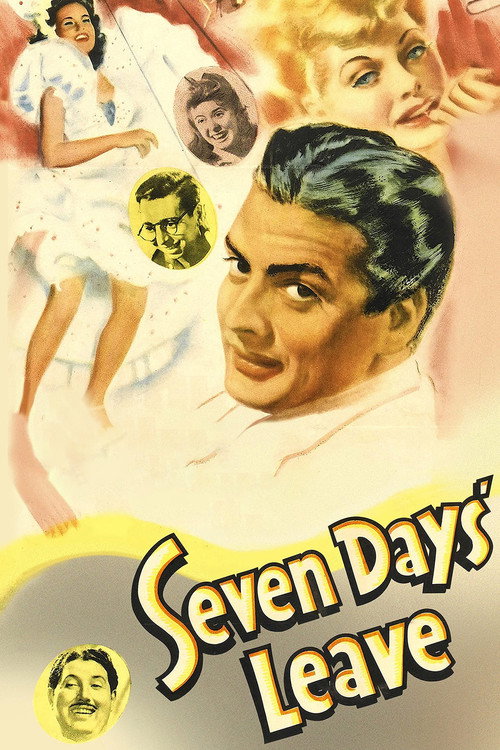
Seven Days' Leave1942
Another O'Driscoll wartime musical with similar energy but sharper comic supporting players. Victor Mature and O'Driscoll have natural ease together, and the songs are genuinely catchy without feeling like interruptions.
But It's even slighter than Hi, Beautiful. The charm is the whole thing, and if you're not in the mood for pure charm, you'll feel the thinness.
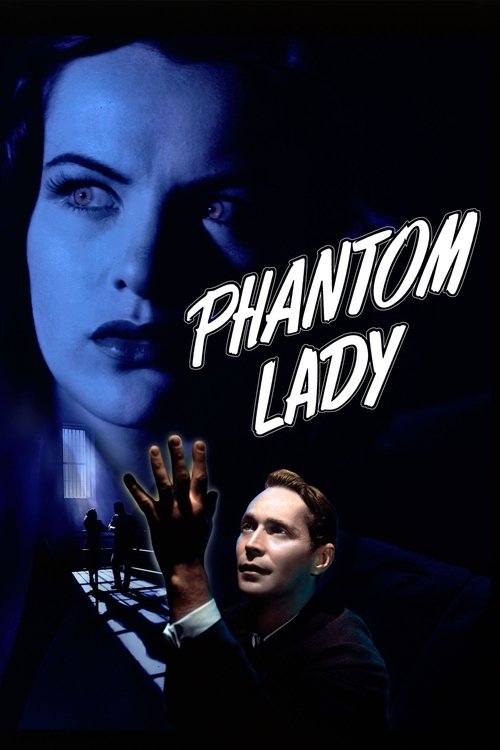
Phantom Lady1944
Also 1944, also Universal, but a wild tonal shift: noir thriller with Ella Raines and Alan Curtis. Proves the studio could do menace and urgency just as fluently as it did pastel romance. Genuinely gripping.
But It's a thriller first, so if you're watching for levity, the darker register might feel like tonal whiplash.
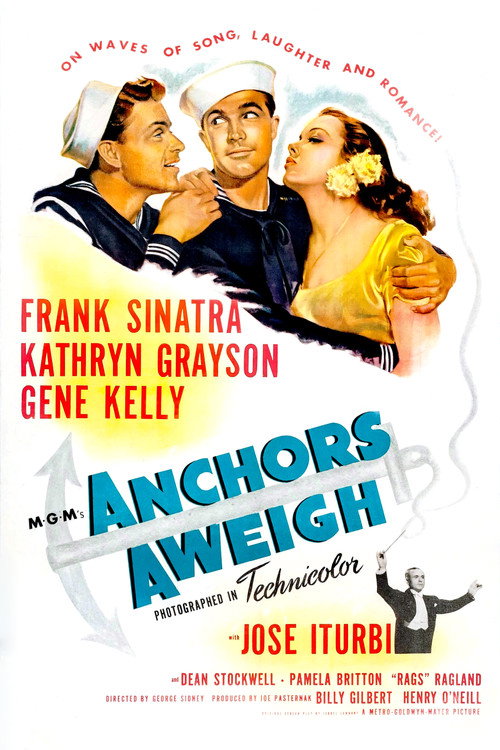
Anchors Aweigh1945
Gene Kelly and Frank Sinatra as sailors on leave. Enormous production values, Kelly's dancing is transcendent, and it captures that specific wartime energy of temporary freedom and consequence-free joy.
But It's nearly two and a half hours, which tests patience. The plot is genuinely thin, and some of the sexual politics haven't aged gracefully.
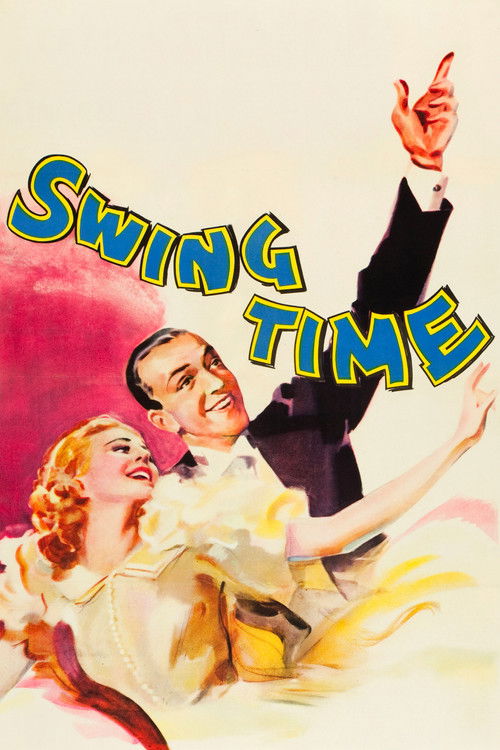
Swing Time1936
Fred Astaire and Ginger Rogers at their most playful. The dancing is conversational rather than showy, the music is superb, and they seem genuinely delighted to be in the same frame.
But The story is largely irrelevant, which either liberates you or bores you. If you're watching for narrative, you're watching the wrong film.
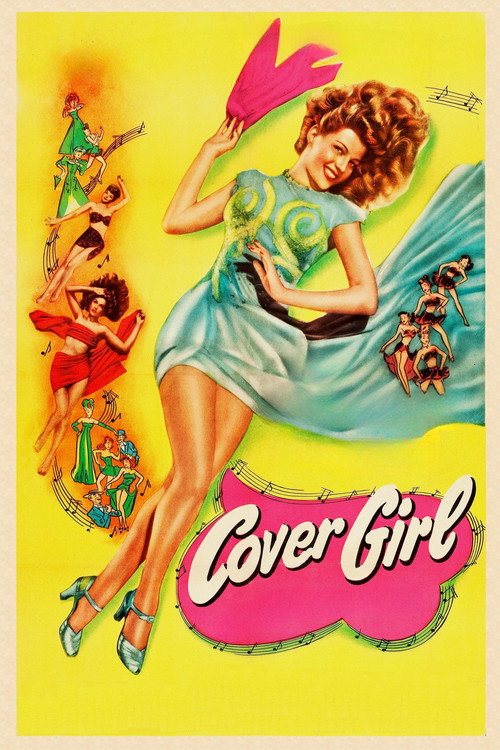
Cover Girl1944
Rita Hayworth again, but with Gene Kelly, and the dancing-in-New-York sequences are visionary. Technicolor splendor, and it captures the particular mythology Hollywood was selling about dreams and ambition in wartime.
But The plot is corny and the romantic resolution is predictable. The spectacle matters far more than the story.
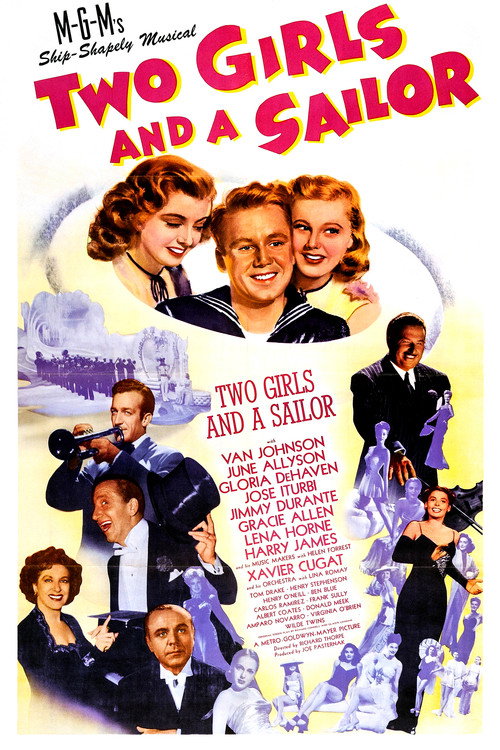
Two Girls and a Sailor1944
Van Johnson in full charm mode, with June Allyson and Gloria DeHaven. Simpler than most MGM musicals of the era, which means it moves with genuine lightness. Songs are solid and the energy is infectious.
But It's generic even by Forties standards. No edge, no surprise, just pleasant competence. Sometimes that's enough; sometimes it isn't.
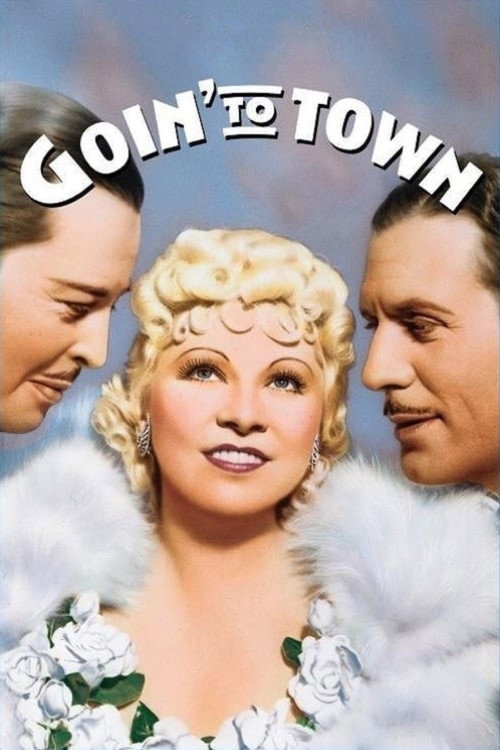
Goin' to Town1935
Both are low-budget Thirties/Forties comedies where the female lead schemes her way to love and money. But where Hi, Beautiful is sweet, West is acidic—same game, opposite register.
Mae West in full command of herself: sharp, sexual, and hilarious. She plays a con woman who infiltrates high society. Every line is a masterstroke, and she bends the film around her will with absolute confidence. Entirely different energy from Hi, Beautiful, but same era, same B-movie ingenuity.
But Mae West is an acquired taste. Her delivery is monotone, her timing is architectural, and if you need conventional dramatic rhythm, she'll seem mannered and slow.
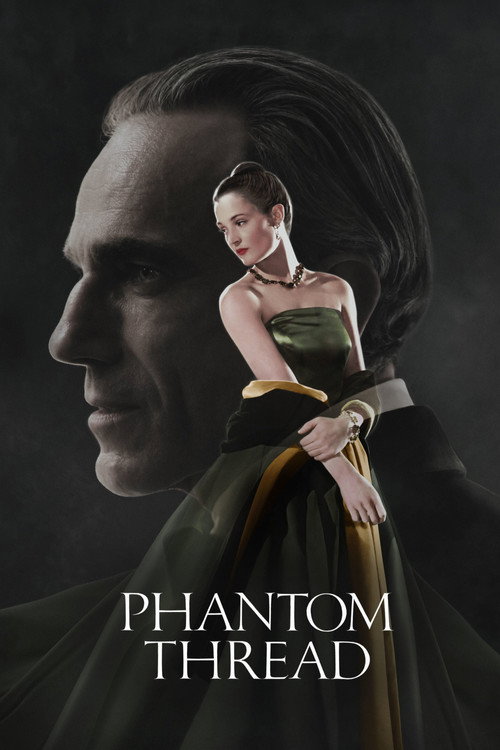
Phantom Thread2017
Both center on two people learning to live together and discovering that domestic friction can become intimacy. Hi, Beautiful solves it with music and laughs; Phantom Thread solves it through quiet psychological pressure. Same question asked in completely different registers.
Paul Thomas Anderson's film about a dressmaker and the woman who disrupts and steadies his life. Romantic, unsettling, gorgeous. It's about the same emotional terrain as Hi, Beautiful—two people negotiating cohabitation and affection—but rendered as psychological chamber piece rather than musical farce.
But It's slow, deliberate, and frequently tense. If you're watching for lightness and quick laughs, this will feel like watching someone's relationship negotiation through a microscope. Very serious.
People
Cast
 Martha O'DriscollPatty Callahan
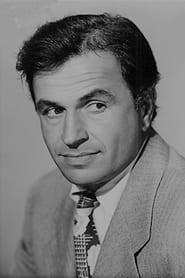 Noah Beery Jr.Jeff Peters
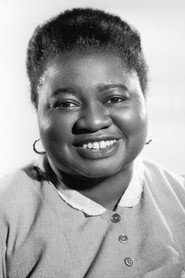 Hattie McDanielMillie
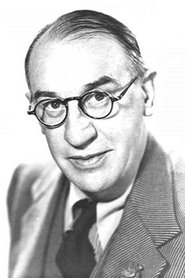 Walter CatlettGerald Bisbee
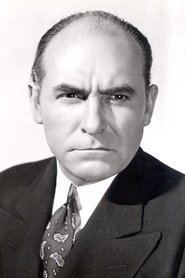 Tim RyanBabcock
 Florence LakeMrs. Bisbee
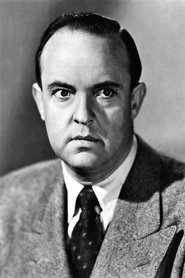 Grady SuttonAttendant
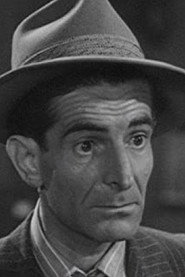 Lou LubinLouis, Husband
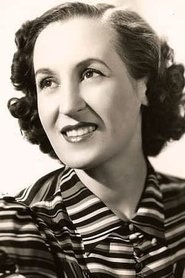 Virginia SaleWife
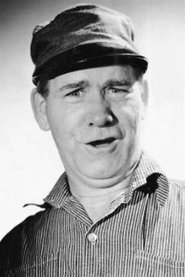 Tom DuganBus Driver
 Dick ElliottPassenger
 Jimmie DoddSoldier
Directing
- Leslie GoodwinsDirector
Writing
- Eleanore GriffinStory
- William RankinStory
- Dick Irving HylandWriter