
Film
Goin' to Town
- Comedy
- Light-hearted
Mae West at her peak: a self-made woman clawing upward through 1930s high society with wisecracks, wiles, and absolutely zero apologies. She's the punchline and the joke-teller both. Seventy-one minutes of pure star power, designed entirely around Mae being Mae. It's frivolous and knowing and built for anyone who loves a performer who knows exactly what they're doing.
If you liked this
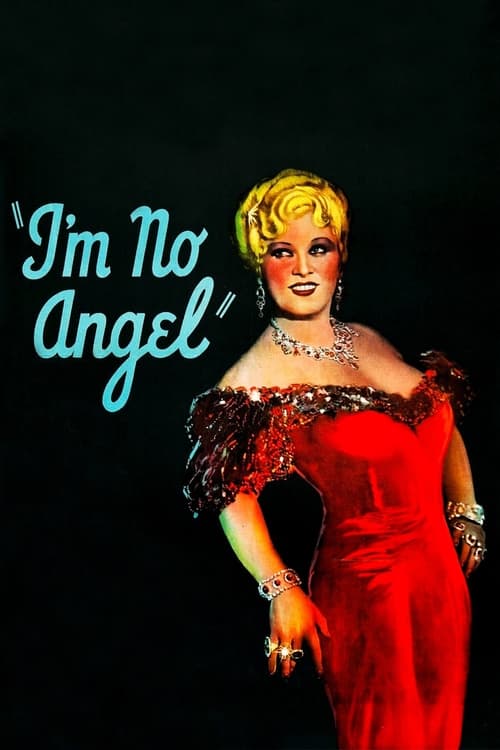
I'm No Angel1933
The platonic ideal of Mae West: she's a circus performer-turned-jewel thief playing her own trial, delivering one-liners that still sting. Pure vaudeville logic transplanted into a courtroom. Absolutely irresistible.
But The pacing is glacial by modern standards—long static shots while Mae delivers monologues. Some of the racial attitudes are ugly even for 1933.
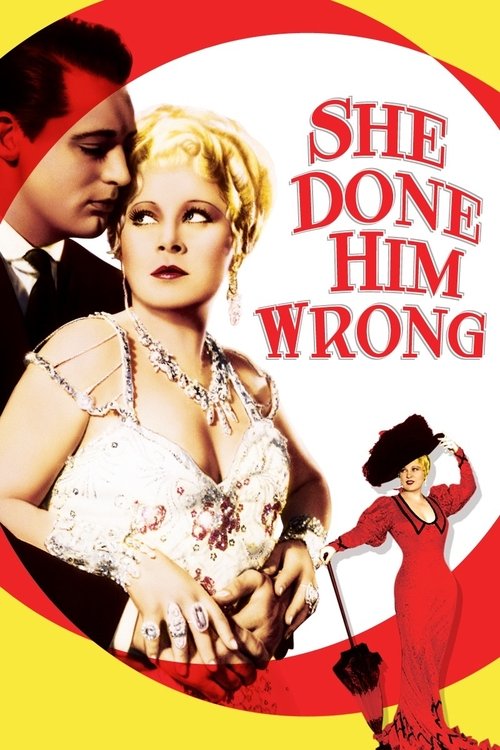
She Done Him Wrong1933
Her breakthrough, where Cary Grant plays the straight man to Mae's absolute chaos. She's a saloon queen with a heart, a mouth, and zero fear. Nine minutes of screen time that made her a star and basically invented the double entendre for cinema.
But It's a musical melodrama at heart, so the plot lurches between comedy and earnestness. The music numbers feel grafted on.
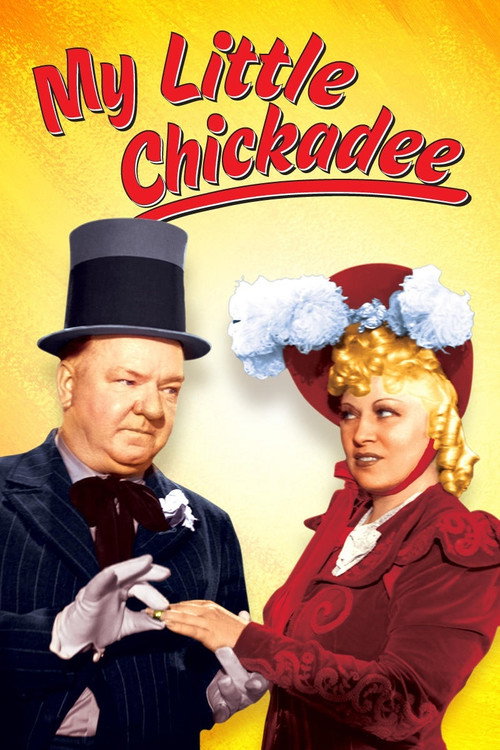
My Little Chickadee1940
W.C. Fields and Mae West in the same frame, each trying to out-con the other. It's two comedians of completely different styles circling each other like sharks. Bizarre and endlessly inventive.
But The sexual politics are uncomfortable, and the film is oddly scattered—great moments don't always connect into a coherent story.
Not sure tonight? Get a pick in a minute, starting from Goin' to Town
The wildcard
Something you would not have found on your own.
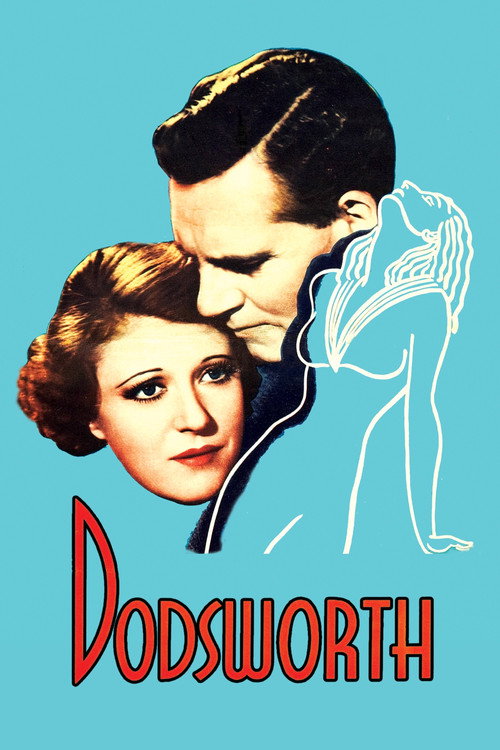
Dodsworth1936
Both films use wealth and class mobility as their engine. But while Mae's Cleo laughs her way up the social ladder without changing who she is, Dodsworth asks what you lose by climbing it at all. The inverse of each other's moral arithmetic.
Walter Huston as a retired auto magnate on a grand European tour with his restless wife (Ruth Chatterton). It's a mature, melancholic exploration of marriage, class, and what happens when ambition and contentment collide. Deeply serious where Mae is frivolous, but asking the same question: who gets to define what a woman's life is worth?
But It's a slow, character-driven drama with no comic relief. If you want entertainment, not meditation, it will feel like homework.
More like this (8)
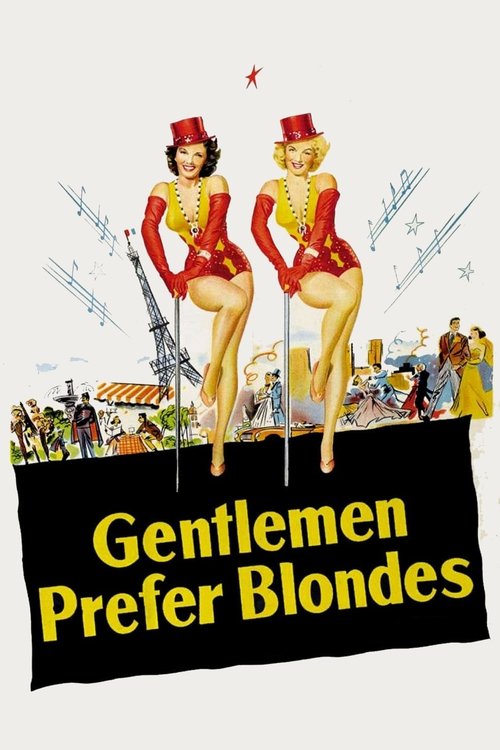
Gentlemen Prefer Blondes1953
Carol Channing originated the role on stage, bringing the same energy Mae pioneered: the woman who knows her power and uses it cheerfully. A musical that understands camp and performance in its bones.
But It's sweeter and safer than Mae's work—gentler, more concerned with romance than satire. If you want Mae's teeth, you might miss them here.
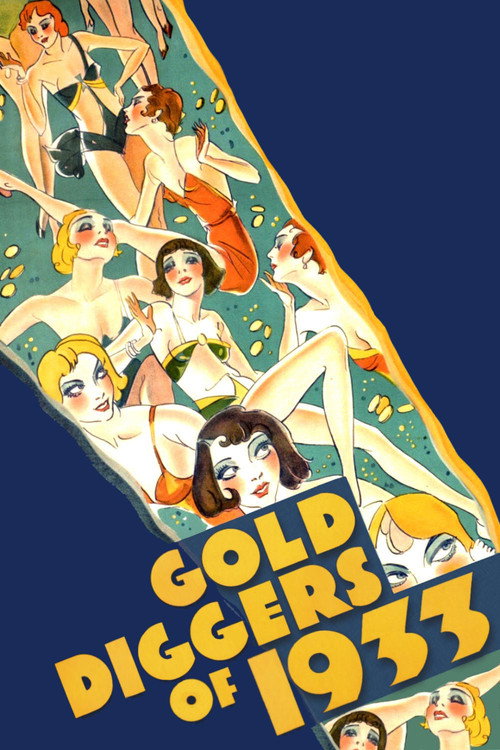
Gold Diggers of 19331933
The definitive pre-code musical: Depression-era dancers using every ounce of charm and scheme to survive. Busby Berkeley's geometry, women who talk back, musical numbers that justify themselves. Joyful and cynical at once.
But No single star carries it, so if you want a Mae West figure at the center, you won't find her. The pacing is episodic.
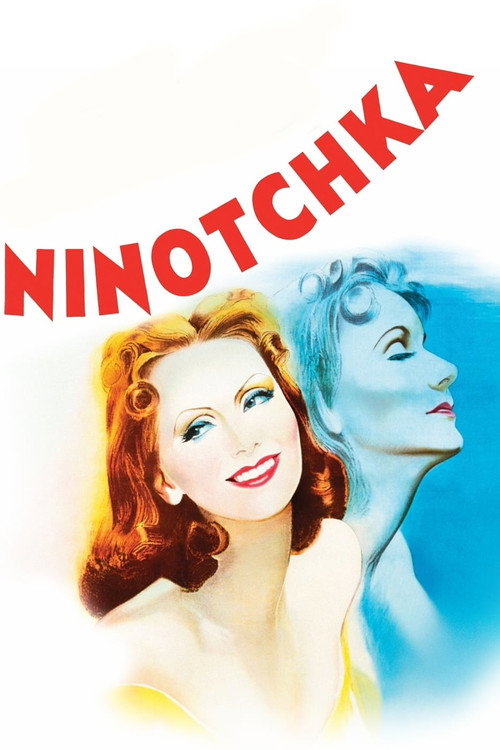
Ninotchka1939
Greta Garbo as a Soviet emissary undone by Paris and love, delivering rapier wit with devastating understatement. Like Mae West operating in an entirely different register—seduction through intelligence instead of sass.
But It's a romantic comedy, so the plot tends toward softness. Garbo's dry style can feel cold if you're expecting warmth.
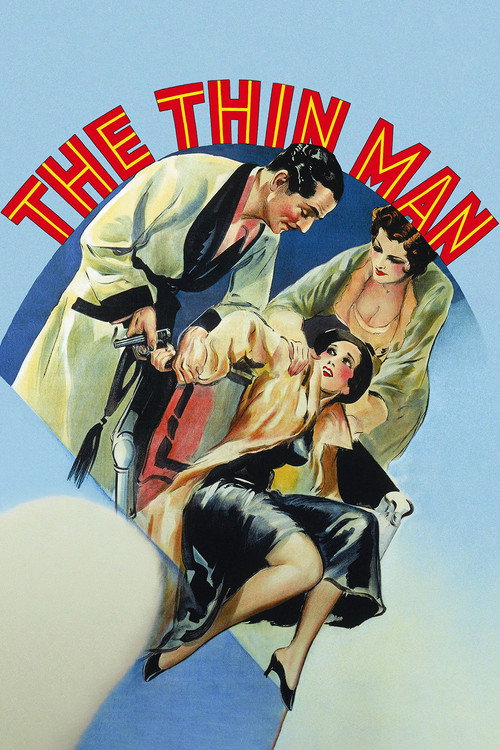
The Thin Man1934
William Powell and Myrna Loy as a married couple who solve murders while drinking and trading barbs. Crackling dialogue, a woman who's equal to her husband intellectually, and a murder mystery that actually functions. Endlessly quotable.
But The mystery is secondary to the banter—if you want a tight plot, you'll find it slack. Some of the humor hasn't aged well.
It Happened One Night1934
Claudette Colbert as a runaway heiress and Clark Gable as a working-class reporter. Fast, scrappy, unpretentious, and genuinely romantic. The template for every road-movie screwball comedy that came after.
But The gender dynamics are dated in specific ways—she needs to be tamed, he knows best. If that grates, it grates throughout.

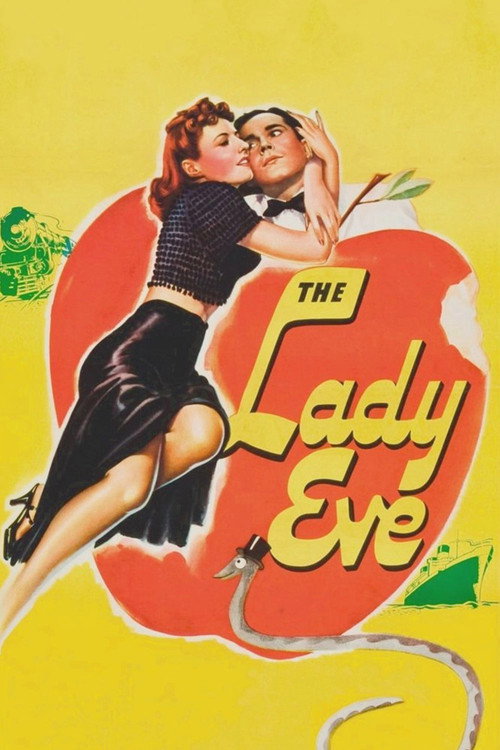
The Lady Eve1941
Barbara Stanwyck as a con artist playing a con on an heiress-obsessed heir. Preston Sturges directing at full velocity. Fast, smart, sexual without saying the word, and Stanwyck delivering each line like a knife.
But The plot doubles back on itself deliberately, which some find clever and others find exhausting. The pacing assumes you're keeping up.
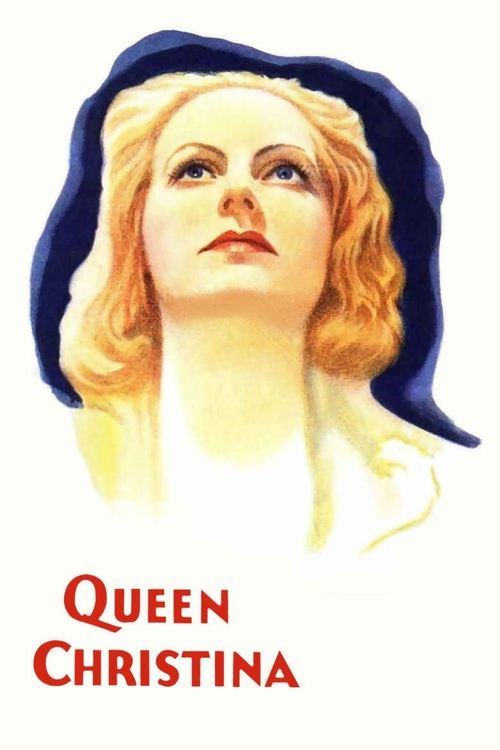
Queen Christina1934
Mae West's Cleo climbs the social ladder by learning to play the game; Garbo's Christina abandons the game entirely. Both refuse the roles written for them, but one hijacks the system and one burns it down. A conversation across decades.
Greta Garbo as the 17th-century Swedish queen who chooses love and exile over power. It's a historical epic that's actually about a woman's refusal to perform femininity the way the world demands. Garbo moving through courts and battlefields with absolute certainty, wearing men's clothes, answering to no one.
But The historical accuracy is extremely loose, and the film is interested in myth over fact. The second half softens into romance in ways the first half refuses.
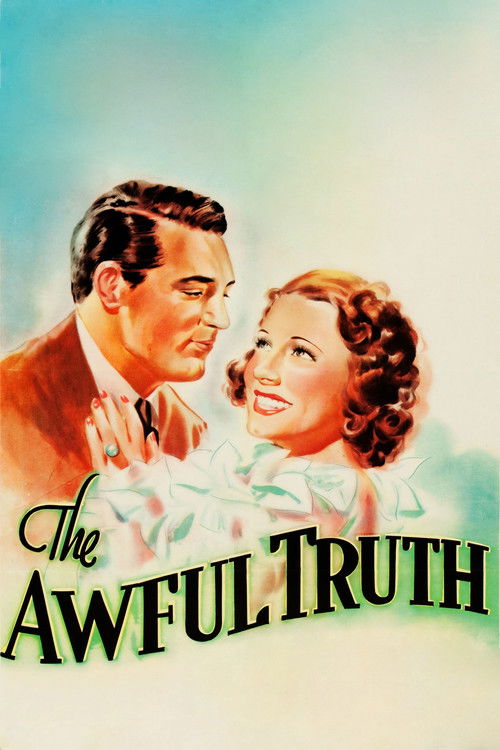
The Awful Truth1937
Both films are about performance and self-invention in the pursuit of love or status, but where Goin' to Town plays it as a con, The Awful Truth discovers that the performance reveals the truth. Mae knows exactly who she is; Irene Dunne discovers it.
Irene Dunne and Cary Grant as a divorcing couple who sabotage each other's new relationships while falling back in love. Leo McCarey directing at his most inventive—slapstick, improvisation, visible joy in the performers' faces. It's physical and witty and absolutely alive.
But The humor is broad in places, more vaudeville than wit. The plot machinations of the third act can feel forced.
People
Cast
 Mae WestCleo Borden
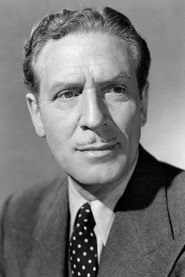 Paul CavanaghEdward Carrington
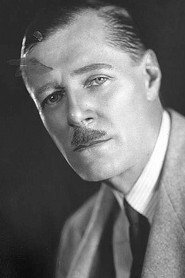 Gilbert EmeryWinslow
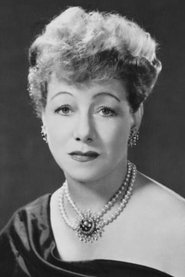 Marjorie GatesonMrs. Crane Brittony
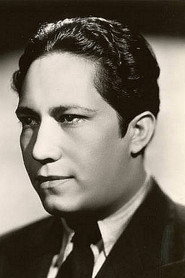 Tito CoralTaho
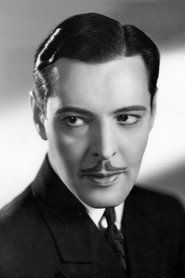 Ivan LebedeffIvan Valadov
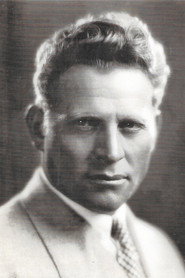 Fred KohlerBuck Gonzales
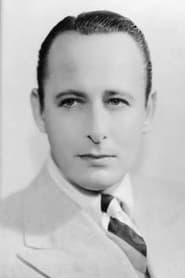 Monroe OwsleyFletcher Colton
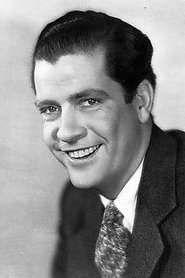 Grant WithersYoung Stud
- Lucio VillegasSeñor Ricardo Lopez
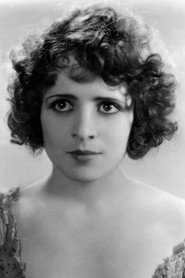 Mona RicoDolores Lopez
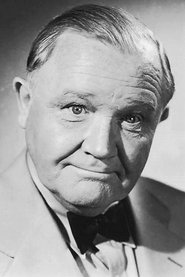 Wade BotelerRanch foreman
Directing
- Alexander HallDirector
Writing
- Irving KahalLyricist
- Mae WestScreenplay
- George B. DowellStory
- Marion MorganStory
Production
- William LeBaronProducer