
Film
I'm No Angel
- Comedy
- Light-hearted
Mae West as a circus performer turned gold digger, all wisecracks and unshakeable confidence. A pre-Code explosion of sex appeal and comedic nerve, shot through with Depression-era hustle and survival instinct. For anyone who loves wit deployed as a weapon and a woman who refuses to apologize for wanting things.
If you liked this
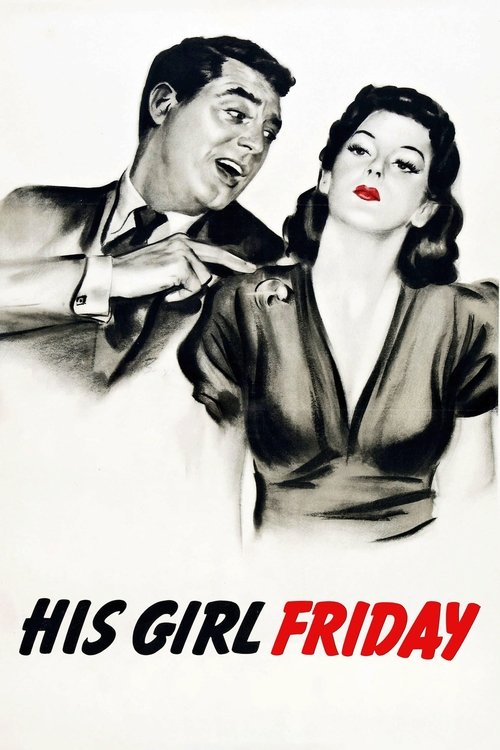
His Girl Friday1940
Screwball dialogue at machine-gun pace, a woman who outthinks every man in the room, and the same Depression-era energy. Rosalind Russell fires off zingers while navigating men and ambition with surgical precision.
But The premise—a woman choosing her job over marriage—resolves in a way that undercuts its own nerve. Some modern viewers find the ending frustratingly conventional.
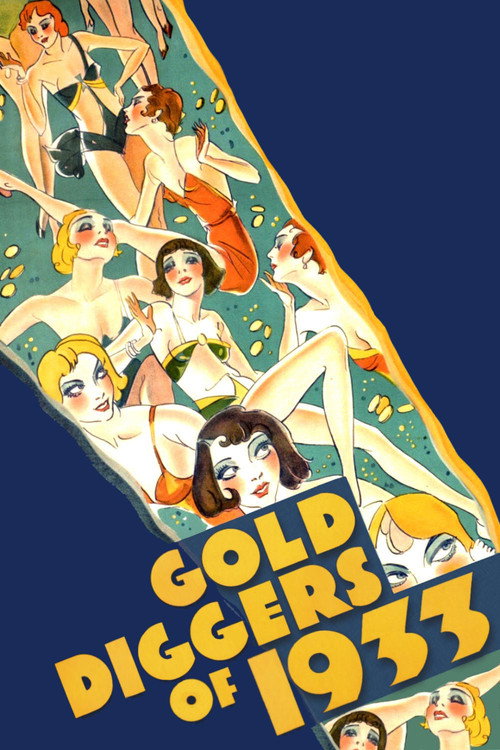
Gold Diggers of 19331933
Released the same year, same DNA: Depression-set, women scheming for survival and pleasure, Busby Berkeley spectacle, and a refusal to moralize about wanting money. Ginger Rogers in full con-artist mode.
But The musical numbers, however gorgeous, interrupt the plot's momentum. And the final act pivots toward earnestness in ways some find saccharine.
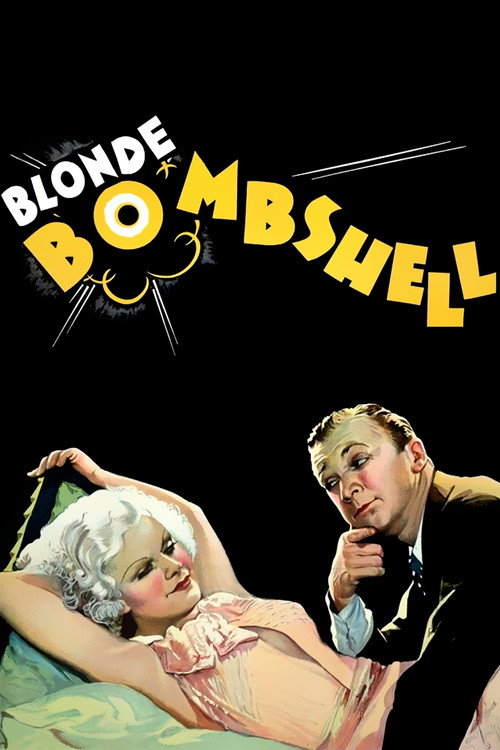
Bombshell1933
Jean Harlow as a movie star weaponizing her sexuality and charm to get what she wants. Faster pacing, sharper writing, and a woman who refuses to be tamed by Hollywood or any man.
But It's a Hollywood satire that sometimes gets tangled in its own jokes. The ending feels hurried and compromised by the studio system it's critiquing.
Not sure tonight? Get a pick in a minute, starting from I'm No Angel
The wildcard
Something you would not have found on your own.
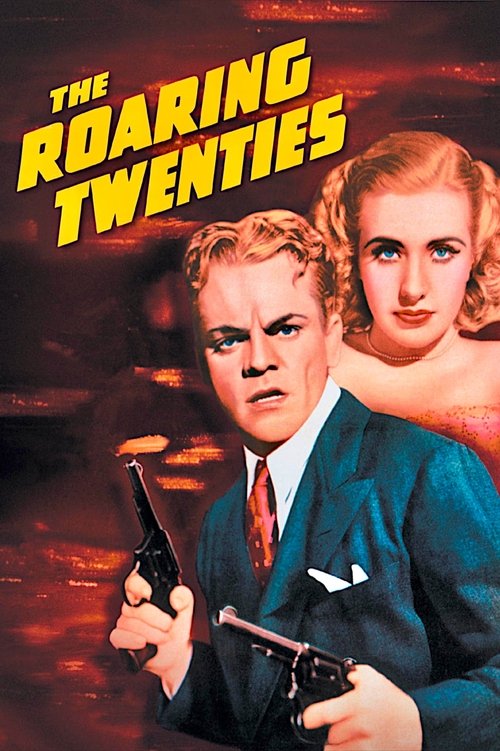
The Roaring Twenties1939
Both explore how Depression poverty and appetite—for luxury, for security, for power—override conventional morality. Both ask what a woman will do to survive and get ahead.
James Cagney, Humphrey Bogart, and Priscilla Lane—a Depression retrospective disguised as a gangster film. Shares West's fascination with survival, money, sex, and how Depression economics reshape morality and ambition. The women here are complicated, hungry, and not punished for wanting.
But It's a crime drama, so the tone shifts from comedy to tragedy. By the end, it's investigating corruption and violence, not celebrating con artistry. Some find the shift manipulative.
More like this (8)
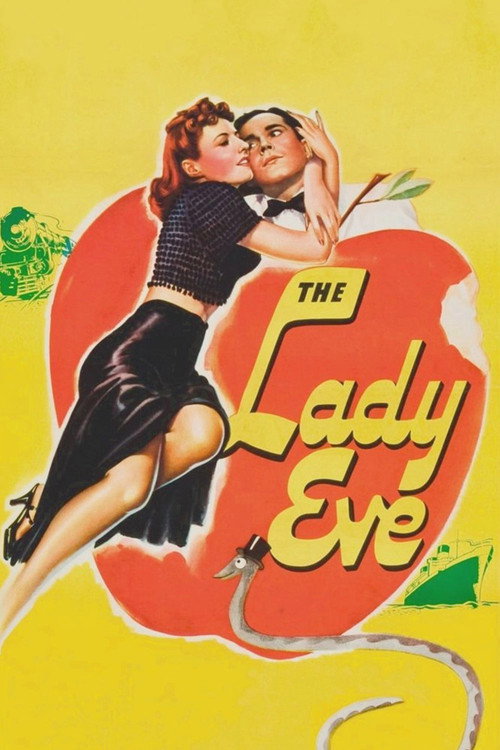
The Lady Eve1941
Barbara Stanwyck con-artist with the same combination of wit, sexuality, and survival instinct. Faster plot, higher sophistication, Preston Sturges at his peak. Every frame sings.
But If you're watching for plot logic, don't—it's a Sturges maze. Some find the heroine's manipulation distasteful, even when it's thrilling.
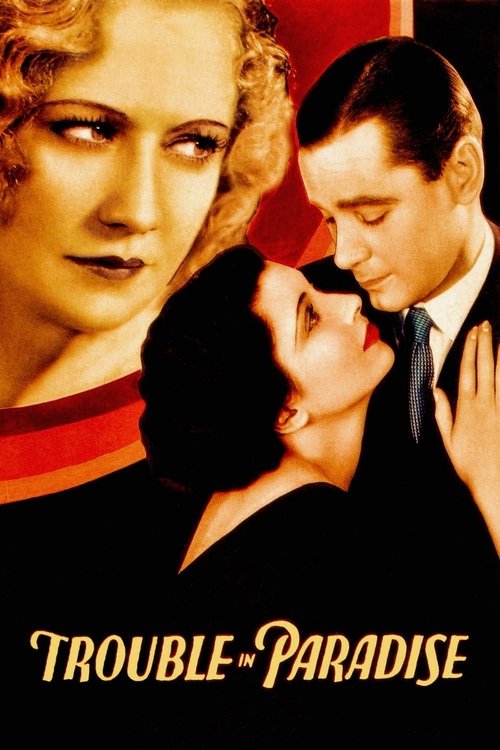
Trouble in Paradise1932
Two con artists, one wealthy victim, and Ernst Lubitsch directing. The sexual innuendo is coded but unmistakable; the wit is Swiss-watch precise. Pre-Code cinema at its most elegant.
But It's slower and more mannered than West's style. The tone is sophistication rather than sass, which can feel aloof.
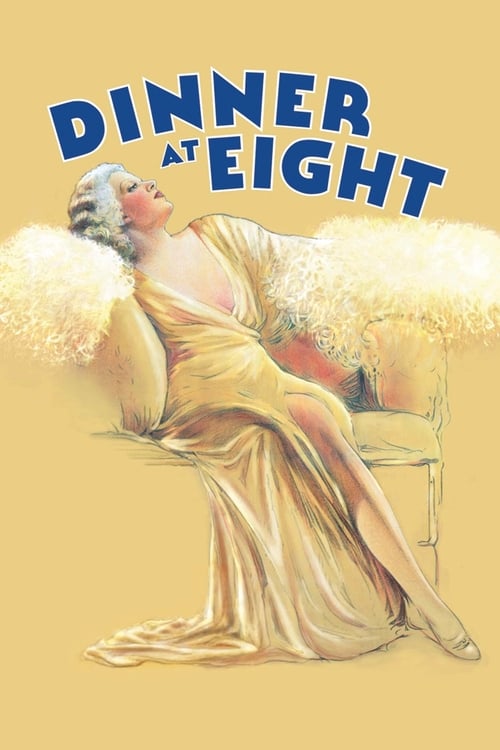
Dinner at Eight1933
An ensemble cast (Harlow, John Barrymore, Marie Dressler) trading barbs at a dinner party. Same year, same pre-Code fearlessness, same refusal to respect authority or propriety.
But With so many characters, no one gets the screen time West owns entirely. It's clever but diffuse.
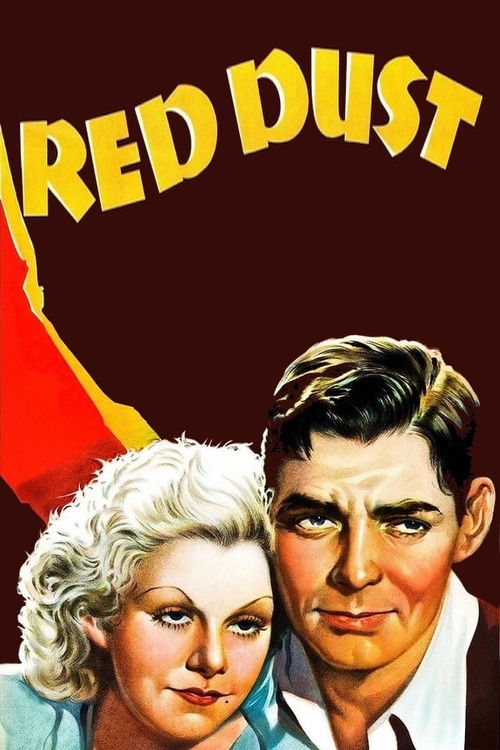
Red Dust1932
Jean Harlow and Clark Gable in a rubber plantation, sex-charged and funny. Woman using her wits and body to survive and thrive in a man's world. Same shameless energy.
But The plot is thin and the pacing sluggish by modern standards. Once the sexual tension resolves, it doesn't know what to do.
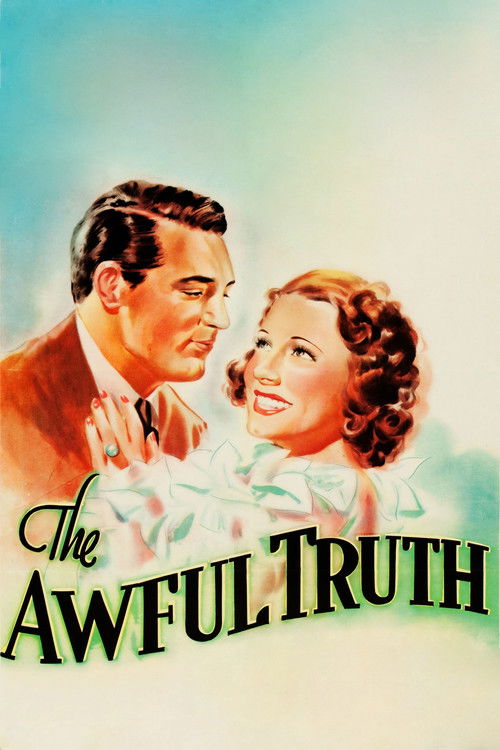
The Awful Truth1937
Cary Grant and Irene Dunne sparring through divorce proceedings with machine-gun timing. Comedy built on sexual chemistry and mutual refusal to lose. Screwball at its most confident.
But It's about a couple trying to reconcile; some find the dynamic of sabotaging new relationships uncomfortable or dated.
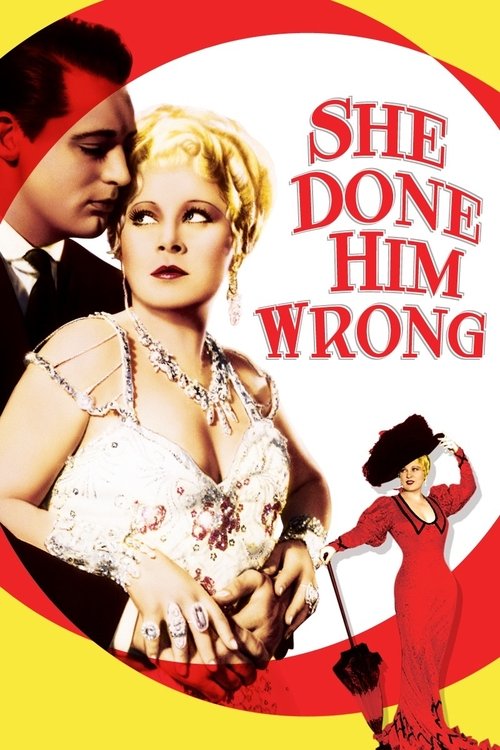
She Done Him Wrong1933
Mae West again, the year before this film. If you want more of her unfiltered presence, this is the source. Slightly more plot, same fearless comedy.
But It's a bit of a retread tonally. And Cary Grant here is more romantic lead than comic partner, which dilutes the fun.
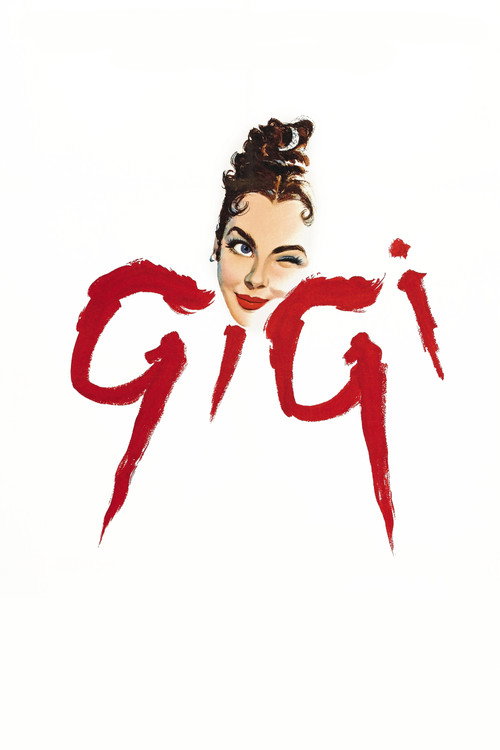
Gigi1958
Both center on a woman whose sexual power and wit are her primary assets. Both ask what happens when a woman uses those tools to secure her position. Gigi romanticizes it; West refuses to apologize for it.
A musical about a young woman trained to become a courtesan, learning to monetize youth and beauty. Two decades later, far glossier, but the same transaction at its heart: female charm as currency. Chevalier and Leslie Caron negotiate the same economy, just in Paris and in color.
But It's a musical, so half the movie is sung. The tone is wistful and romantic rather than cynical and funny. Some find the premise troubling when it's treated as charming.
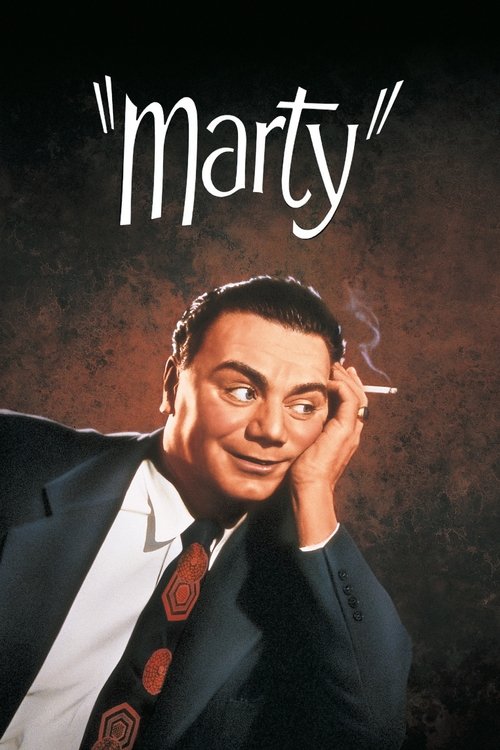
Marty1955
Both are unapologetic about human appetite and longing. Both refuse to punish their characters for wanting things. Both are smaller, less ornate films that trust the audience to care about people who aren't glamorous or tragic.
A small, unglamorous story about a butcher and a schoolteacher looking for connection. Made the same year TV was killing cinema. Shares West's Depression-era empathy for ordinary people, their hungers, and their refusal to settle for less. No spectacle, just human want.
But It's tender and melancholic where West is brash and comic. It's about the working class looking for love, not for money. The mood is completely different—some will find it slow.
People
Cast
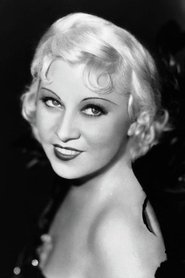 Mae WestTira
 Cary GrantJack Clayton
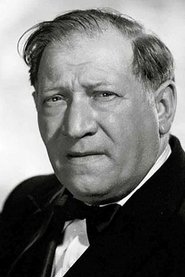 Gregory RatoffBenny Pinkowitz
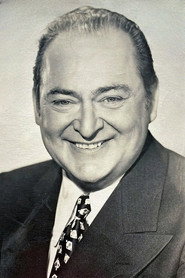 Edward ArnoldBig Bill Barton
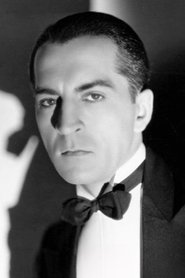 Ralf HaroldeSlick Wiley
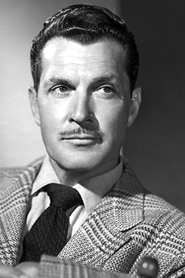 Kent TaylorKirk Lawrence
 Gertrude MichaelAlicia Hatton
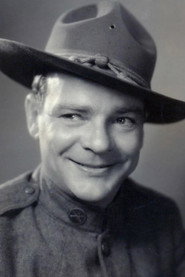 Russell Hopton'Flea' Madigan
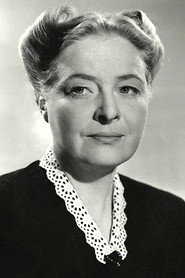 Dorothy PetersonThelma
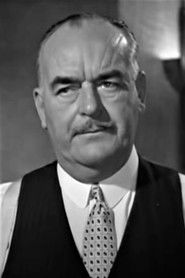 William B. DavidsonErnest Brown
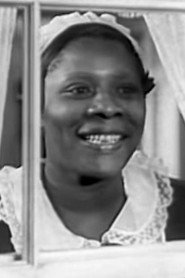 Gertrude HowardBeulah Thorndyke
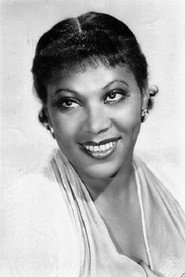 Libby TaylorTira's Maid
Directing
- Harlan ThompsonContinuity
- Wesley RugglesDirector
Writing
- Mae WestDialogue
- Ben EllisonLyricist
- Gladys DuBoisLyricist
- Lowell BrentanoOther
- Mae WestScreenplay
- Mae WestStory
Production
- Fred A. DatigCasting
- William LeBaronProducer
Recommended by
She Done Him Wrong, The Big Broadcast, Goin' to Town, A Free Soul, Klondike Annie, Hold Your Man