
Film
A Free Soul
A 1931 melodrama about competing claims on a woman's freedom: her dissolute father, a respectable suitor, and a charming gangster. Norma Shearer commands the screen as a young woman caught between desire and duty. It's theatrical, tense, and deeply invested in what a woman owes the men who love her. A window into how Hollywood once thought about independence and consequence.
If you liked this
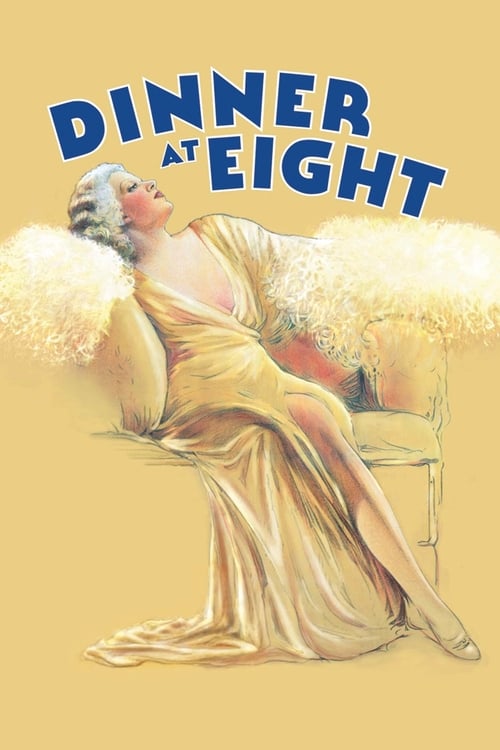
Dinner at Eight1933
Also features Clark Gable in a glittering ensemble cast navigating desire, debt, and status. Same era, same intelligence about who gets saved and who doesn't. Sharper ensemble work than A Free Soul, but the same emotional stakes.
But The plot mechanics are creaky and the pacing lurches. Some of the supporting performances verge on theatrical mugging.
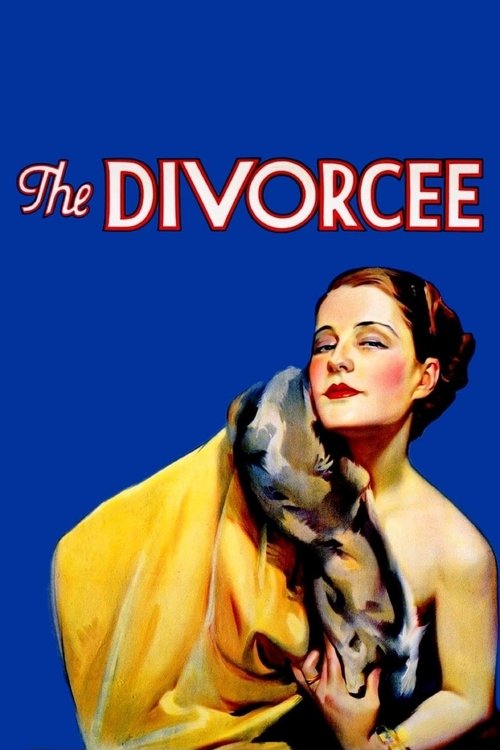
The Divorcee1930
Norma Shearer again, handling a woman's sexual agency with uncommon directness for 1930. It asks similar questions about female freedom and male control. Pre-Code Hollywood at its most daring.
But The resolution betrays its own argument. By the end it's making the case against the woman it spent two hours defending.
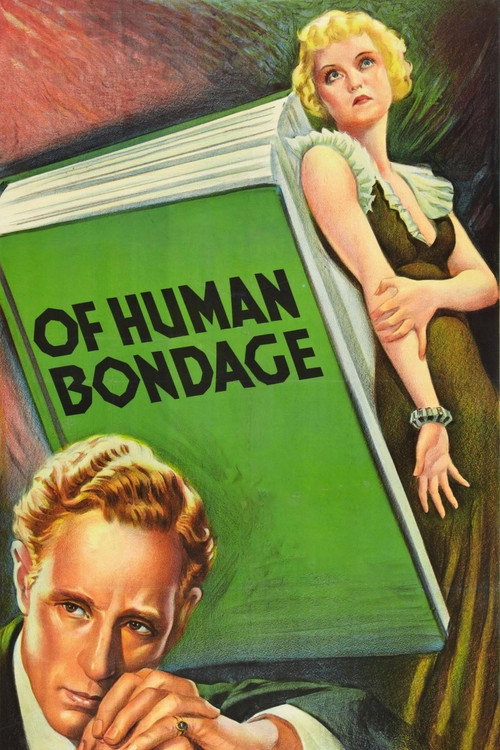
Of Human Bondage1934
A man destroyed by his need to possess a woman who doesn't want to be possessed. The inverse angle on A Free Soul's central triangle, with Bette Davis unforgettable as the woman who refuses to perform gratitude.
But It's relentlessly bleak. The film believes in the man's suffering more than most viewers will.
Not sure tonight? Get a pick in a minute, starting from A Free Soul
The wildcard
Something you would not have found on your own.
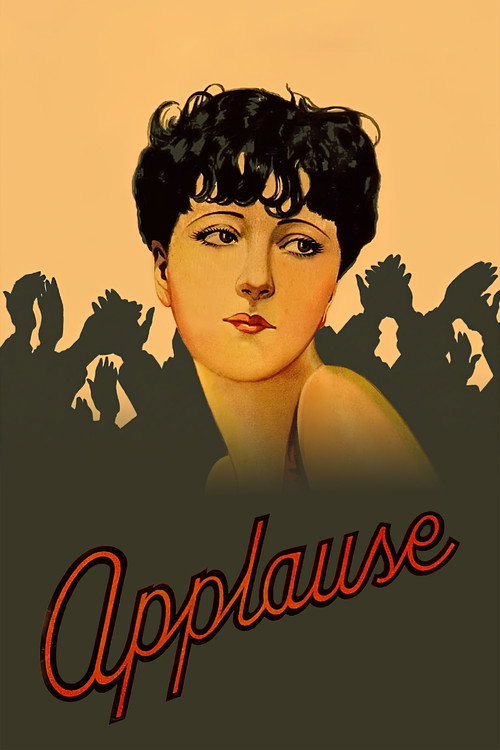
Applause1929
Both pit a young woman's sexuality and autonomy against the will of an older man who claims to protect her. Both question whether any woman actually gets to choose freely.
A mother who was a burlesque dancer tries to protect her daughter from the same life. It's earlier than A Free Soul, rougher and more visually alive, and Mamoulian finds something almost documentary about the cost of show business. The same argument about female autonomy, but told from the mother's side instead of the daughter's.
But It's a transitional sound film and it sounds like one—staticky and trapped by the technology. Some sequences feel trapped by the stage. It's worth it, but requires patience with the format.
More like this (8)
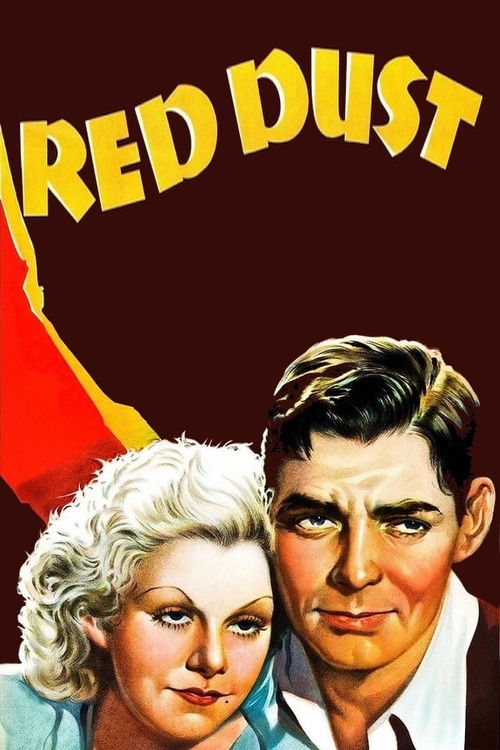
Red Dust1932
Clark Gable again, this time on a rubber plantation, caught between Jean Harlow's vitality and the wife waiting at home. Steamy by 1932 standards and genuinely funny about masculine performance and female desire.
But The plot is thin and the resolution arrives in a hurry. It knows what it's doing, but it's not trying to be profound.
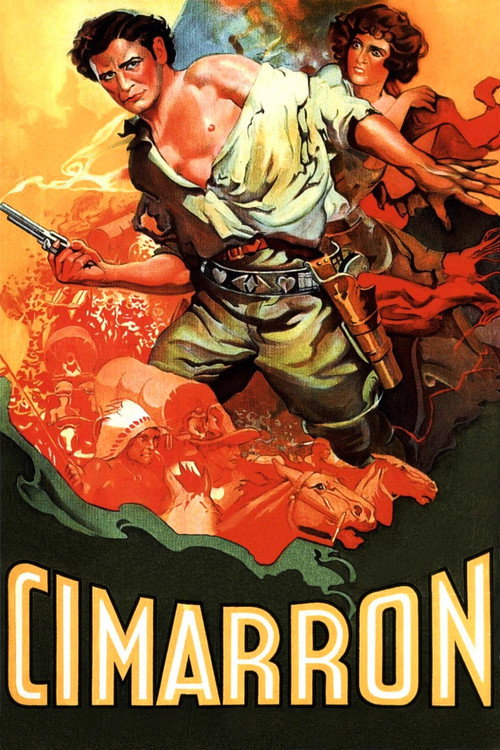
Cimarron1931
An ambitious epic about a woman whose dreams keep getting swallowed by her husband's ambition. It won the Best Picture Oscar and it's interested in the same questions about female agency and sacrifice that animate A Free Soul.
But It's a sprawling, ungainly film that mistakes scale for drama. The good intentions are clear; the execution is exhausting.
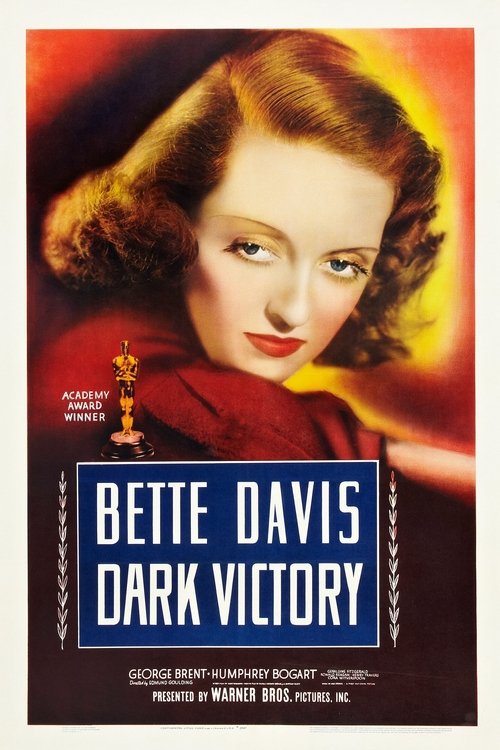
Dark Victory1939
Bette Davis again, playing a woman of wealth and will who discovers she's dying. It's melodrama but it trusts the audience to sit with genuine pain. A later film, but spiritually a descendant of A Free Soul's emotional extremism.
But The sentimentality in the final act will feel suffocating if you're not already committed to the premise.
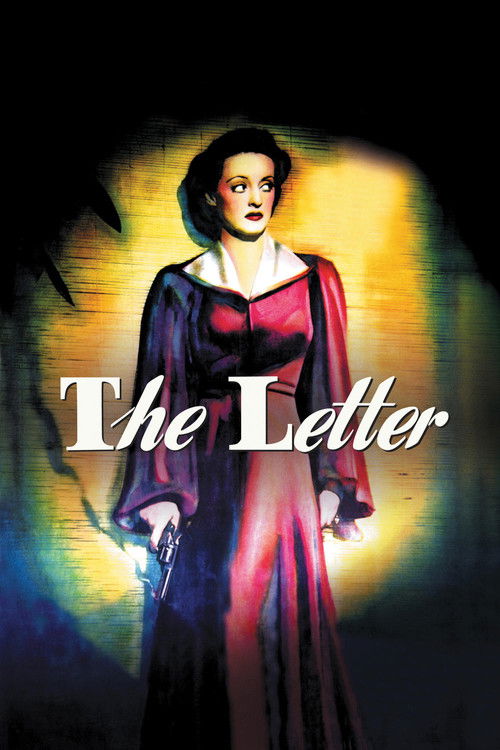
The Letter1940
Bette Davis in a different register: a woman who has committed a murder and must live with what she's done. Like A Free Soul, it's about the distance between who we appear to be and who we are.
But It's psychologically dark in ways that can feel airless. The moral universe is cramped.
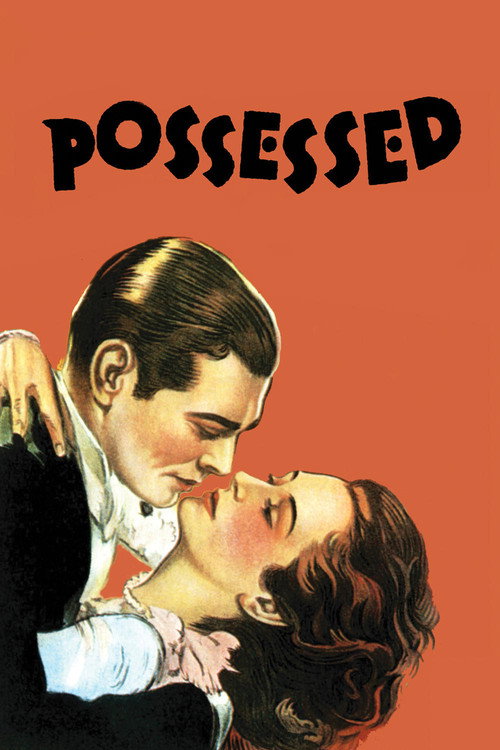
Possessed1931
Released the same year, with similar preoccupations about women, wealth, and weakness. Joan Crawford as a woman who loves a man she knows will destroy her. Raw emotional territory for early sound cinema.
But The melodrama slides into incoherence by the end. The plot asks more than the script can handle.
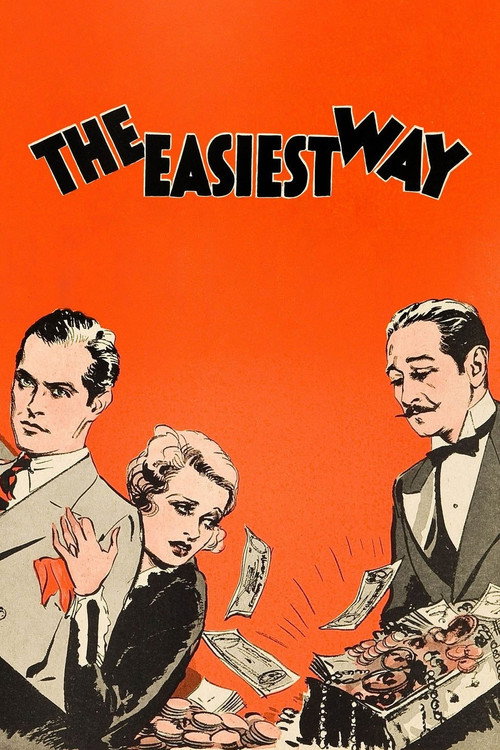
The Easiest Way1931
Another 1931 picture about a young woman's moral compromises and the men who expect her to save them. It's a curiosity, but a real one: three films from the same year, same questions, different answers.
But It's the weakest of these three, dramatically flabby and less interested in exploring its own ideas than in punishing its protagonist.
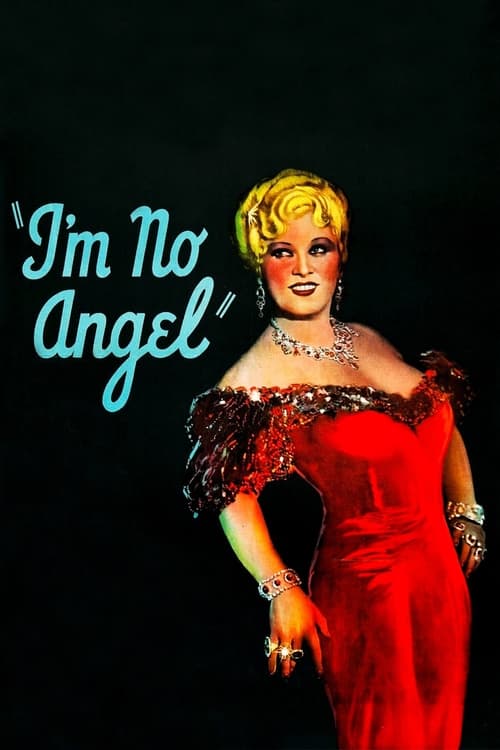
I'm No Angel1933
A Free Soul treats a woman's sexuality as dangerous and in need of control. Mae West treats it as a tool and source of power. Both films are obsessed with the same economy; they just disagree about who should profit from it.
Mae West as a carnival performer who manipulates every man around her, then gets to keep the money. It's a comedy, but it's answering the same question A Free Soul asks—about female power and desire—from the opposite direction. West treats masculine ego as a resource to extract value from. She wins.
But The comedy is broad and the plot is threadbare. If you don't find Mae West funny, the film collapses. Some of the sexual innuendo will feel painfully ancient.
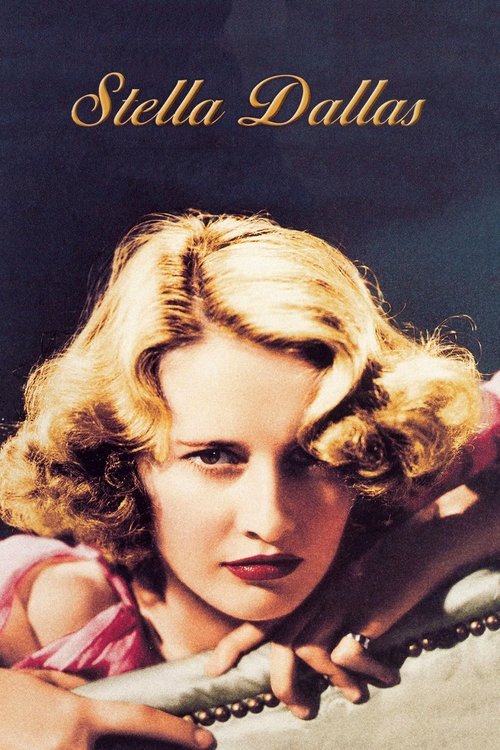
Stella Dallas1937
Both films are deeply invested in the question of what a woman owes to love—whether romantic, filial, or parental—and what it costs to prioritize her own freedom. Stella Dallas answers the question differently than A Free Soul does, and means it.
A woman of no particular refinement sacrifices her own happiness for her daughter's respectability. It's a maternal version of A Free Soul's central conflict: how much of yourself do you give up for the people who depend on you? Barbara Stanwyck is extraordinary in a role that could have been maudlin.
But The tear-jerking is relentless and the film is absolutely convinced you should cry. If melodrama makes you recoil, you won't survive the final scene.
People
Cast
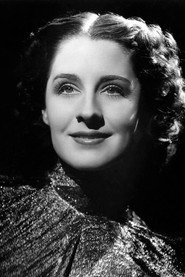 Norma ShearerJan Ashe
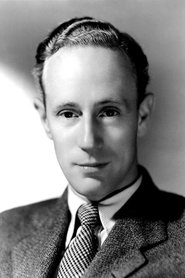 Leslie HowardDwight Winthrop
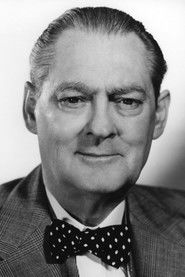 Lionel BarrymoreStephen Ashe
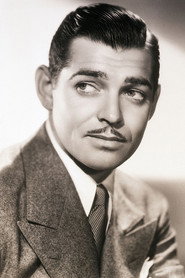 Clark GableAce Wilfong
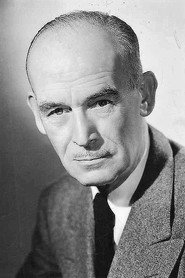 James GleasonEddie
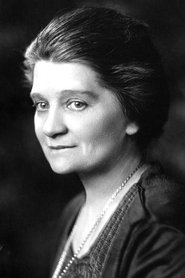 Lucy BeaumontGrandma Ashe
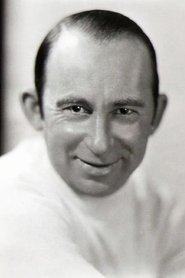 Roscoe AtesMan Shot at in Men's Room (uncredited)
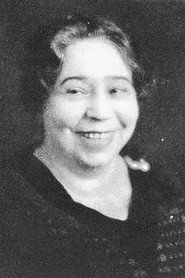 Ann BrodyHamburger Saleslady (uncredited)
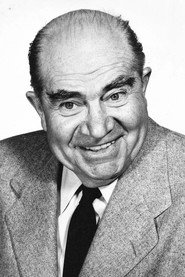 Edward BrophySlouch (uncredited)
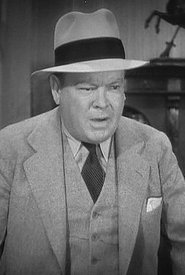 James DonlanReporter (uncredited)
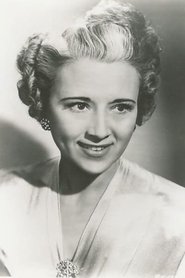 Bess FlowersBirthday Party Guest (uncredited)
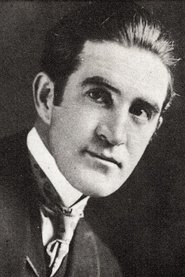 Francis FordSkid Row Drunk (uncredited)
Directing
- Clarence BrownDirector
Writing
- Becky GardinerAdaptation
- John MeehanDialogue
- Adela Rogers St. JohnsNovel
- Becky GardinerScreenplay
- Willard MackTheatre Play
Production
- Irving ThalbergProducer