
Film
Faithless
A 1932 pre-Code drama about wealth, infidelity, and emotional recklessness during the Depression. Tallulah Bankhead anchors a sophisticated story of a socialite and her married lover, where elegance masks cruelty and passion justifies nothing. It's languid, acidic, morally complicated—what cinema could be before the Production Code strangled it.
If you liked this
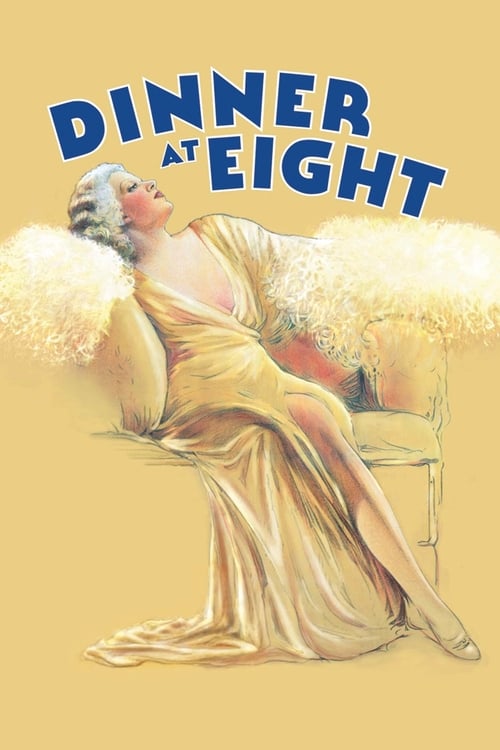
Dinner at Eight1933
The same era, the same moral flexibility, the same gorgeous decay. A Depression-era ensemble where wealth and desperation tangle, and no one emerges uncompromised. Cukor's direction finds the dark joke underneath the champagne.
But A sprawling cast juggling subplots can feel scattered. Some performances date heavily, and the pacing assumes patience with theatrical rhythm.
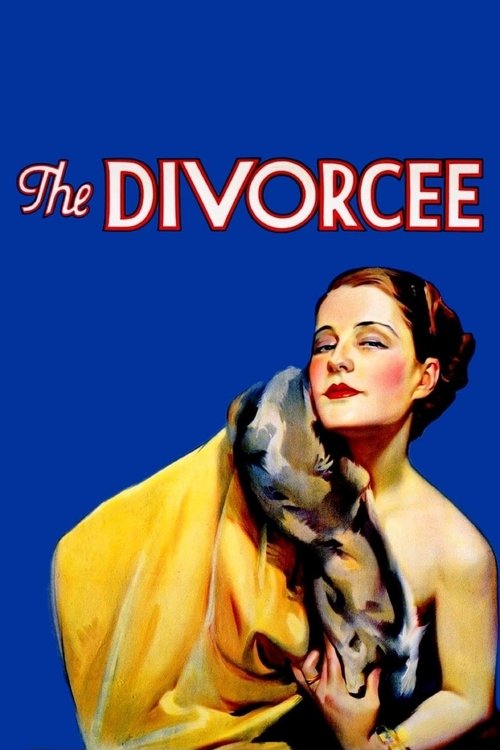
The Divorcee1930
Norma Shearer plays a woman who refuses shame after her husband's infidelity, making her own choices about desire and consequence. Pre-Code cinema at its most radical: a film that actually lets women want things.
But The moral arguments feel urgent in a way that can read as dated. Some scenes move with glacial slowness by modern standards.
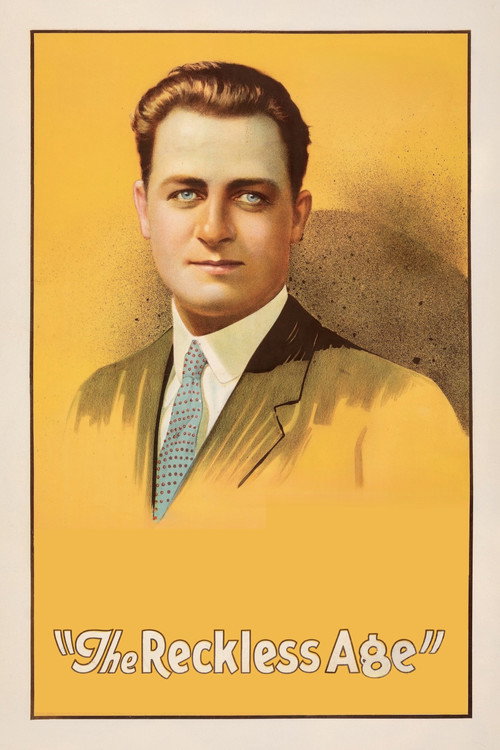
The Reckless Age1924
Tallulah Bankhead herself, young and already dangerous, in a story about a showgirl caught between want and survival. She's the thing to watch: magnetism that doesn't require dialogue to work.
But Silent film isn't for everyone. The plot is thin and the pacing assumes you're watching for performance, not narrative momentum.
Not sure tonight? Get a pick in a minute, starting from Faithless
The wildcard
Something you would not have found on your own.
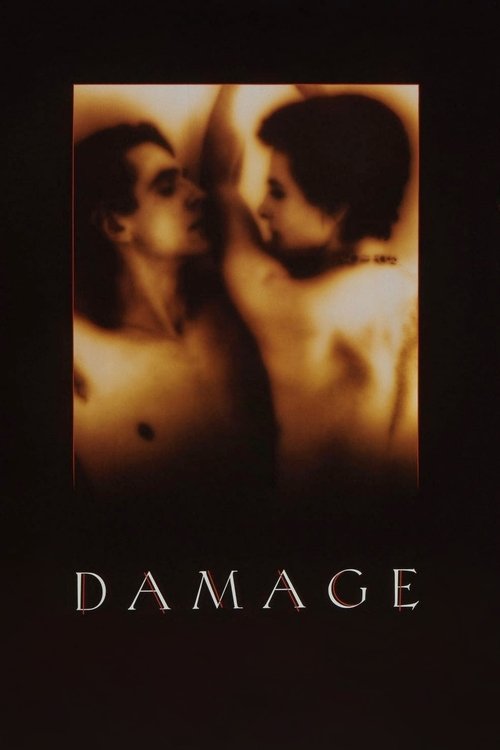
Damage1992
Both films refuse to punish desire morally—they just let consequence happen, indifferent and human.
A film about passion as destruction, with Jeremy Irons and Juliette Binoche. It has *Faithless*'s amorality—the characters don't learn, don't grow, just burn—but it's set in contemporary London with the intensity of a fever dream. Same psychological architecture, different era.
But It's bleak and slow and doesn't believe in redemption. If you need characters to deserve their fates, this will feel cruel rather than honest.
More like this (6)
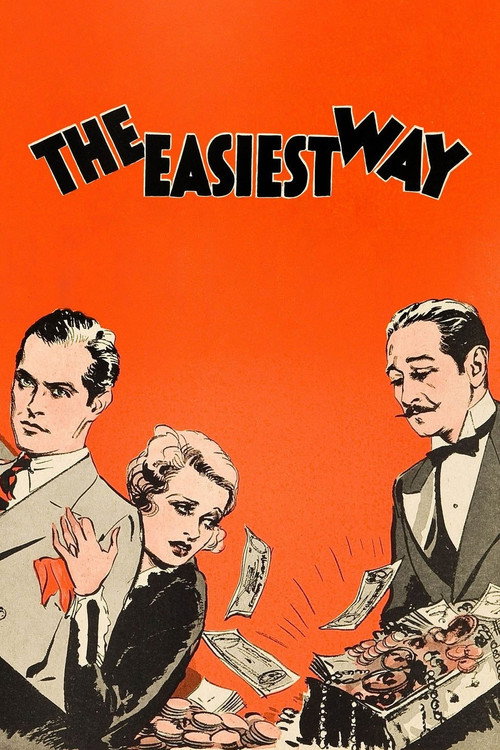
The Easiest Way1931
Constance Bennett chooses comfort over principle and pays for it. A tight, nasty little film about how women rationalize compromise, shot with documentary precision.
But The moralism of the ending will feel clumsy if you're not reading it as ironic. It doesn't have *Faithless*'s sophistication.
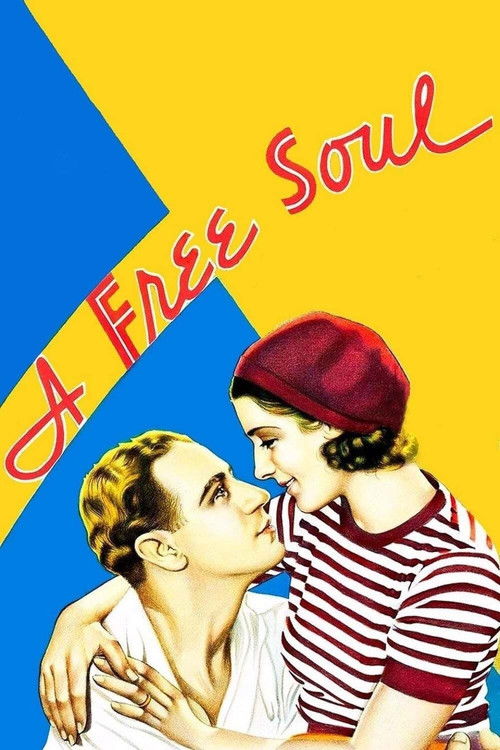
A Free Soul1931
Norma Shearer and Clark Gable, with Lionel Barrymore as her alcoholic father. A love story that doesn't apologize, wrapped in family dysfunction. Pre-Code electricity.
But Racial politics are ugly and dated. The class anxieties feel more curious than urgent now, and Barrymore's theatricality can be exhausting.
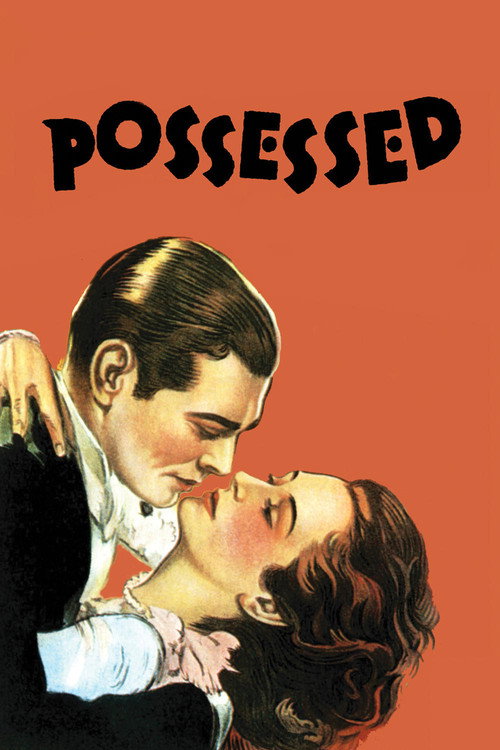
Possessed1931
Joan Crawford as a factory worker who becomes a tycoon's mistress. Same engine as *Faithless*—desire, class, the price of wanting more—but tighter and meaner about it.
But Crawford's mannerisms will either transfix or irritate you. The climax resolves itself through chance rather than consequence, which feels cheap.
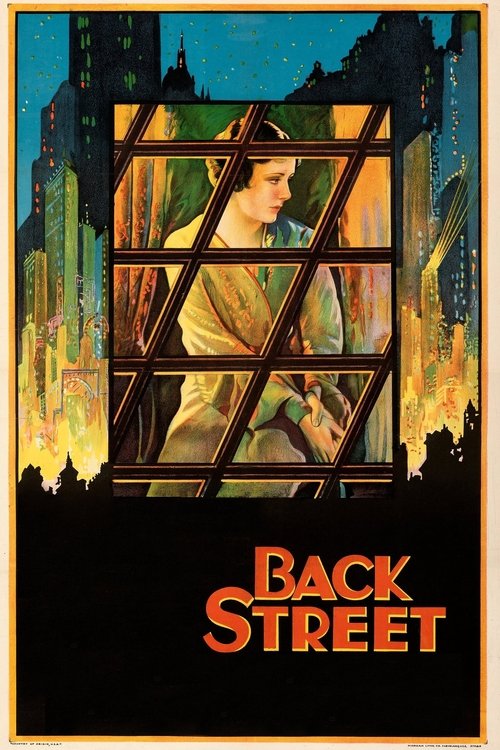
Back Street1932
John Boles and Irene Dunne in a story about a woman who loves a married man and accepts scraps rather than honesty. It's *Faithless*'s opposite number—desperation instead of recklessness, but the same hollow ache.
But It's a melodrama that insists suffering is beautiful. Some viewers will find that ennobling; others will find it insufferable.
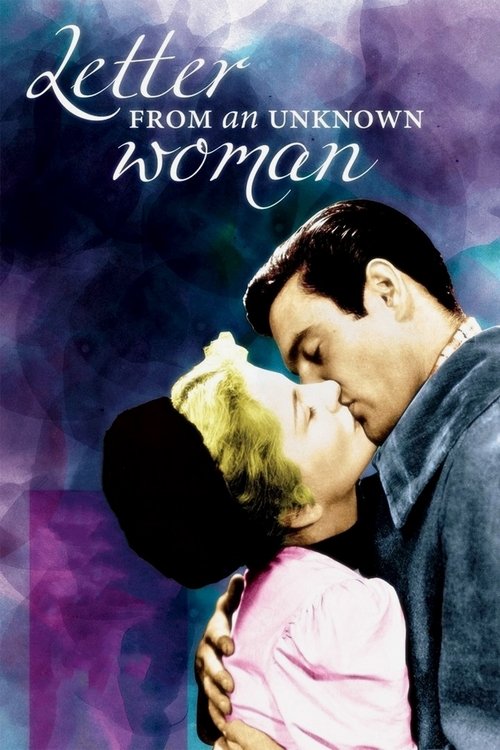
Letter from an Unknown Woman1948
Both explore how love and selfishness become impossible to untangle, but from opposite emotional positions—one furious, one haunted.
Ophüls' masterpiece about a woman who loves a man across decades of his indifference. It shares *Faithless*'s atmosphere of elegance wrapped around wreckage, but Ophüls finds heartbreak where Bankhead finds rage.
But It's more lyrical and less acidic. If you want moral clarity or characters who fight back, this film opts for sadness instead.
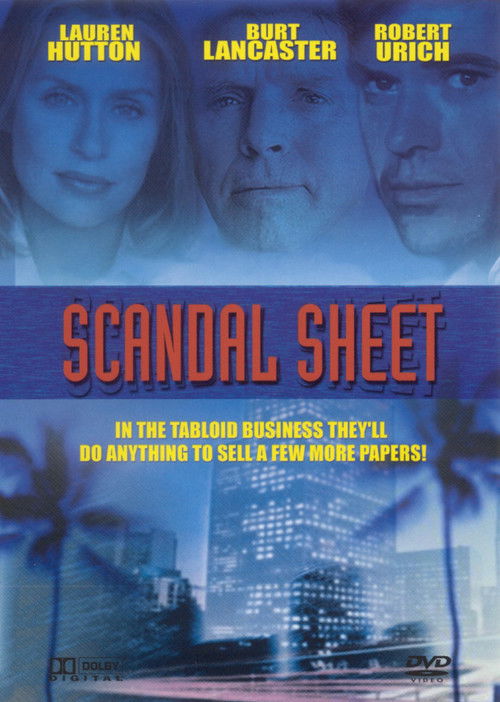
Scandal Sheet1985
Both show wealth and media working together to make wreckage look like romance, examined without sentimentality.
A miniseries about tabloid journalism and the lies people tell themselves. It captures the pre-Code sensibility—the moral messiness, the refusal to condemn—through a very 1980s lens. It's how you might make *Faithless* now, without the codes to censor it.
But TV acting of the '80s is thick and theatrical. The series gets melodramatic where the film stayed cool, and it's far longer.
People
Cast
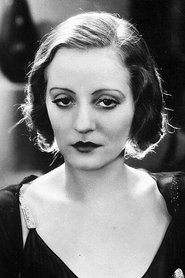 Tallulah BankheadCarol Morgan
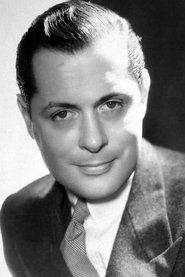 Robert MontgomeryWilliam 'Bill' Wade
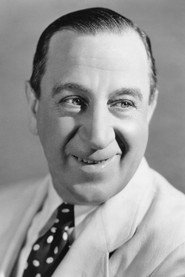 Hugh HerbertPeter M. Blainey
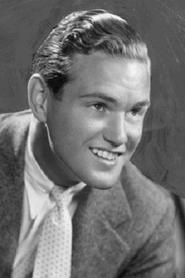 Maurice MurphyAnthony 'Tony' Wade
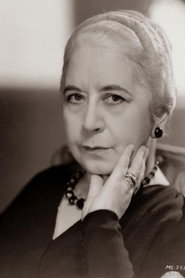 Louise Closser HaleFirst Landlady
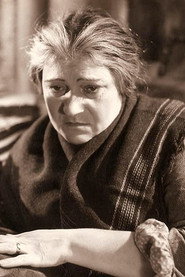 Anna AppelMrs. Mandel, Second Landlady
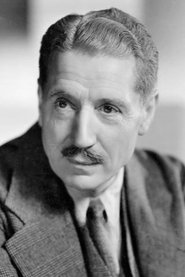 Lawrence GrantMr. Ledyard
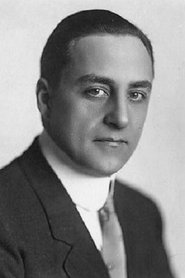 Henry KolkerMr. Carter
- Jack BaxleyCandy Store Proprietor
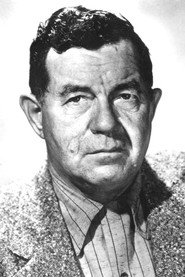 Jack Rube CliffordTruck Driver
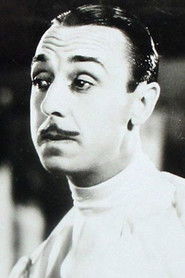 Jay EatonChez Louise Manager
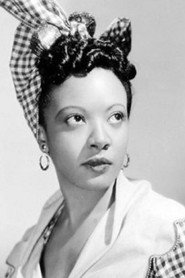 Theresa HarrisAmanda
Directing
- Harry SharrockAssistant Director
- Harry BeaumontDirector
Writing
- Mildred CramNovel
- Carey WilsonScreenplay