
Film
Back Street
A 1932 melodrama about a woman who loves a married man and accepts a life in the shadows—visiting him in secret, supporting him quietly, asking nothing public. It's a showcase for Irene Dunne's restraint and dignity under impossible circumstances. A film about the particular loneliness of loving someone you can never truly have.
Should you watch it?
Watch it if you respond to old-fashioned melodrama where a woman's quiet, stubborn devotion is the whole engine, and you don't need the story to be fair to everyone to be moved.
Skip it if you want modern pacing or sharp psychological nuance; this 1932 picture is stagey, sentimental, and its emotional lines are drawn with a broad brush.
What it asks of you: Ninety-three minutes of patient, rather formal storytelling, with long stretches of waiting and restraint before the feelings are allowed to break through.
Not sure? Find tonight's pick in a minute.
If you liked this
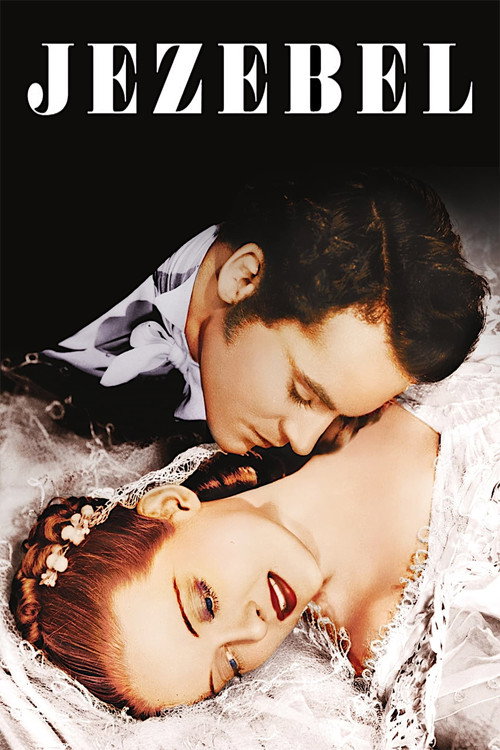
Jezebel1938
Bette Davis at her most magnetic, defying social convention with style and consequence. Another strong woman caught between desire and ruin, but with Davis's fire where Dunne has grace.
But The racial politics are period-piece offensive, and the film isn't interested in examining them. It's a backdrop, not a reckoning.
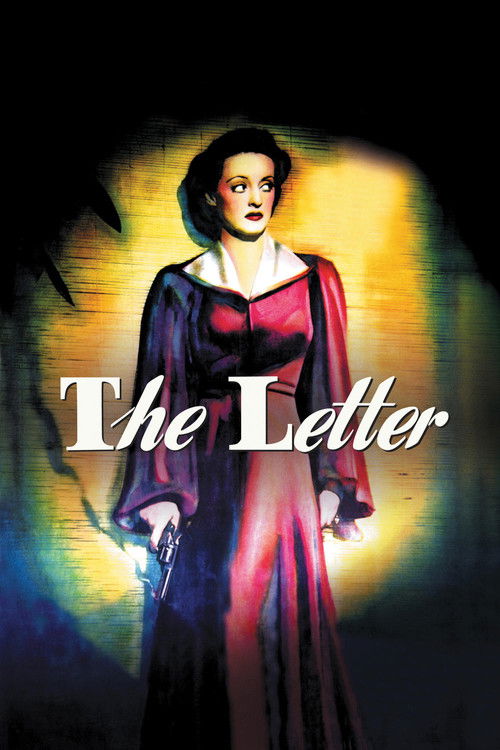
The Letter1940
Bette Davis again, this time as a woman whose secret passion explodes into murder. Same moral collapse, sharper edge, and Wyler's direction is ruthless. Deeply engrossing.
But The ending is abrupt and punitive by design. If you want catharsis rather than judgment, you won't find it here.
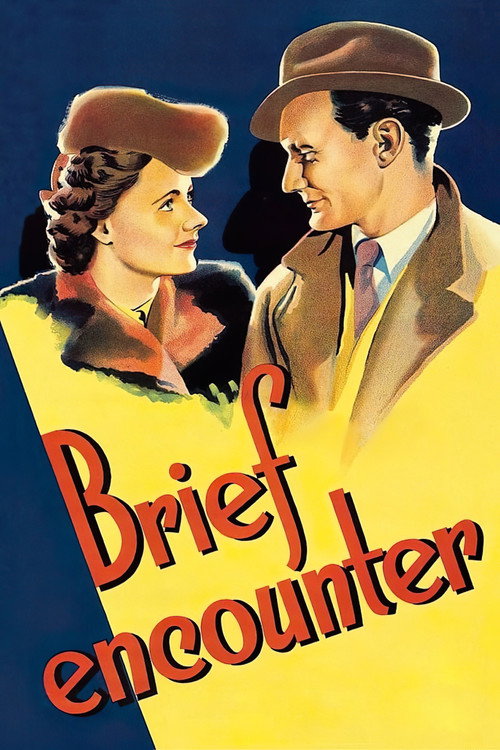
Brief Encounter1945
Two married people fall in love. Noël Coward and David Lean make something achingly tender from stolen moments and tea and the weight of duty. The emotional architecture is perfect.
But It's very British, very restrained. If you need plot momentum or external conflict, the interior drama won't be enough.
Not sure tonight? Get a pick in a minute, starting from Back Street
The wildcard
Something you would not have found on your own.
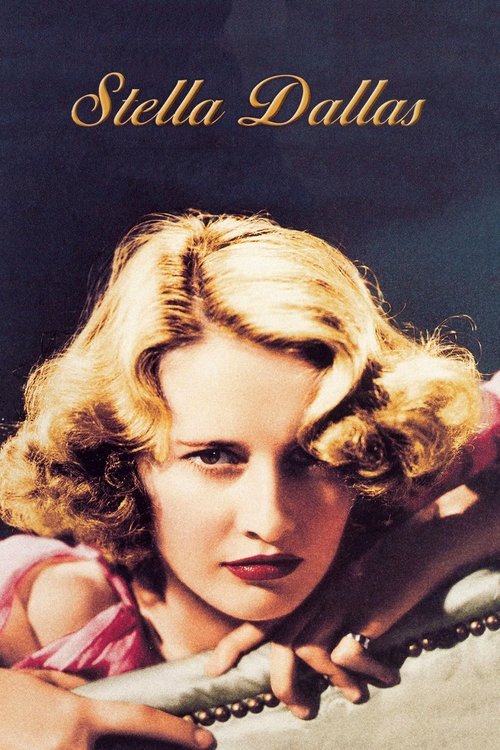
Stella Dallas1937
Both films hinge on a woman's willingness to disappear from her lover's life. Where Back Street is quiet acceptance, Stella Dallas is loud maternal martyrdom—different registers of the same surrender.
Barbara Stanwyck as a working-class woman who loves a man above her station and sacrifices everything—her reputation, her future, even her child—so they can have what she cannot. Maternal melodrama at its most devastating.
But The class politics are stark and unexamined. Stanwyck's character is punished for her desires in ways that feel punitive rather than tragic.
More like this (8)
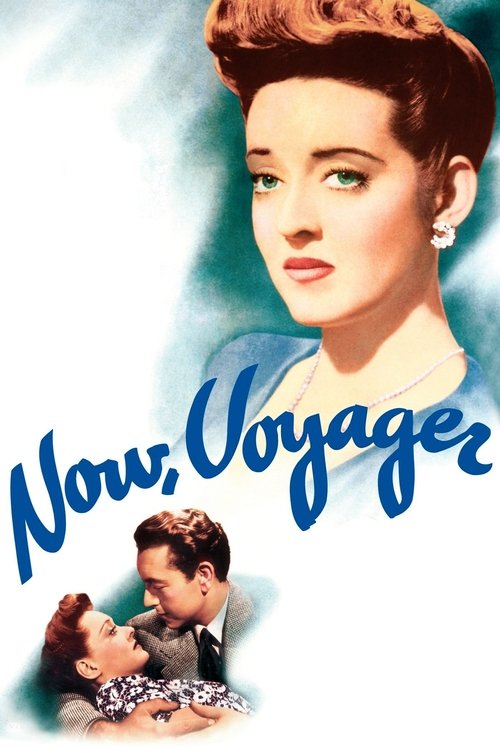
Now, Voyager1942
Bette Davis transforms from mousy to magnificent, and Humphrey Bogart gives her exactly what she needs: a man who won't fix her or own her. A love story about two people choosing each other's happiness over possession.
But It's a weepie, unashamed. The psychoanalysis framing feels dated. Tissues are non-optional.
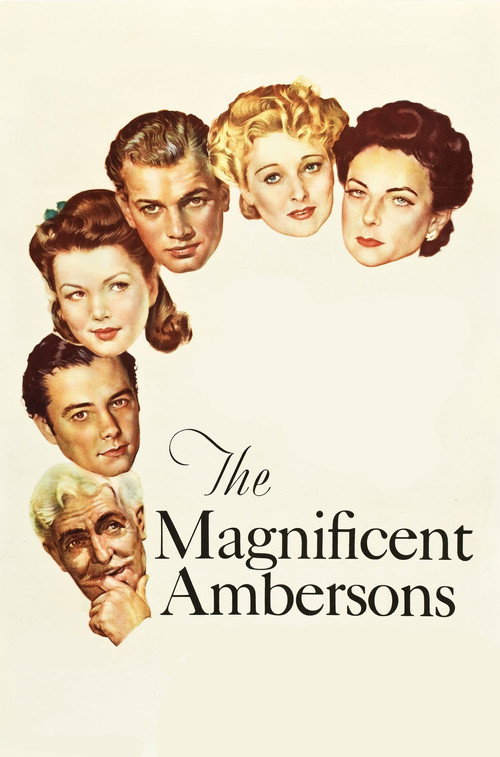
The Magnificent Ambersons1942
Welles examines how love and pride and family duty grind people down across generations. Gorgeous, architectural, full of performance. A tragedy about the cost of maintaining appearances.
But The studio cut the film and it shows; the ending feels truncated. Welles's original vision was lost, and what remains is brilliant but incomplete.
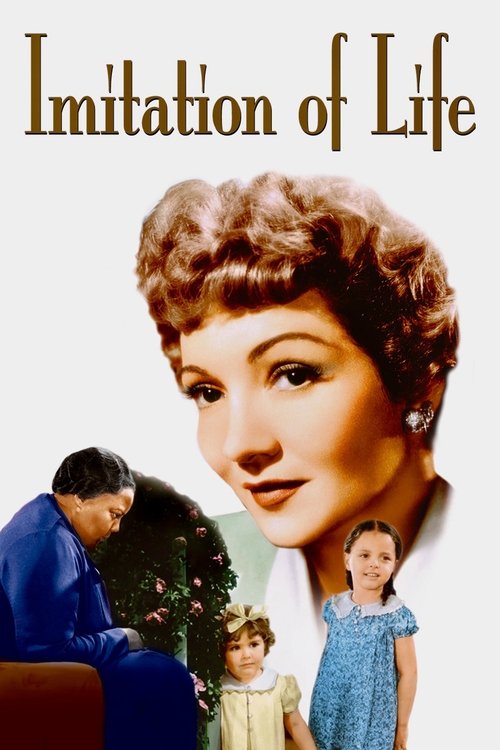
Imitation of Life1934
Two women—one Black, one white—navigate love, ambition, and maternal devotion in Depression-era America. Claudette Colbert and Warren William anchor a story about sacrifice that refuses to be simple.
But The racial elements are complicated and painful by modern standards. The film doesn't examine them so much as live inside them uncomfortably.
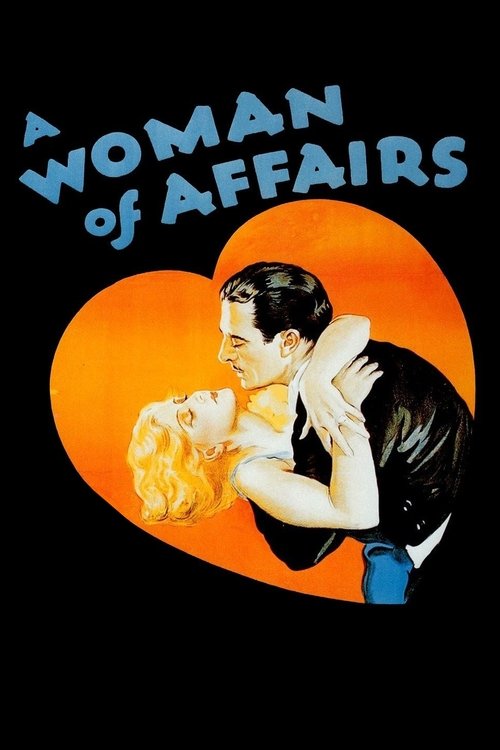
A Woman of Affairs1928
Greta Garbo as a woman whose past mistakes follow her, loving a man she can never have while trying to live with dignity. Silent cinema's most elegant treatment of compromise and longing.
But It's silent, which demands patience. The intertitles feel slow now. If you're not already attuned to that register, it will feel glacial.
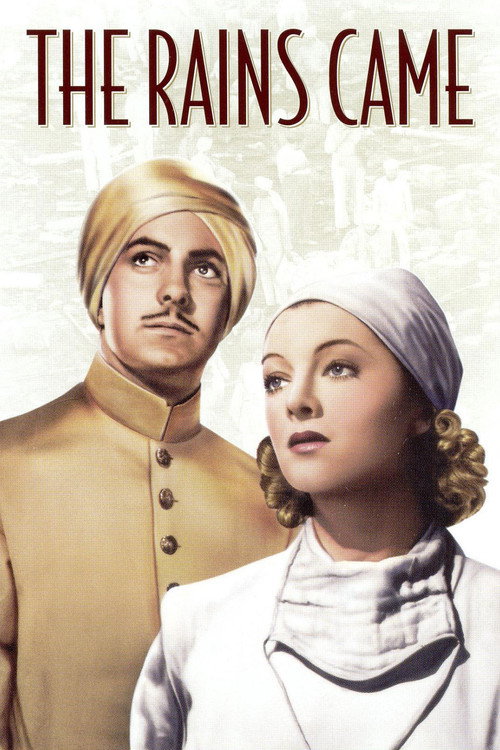
The Rains Came1939
Myrna Loy and George Brent in a romance built on attraction and circumstance rather than destiny. Lush cinematography, believable chemistry, and a woman who chooses service over sentimentality.
But The film is a romance built around a disaster that kills thousands. The tonal balance is uneasy and will feel strange to modern viewers.
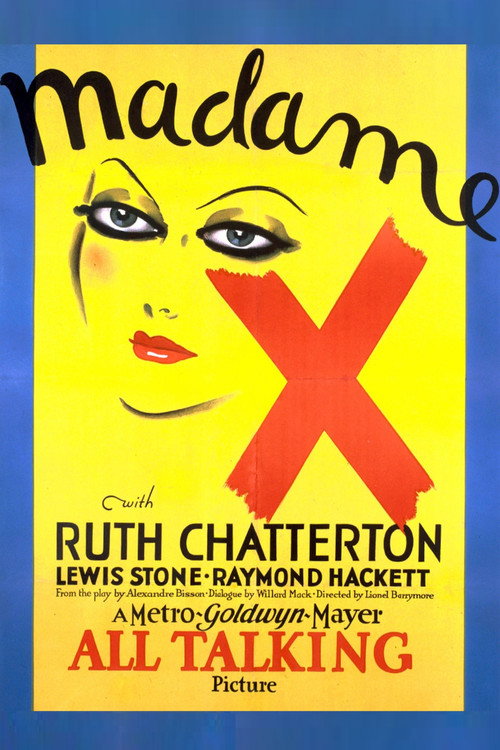
Madame X1929
Irene Dunne herself, in another story about a woman destroyed by a moment of indiscretion and forced into exile. If you're drawn to her performance in Back Street, this shows you how deep that restraint goes.
But It's melodrama at full volume. The tragedy is operatic, and if you don't buy into that register, it plays as overwrought.
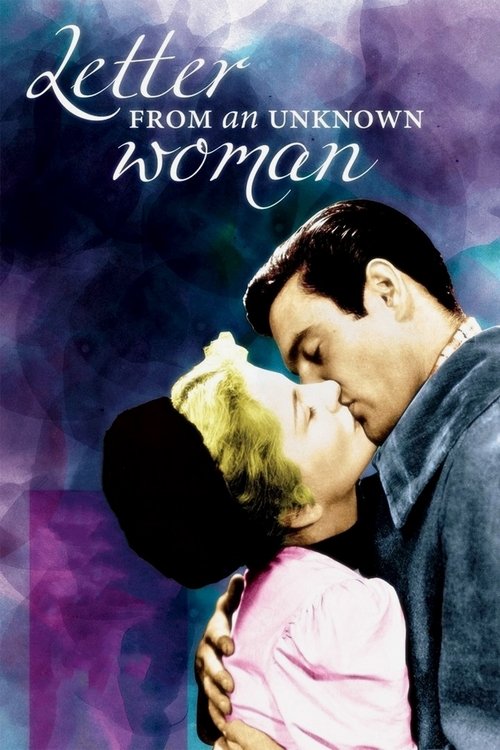
Letter from an Unknown Woman1948
Same core premise—woman's passion unreciprocated and hidden—but told through memory and letter rather than present circumstance. Ophüls makes invisibility the point, not the tragedy.
A woman loves a man across years and continents, and he has no idea she exists. Ophüls constructs a love story almost entirely from absence and memory. Technically masterful, emotionally devastating.
But The structure is backwards—you're given the ending first. If you need linear clarity and forward momentum, the circular logic will frustrate you.
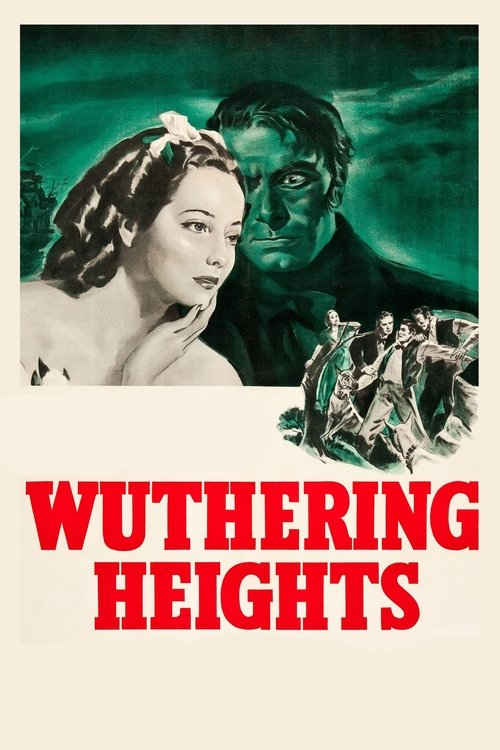
Wuthering Heights1939
Both take the central question seriously—what does a woman do with love that cannot be named or claimed?—but Wuthering Heights answers it with violence while Back Street answers it with silence. Same moral problem, opposite temperatures.
Laurence Olivier and Merle Oberon in William Wyler's Gothic reinvention: love as destructive force, not redemptive. If Back Street asks how we bear the weight of secret longing, this asks what happens when that longing becomes rage.
But It's dramatically much louder. The passion is fierce and ugly, not quiet. The Yorkshire moors are a long way from the careful restraint of 1932 American melodrama.
People
Cast
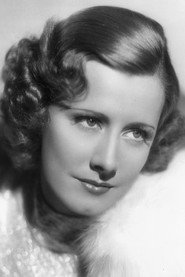 Irene DunneRay Schmidt
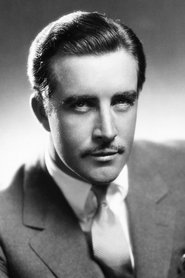 John BolesWalter D. Saxel
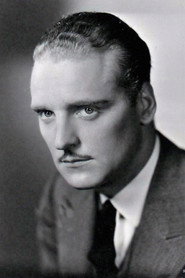 George MeekerKurt Shendler
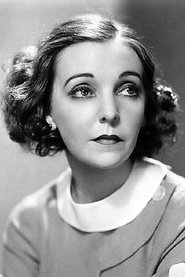 Zasu PittsMrs. Dole
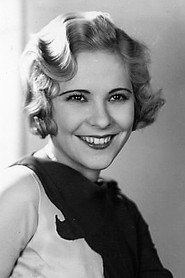 June ClydeFreda Schmidt
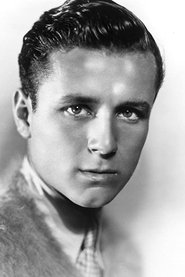 William BakewellRichard Saxel
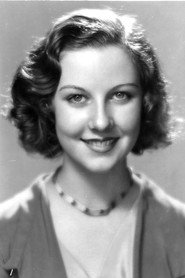 Arletta DuncanBeth Saxel
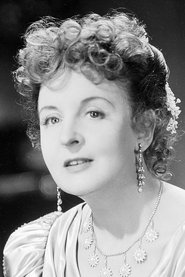 Doris LloydCorinne Saxel
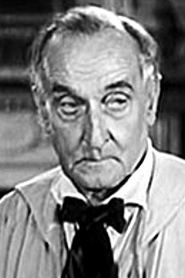 Paul WeigelAdolph Schmidt
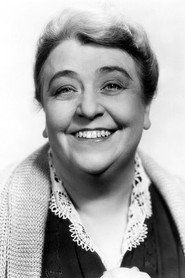 Jane DarwellMrs. Adolph Schmidt
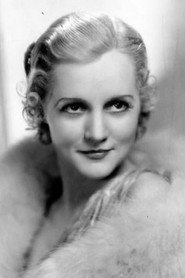 Shirley GreyFrancine
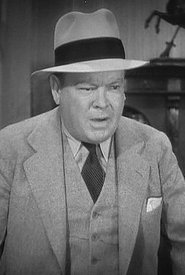 James DonlanProfhero
Directing
- Scott R. BealAssistant Director
- John M. StahlDirector
Writing
- Fannie HurstNovel
- Gladys LehmanScreenplay
- Lynn StarlingScreenplay
- Ben HechtWriter
- Gene FowlerWriter
Production
- E.M. AsherAssociate Producer
- David C. WernerCasting
- Carl Laemmle Jr.Producer