
Film
The Rains Came
A 1939 Technicolor romance set in colonial India, where catastrophe strips away pretense and reveals character. Myrna Loy and Tyrone Power navigate desire, duty, and disaster with style and genuine peril. It's sweeping adventure cinema that trusts its audience to care about people caught between personal longing and larger purpose.
Should you watch it?
Watch it if you love old-fashioned studio melodrama where lavish spectacle and tangled romantic loyalties carry the story, and you don't mind a sermon stitched into the glamour.
Skip it if you find 1930s studio acting stiff and the hero's saintly earnestness hard to take, since the romance is slow to earn its feeling and the politics feel dated.
What it asks of you: Long, unhurried drawing-room talk takes up much of the running time, so patience matters before the big disaster set pieces break the calm; the romance wants steady attention.
Not sure? Find tonight's pick in a minute.
If you liked this
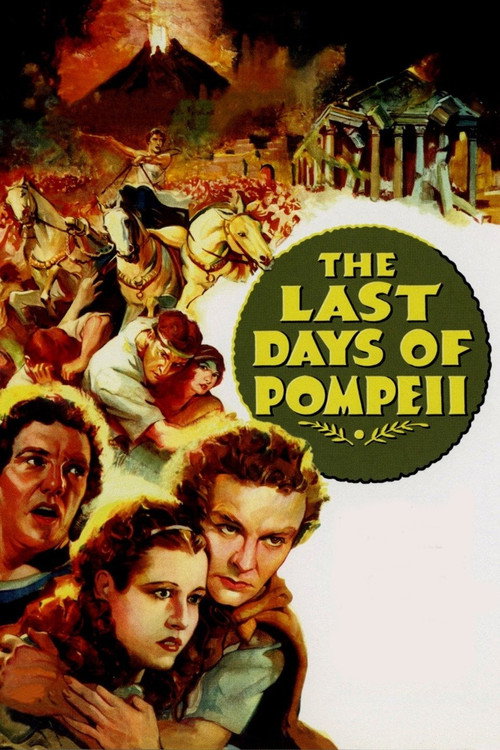
The Last Days of Pompeii1935
Another grand disaster spectacle where an earthquake reshapes lives and moral choices. Same appetite for scale, chaos, and beauty in ruins. Preston Foster and Alan Hale anchor it with quiet decency.
But The special effects, while ambitious, look quaint now. The dialogue can be heavy-handed and the pacing drags before the catastrophe arrives.
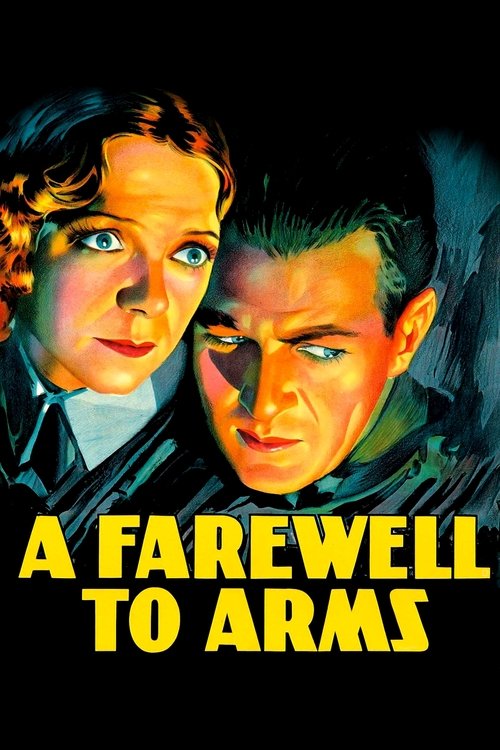
A Farewell to Arms1932
Hemingway's romance against war and disaster, with Rock Hudson and Jennifer Jones finding tenderness amid collapse. That same tragic grandeur—love as defiance against fate—plays beautifully here too.
But Soppy by modern standards, and the ending won't surprise you. It's slow to build and asks you to accept melodrama as art.
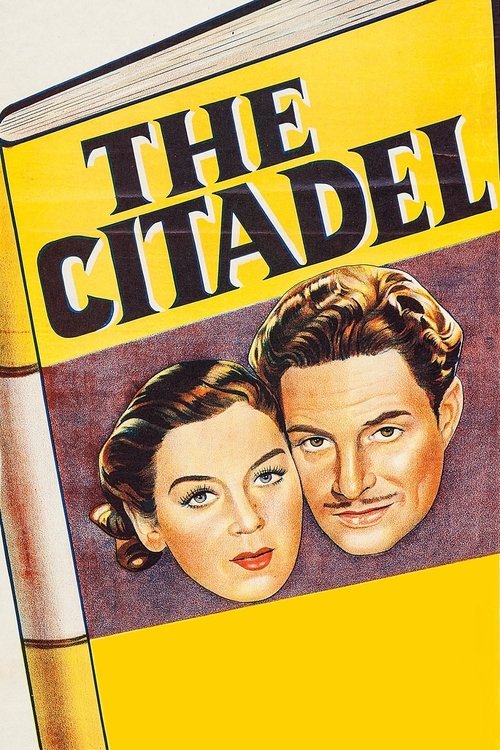
The Citadel1938
Spencer Tracy as a doctor torn between ambition and service, with the same moral architecture: what do we owe the people who need us? Beautifully acted and genuinely moving about duty versus desire.
But It's more intimate than epic, less visually grand. If you're here for spectacle, this is chamber music instead.
Not sure tonight? Get a pick in a minute, starting from The Rains Came
The wildcard
Something you would not have found on your own.
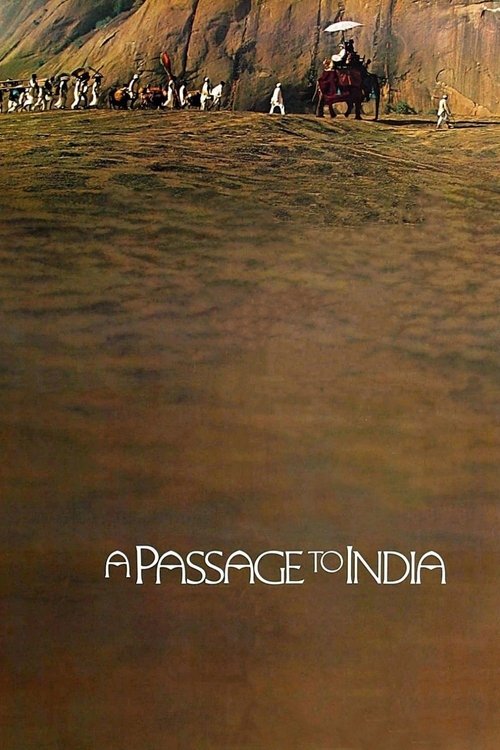
A Passage to India1984
Both use the Indian setting and colonial anxieties as the backdrop, but *Passage* interrogates empire itself rather than romance within it. Where *The Rains Came* is about individuals transcending, *Passage* questions whether they can.
David Lean's final film, grand and meditative, wrestling with the same colonial India but decades later and with genuine reckoning. Judy Davis and Victor Banerjee in a mystery that asks what connection across empire truly means. Visual splendor in service of moral complexity.
But It's 163 minutes and deliberately paced. The ambiguity frustrates viewers who want clear answers. Some find it glacial where *The Rains Came* is vital.
More like this (8)
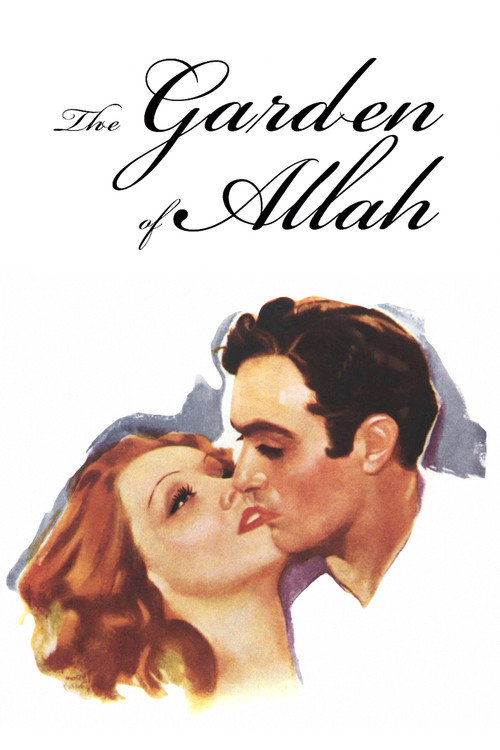
The Garden of Allah1936
Marlene Dietrich and Charles Boyer in Technicolor desert romance where faith and passion collide. Similar exoticism, similar stakes—two people who cannot have each other trying anyway.
But The religious conflict feels dated now. It's genuinely strange by modern standards, and some of the mysticism doesn't land.
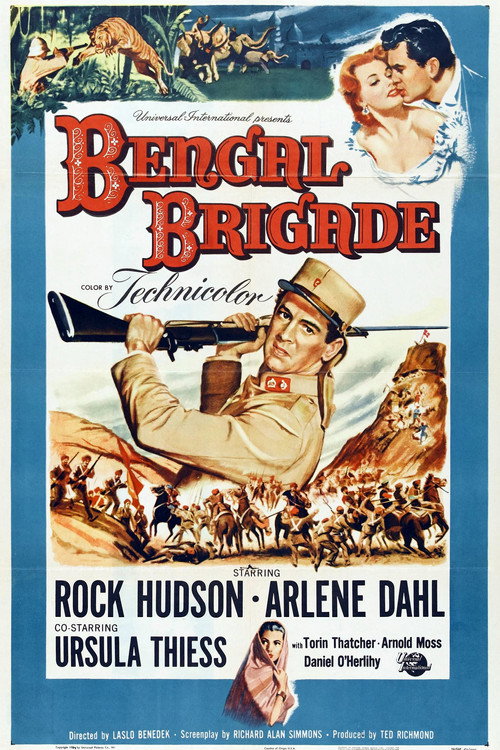
Bengal Brigade1954
Rock Hudson and Arlene Dahl in a lean, muscular Indian adventure. Fewer pretensions than *The Rains Came*, more action. Same setting, sharper storytelling.
But It trades complexity for efficiency. There's less depth and more gunfire—some viewers want the emotional richness the earlier film offers.
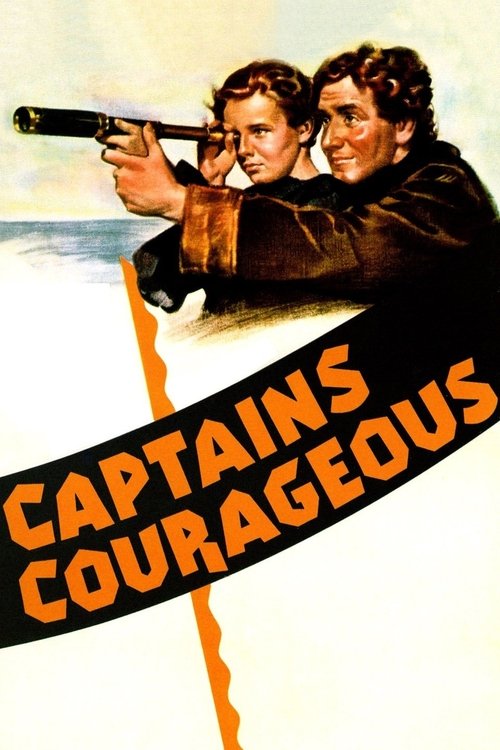
Captains Courageous1937
Spencer Tracy and young Freddie Bartholomew: a man who learns grace through service to others. The moral redemption arc mirrors *The Rains Came* without needing an earthquake to change hearts.
But It's fundamentally a boy's adventure. The sentiment is thick, and if you're not in the mood for that kind of earnestness, it cloys fast.
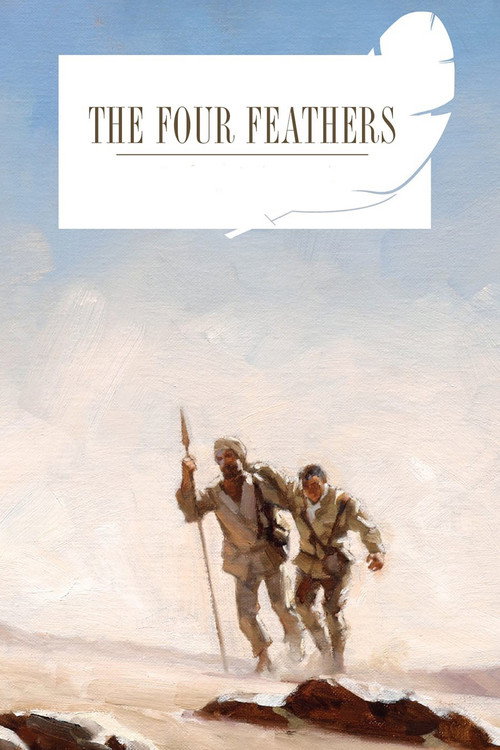
The Four Feathers1939
Released the same year, British imperial adventure with John Clements and Ralph Richardson. Colonial setting, questions of honor versus cowardice, action and romance wound together.
But Very much a product of its moment in how it thinks about empire. The pacing is baggy and it's nearly three hours.
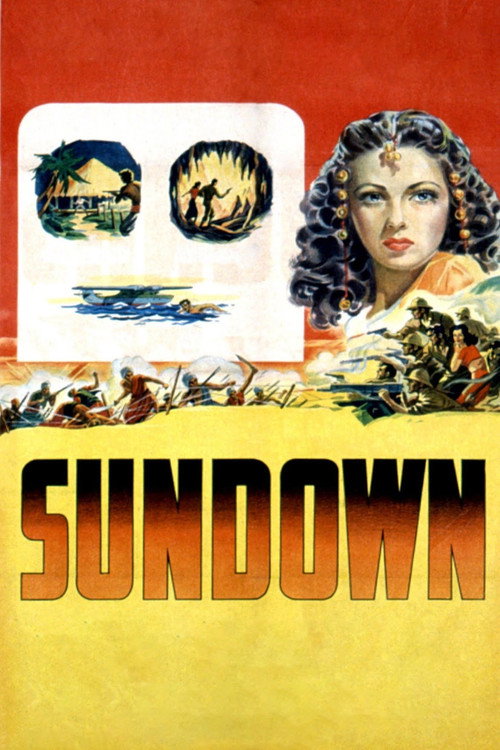
Sundown1941
Gene Tierney and Bruce Cabot in wartime Africa, with the same Technicolor exoticism and moral ambiguity about who's really on which side. Adventure with conscience.
But Obscure and uneven. It wants to be sophisticated but sometimes just feels muddled. Feels like a film made in wartime rather than with conviction.
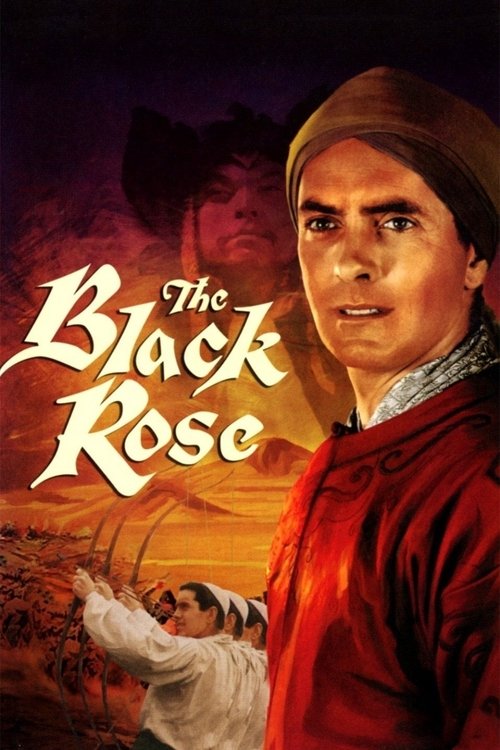
The Black Rose1950
Tyrone Power again, in another historical romance with spectacular locations and earnest performances. If you love Power's particular brand of noble yearning, this delivers it reliably.
But It's a second-tier adventure. Less ambitious than *The Rains Came*, more straightforward, and the story doesn't breathe the same way.
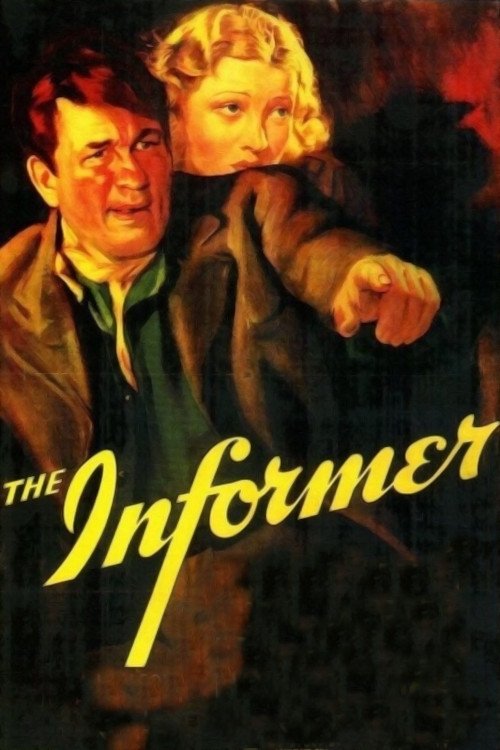
The Informer1935
Both watch flawed people try to become better in moments of crisis, but *Informer* believes the crisis exposes what was always there, while *The Rains Came* believes catastrophe can transform. Opposite faiths, same structure.
John Ford's Irish revolutionary tragedy with Victor McLaglen: a man morally compromised, trying to do right, undone by circumstance and his own nature. Black and white, theatrical, emotionally brutal where *The Rains Came* is colorful—but the same anatomy of conscience under pressure.
But It's expressionistic and strange, almost Expressionist in style. Bleak and unforgiving. If you want romance and grandeur, this is grandeur as guilt and despair.
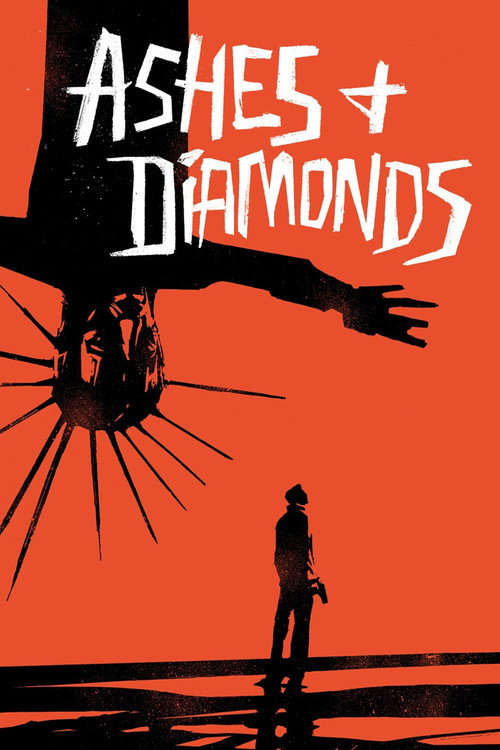
Ashes and Diamonds1958
Both films ask the same question: what do we choose when catastrophe forces us to choose? But where *Rains* allows grace and sacrifice to matter, *Diamonds* suggests history indifferent to either. Same question, opposite answers.
Andrzej Wajda's Polish masterpiece: a young man caught between ideology and desire on the last day of WWII. Black and white, urgent, moral stakes that feel genuinely lethal. The catastrophe is historical rather than natural, but the architecture is identical—private feeling colliding with historical necessity.
But It's austere and foreign and demands active watching. No romance in the sense *The Rains Came* offers; instead, a kind of tragic clarity. If you want spectacle and resolution, this offers neither.
People
Cast
 Myrna LoyLady Edwina Esketh
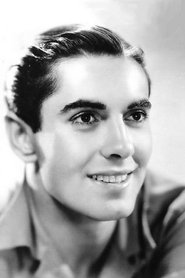 Tyrone PowerMajor Rama Safti
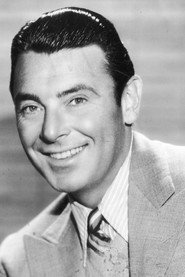 George BrentTom Ransome
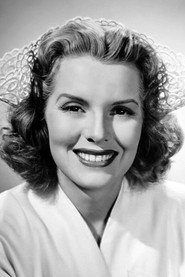 Brenda JoyceFern Simon
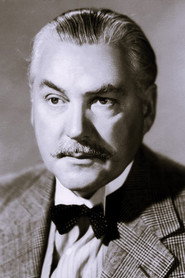 Nigel BruceLord Albert Esketh
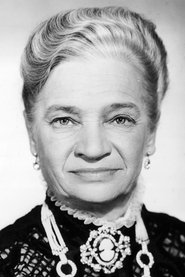 Maria OuspenskayaMaharani
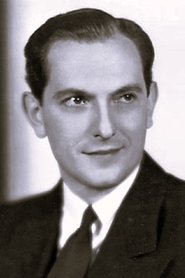 Joseph SchildkrautMr. Bannerjee
 Mary NashMiss Mac Daid
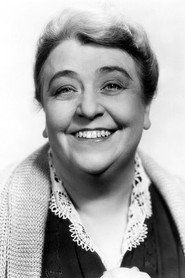 Jane DarwellAunt Phoebe Smiley
 Marjorie RambeauMrs. Simon
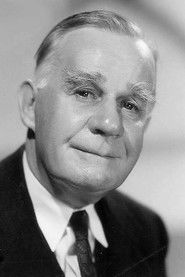 Henry TraversRev. Homer Smiley
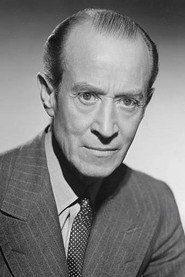 H.B. WarnerMaharajah
Directing
- Clarence BrownDirector
Writing
- Louis BromfieldNovel
- Julien JosephsonScreenplay
- Philip DunneScreenplay
Production
- Darryl F. ZanuckProducer
Recommended by
The Grass Is Greener, I'll Cry Tomorrow, San Francisco, In Old Chicago, Fort Algiers, Elephant Walk, Back Street, Interrupted Melody