
Film
Bengal Brigade
A 1954 British-Indian adventure where a disgraced officer seeks redemption during the 1856 rebellion. Rock Hudson navigates honour, duty and the empire's messy contradictions with the earnest sincerity the era demanded. It's Technicolor spectacle and colonial melodrama—watchable for its historical moment and Hudson's screen presence, if you can stomach the perspective.
Should you watch it?
Watch it if you enjoy old-fashioned colonial adventure where a bruised officer's pride and romance are tangled up with a frontier battle, and you don't mind the gloss of 1950s studio filmmaking.
Skip it if you bristle at colonial-era attitudes, since the film treats India as a backdrop for a soldier's personal redemption.
What it asks of you: At 87 minutes it is brisk, but it spends its early stretch on rank and romance before the fighting arrives, so be patient with the setup.
Not sure? Find tonight's pick in a minute.
If you liked this
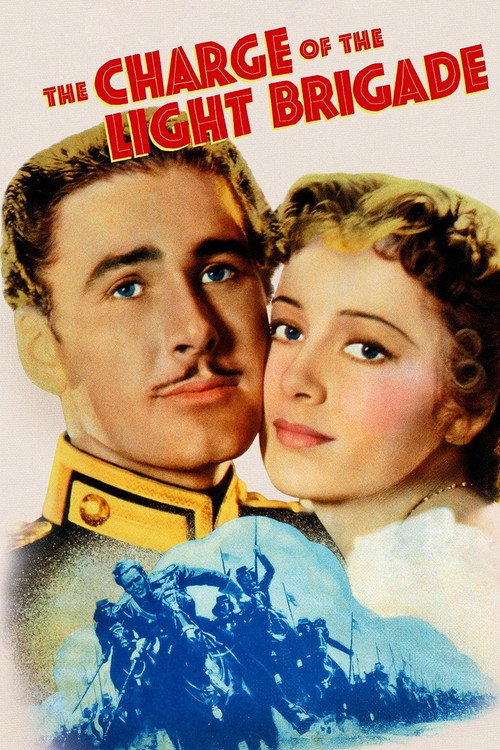
The Charge of the Light Brigade1936
Errol Flynn in an earlier take on British military honour and colonial India. Same themes of glory, duty and redemption, with Flynn's swashbuckling charm making the contradictions feel like adventure rather than politics.
But A 1936 film with dated attitudes toward India and its people. The spectacle can't quite justify the underlying assumptions.
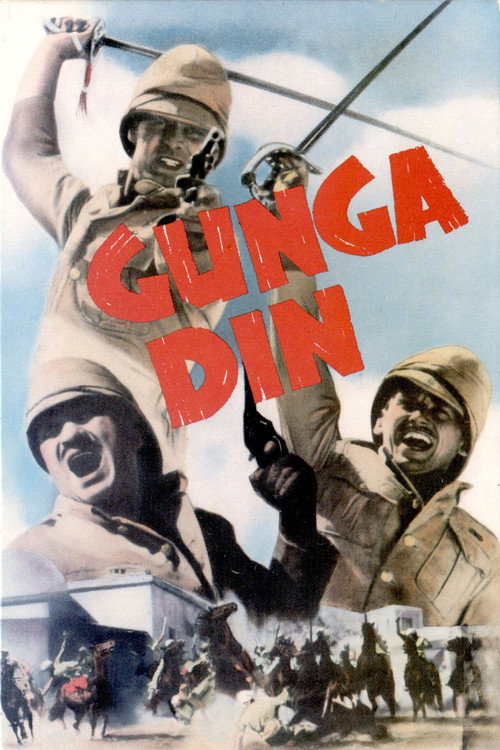
Gunga Din1939
Gary Grant, Victor McLaglen and Douglas Fairbanks Jr. in a romp through India that knows it's a romp. Adventure-first storytelling with enough humour to keep it from taking itself too seriously, even when it shouldn't be taken seriously at all.
But Also a colonial adventure that treats Indian culture as exotic backdrop. If the perspective in Bengal Brigade bothers you, this will too.
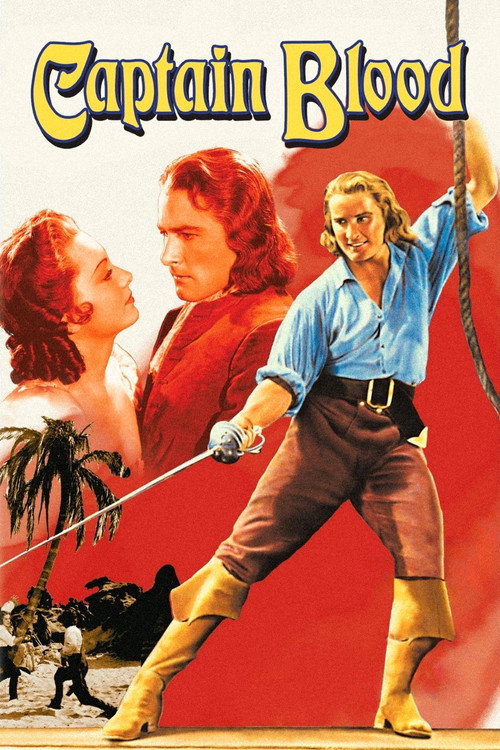
Captain Blood1935
Errol Flynn's breakout—a wronged man finding redemption on his own terms. Same DNA as Bengal Brigade: honour, injustice, a path back to worthiness. Tighter plotting and Flynn's natural charisma make it feel essential rather than dutiful.
But A swashbuckler about a pirate, not a soldier. If you want the specific Indian setting and military structure, this won't scratch that itch.
Not sure tonight? Get a pick in a minute, starting from Bengal Brigade
The wildcard
Something you would not have found on your own.
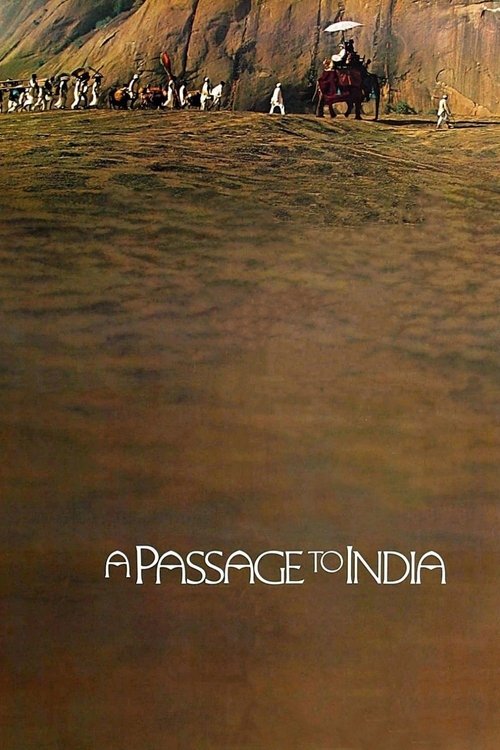
A Passage to India1984
Both films use 1850s India as a stage for British masculine redemption, but Lean interrogates the machinery that makes that redemption possible, while Bengal Brigade accepts it.
David Lean's final film, shot in Technicolor and released thirty years after Bengal Brigade. Takes the same setting and colonial framework but asks entirely different questions about power, guilt, and whether redemption through empire is possible at all. Serious, searching, and visually overwhelming.
But Three and a half hours of moral complexity when you wanted adventure. The film refuses easy answers and some find that frustrating rather than enriching.
More like this (7)
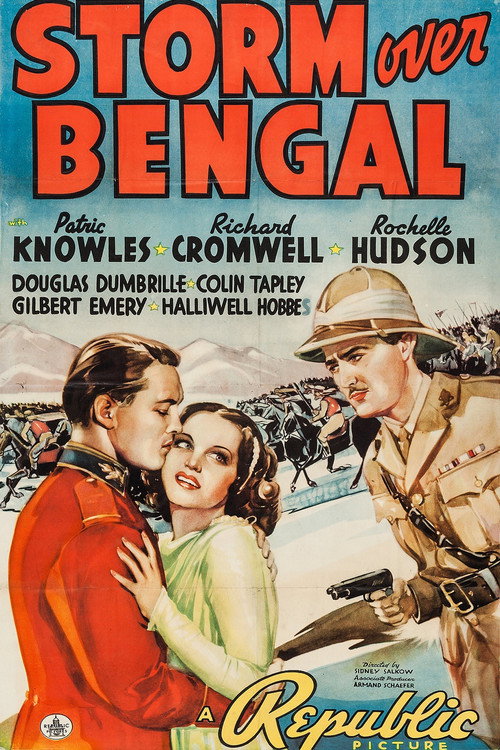
Storm Over Bengal1938
Another 1930s film about the 1856 uprising, this time with a focus on the chaos and human cost rather than just honour. A useful comparison—shows how differently studios tackled the same historical moment.
But Less polished than Bengal Brigade and harder to find. Also carries the same colonial assumptions, just in a grittier wrapper.
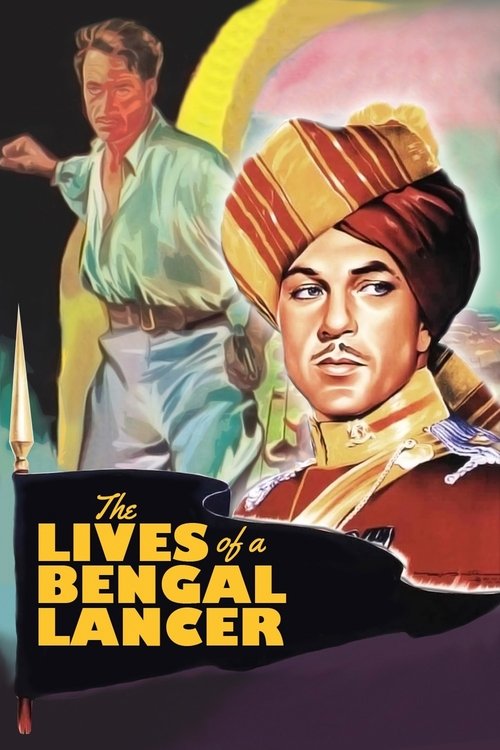
The Lives of a Bengal Lancer1935
Gary Cooper in perhaps the definitive British-India military adventure. Superior filmmaking, sharper dialogue, and Cooper's naturalism against Hudson's stiffness. Shows what the template could achieve at its best.
But You might realize Bengal Brigade is the lesser work and feel frustrated you didn't watch this first.
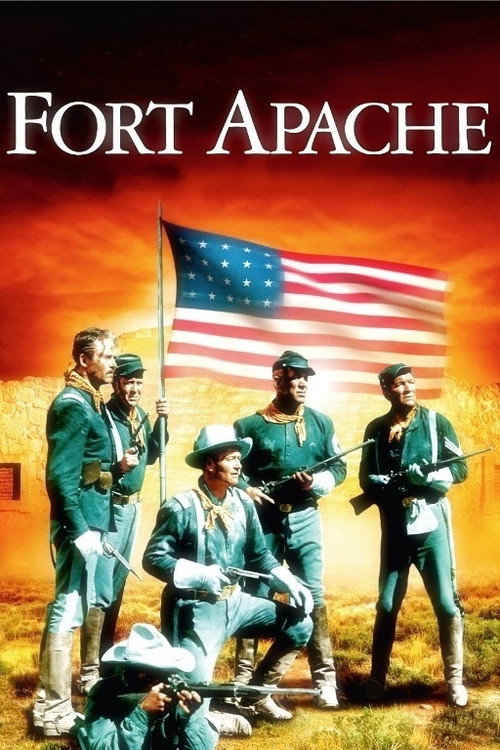
Fort Apache1948
John Wayne in John Ford's meditation on military honour, duty and the gap between orders and conscience. Not India, but the colonial military structure is the same, and Ford's moral seriousness elevates the material.
But A Western, not an adventure. If you want Technicolor exoticism and spectacle, Ford's restraint might feel austere.
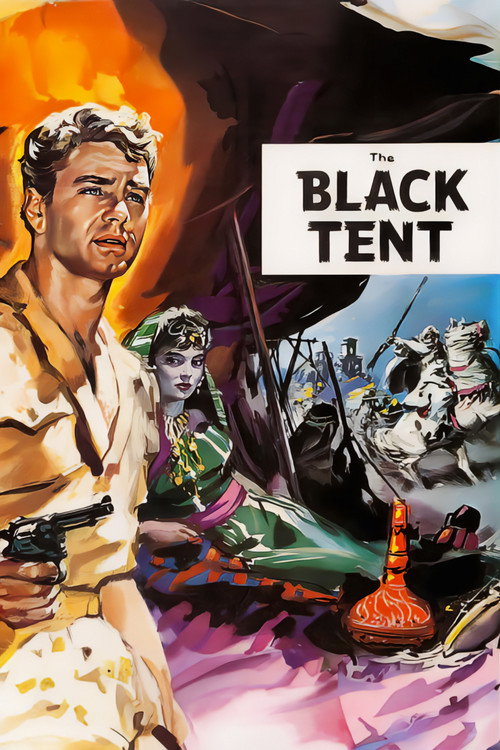
The Black Tent1956
A near-contemporary film about desert warfare and honour, with a similar earnestness about redemption. British military melodrama that takes its themes seriously without Camp.
But British war drama from the 1950s can feel stiff and dated. Not as visually sumptuous as Bengal Brigade despite being more recent.
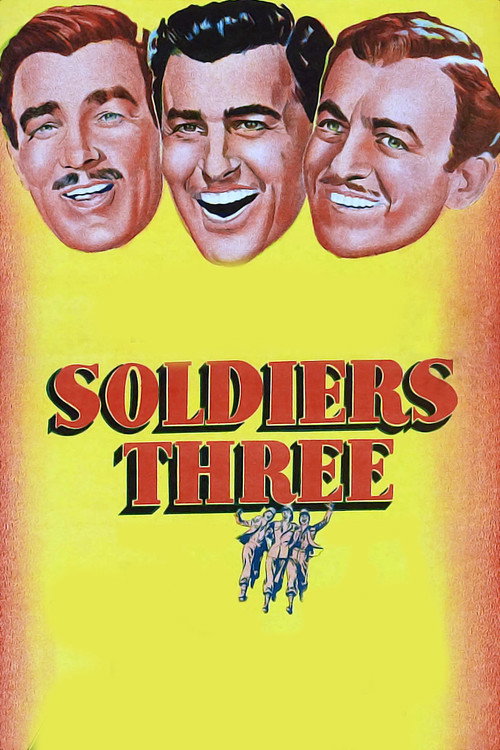
Soldiers Three1951
Stewart Granger and Walter Pidgeon in a lighter take on British India. Comedy-adventure that doesn't mistake earnestness for depth, which is refreshing.
But The lightness that makes it fun also means it won't stick with you. A pleasant evening, nothing more.
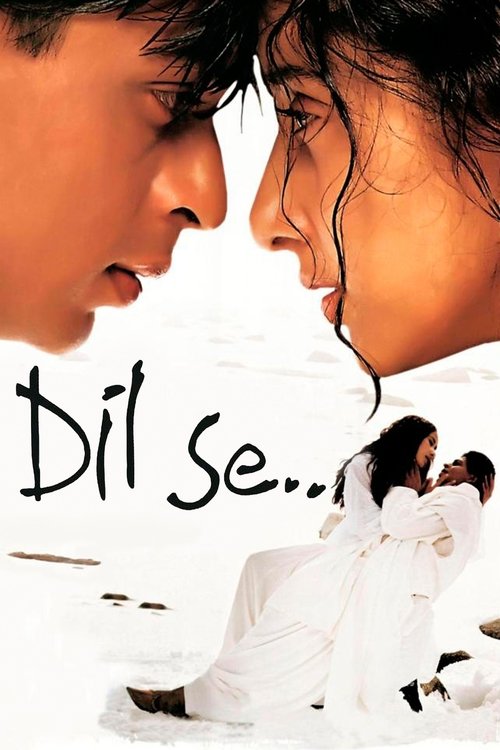
Dil Se..1998
Both are mid-century films about violence, duty and love in a colonized or post-colonial India, but from opposite sides of the power structure. Dil Se shows what the story looks like when Indians are the protagonists of their own history.
Mani Ratnam's Indian film about love and political violence, shot in jewel-toned colour with a sweep and romanticism that matches Bengal Brigade's visual language. Shows you how Indian filmmakers of the era used Technicolor and spectacle to tell their own stories of honour and sacrifice—the inverse perspective, equally earnest.
But A Hindi-language film with a tragic romantic plot and no interest in British heroics. The perspective shift is the point, which means it won't feel like Bengal Brigade at all.
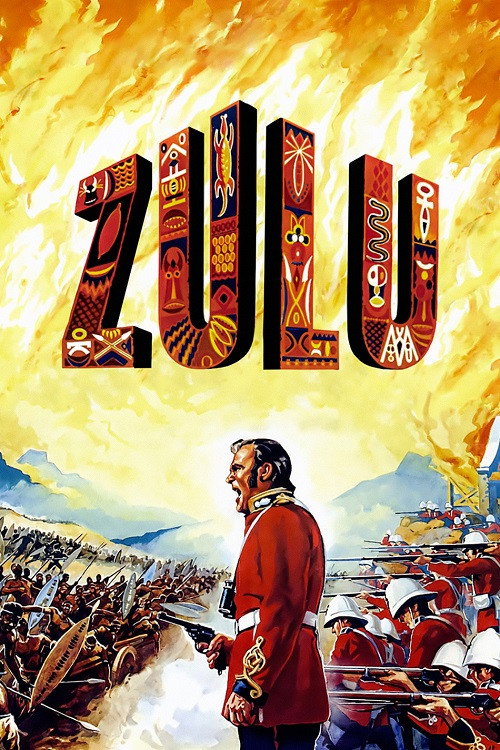
Zulu1964
Both films stage battles in colonial contexts and ask what honour means, but Zulu treats the enemy as equals while Bengal Brigade treats them as a backdrop for British self-examination.
Michael Caine's debut in a film about the 1879 Battle of Isandlwana that refuses to make British soldiers the only heroes. Spectacular, brutal, and surprisingly honest about why men fight and what it costs. Holds its colonial adventure within a frame that respects the Zulu as intelligent adversaries.
But A war film more interested in combat than redemption arcs. The British aren't villainized but they're not centred either, which some find less comfortable than Bengal Brigade's framework.
People
Cast
 Rock HudsonCapt. Jeffrey Claybourne
 Arlene DahlVivian Morrow
 Ursula ThiessLatah
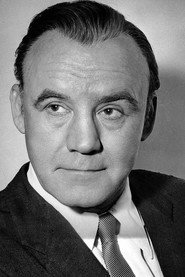 Torin ThatcherColonel Morrow
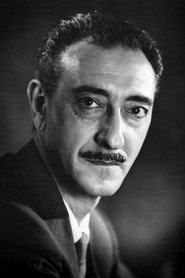 Arnold MossRajah Karam
 Dan O'HerlihyCapt. Ronald Blaine (as Daniel O'Herlihy)
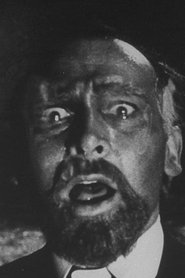 Harold GordonHari Lal
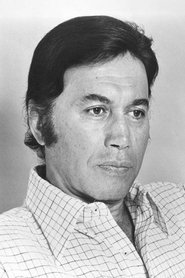 Michael AnsaraSgt. Major Puran Singh
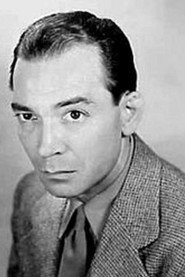 Leonard StrongMahindra
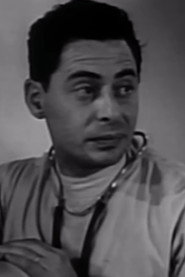 Shepard MenkenBulbir
- Sujata RubenerIndian Dancer (as Sujata and Asoka)
- Asoka RubenerIndian Dancer (as Sujata and Asoka)
Directing
- László BenedekDirector
Writing
- Seton I. MillerAdaptation
- Hall HunterNovel
- Richard Alan SimmonsScreenplay
Production
- Ted RichmondProducer