
Film
The Charge of the Light Brigade
Other titles called The Charge of the Light Brigade: the 1968 film.
A swashbuckling historical adventure where Errol Flynn's dashing cavalry officer pursues revenge across the Crimean War, mixing personal drama with imperial intrigue. It's colour and movement first, historical accuracy a distant second—a film that moves with the momentum of its star's charm rather than plausibility. For those who want adventure without moral ambiguity.
Should you watch it?
Watch it if you love old-fashioned Hollywood adventure, a story of loyalty and betrayal among soldiers, with swashbuckling set pieces and a stiff-upper-lip romance playing out against imperial politics.
Skip it if you find 1930s studio dialogue and stiff romance hard going, since the love story runs at a leisurely pace and the politics are sketched rather than explained.
What it asks of you: Expect nearly two hours of brisk, bombastic storytelling, the big battle saved for last and earlier scenes built on talk, intrigue and sidelong glances.
Not sure? Find tonight's pick in a minute.
If you liked this
The Mark of Zorro1940
Tyrone Power brings wit and physical grace to a similar template: masked hero, romance, sword work, and revenge against colonial oppression. It's more intelligent about its own game and twice as fun.
But The action is staged rather than felt; if you need modern pacing or visceral combat, this will feel theatrical and slow.
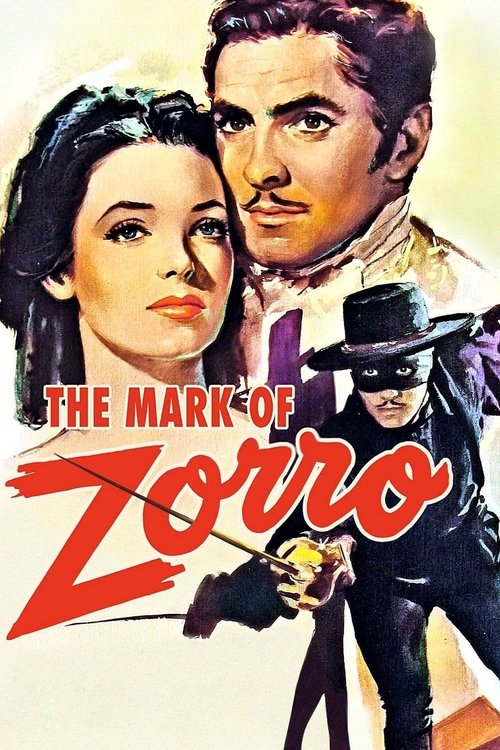
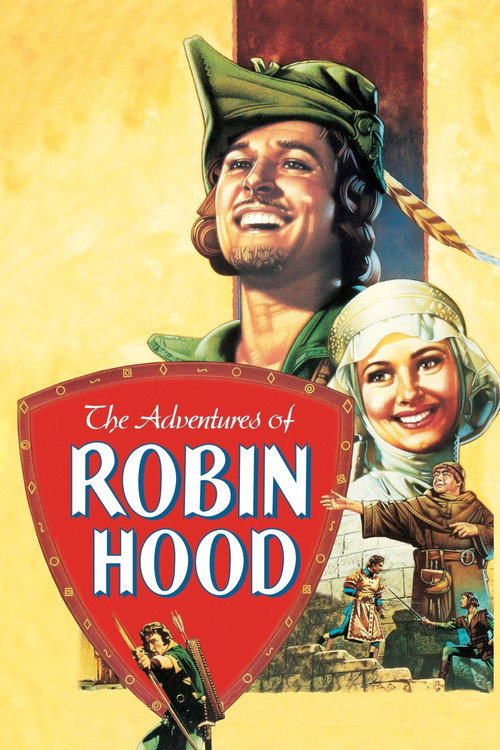
The Adventures of Robin Hood1938
Technicolor spectacle, rousing adventure, Errol Flynn at his most likeable, and a genuine moral centre underneath the swashbuckling. It knows what it is and executes beautifully.
But The plot is straightforward to the point of simplicity, and the fairy-tale tone might feel slight if you're after something weightier.
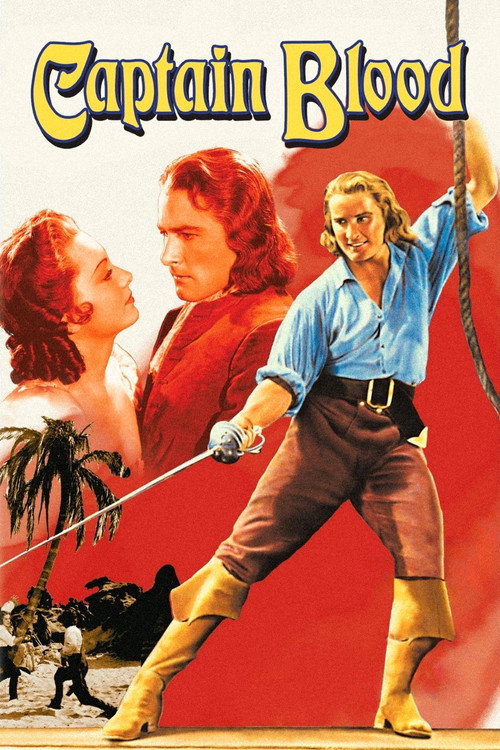
Captain Blood1935
Flynn's breakout role, where he and director Michael Curtiz found their rhythm together. A wronged man becomes a pirate; the sword fights are inventive and the chemistry with Olivia de Havilland is genuine.
But The setup is contrived and the political context is largely window-dressing for romance and adventure.
Not sure tonight? Get a pick in a minute, starting from The Charge of the Light Brigade
The wildcard
Something you would not have found on your own.
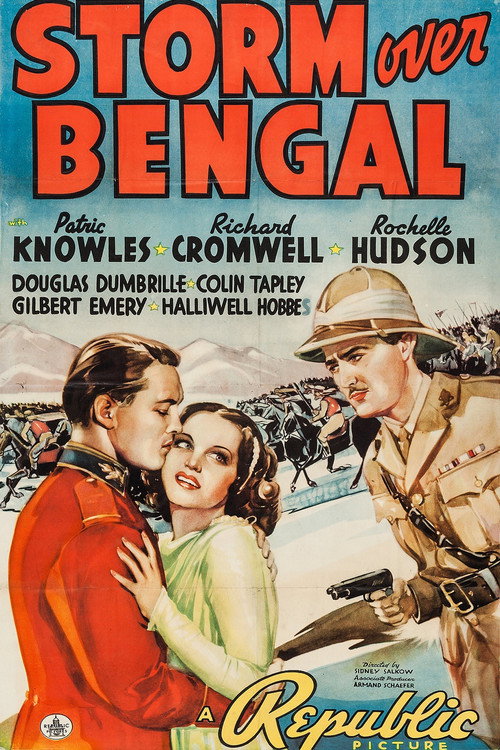
Storm Over Bengal1938
Both are Warner Bros. period adventures released in 1936-38 built on the same architecture: wronged officer, distant love, imperial intrigue, climactic action in a colonial setting. Storm Over Bengal shows you what that template looked like without a star to carry it.
An utterly obscure adventure film in the same colonial-India setting, made by the same studio in the same year. It has the same logic—personal revenge tangled up with empire—but played entirely straight and with less charm, so you see the formula naked.
But It's genuinely minor; the performances are flat, the budget shows, and it lacks Flynn's magnetism to carry weak material.
More like this (8)
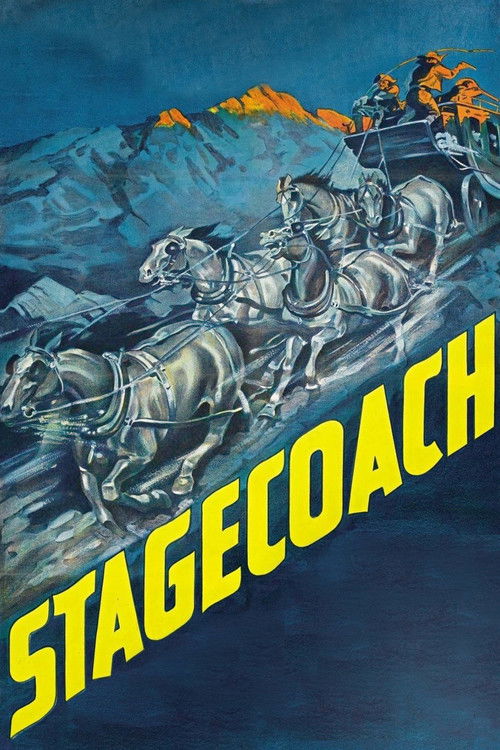
Stagecoach1939
John Ford's masterpiece of confined ensemble drama on the move. It has the adventure and historical setting but adds real moral complexity and character work that rewires the whole enterprise.
But It's a Western, not a cavalry film, and the pacing is leisurely; the pleasures are psychological rather than spectacular.
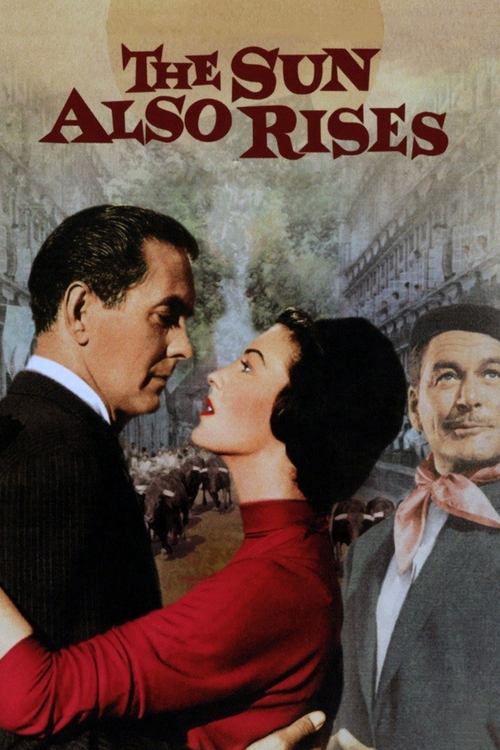
The Sun Also Rises1957
Tyrone Power again, in a film that shares the imperial adventure template but channels it through post-war disillusionment and the search for meaning in a broken world. It's melancholy where Light Brigade is buoyant.
But It's a character study masquerading as adventure; if you want action and clarity, you'll find it slow and ambiguous.
Under Two Flags1912
An earlier film with similar DNA—French Foreign Legion, romance, betrayal, redemption through military honour. Fascinating to see how the formula was established and what silent cinema could do with it.
But It's silent and fragmentary; you're reading between frames rather than watching narrative flow. Patience required.
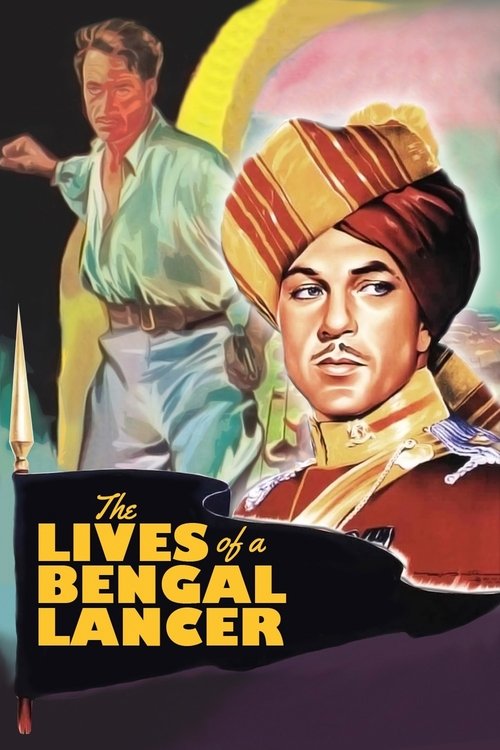
The Lives of a Bengal Lancer1935
Contemporary cavalry adventure set in India with Gary Cooper, exploring duty and loyalty in the imperial machine. It has more weight to its military detail and treats its setting with genuine interest.
But It's earnest where Light Brigade is flamboyant, and the earnestness can feel dated and problematic now.
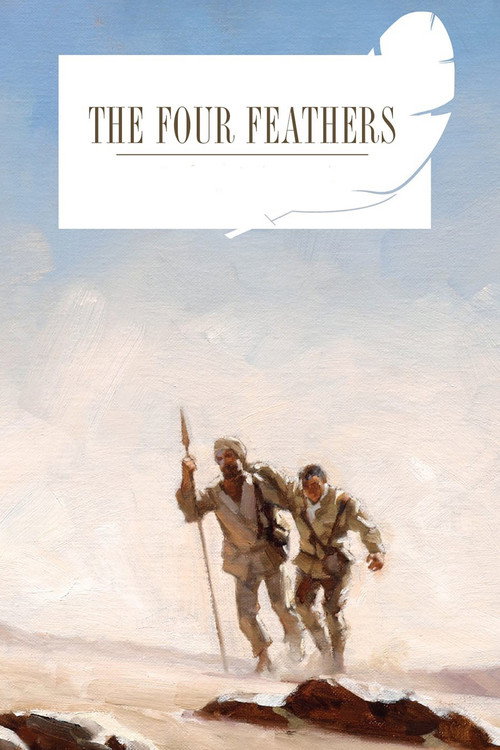
The Four Feathers1939
Ralph Richardson and John Clements in a story of honour regained across the Sudan campaign. Gorgeous Technicolor, strong on spectacle and emotion, with real stakes underneath the adventure.
But The racial attitudes are of their era and uncomfortable; the pacing is uneven in the second half.
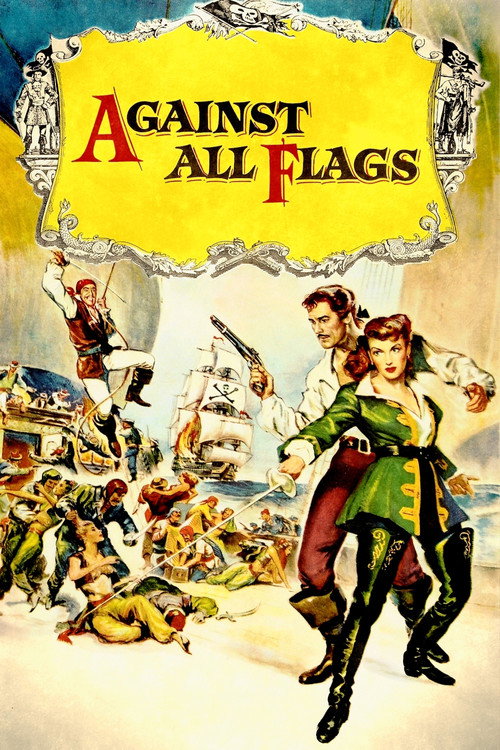
Against All Flags1952
Errol Flynn late in his career, playing a pirate with more edge and world-weariness. It has the adventure and romance but glimpses something harder underneath the charm.
But It's a lesser film in every technical way; the production values are noticeably cheaper and the script is thinner.
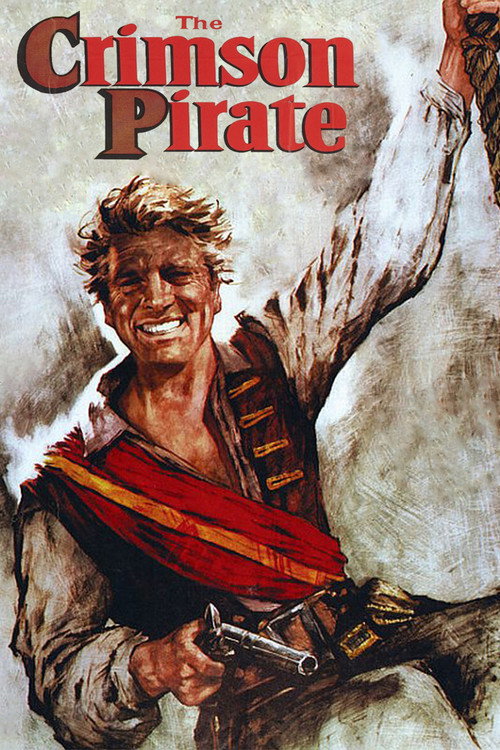
The Crimson Pirate1952
Both films use the classical adventure formula—wronged hero, impossible mission, romance, revenge—but Lancaster's film knows it's a game and plays it lightly, while Flynn's plays it straight. Watching them together shows how tone entirely rewrites the same plot.
Burt Lancaster's acrobatic action comedy in the Caribbean. It shares Light Brigade's swashbuckling spirit but abandons the historical gravity entirely, turning adventure into physical poetry and joyous invention.
But The tone is deliberately artificial and campy; if you want adventure to feel grounded, this will seem arch and silly.
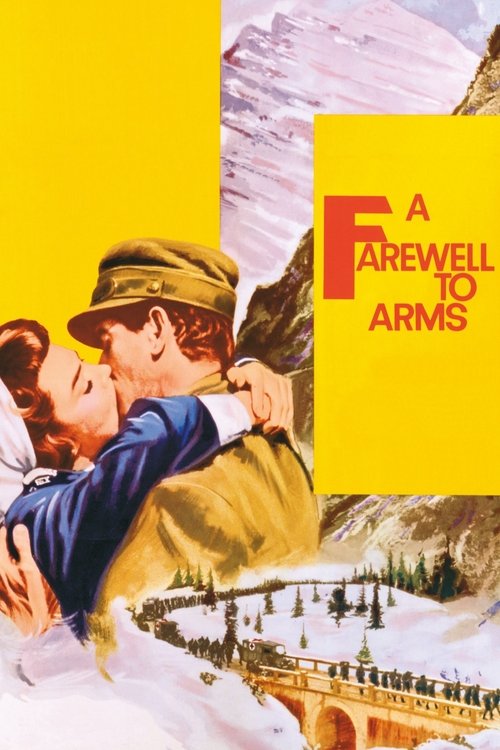
A Farewell to Arms1957
Both climax with a famous military disaster (Balaclava; the Italian retreat) staged as character tragedy rather than historical event. But where Light Brigade lionizes the sacrifice, Farewell treats it as waste—the same moment in history, opposite moral weight.
Rock Hudson and Jennifer Jones in a WWI love story that treats war as tragedy rather than theatre. It's what happens when you take the imperial-adventure template and ask it to carry real human pain instead of spectacle.
But It's slow, sentimental, and deeply uncomfortable about its own melodrama in ways that date it badly. The emotions feel external rather than earned.
People
Cast
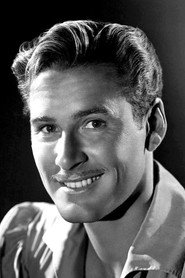 Errol FlynnMajor Geoffrey Vickers
 Olivia de HavillandElsa Campbell
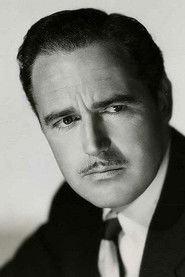 Patric KnowlesCaptain Perry Vickers
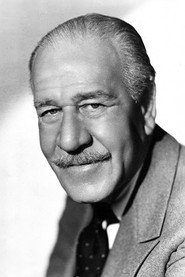 Henry StephensonSir Charles Macefield
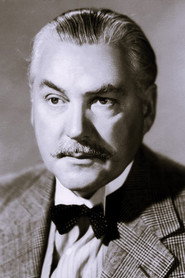 Nigel BruceSir Benjamin Warrenton
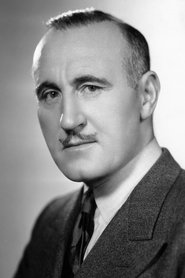 Donald CrispColonel Campbell
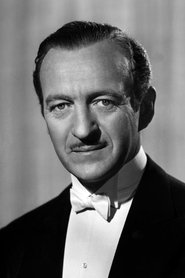 David NivenCaptain Randall
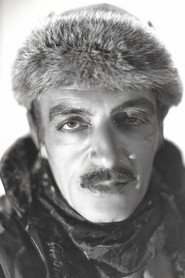 C. Henry GordonSurat Khan
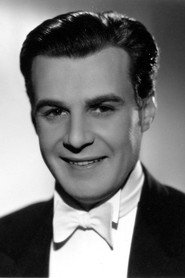 G.P. HuntleyMajor Jowett
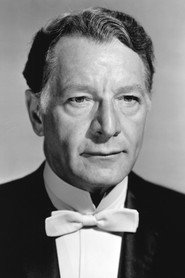 Robert BarratCount Igor Volonoff
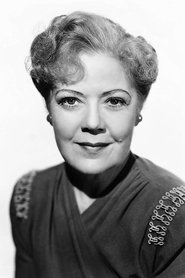 Spring ByingtonLady Octavia Warrenton
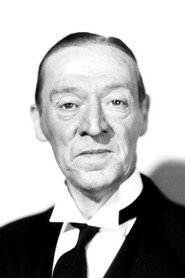 E. E. CliveSir Humphrey Harcourt
Directing
- Jack SullivanAssistant Director
- Michael CurtizDirector
Writing
- Michael JacobyOriginal Story
- Michael JacobyScreenplay
- Rowland LeighScreenplay
Production
- Hal B. WallisExecutive Producer
- Jack L. WarnerExecutive Producer
Recommended by
The Four Feathers, Fire Over England, Beau Geste, Waterloo, Zulu Dawn, The 300 Spartans, The Hurricane, The Four Feathers, The Lives of a Bengal Lancer, Storm Over Bengal, Bataan, The Lighthorsemen, Fires of Fate, Sanders of the River, Storm Over the Nile, Lloyd's of London, Bengal Brigade, They Died with Their Boots On, Under Two Flags, King of the Khyber Rifles, Santa Fe Trail, The World in His Arms, Beau Geste