
Film
The Lighthorsemen
An Australian war film about the light horse regiment's cavalry charge at Beersheba in 1917—a moment when mounted soldiers broke a stalemate in Palestine. It's earnest, handsomely mounted, and structured around real heroism rather than invented spectacle. For viewers drawn to underdog military stories and lesser-known theatre of the First World War.
Should you watch it?
Watch it if you like war films that linger on heat, boredom and sore feet, and you'd rather watch a slow-built historical story unfold than a string of set pieces.
Skip it if you want a tidy, fast-moving action film, since at over two hours its early stretches take their time setting up the men before the desert finally opens up.
What it asks of you: At 131 minutes, its pace is deliberate, letting the waiting and the camaraderie build before the fighting arrives, so patience will pay off more than appetite.
Not sure? Find tonight's pick in a minute.
If you liked this
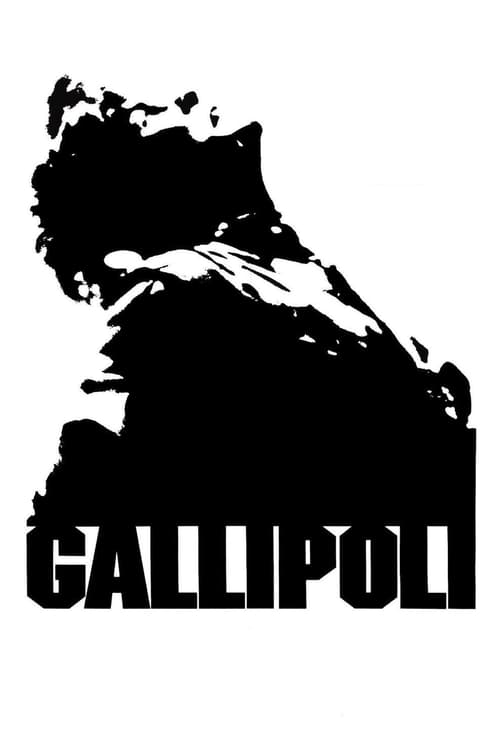
Gallipoli1981
Peter Weir's masterpiece about Australian soldiers in WWI. Visually stunning, emotionally devastating, and captures the same sense of young men tested by history. Essential viewing for anyone moved by The Lighthorsemen.
But The ending is historically familiar and deliberately tragic—not a story that lets you off easy emotionally.
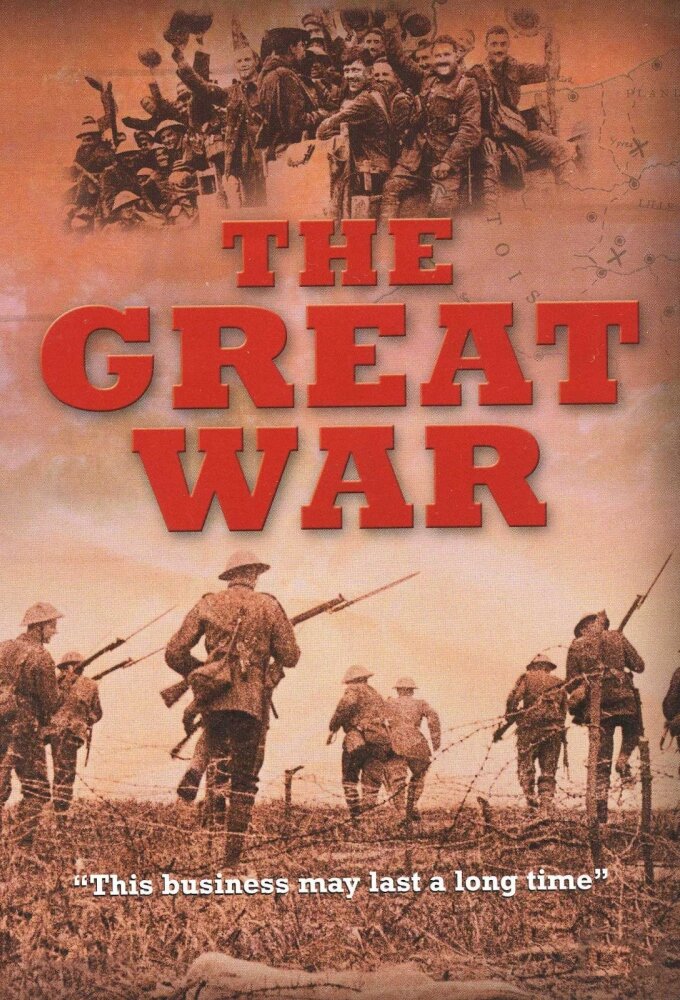
The Great War1964
A British documentary series that sets WWI's broader context and includes coverage of the Middle Eastern campaigns. Complements the film's perspective with archival footage and expert analysis that deepen understanding.
But Documentary format means no narrative drive; it's educational rather than dramatically gripping.
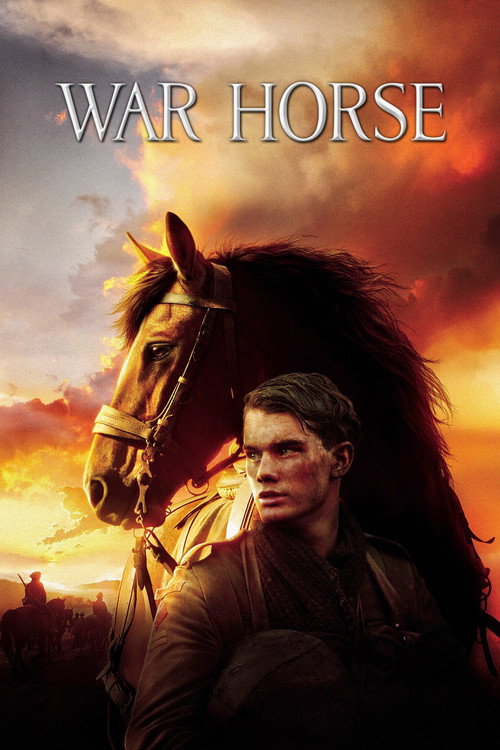
War Horse2011
Spielberg's story of a cavalry horse in WWI. Similar in scope and sincerity—both films honour the courage of mounted soldiers and find beauty in the landscape of conflict without glorifying war itself.
But Sentiment tips toward melodrama in places; some find the tonal shifts between realism and emotion jarring.
Not sure tonight? Get a pick in a minute, starting from The Lighthorsemen
The wildcard
Something you would not have found on your own.
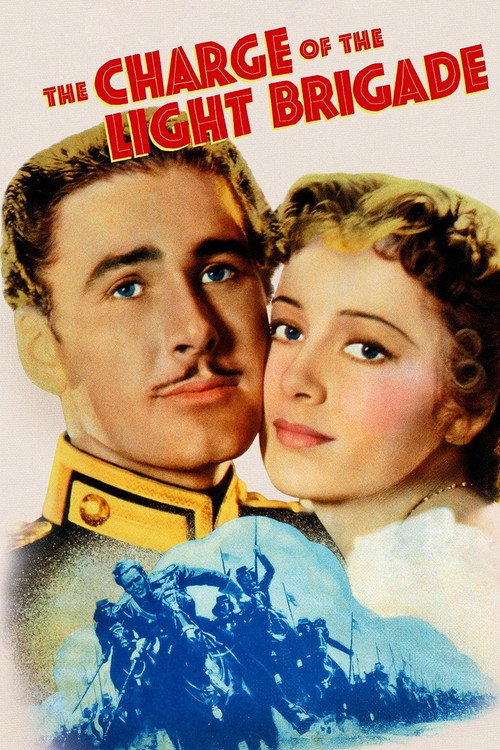
The Charge of the Light Brigade1936
Both centre on cavalry charges as moments of turning-point heroism, but from opposite directions: one fantastical, one documentary in spirit.
Errol Flynn's swashbuckling take on a famous cavalry charge (the 1854 Crimean original, not Beersheba). What's remarkable is how both films use mounted cavalry as a metaphor for courage against impossible odds—but Flynn's version is pure adventure fantasy, revealing how differently Hollywood and Australian cinema treat the same historical impulse.
But It's a melodramatic period piece with romantic subplots that feel utterly remote from historical accuracy—almost campy by modern standards.
More like this (6)
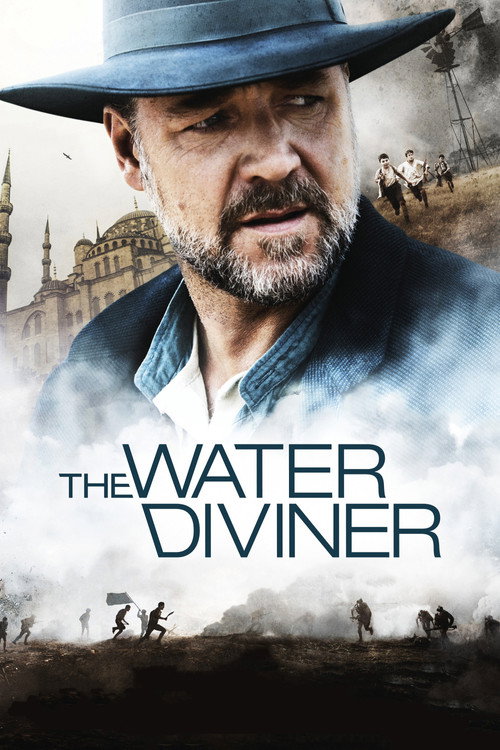
The Water Diviner2014
An Australian film set in post-WWI Gallipoli and Anatolia. Shares the same cultural perspective on Australian sacrifice in Middle Eastern conflict and explores what survival means in war's aftermath.
But More of a personal redemption story than historical action—the pacing is contemplative and some find it slow.
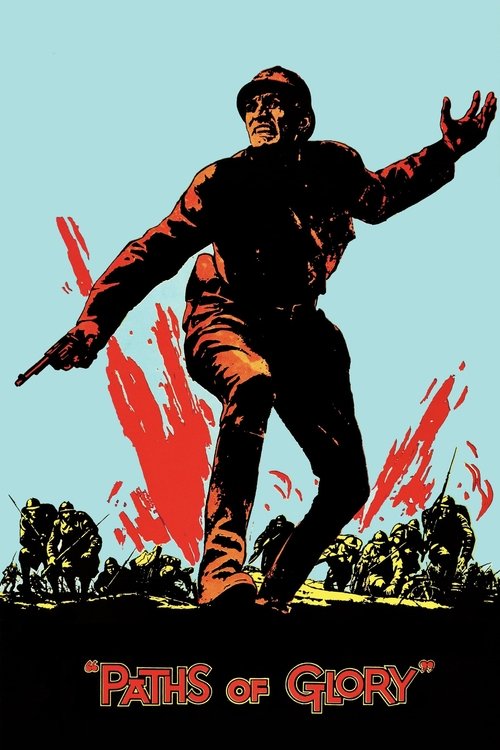
Paths of Glory1957
Kubrick's unsparing portrait of WWI's futility and military command. A darker, more cynical view of the same war—a powerful counterweight to The Lighthorsemen's heroic narrative.
But Bleakly anti-war and deeply pessimistic about human nature; offers no comfort or redemption whatsoever.
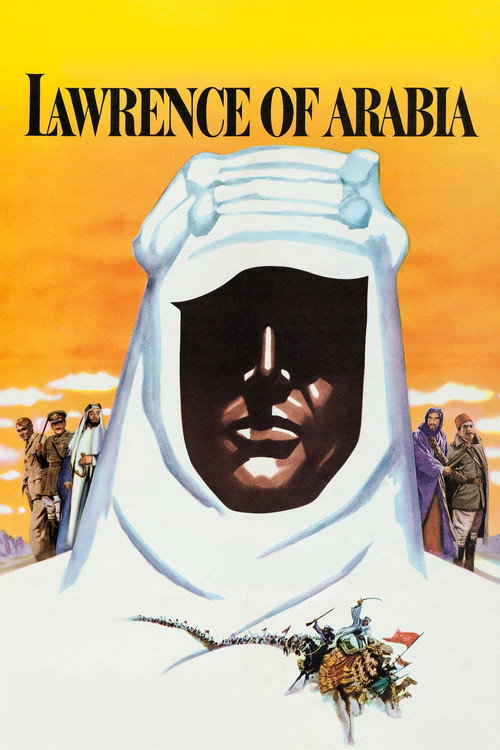
Lawrence of Arabia1962
David Lean's epic covers the same theatre and era—the Arabian desert campaign, British strategy in the Middle East, the collision of cultures and politics. A companion piece to understanding the Beersheba context.
But At over three hours and deeply focused on one enigmatic man, it's a very different film—intellectual rather than action-driven.
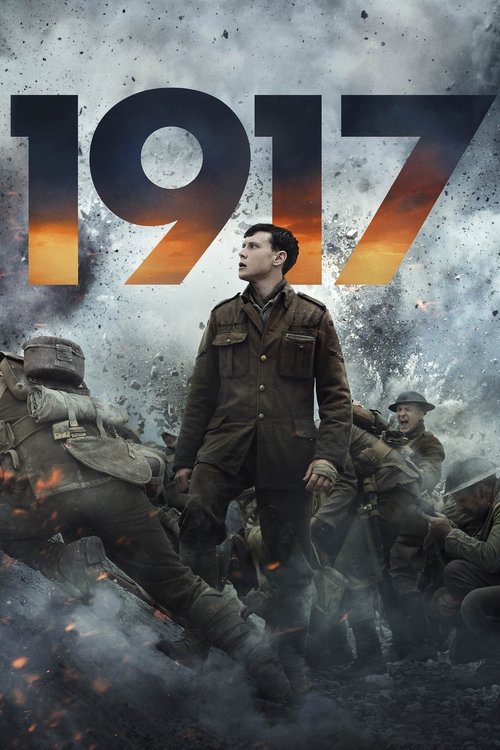
19172019
A single-take immersion in WWI's brutality and tactical confusion. If you loved the kinetic energy and realism of The Lighthorsemen, this takes the intensity to almost unbearable levels.
But Relentlessly bleak with no moments of levity; the immersive technique can feel exhausting rather than exhilarating to some viewers.
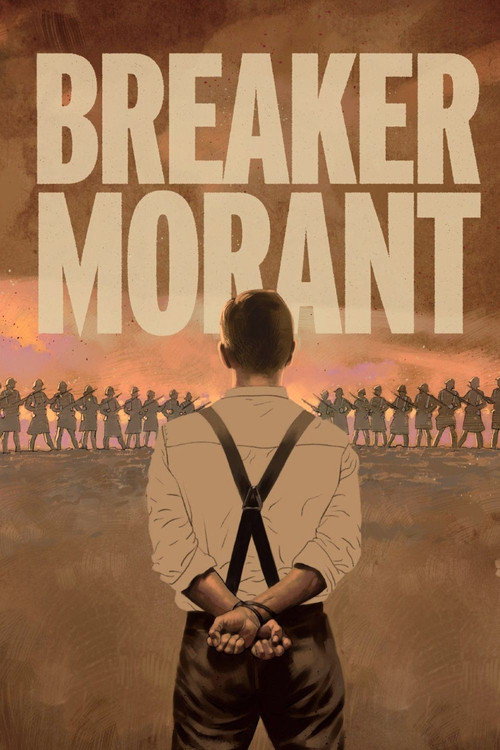
Breaker Morant1980
An Australian war film dealing with moral ambiguity and military justice during the Boer War. Same national perspective on how soldiers are treated by distant commanders and larger historical forces.
But Courtroom drama structure and legal arguments take precedence over action; a thinking film rather than a visceral one.
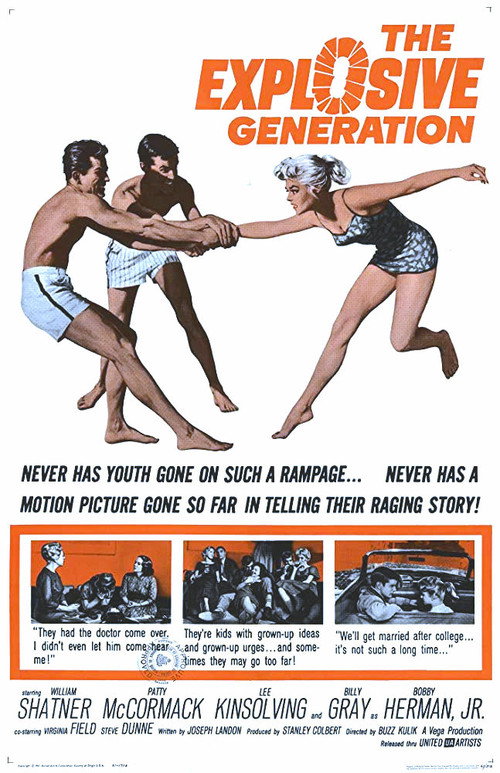
The Explosive Generation1961
Peter Phelps' career journey—and the way both films ask whether obedience to authority is ever heroic.
A minor American high-school drama that has absolutely nothing to do with war—but its lead Peter Phelps plays a teenager grappling with questions about authority, duty, and whether he should follow orders blindly. Seeing him in civilian clothes, as a young man before The Lighthorsemen's maturity, reveals how the actor embodies the same ethical tension in very different contexts.
But It's a forgotten 1960s teen picture with dated sensibilities; you're watching it entirely for the actor, not the story itself.
People
Cast
 Peter PhelpsDave Mitchell
 Nick WatersLighthorse Sargeant
 Jack HeywoodDave's Dad
- Di O'ConnorDave's Mum
 Shane BriantReichert
 Ralph CotterillGen. Friedrich von Kressenstein
 Bill KerrGen. Sir Harry Chauvel
 Grant PiroCharlie
 Tony BonnerCol. Murray Bourchier
 Serge LazareffRankin
 Gary SweetFrank
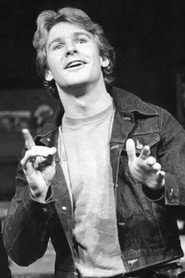 John WaltonTas
Directing
- Simon WincerDirector
Writing
- Ian JonesWriter
Production
- David LeeAssociate Producer
- Antony I. GinnaneExecutive Producer