
Film
The Explosive Generation
A high-school teacher in 1961 decides to answer his students' candid questions about sex and dating, triggering a firestorm of parental outrage and administrative cowardice. It's a earnest, slightly stagy snapshot of generational conflict at the moment when talking openly about sexuality still felt genuinely transgressive. For anyone interested in how we got here—or how little has actually changed.
Should you watch it?
Watch it if you like earnest, talky school dramas where one teacher's stubborn decision to speak plainly carries the stakes, and a period's manners are part of the fun.
Skip it if you need brisk pacing or modern polish, since this one is slow and talky, with its argument often carried by long speeches over visual flair.
What it asks of you: At eighty-nine minutes, it moves at a measured clip, building its tension from conversation and worried meetings rather than from action.
Not sure? Find tonight's pick in a minute.
If you liked this
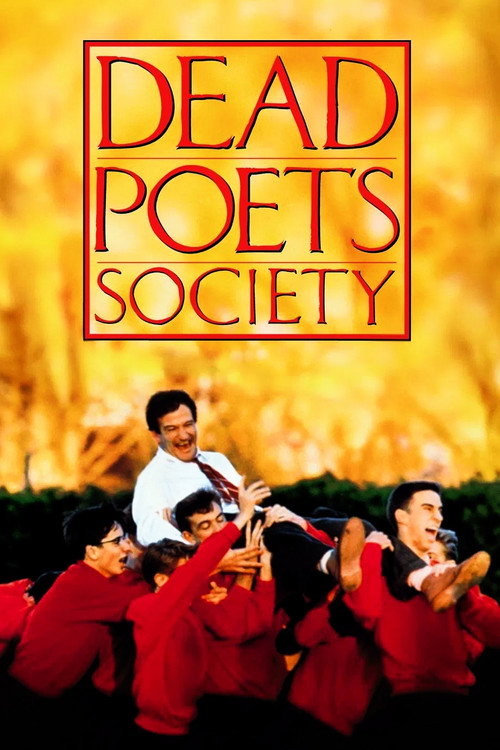
Dead Poets Society1989
A principled teacher inspires his students to think for themselves, then faces institutional backlash when his methods prove too effective. Robin Williams is restrained and moving, and the film trusts its own moral clarity.
But It's become a shorthand for 'inspirational teacher' to the point where the actual film gets buried under its own reputation. Some of it plays as soft now.
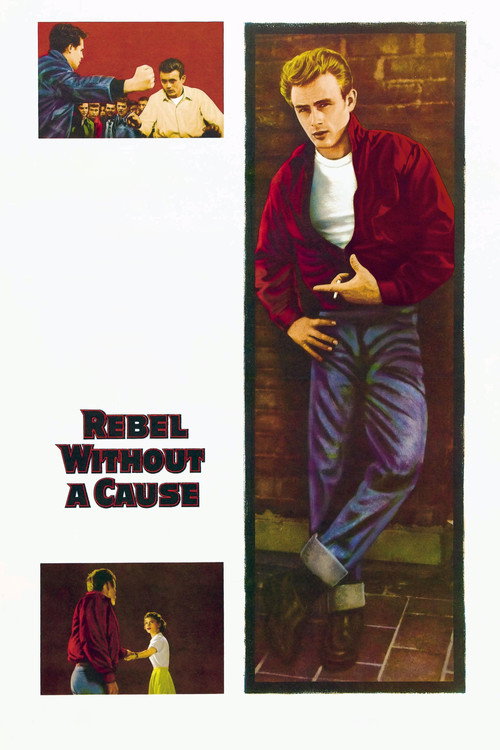
Rebel Without a Cause1955
James Dean and the restless teenagers of the 1950s; captures the exact moment when youth culture became something adults couldn't ignore or control. It's stylish, angry, and genuinely moving about generational loneliness.
But The melodrama is thick, and some of the gender politics are dated in ways that actively sting. It's a product of its moment, unapologetically.
The Best Years of Our Lives1946
Three veterans struggle to reintegrate into civilian life while their families grapple with who they've become. Beautifully observed, funny without being dismissive, and genuinely about how change fractures the people we love.
But At over three hours, it's a commitment. The pacing is deliberate in ways modern films aren't, and some viewers find that glacial rather than meditative.

Not sure tonight? Get a pick in a minute, starting from The Explosive Generation
The wildcard
Something you would not have found on your own.
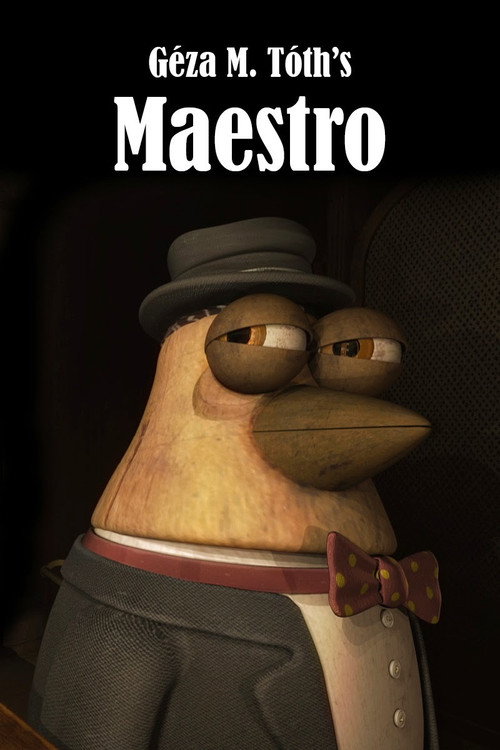
Maestro2005
Both are portraits of educators who believe their students deserve more than the system is willing to give them, and both are ultimately about institutional resistance to transformation.
A documentary following a high-school orchestra conductor in rural France who transforms his students' lives through music and uncompromising devotion to craft. It's quiet, absorbing, and about the exact same thing as The Explosive Generation—how teachers change people—but through a completely different cultural and institutional lens.
But It's a French documentary with no narrative momentum in the conventional sense. If you're not prepared to sit with observation and silence, it will feel like nothing is happening.
More like this (7)
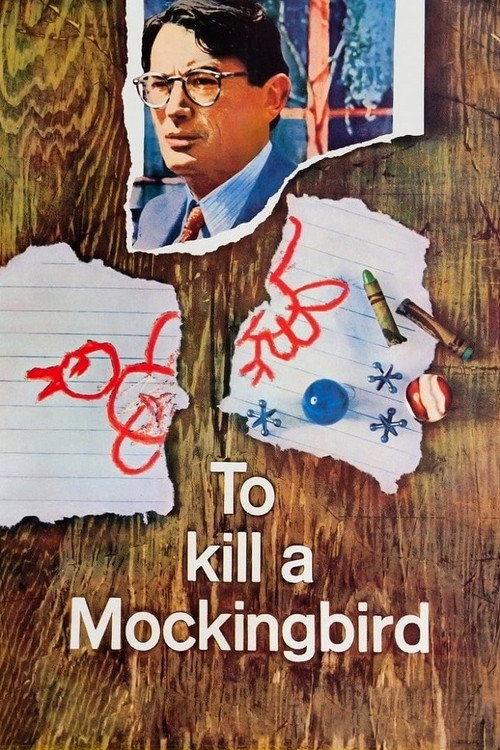
To Kill a Mockingbird1962
A lawyer defends a Black man accused of a crime he didn't commit, watched through his children's eyes as they learn what integrity costs. Atticus Finch remains one of cinema's great moral centers, and the film never condescends to its themes.
But It softens Harper Lee's novel considerably, and has become so canonical that its actual radicalism gets muffled by reverence. Modern viewers sometimes find it too tasteful.
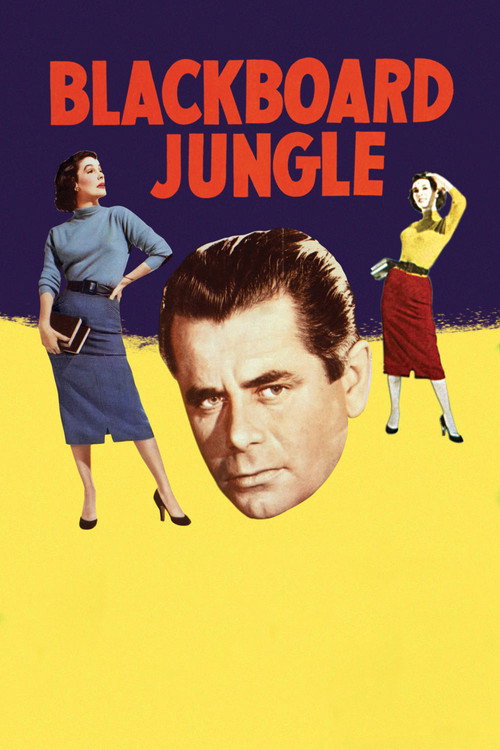
Blackboard Jungle1955
A new teacher arrives at a tough urban school and has to earn his students' respect through honesty and refusal to give up. It's grittier than it sounds, and genuinely about the mutual transformation that real teaching requires.
But The racial politics are complicated and sometimes clumsy by modern standards, though the film is trying. It's also firmly a product of 1950s anxieties about youth and authority.
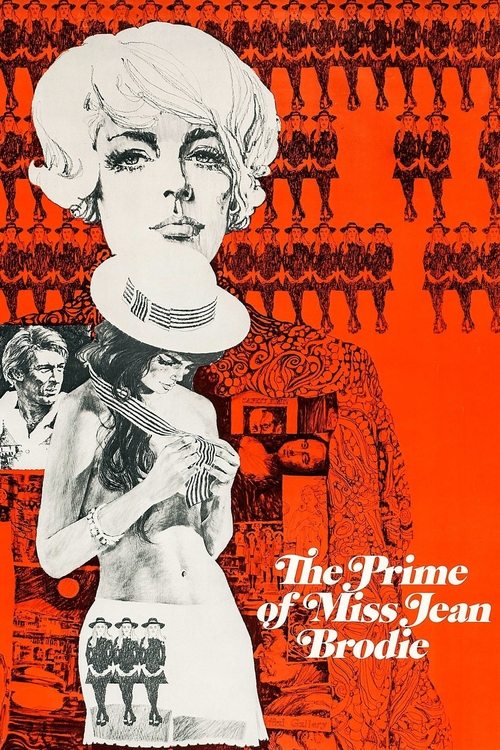
The Prime of Miss Jean Brodie1969
Maggie Smith is incandescent as a charismatic teacher who shapes her students' lives in ways both magical and deeply troubling. It's funny, sad, and unsettling in equal measure—a portrait of intellectual seduction that doesn't look away.
But The moral ambiguity will frustrate anyone looking for clear villains. Some find the film's tone too cool, as if it's admiring what it's also critiquing.
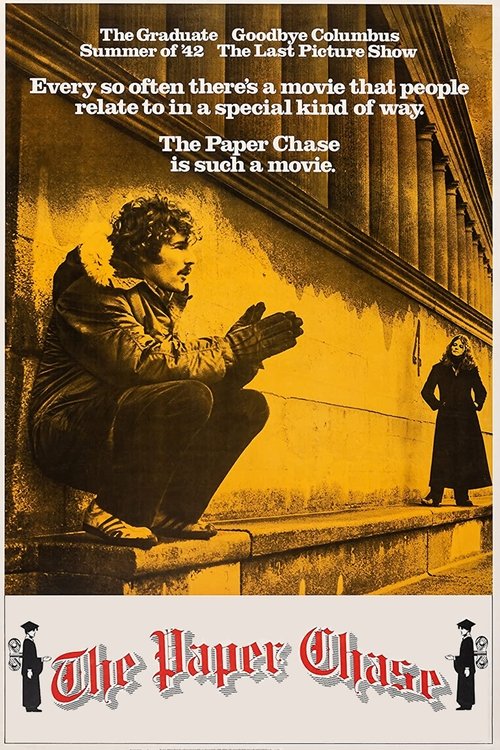
The Paper Chase1973
Harvard Law School through the eyes of first-year students trying to survive an impossible professor. John Houseman is terrifying and brilliant, and the film captures the particular anxiety of institutions that crush and transform simultaneously.
But It's very much a film about privileged men at an elite school, so your mileage depends on whether that world interests you. The gender dynamics are limited and dated.
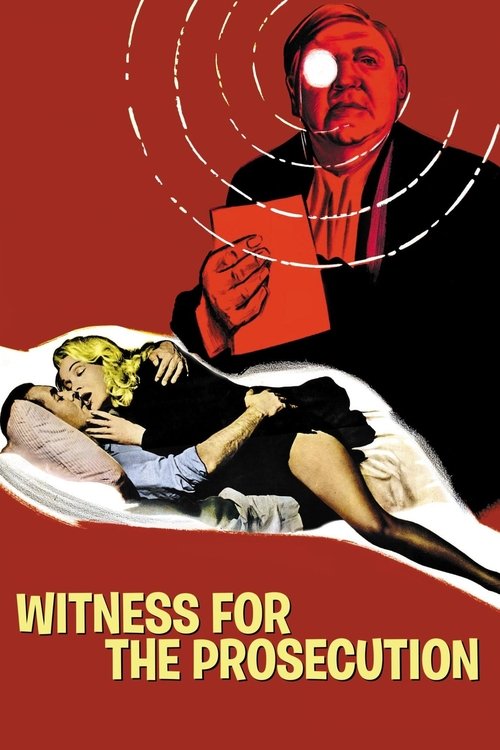
Witness for the Prosecution1957
A lawyer takes on a murder case that turns on questions of testimony, loyalty, and what we're really willing to believe. Agatha Christie's plot is intricate without being showy, and Billy Wilder directs with surgical precision.
But It's a courtroom procedural that privileges plot over character development. If you're not invested in the mystery mechanics, long stretches will feel thin.
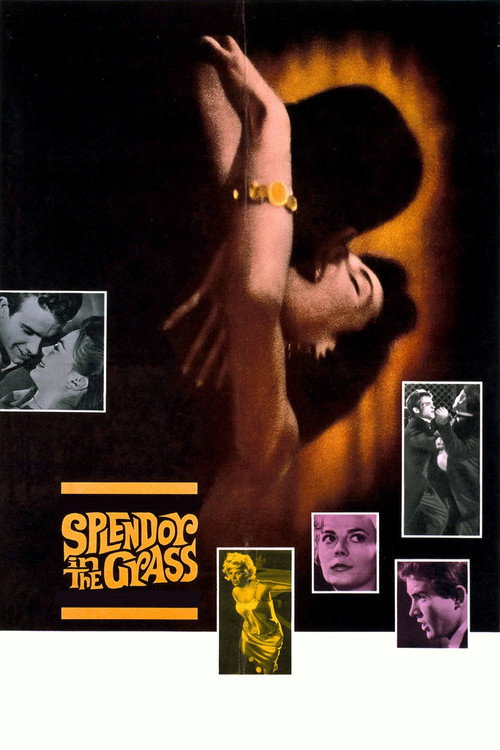
Splendor in the Grass1961
Two teenagers from different social classes fall in love in 1920s Kansas and collide with their families' expectations. Elia Kazan directs with real emotional weight, and Warren Beatty and Natalie Wood are entirely believable as people torn apart by forces larger than themselves.
But The ending leans into a kind of resignation that some find depressing rather than tragic. It's also very much a film about sexual repression, which can feel heavily handed.
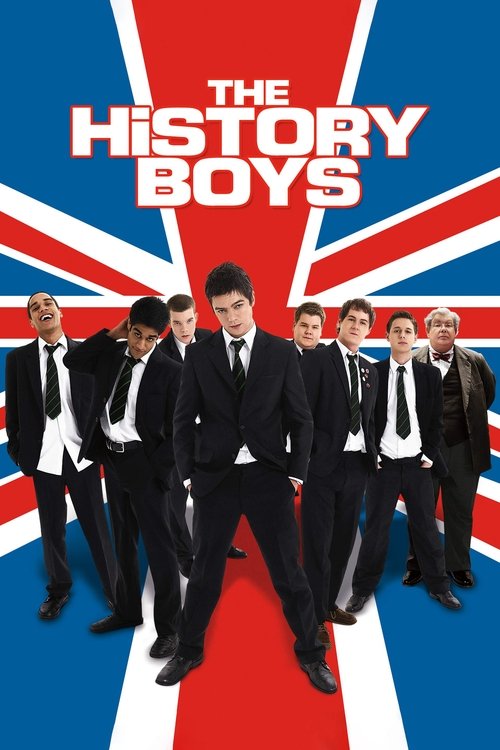
The History Boys2006
Both explore the danger and necessity of teachers who refuse to lie to their students, and both suggest that institutional comfort is the enemy of real education.
Alan Bennett's film adaptation of his own play about a group of brilliant sixth-formers and the two teachers who shape them in radically different ways. It's funny, erudite, heartbreaking, and asks hard questions about what we teach and why—and what we owe our students.
But It's a converted stage play, so the dialogue is dense and theatrical. The ending is genuinely tragic in ways that will upset people who came for the wit, and the sexual politics are complicated and dark.
People
Cast
 William ShatnerPeter Gifford
 Patty McCormackJanet Sommers
 Lee KinsolvingDan Carlyle
 Virginia FieldMrs. Katie Sommers
 Edward PlattMr. Morton
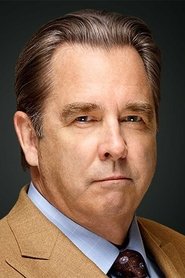 Beau BridgesStephen
 Jocelyn BrandoMrs. Ryker
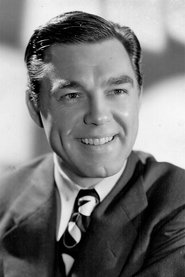 Phillip TerryMr. Carlyle
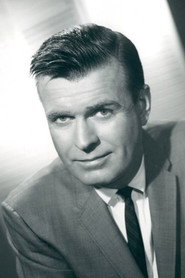 Stephen DunneBobby Herman Sr.
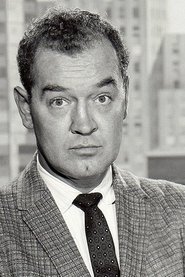 Arch JohnsonMr. George Sommers
- Judee MortonCharlene
- Suzi CarnellMarge Ryker
Directing
- Buzz KulikDirector
Writing
- Joseph LandonWriter