
Film
Maestro
A five-minute Hungarian animated film about a conductor and his mechanical assistant in the frantic minutes before a grand performance. It's a tightly wound comedy about ego, ambition, and the gap between public grandeur and private chaos. For anyone who loves short-form animation that packs character and satirical bite into a tiny frame.
If you liked this
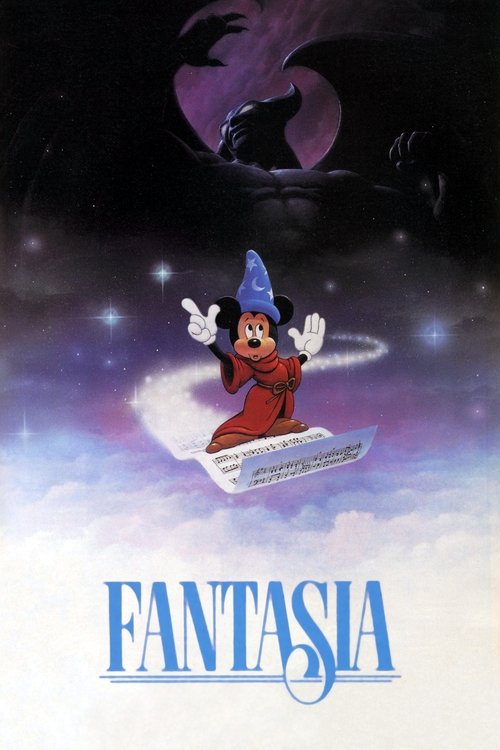
Fantasia1940
The ultimate conductor's film—music and animation in perfect harmony. Disney's baroque visual interpretation of classical pieces creates something transcendent that celebrates both the music and the musician's vision.
But At two hours and completely abstract in stretches, it can feel slow or dated compared to modern animation, and there's no narrative to hang onto.
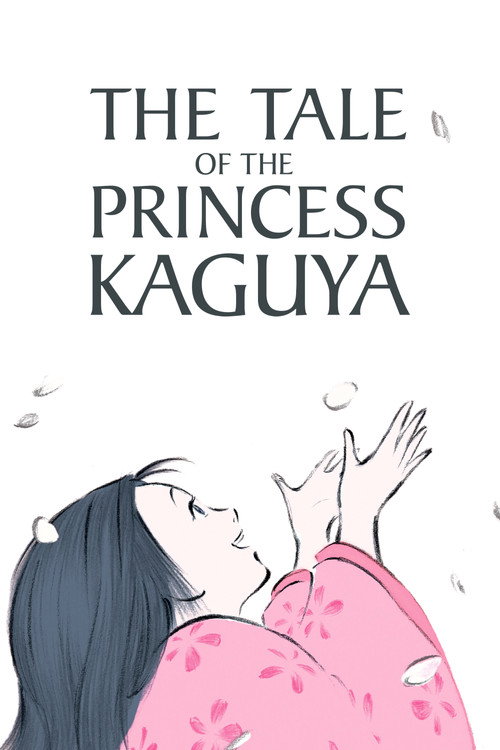
The Tale of The Princess Kaguya2013
Studio Ghibli's masterpiece uses animation not as a medium but as an art form unto itself. Every frame breathes with character; the film moves like a living thing, precise and alive in exactly the way Maestro suggests is possible.
But It's quiet and meditative, with a folk-tale pace that frustrated people expecting action. Some found it too slow to engage with.
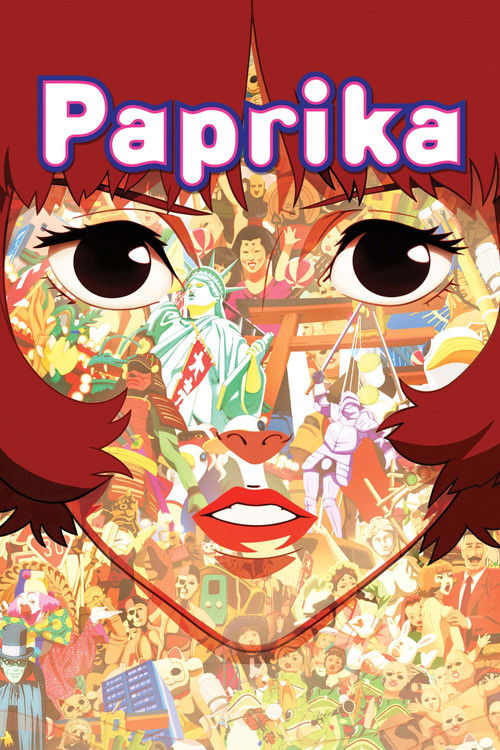
Paprika2006
Satoshi Kon's fever dream of a film about performance, identity, and the masks we wear. Dazzling technical animation married to a story about control, creativity, and the cost of ambition. Visually intoxicating.
But The plot is deliberately labyrinthine and dreamlike—it doesn't resolve neatly, and some viewers find that frustrating rather than exhilarating.
Not sure tonight? Get a pick in a minute, starting from Maestro
The wildcard
Something you would not have found on your own.
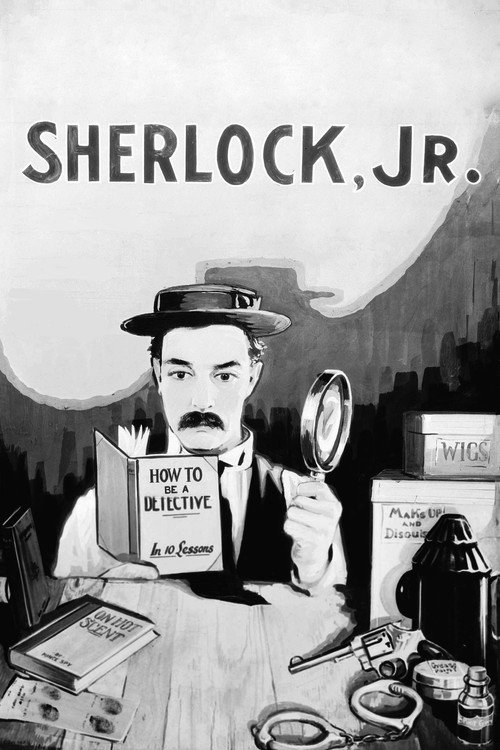
Sherlock Jr.1924
Both are about the performer at the moment of maximum vulnerability before the curtain rises, using the medium's technical possibilities—animation for one, practical effects for the other—to externalize internal chaos.
Buster Keaton's masterpiece about a projectionist who dreams himself into a film. It's five minutes of pure performance anxiety compressed into a silent film—the physical comedy IS the emotional truth. A conductor's story told through vaudeville.
But It's nearly a century old and silent; the pacing and humor codes feel foreign to modern viewers, and some find silent comedy mannered rather than funny.
More like this (7)
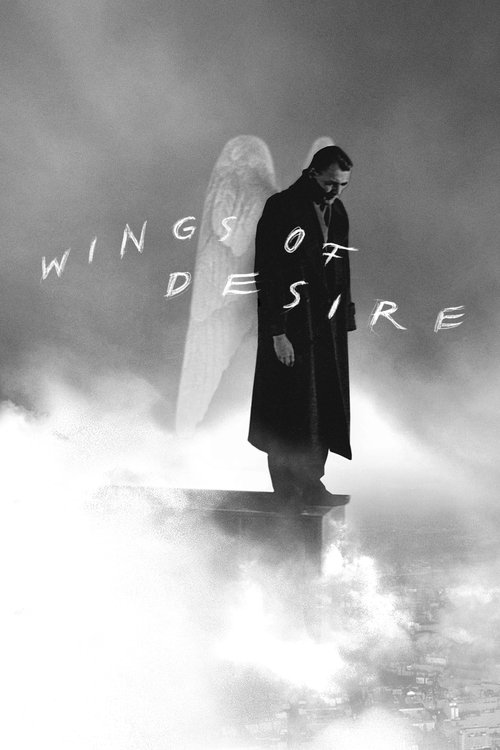
Wings of Desire1987
Wim Wenders' visionary film about angels observing human performance and passion. It captures the bittersweet gap between aspiration and reality that Maestro compresses into five minutes, but with profound gentleness and scope.
But It's deliberately paced and philosophical. If you want plot momentum or conventional drama, you'll find it remote and slow.
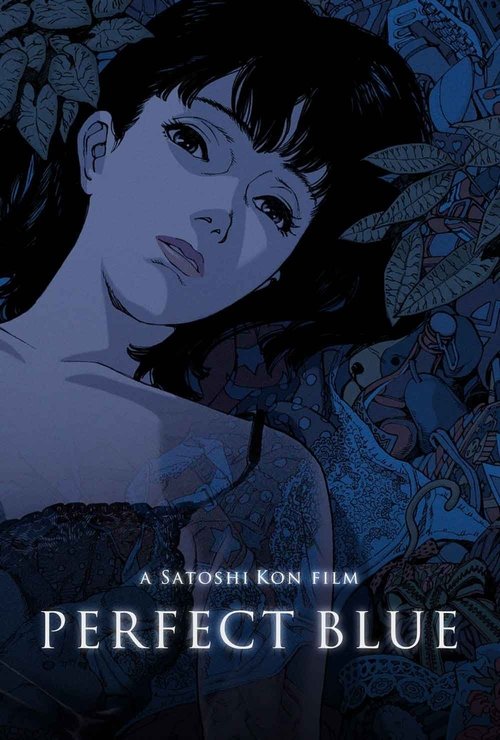
Perfect Blue1998
Satoshi Kon's psychological thriller about performance and identity cracking under pressure. Dizzying animation work in service of a story about what ambition costs you. Claustrophobic and brilliant.
But It deals with stalking and sexual violence; the tonal shifts are jarring by design, and it's deliberately unsettling rather than fun.
A Ghost Story2017
David Lowery's haunting meditation on time, performance, and what we leave behind. Like Maestro, it's brief and precise, but it stretches those minutes into something cosmic. The performances are minimal; the emotion is maximum.
But It's abstract and grief-centered, with almost no dialogue. Its pacing is meditative to the point where many viewers found it boring or pretentious.

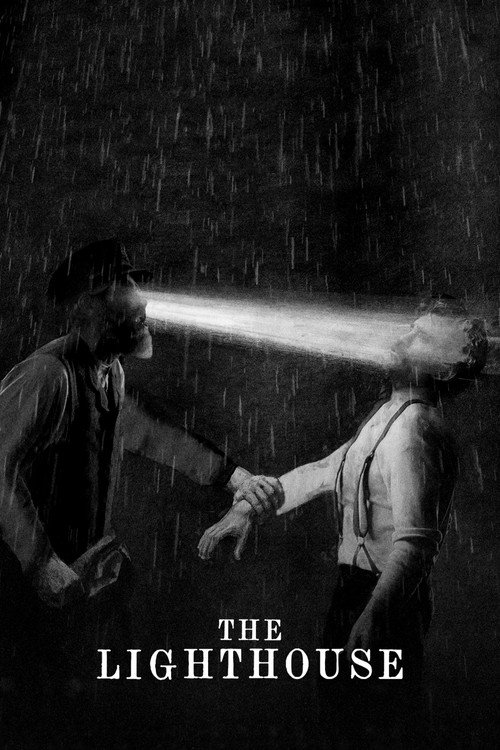
The Lighthouse2019
Eggo and Pattinson as two men in close quarters, tensions mounting, madness encroaching. The black-and-white cinematography and obsessive sound design create claustrophobic intensity. A performance piece disguised as a thriller.
But It's deliberately abrasive—the accents are thick, the repetition deliberate, the pacing relentless. It's designed to irritate as much as intrigue.
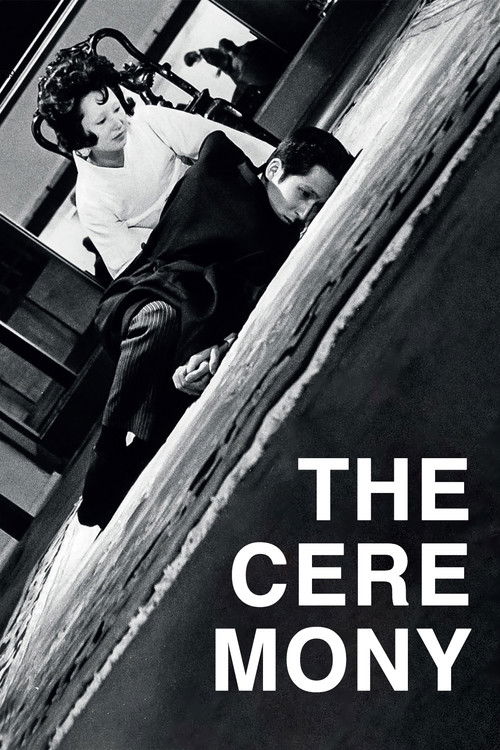
The Ceremony1971
Nagisa Oshima's experimental meditation on ritual, performance, and social breakdown. Like Maestro, it uses formality and ritual to explore ego and control. Visually stark and conceptually daring.
But It's an avant-garde piece with minimal conventional plot. Long takes and repetition are its grammar, which alienates many viewers looking for conventional storytelling.
Tokyo Story1953
Both are about the pretense and precision required to maintain a professional self, and what remains when that performance ends. Ozu's formal perfection mirrors the Maestro's need for control.
Ozu's gentle masterpiece about aging performers visiting their sons in Tokyo. Compositionally precise and emotionally devastated. The camera never moves; the performances breathe in stillness. It's about the gap between who you are and who you've become.
But It's slow, quiet, and structurally repetitive. The emotional payoff is subtle—if you come in expecting narrative climax or dramatic gestures, you'll feel cheated.

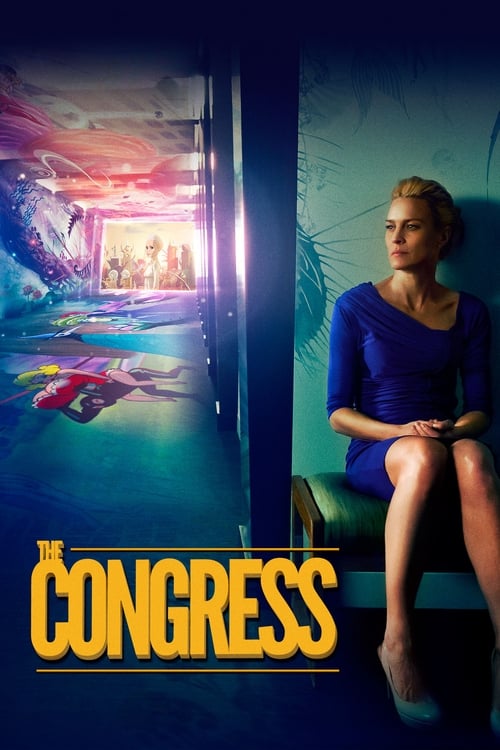
The Congress2013
Both explore the moment when ego, control, and artistic vision collide with mechanical inevitability. Folman extends the five-minute tension into feature length, but the core idea is identical.
Ari Folman's animated film about performance, control, and artistic ambition. Robin Wright plays herself selling her image. Gorgeously surreal, deeply unsettling about what happens when the performance becomes more real than the performer. A feature-length Maestro.
But It's wildly ambitious and tangential—the second half becomes abstract and dreamlike. Some found it pretentious or lose patience with its refusal to cohere.
People
Cast
- Ákos AmbrusVoice
- Imre MadácsiVoice
- Attila PacsayVoice
Directing
- Géza M. TóthDirector
Writing
- Géza M. TóthWriter
Production
- Eva M. TothProducer
- Géza M. TóthProducer